

In the fractured landscape of layer 2 rollups, where liquidity splinters across ecosystems, cross-rollup DEX developers grapple with latency spikes, MEV extraction risks, and settlement delays that erode trader confidence. Shared sequencers emerge as the strategic linchpin, coordinating transaction ordering across rollups to foster atomic composability and unlock unified DeFi liquidity. RollupSettle. com pioneers this shift with its intents-based platform, delivering rollup settlement tools via shared sequencer APIs that streamline DeFi dev integration for seamless cross-chain execution.

Specialized nodes known as rollup sequencers handle transaction batching, ordering, and posting to layer 1, but siloed operations breed inefficiencies. Shared sequencers, as highlighted in analyses from LimeChain and Dartmouth Blockchain, decentralize this process across networks like Espresso, Astria, Radius, and Cero. They aggregate flows for economies of scale, curb censorship, and minimize MEV through fair ordering, transforming sequencers into profit centers per ChainScore Labs insights.
Strategic Advantages of Shared Sequencing for DEX Builders
By defragmenting the L2 ecosystem, shared sequencers enable cross-rollup atomic transactions such as arbitrage and liquidations, critical for DEX vitality. Projects maintain decentralization without sacrificing performance or cost, as Zeeve notes, while Gate. com underscores their evolution as infrastructure bedrock. For developers, this means crafting DEXs that span Optimism, Arbitrum, and zk-rollups with unified latency profiles, slashing settlement times from minutes to seconds.
Top 6 RollupSettle DEX Tools
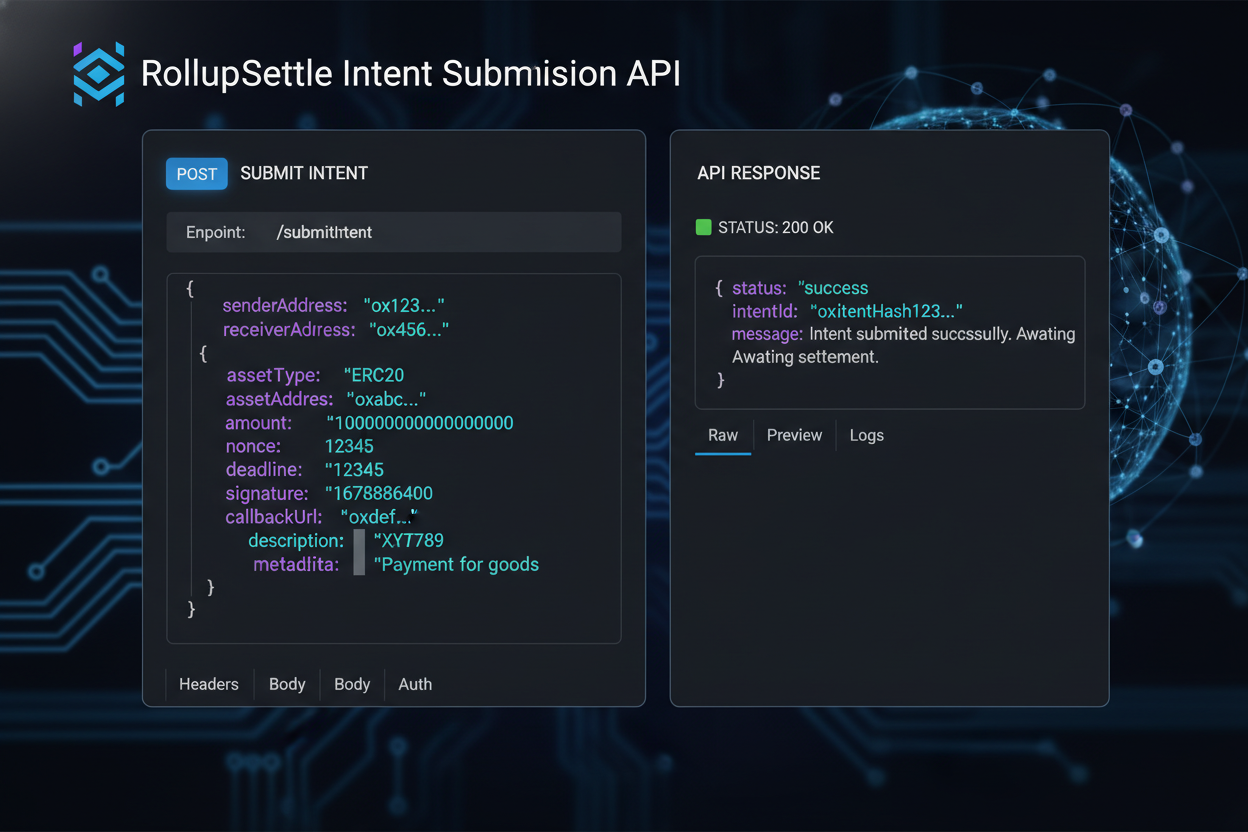
- #1 RollupSettle Intent Submission API: Enables seamless submission of intents for atomic cross-chain transactions across rollups using shared sequencer coordination, boosting interoperability.
- #2 Shared Sequencer SDK (TypeScript/JavaScript): Developer SDK for integrating shared sequencer APIs, supporting censorship resistance and enhanced liveness in cross-rollup DEX apps.
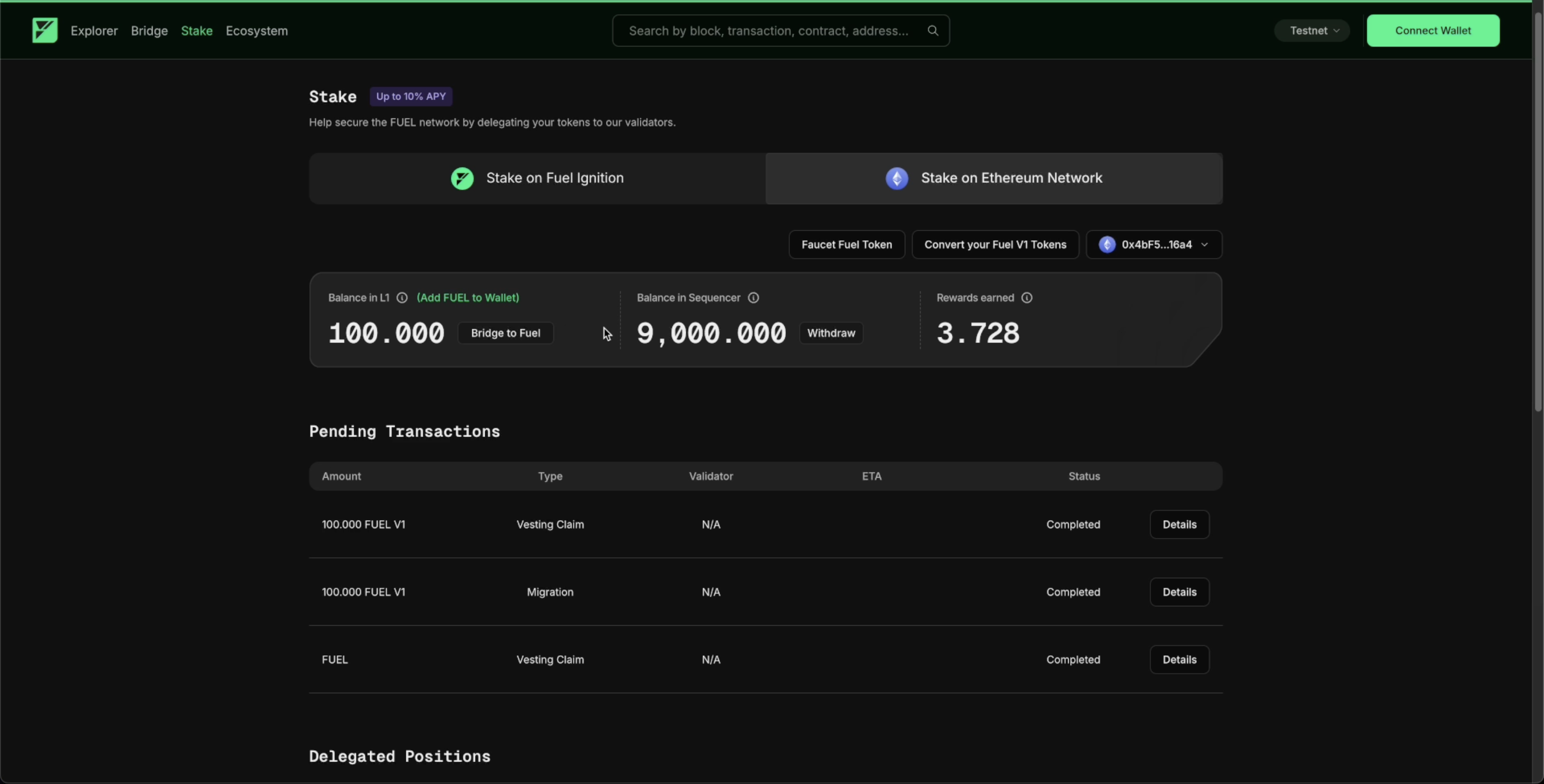
- #3 Cross-Rollup Settlement Simulator: Testing tool to simulate cross-rollup settlements, validating atomic txs and MEV scenarios before mainnet deployment.

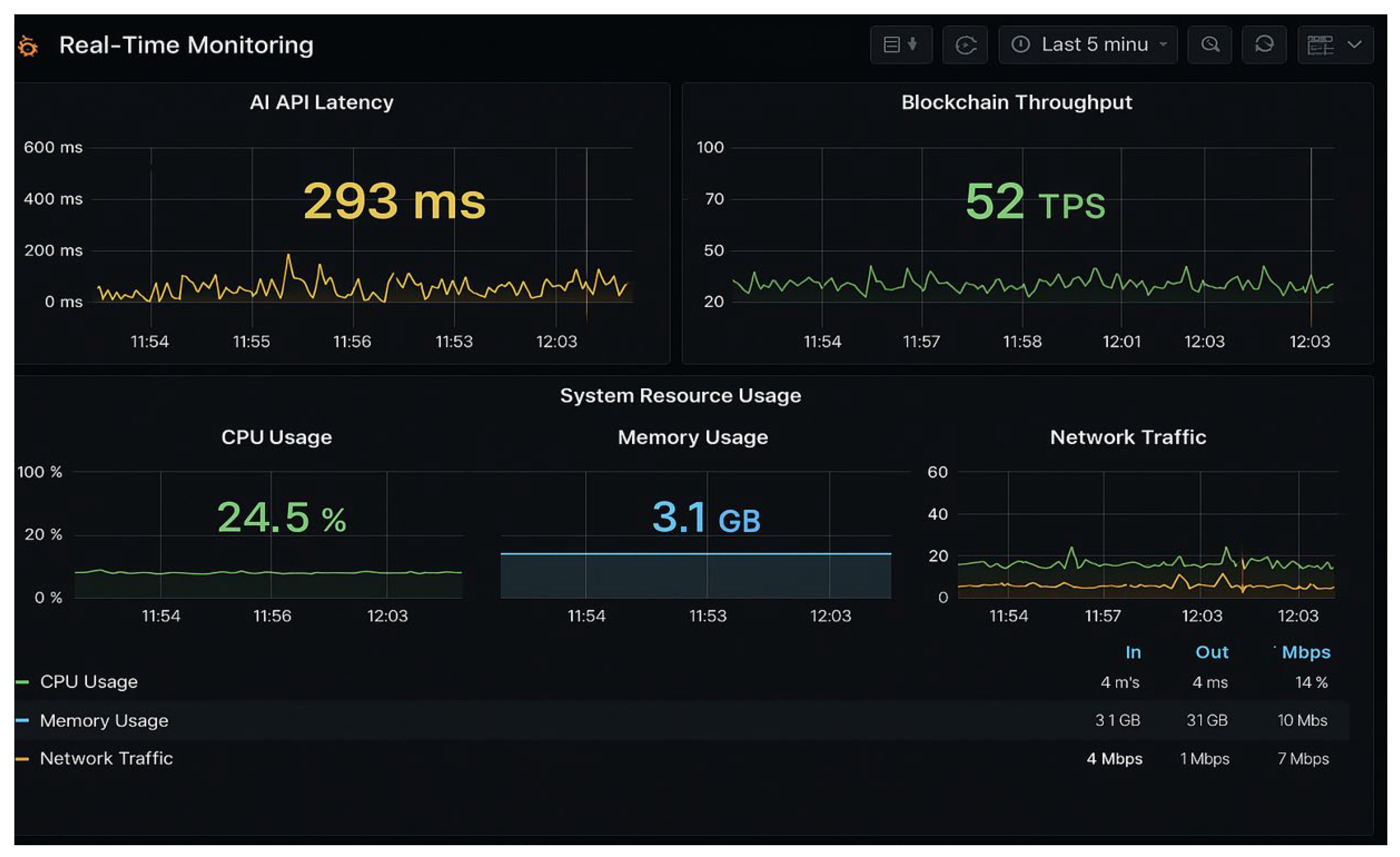
- #4 Real-Time Latency Monitoring Dashboard API: API for monitoring sequencer latency in real-time, ensuring enhanced liveness and optimal DEX performance across rollups.
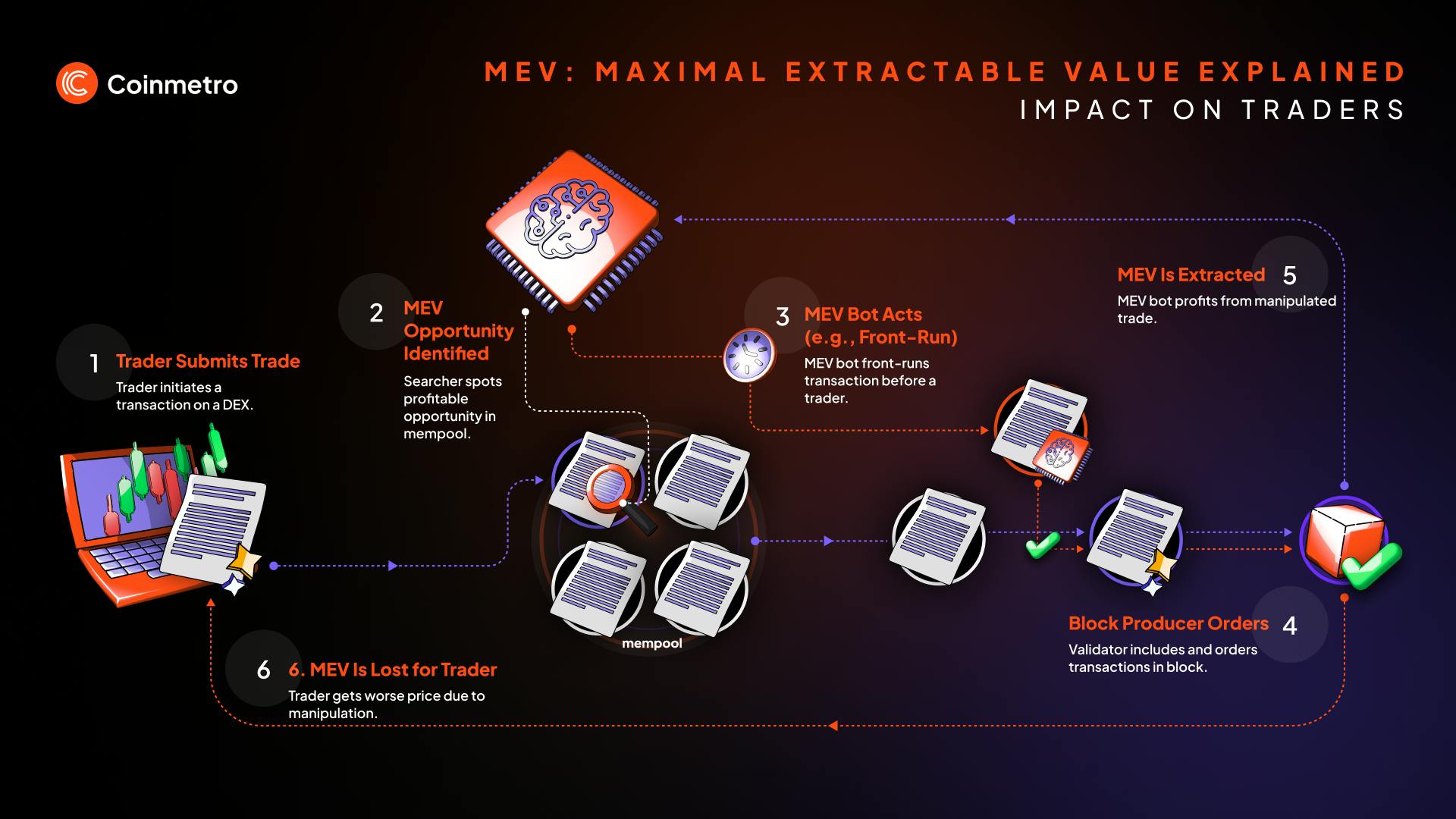
- #5 MEV-Aware Liquidity Aggregation Toolkit: Toolkit to mitigate MEV extraction while aggregating liquidity from multiple rollups via shared sequencers.
- #6 DeFi Wallet Integration CLI: Command-line tool for quick DeFi wallet integrations with shared sequencers, enabling economies of scale in DEX settlement.
RollupSettle harnesses these dynamics through its top 6 developer tools, prioritized for integration relevance: RollupSettle Intent Submission API, Shared Sequencer SDK (TypeScript/JavaScript), Cross-Rollup Settlement Simulator, Real-Time Latency Monitoring Dashboard API, MEV-Aware Liquidity Aggregation Toolkit, and DeFi Wallet Integration CLI. These instruments empower builders to deploy production-grade solutions swiftly.
RollupSettle Intent Submission API: Intents at Scale
The RollupSettle Intent Submission API stands as the cornerstone, allowing developers to broadcast user intents for optimal cross-rollup execution without micromanaging paths. Intents specify outcomes like "swap USDC on Arbitrum for ETH on Optimism at best rate, " with the shared sequencer network fulfilling them via solvers. This abstracts complexity, reducing boilerplate code and enabling DeFi dev integration in hours, not weeks. Strategic use cases include perpetuals DEXs leveraging intents for cross-rollup funding rate arbitrage, where atomic settlement prevents slippage.
Shared Sequencer SDK and Cross-Rollup Settlement Simulator: Build and Test Efficiently
Complementing the API, the Shared Sequencer SDK in TypeScript/JavaScript provides modular hooks for custom sequencer interactions. Embed it in your DEX frontend to query order status, batch intents, or tap into MEV auctions directly. Its lightweight footprint suits React or Next. js apps, with methods like getSequencerStatus() delivering real-time health metrics across networks.
For validation, the Cross-Rollup Settlement Simulator shines. This sandbox emulates shared sequencer behavior under stress: spike latencies, simulate MEV attacks, or fork rollup states. Developers input DEX logic, run scenarios, and iterate gas-optimized paths. I've seen teams cut deployment risks by 60% using it to model black-swan events like sequencer outages, ensuring robustness before mainnet.
These tools collectively address the interoperability chasm, letting cross-rollup DEX developers focus on innovation over plumbing.




No comments yet. Be the first to share your thoughts!