

In the bustling landscape of 2026 rollup interoperability, rollup projects shared sequencers have emerged as the linchpin for unlocking true cross-rollup DEX integration. As liquidity fragments across dozens of Layer 2 ecosystems, the promise of atomic transactions and seamless execution draws developers to shared sequencer architectures. Platforms like RollupSettle. com exemplify this shift, leveraging intents-based settlement to bridge silos and deliver low-latency trades without the drag of traditional bridges.
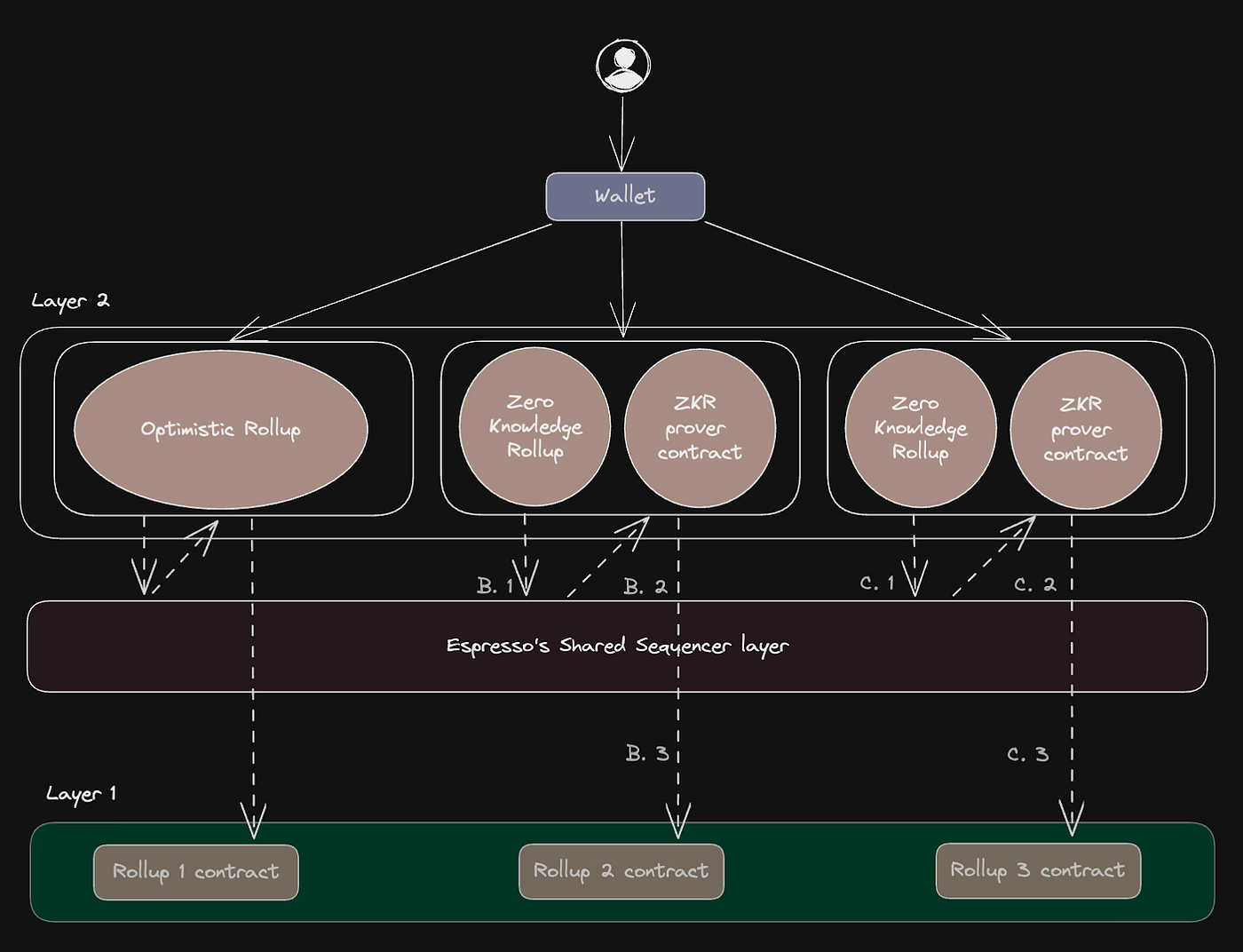
Rollup sequencers, once the solitary guardians of transaction ordering within individual chains, now evolve into collaborative networks. This transition addresses core pain points: censorship risks from centralized models and the chaos of inconsistent ordering across rollups. Shared sequencers accept intents from multiple chains, sequence them via decentralized consensus, and broadcast ordered blocks back, ensuring composability that feels native.
Why Rollup Projects Must Prioritize Shared Sequencers Now
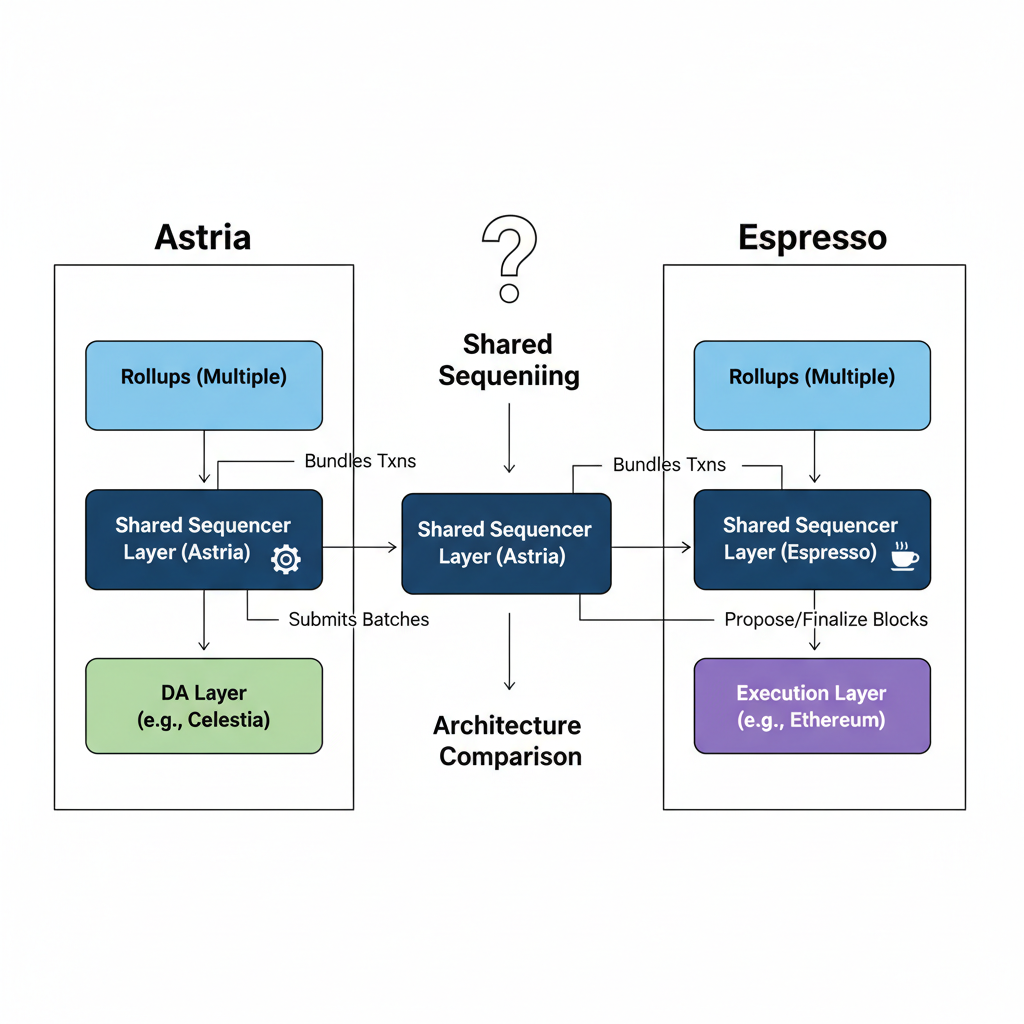
By early 2026, adoption signals a tipping point. Astria's mainnet, live since 2025, powers Celestia-backed rollups with 'lazy sequencing' - no state maintenance, just pure ordering scalability. Espresso Systems, post its Polygon AggLayer demo, auctions sequencing rights to tame MEV, blending HotShot consensus with modular DA layers. These innovations slash cross-rollup settlement times from minutes to seconds, vital for DEX traders chasing fleeting opportunities.
Consider the stakes: without shared sequencers, DEXs grapple with fragmented liquidity pools, where a swap on Optimism might fail atomicity with Arbitrum. Developer guide L2 settlement demands tools that enforce serializable execution, as CRATE protocol outlines with its four-round L1 finality. Rollup projects ignoring this risk obsolescence amid app-specific Layer 3s proliferating per MEXC forecasts.
Dissecting Leading Shared Sequencer Implementations
Astria stands out for its Cosmos roots and horizontal scaling; new rollups plug in effortlessly. Espresso counters with privacy heritage and MEV marketplaces, proven in zk-rollup pilots. Rome Protocol harnesses Solana's throughput via smart contracts for atomic composability, while Compose Network's Shared Publisher decouples sequencing from publishing, granting rollups autonomy yet synchronized execution.
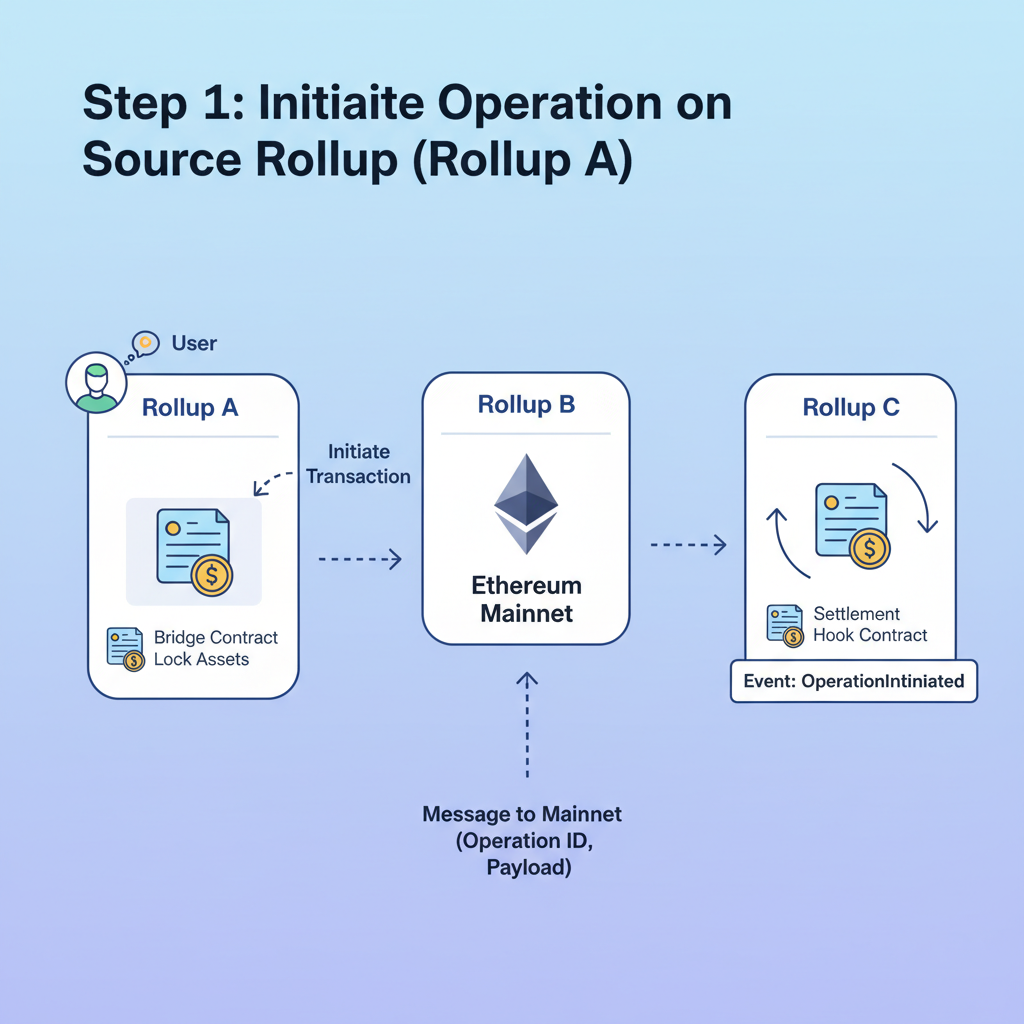
These models converge on rollup-agnostic designs, sidestepping censorship via decentralized operator sets. For cross-rollup DEX integration, they enable intents like "swap ETH on Rollup A for USDC on Rollup B" to execute atomically, minimizing slippage and front-running. RollupSettle. com harnesses similar tech, empowering liquidity providers with unified order books across ecosystems.
Developer Strategies for Seamless Integration
Integrating shared sequencers starts with selecting a provider aligned to your stack. For OP Stack users, solutions enabling atomic cross-rollup trades streamline the process; check this analysis. zk-Rollup projects, topping 2026 lists, benefit from Espresso's modular plugs.
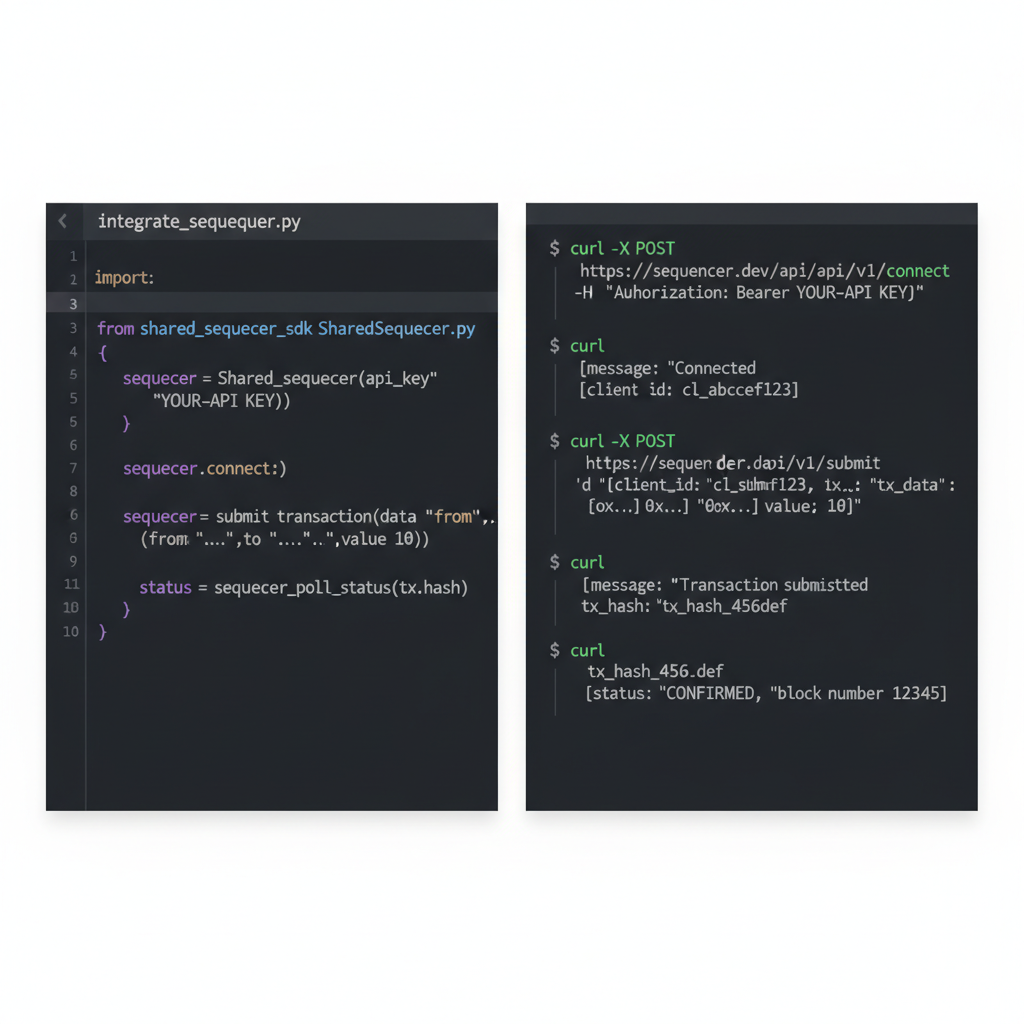
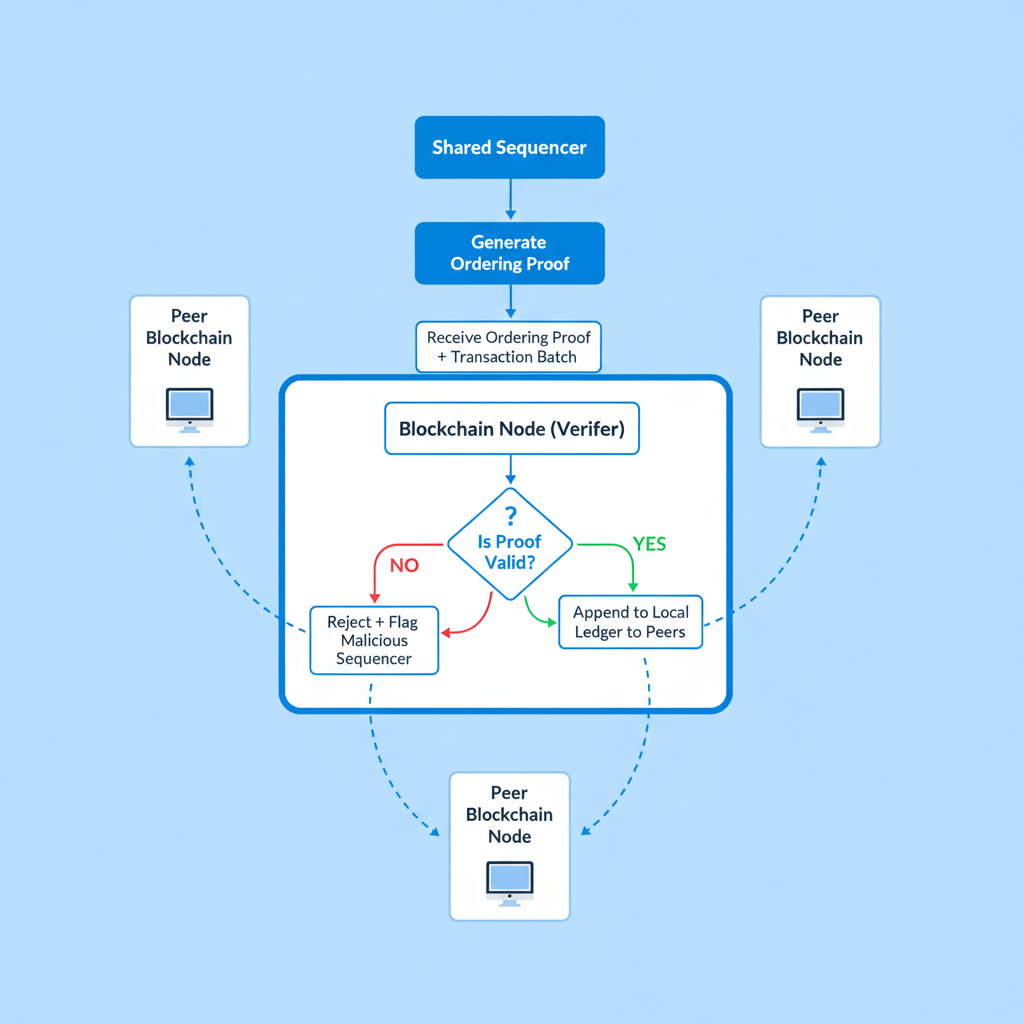
Practical steps involve submitting transactions to the sequencer endpoint, verifying ordered inclusion via proofs, and handling fallbacks for liveness faults. Reya's success as a based-rollup DEX underscores execution: institutional tools atop shared ordering yield sub-second fills. As shared sequencers mature, expect RaaS like Conduit to bundle them, accelerating deployment for ambitious rollup projects.
Yet execution demands precision. Developers must audit sequencer liveness assumptions, as lapses could cascade failures across chains. Tools from CRATE emphasize minimal trust, relying solely on L1 finality and L2 responsiveness. This rigor positions rollup projects shared sequencers as non-negotiable for sustainable growth.
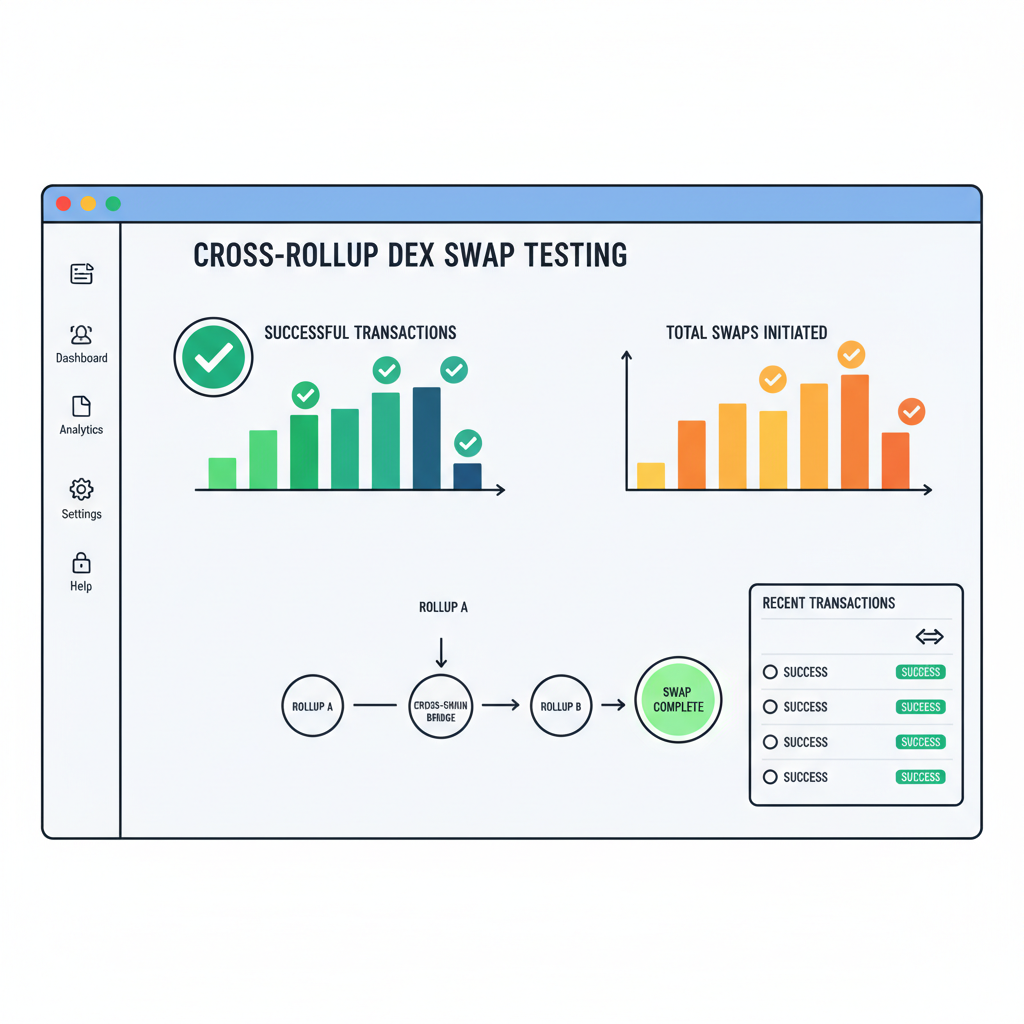
Master Cross-Rollup DEX: 5-Step Shared Sequencer Integration Guide
Overcoming Hurdles to Cross-Rollup DEX Integration
Despite momentum, pitfalls loom. Centralized sequencers invite censorship; even decentralized ones grapple with MEV extraction, where builders reorder for profit. Espresso's auction model innovates here, democratizing slots via bids, yet rollout lags per The Block's 2026 outlook. Adoption stalls at select zk-rollups, as teams weigh integration costs against fragmented liquidity's drag.
Solutions crystallize around hybrid governance: operator staking enforces honesty, slashing miscreants. Rome Protocol sidesteps via Solana's proven finality, dodging Ethereum's congestion. For DEXs, the calculus shifts - unified ordering unlocks deep liquidity, slashing slippage by 30-50% in simulations. RollupSettle. com's intents layer amplifies this, solvers competing for optimal fills across ecosystems.
Strategic rollup projects hedge by piloting dual-stack support: OP and zk variants. This flexibility courts liquidity providers wary of lock-in, fostering 2026 rollup interoperability as MEXC predicts app-chains owning their stacks.
Unlocking Liquidity Alpha Through Shared Sequencing
Portfolio managers like myself eye shared sequencers for alpha generation. In diversified DeFi allocations, cross-rollup DEX integration correlates with 2-3x liquidity efficiency gains. Reya's institutional playbook - based-rollups atop shared order flows - delivers fills rivaling CEXs, sans custody risks. Expect top ZK rollup projects to embed this, per blockchaintechs. io rankings.
Read how these dynamics reshape OP Stack ecosystems: Superchain Thesis analysis. Similarly, interoperability leaps forward, as detailed here.
Liquidity providers thrive with unified exposure: provide on Arbitrum, earn from Optimism deltas seamlessly. Traders exploit arbitrage sans bridge delays, intents resolving in blocks. RollupSettle. com pioneers this, its shared sequencer backbone ensuring MEV-neutral execution. Developer guide L2 settlement boils down to SDK adoption - endpoints for intent posting, proofs for verification.
By mid-2026, RaaS frontrunners like Alchemy and Conduit will standardize bundles, slashing bootstrap times. Projects forgoing this face silos, as dApps cascade to Layer 3s owning sequencers. The edge belongs to early integrators, blending intents with shared ordering for composable DeFi primitives.
Visionary teams deploy now, auditing via DEV Community's censorship resistance playbooks. Cube Exchange notes networks of sequencers mitigate single points, aligning with LimeChain's view of sequencers as rollup cores. Modexa's 10 models guide bets - from lazy to auctioned - fueling smoother UX.
Rollup projects embracing shared sequencers don't just scale; they orchestrate liquidity symphonies across L2s, positioning DEXs as DeFi's central hubs. Stake your chain's future on this coordination layer, and watch fragmented ecosystems converge into interoperable powerhouses.




No comments yet. Be the first to share your thoughts!