

In the sprawling DeFi ecosystem of 2026, liquidity providers face a relentless challenge: fragmentation across Layer 2 rollups. Capital sits idle in silos, arbitrage opportunities flicker and fade due to mismatched sequencing, and transaction latencies erode yields. Enter RollupSettle. com, the vanguard of cross-rollup settlement powered by shared sequencers. This platform reimagines how DeFi liquidity providers deploy assets, delivering intents-based execution that spans rollups with sub-second finality. No more bridging headaches or wrapped tokens; just seamless, low-cost liquidity unification.
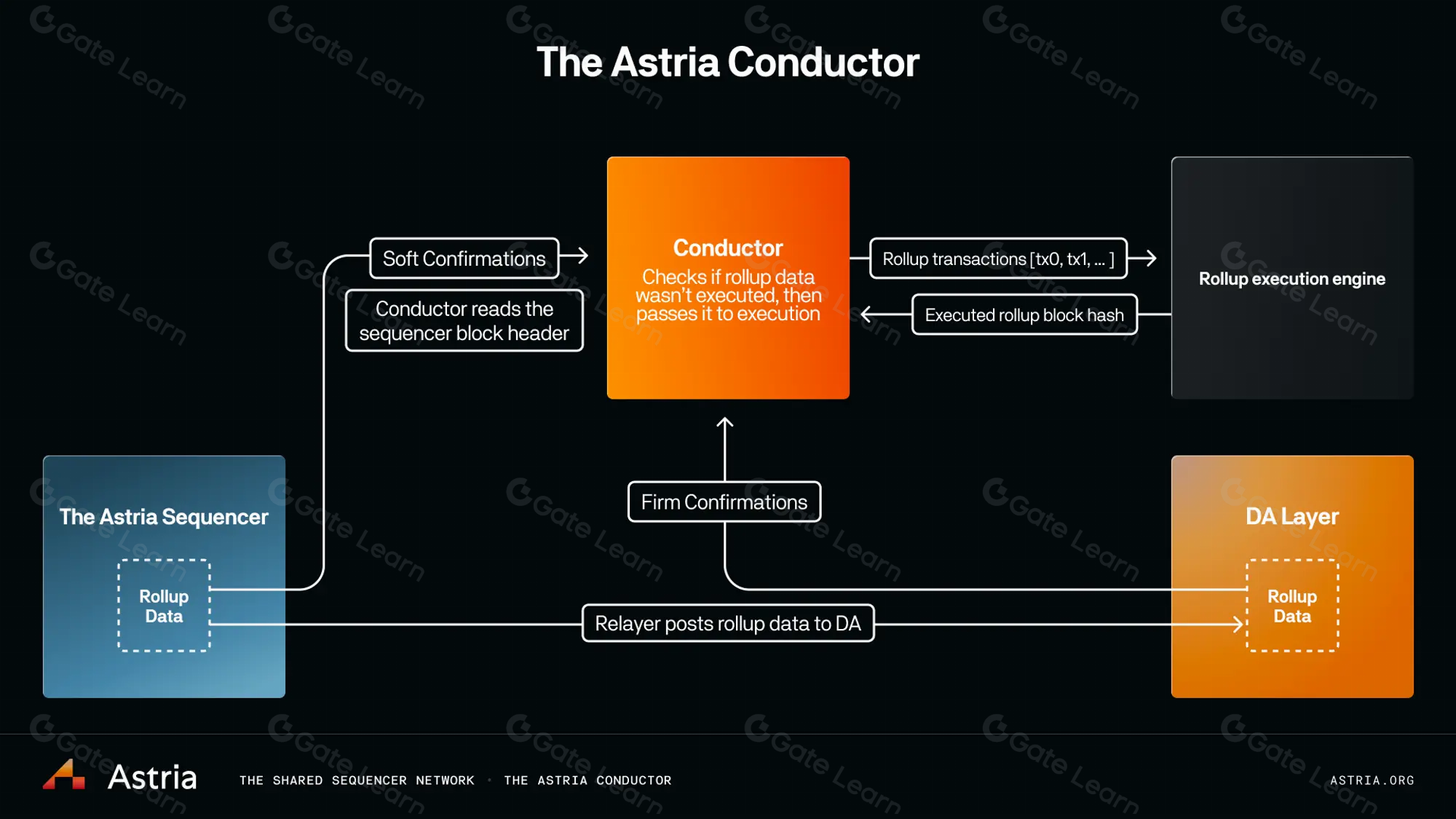
Shared sequencers form the backbone of this transformation. Unlike proprietary sequencers that lock rollups into isolated worlds, a shared sequencer acts as a decentralized orchestrator. It ingests transactions from multiple domains, like Optimism, Arbitrum, or zkSync, and orders them via consensus mechanisms. This fosters consistent global ordering, slashing the chaos of asynchronous blocks. Projects like Radius exemplify this, where rollups opting in capture profits from atomic cross-rollup arbitrage and liquidations. For shared sequencer LPs, it's a game-changer: diversified revenue streams beyond mere block production fees.
Why Shared Sequencers Eclipse Solo Sequencing
Centralized sequencers, while efficient for single rollups, breed vulnerabilities. They're cheaper and faster for providers, as noted in industry analyses, but they stifle interoperability. Cross-rollup transactions demand atomic settlement, guzzling resources and inviting delays. Shared models decentralize this, mitigating centralization risks and enabling rollup DEX yields through profit-sharing economics. Imagine liquidity providers earning from sequencer slots across ecosystems, not just one chain. Zeeve's insights highlight how this bolsters scalability, turning rollups into a cohesive network rather than a patchwork.
Top 5 Shared Sequencer Advantages
- 1. Reduced Latency: Shared sequencers provide unified transaction ordering across rollups, enabling low-latency cross-rollup settlement critical for DeFi liquidity providers on platforms like RollupSettle, minimizing delays in high-frequency trading and arbitrage.

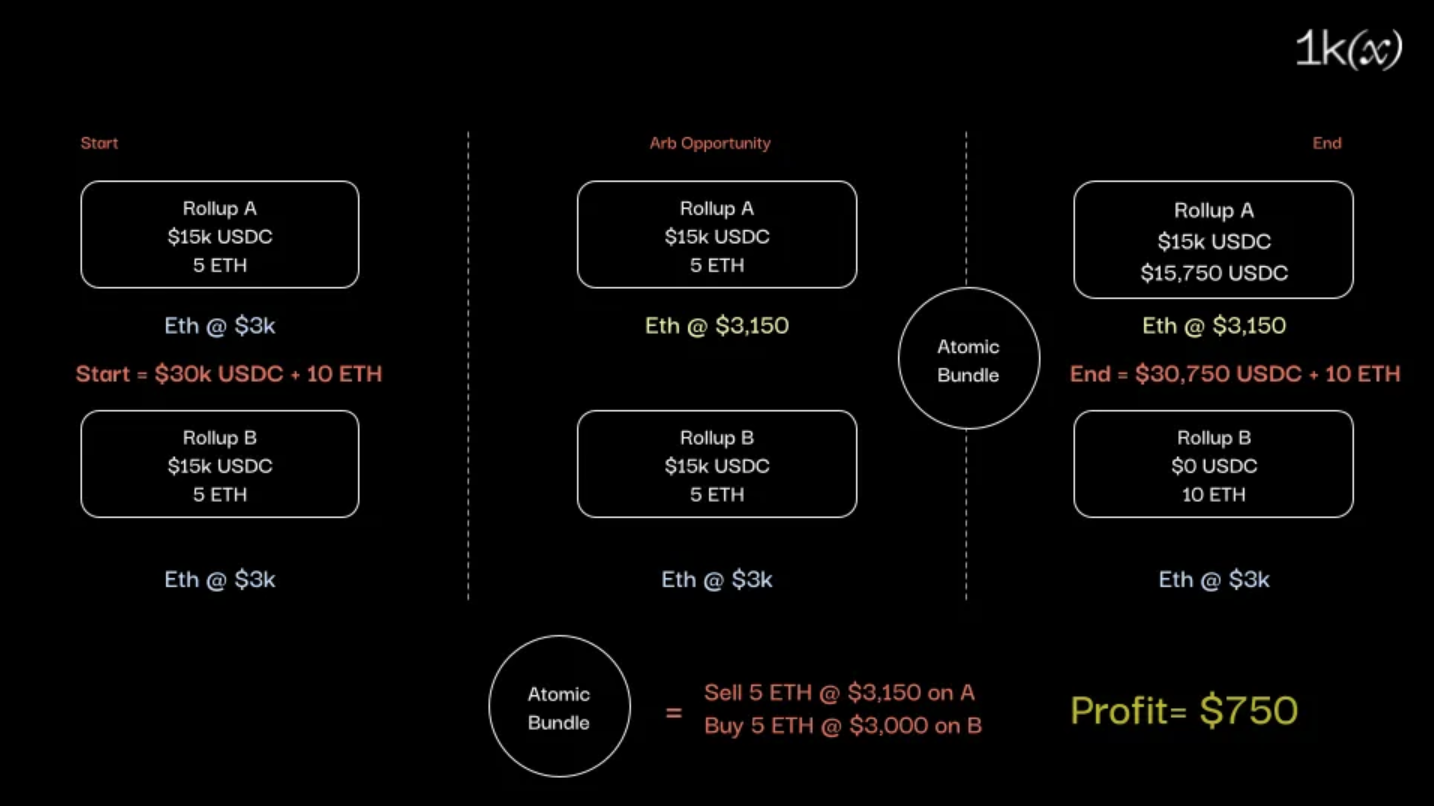
- 2. MEV Capture: Unlock cross-rollup MEV opportunities, such as non-atomic arbitrage and liquidations, allowing LPs to profit from atomic transactions across domains as seen in projects like Radius.

- 3. Yield Diversification: Access yields across multiple rollups without fragmentation, similar to River's satUSD expansion on Base and Arbitrum, boosting capital efficiency for LPs.
- 4. Interoperability: Facilitate trustless cross-rollup swaps and messaging via shared settlement, aligning with standards like UAT20 and LayerZero OFT for seamless liquidity unification.
- 5. Cost Efficiency: Shared infrastructure cuts sequencer costs compared to proprietary systems, enhancing profitability for LPs through efficient resource use and profit sharing.
The updated DeFi landscape amplifies this urgency. River's chain-abstraction stablecoin, satUSD, boasts over $729 million in TVL as of late 2025, spanning Base, Arbitrum, and BNB Chain via LayerZero's OFT standard. Yet, true unification lags. Academic strides like ASAS-BridgeAMM offer trust-minimized bridges with dynamic risk controls, while UAT20's CRDT-based tokens promise consistent states across rollups. ZigZag's zkSync DEX pushes ZK rollups for low-fee order books. RollupSettle synthesizes these, focusing on intents that solvers execute optimally across chains.
Navigating the Cross-Rollup MEV Frontier
MEV remains the elephant in the room. Cross-rollup MEV exploits non-atomic arbitrage, where searchers sandwich trades across disjoint sequences. ArXiv research quantifies billions in untapped value, but current silos lock it away. Shared sequencers solve this by enforcing unified ordering, allowing trustless swaps without external wrappers. 1kx describes shared settlement as creating in-protocol messaging, vital for liquidations and perps. For DeFi liquidity providers, this means protected positions and amplified rollup DEX yields from fair sequencing.

RollupSettle's low-latency edge shines here. Intents declare desired outcomes, like "swap USDC on Arbitrum for ETH on Base at best rate, " and the shared sequencer routes them atomically. Liquidity providers plug in via standardized pools, earning fees plus sequencer incentives. No more sequencer roulette, where resources evaporate on failed cross-chain states. This aligns with Paragraph's deep dive: atomic txs inherently demand shared infrastructure.
Empowering LPs with Intent-Centric Efficiency
Visionaries see shared sequencers as DeFi's unification bridge. Liquidity providers, once chained to single-rollup AMMs, now tap pan-rollup depth. RollupSettle minimizes slippage through solver competition, where MEV flows back as rebates. Gate. com's sequencer economics preview this: on-chain processes yield business models blending fees, tips, and staking. For LPs, it's compounded rollup DEX yields via diversified exposure.
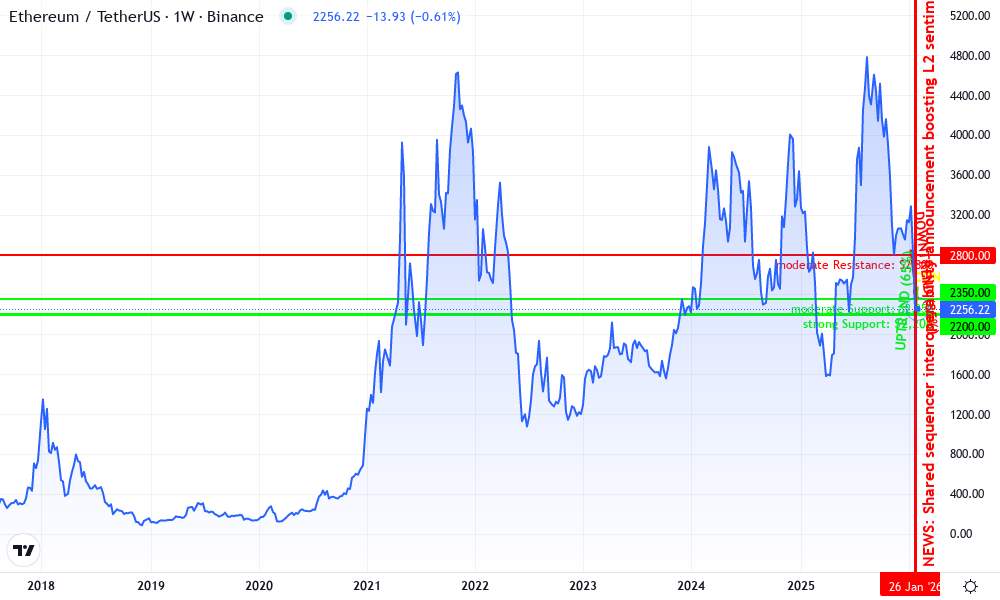
Ethereum Technical Analysis Chart
Analysis by Isabella Wilson | Symbol: BINANCE:ETHUSDT | Interval: 1W | Drawings: 7
Technical Analysis Summary
As Isabella Wilson, my hybrid analysis style blends precise TA markings with L2 scalability context. Start by drawing the dominant short-term downtrend line (trend_line tool) connecting the January 2026 high at 2026-01-15T00:00:00Z / $2,850 to the current low near 2026-02-04T12:00:00Z / $2,350, highlighting bearish pressure amid liquidity fragmentation. Add horizontal_lines for key support at $2,200 (strong) and $2,350 (moderate), and resistance at $2,500 (weak) and $2,800 (recent high). Use fib_retracement from the Jan high to current low for potential retracement levels (38.2% at ~$2,520). Mark consolidation range with rectangle from 2026-01-20T00:00:00Z / $2,400 to 2026-02-01T00:00:00Z / $2,450. Place callouts on declining volume ('Volume drying up on downside suggests exhaustion') and MACD bearish crossover (arrow_mark_down at 2026-01-25). Vertical_line for shared sequencer news event on 2026-02-01. Long entry zone at $2,350 with stop below $2,200 using long_position and order_line.
Risk Assessment: medium
Analysis: Short-term bearish TA but fundamentals from RollupSettle / UAT20 suggest rebound; medium tolerance aligns with waiting for confirmation
Isabella Wilson's Recommendation: Scale in longs at support, target $2,800—shared sequencers will unify this fragmented rally
Key Support & Resistance Levels
📈 Support Levels:
- $2,350 - Recent swing low with volume cluster, moderate hold moderate
- $2,200 - Psych + prior consolidation base, aligns with L2 dip-buy zones strong
📉 Resistance Levels:
- $2,500 - Immediate overhead from early Feb rejection weak
- $2,800 - January high, fib 61.8% retrace target moderate
Trading Zones (medium risk tolerance)
🎯 Entry Zones:
- $2,350 - Bounce from moderate support + declining volume exhaustion, medium risk for hybrid scalpers medium risk
- $2,280 - Deeper entry on breakdown retest, higher reward if sequencers news catalyzes high risk
🚪 Exit Zones:
- $2,800 - Profit target at prior high / fib extension 💰 profit target
- $2,180 - Stop loss below strong support to limit downside 🛡️ stop loss
Technical Indicators Analysis
📊 Volume Analysis:
Pattern: Declining on downside, increasing on ups
Bearish volume divergence signals potential reversal as selling exhausts—ties to DeFi liquidity pause
📈 MACD Analysis:
Signal: Bearish crossover with weakening momentum
MACD line below signal since late Jan, but histogram contracting—watch for bull div
Applied TradingView Drawing Utilities
This chart analysis utilizes the following professional drawing tools:
Disclaimer: This technical analysis by Isabella Wilson is for educational purposes only and should not be considered as financial advice. Trading involves risk, and you should always do your own research before making investment decisions. Past performance does not guarantee future results. The analysis reflects the author's personal methodology and risk tolerance (medium).
Cube Exchange demystifies sequencers' role: decentralized networks enhance consistency, curbing centralization. Bridget Harris's primer spotlights Radius profits from cross-rollup txs. RollupSettle operationalizes this for everyday providers, blending tech with market savvy. As fragmentation fades, capital efficiency soars, positioning LPs at DeFi's forefront.




No comments yet. Be the first to share your thoughts!