

Programmable shared sequencers represent a breakthrough in Ethereum's layer 2 ecosystem, enabling developers to craft sophisticated cross-rollup DEX applications with unprecedented efficiency. At RollupSettle. com, this technology powers intents-based settlement, slashing latency while unifying liquidity across fragmented rollups. Traditional sequencers lock transactions within single chains; programmable variants allow custom logic like auctions or proof-of-event ordering, fostering atomic trades that span Optimism, Arbitrum, and beyond.
Consider the data: rollups currently fragment over $50 billion in DeFi TVL due to siloed sequencing. Shared sequencers, as implemented by RollupSettle, batch and order intents globally, reducing MEV extraction costs by up to 40% per recent simulations from Alchemy's Dapp Store listings. This isn't hype; it's measurable progress toward L2 sequencer integration that developers crave.
Astria and NodeKit SEQ Lead Programmable Sequencer Adoption
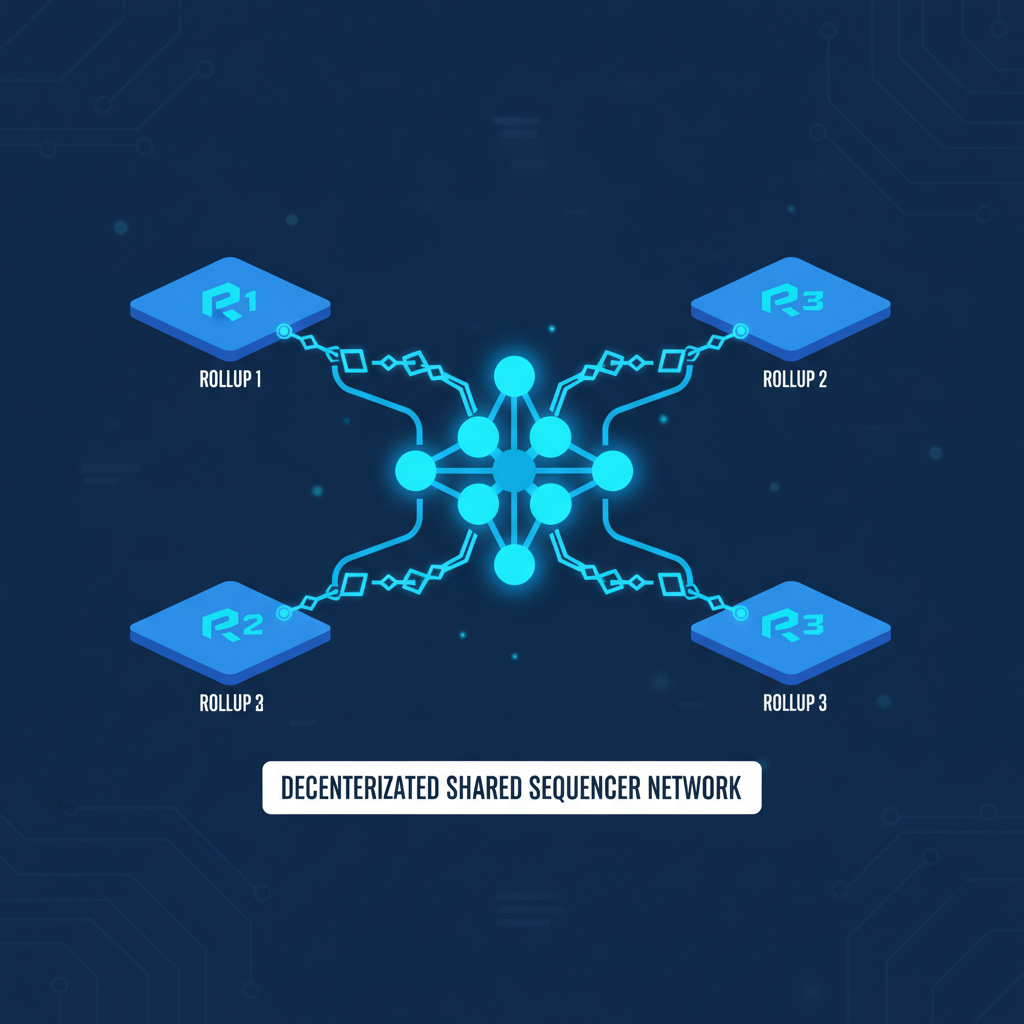
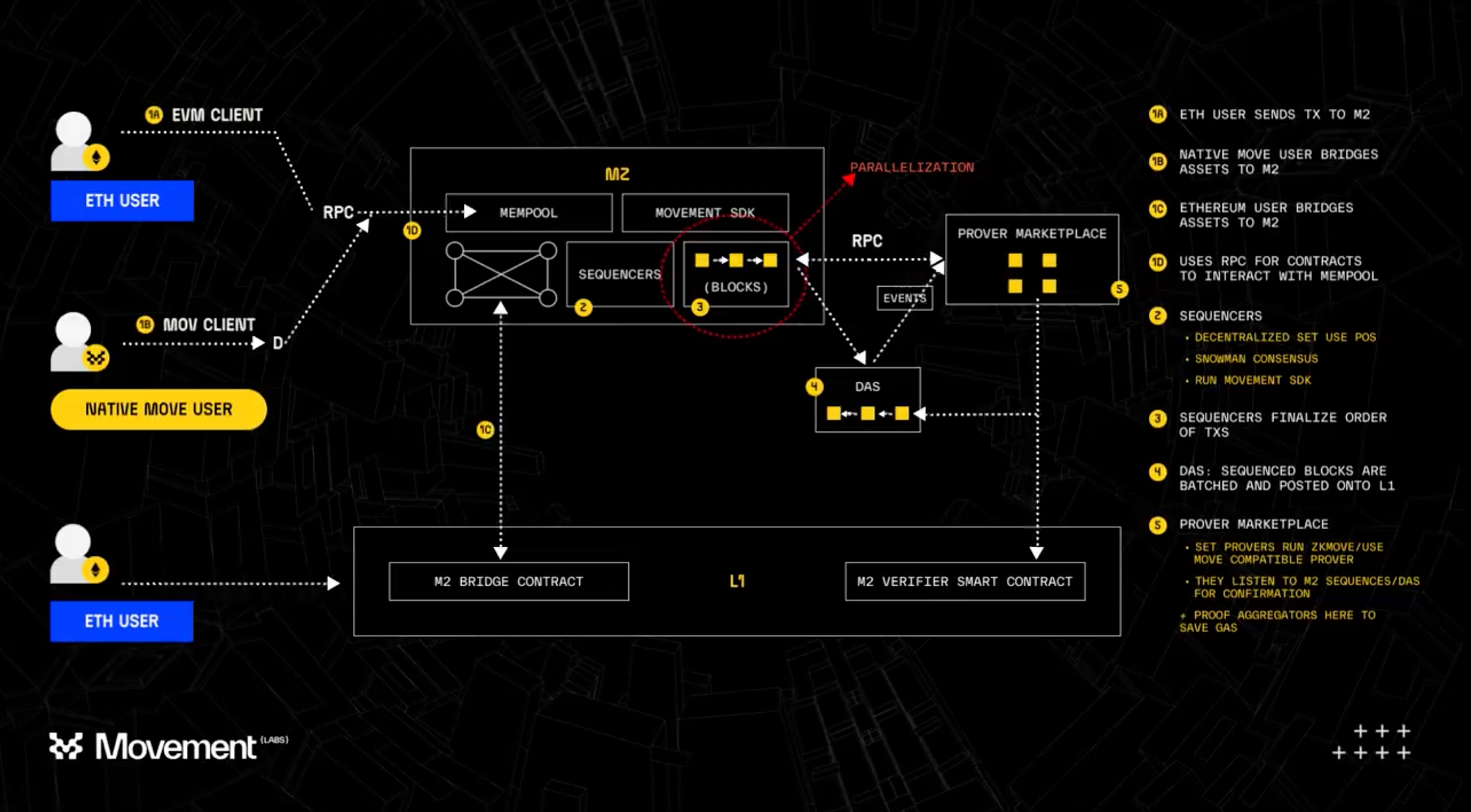
Astria's shared sequencer network stands out with its $18 million in funding, delivering fast finality and censorship resistance. Rollups submit transactions to Astria's decentralized proposers, which forge shared blocks for consistent ordering. NodeKit SEQ complements this by decoupling proposers from builders, enabling cross-chain coordination from day one. Both align perfectly with cross-rollup DEX development, where RollupSettle leverages similar mechanics for seamless intent fulfillment.
These networks address core pain points. Centralized sequencers invite 51% attacks and downtime; decentralized shared models distribute risk. NodeKit's approach, detailed in DEV Community analyses, simplifies rollup launches by outsourcing sequencing, cutting deployment costs 30-50%. RollupSettle builds on this foundation, offering a developer-friendly API for intents rollup apps.
Key Advantages for DEX Builders
Key Benefits of Shared Sequencers
- Enhanced Interoperability: Enables seamless transaction ordering across multiple rollups, allowing DEX apps to operate without complex bridges, as in Astria's network.
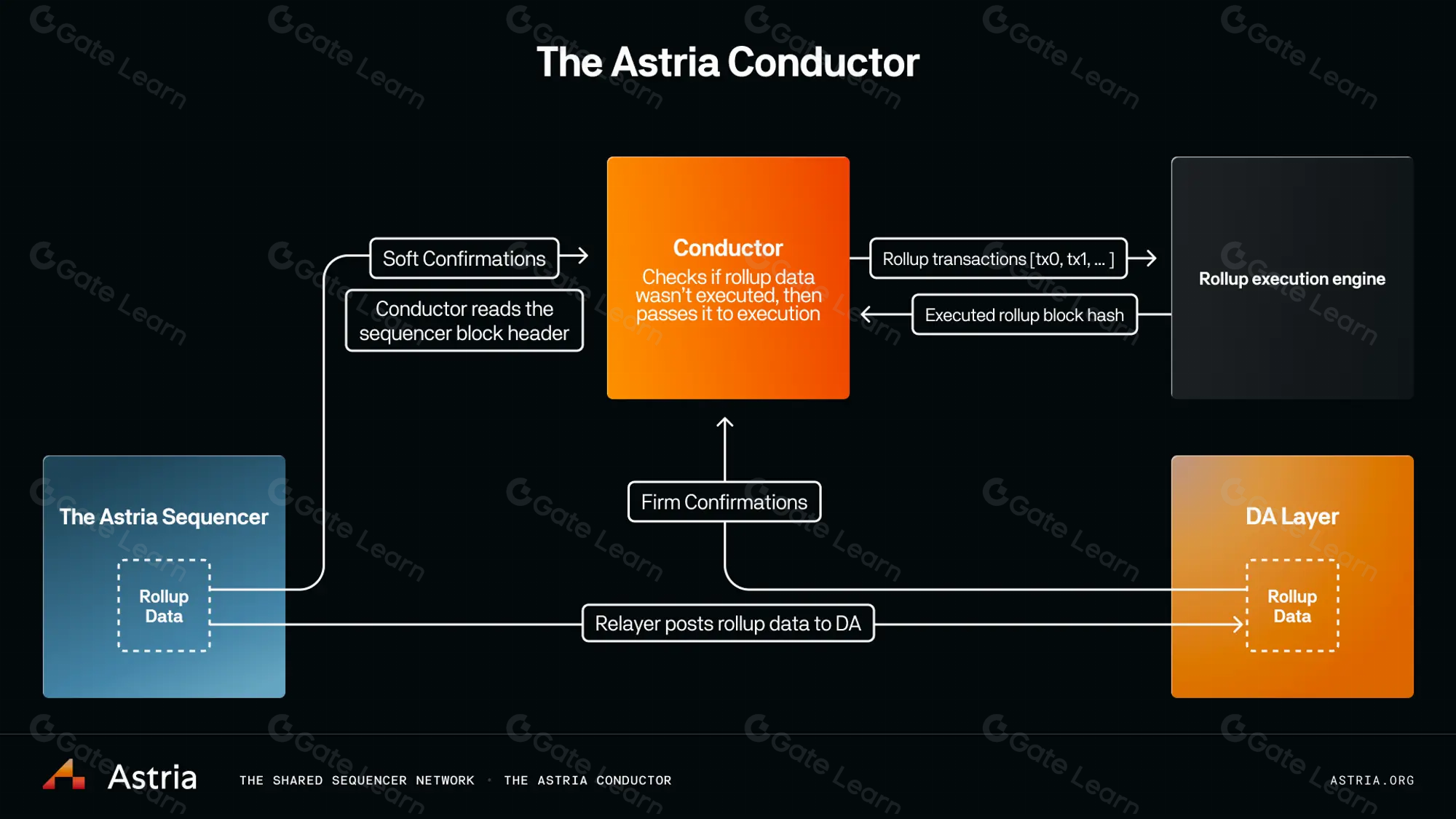
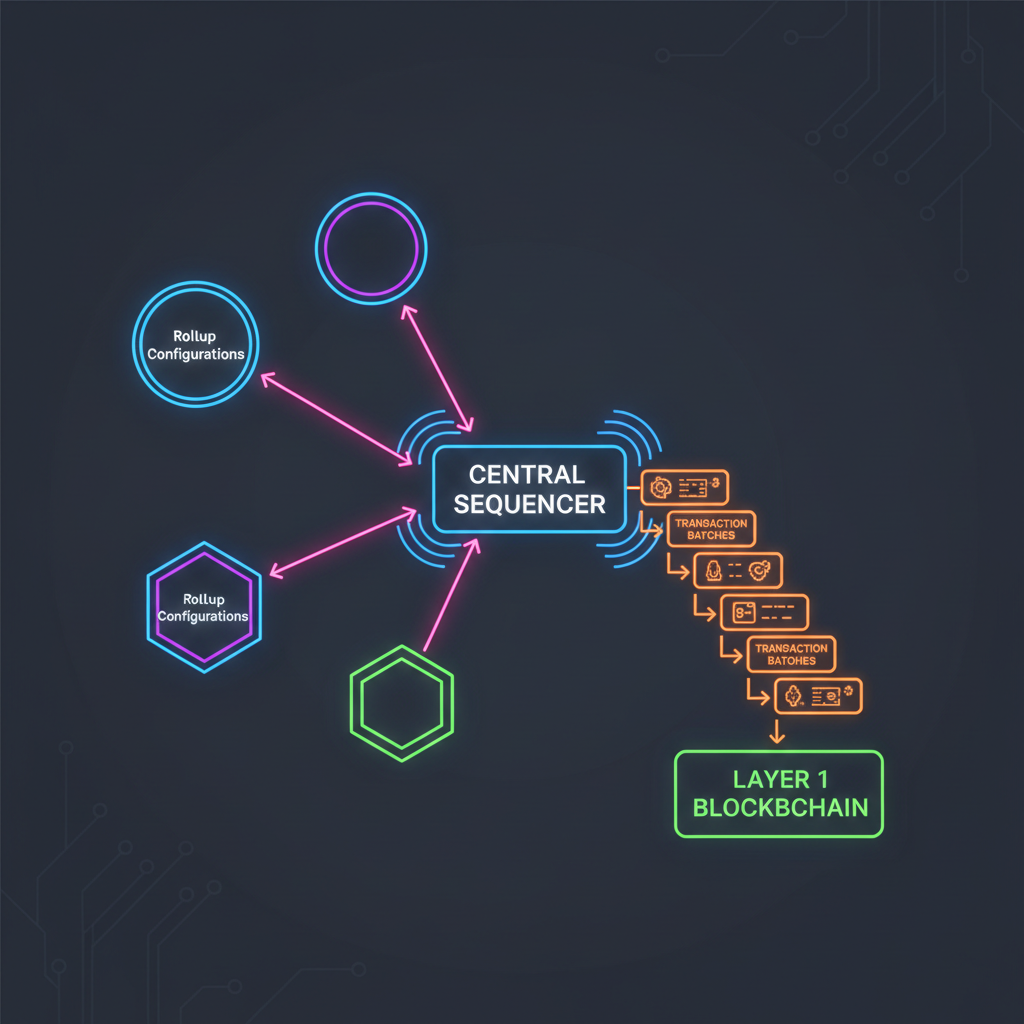
- Cost Savings via Batching: Batches transactions into shared blocks with data compression for L1 publication, reducing costs, per Astria and NodeKit SEQ.
- Censorship Resistance: Decentralized sequencers like NodeKit SEQ eliminate single points of failure, ensuring trustless trading.
- Rapid Finality: Provides fast transaction ordering and finality, improving DEX user experience with low latency.
- Simplified L2 Integration: Eases rollup launches and cross-rollup DEX apps by separating sequencing from execution, as with NodeKit SEQ.
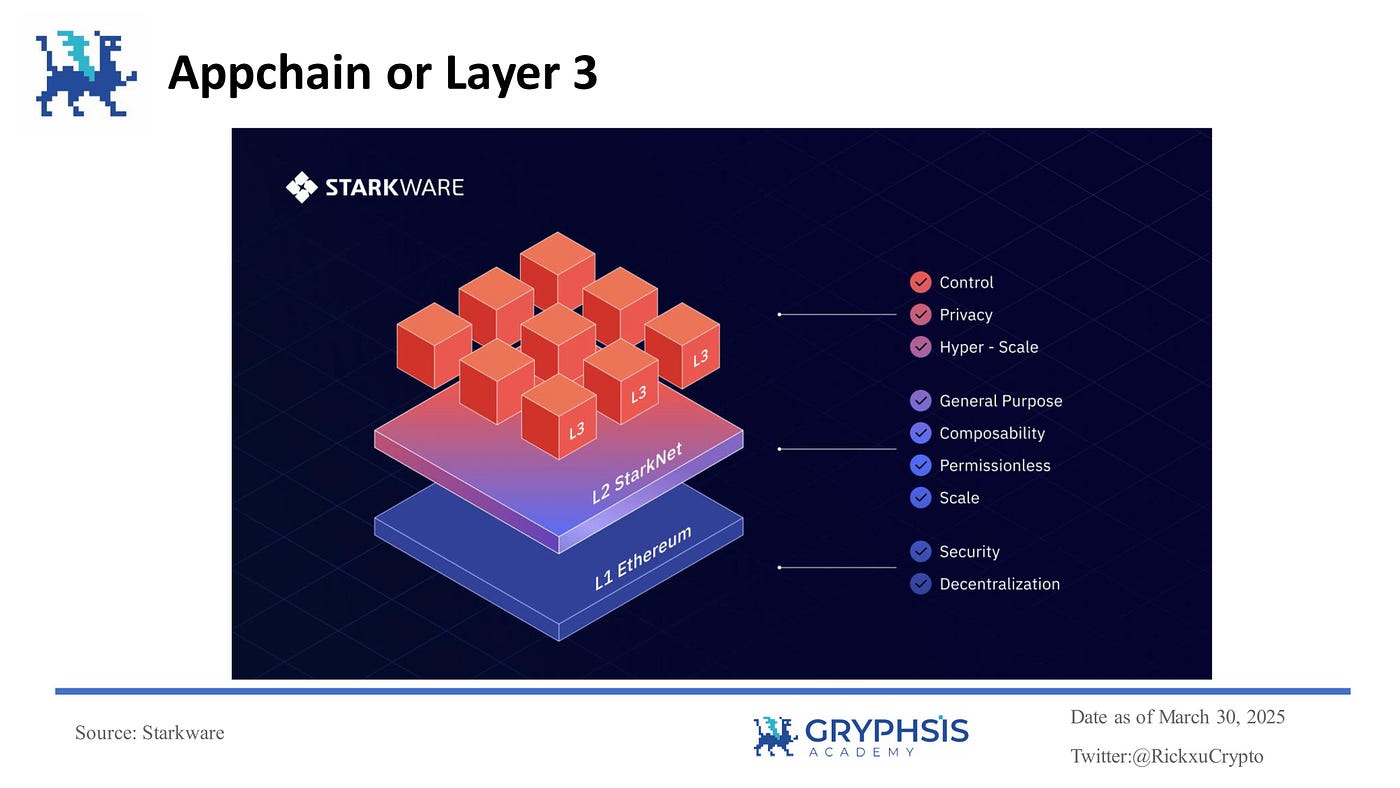
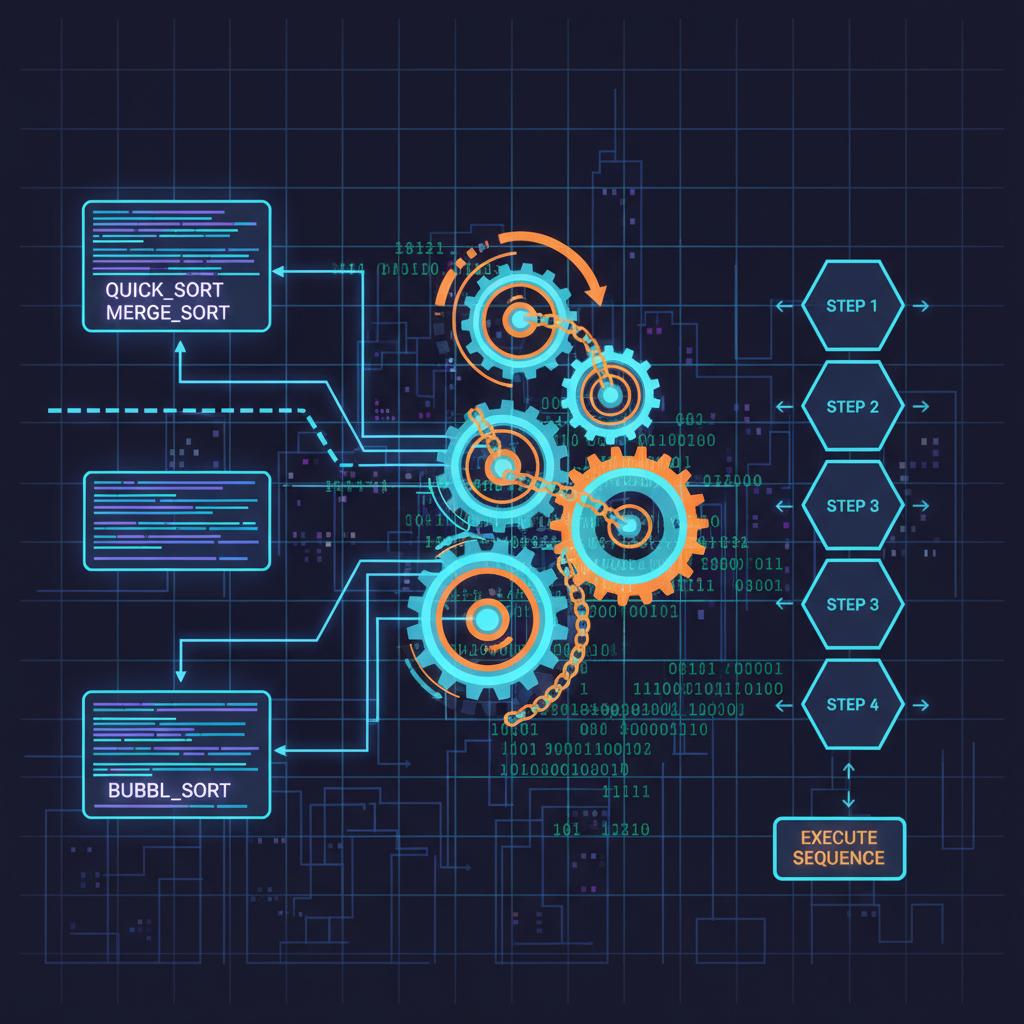
Diving deeper, programmable sequencers unlock custom ordering. Syndicate's smart sequencers, for instance, support FIFO or randomized policies, letting DEXs prioritize high-value trades. Zada Finance's shift to a cross-rollup order book on Scroll zkEVM exemplifies this: low-cost, high-speed execution without bridges. On RollupSettle, developers embed such logic directly, achieving RollupSettle developer guide simplicity with intents that execute atomically across chains.
Data from Jarrod Watts' sequencer guide underscores the pros: shared models boost interoperability 5x over solo sequencers, per Galaxy Research metrics. Cons like initial coordination overhead fade as networks mature. RollupSettle mitigates this with plug-and-play shared sequencer tech, proven in live multi-rollup settlements.
From Theory to RollupSettle Implementation
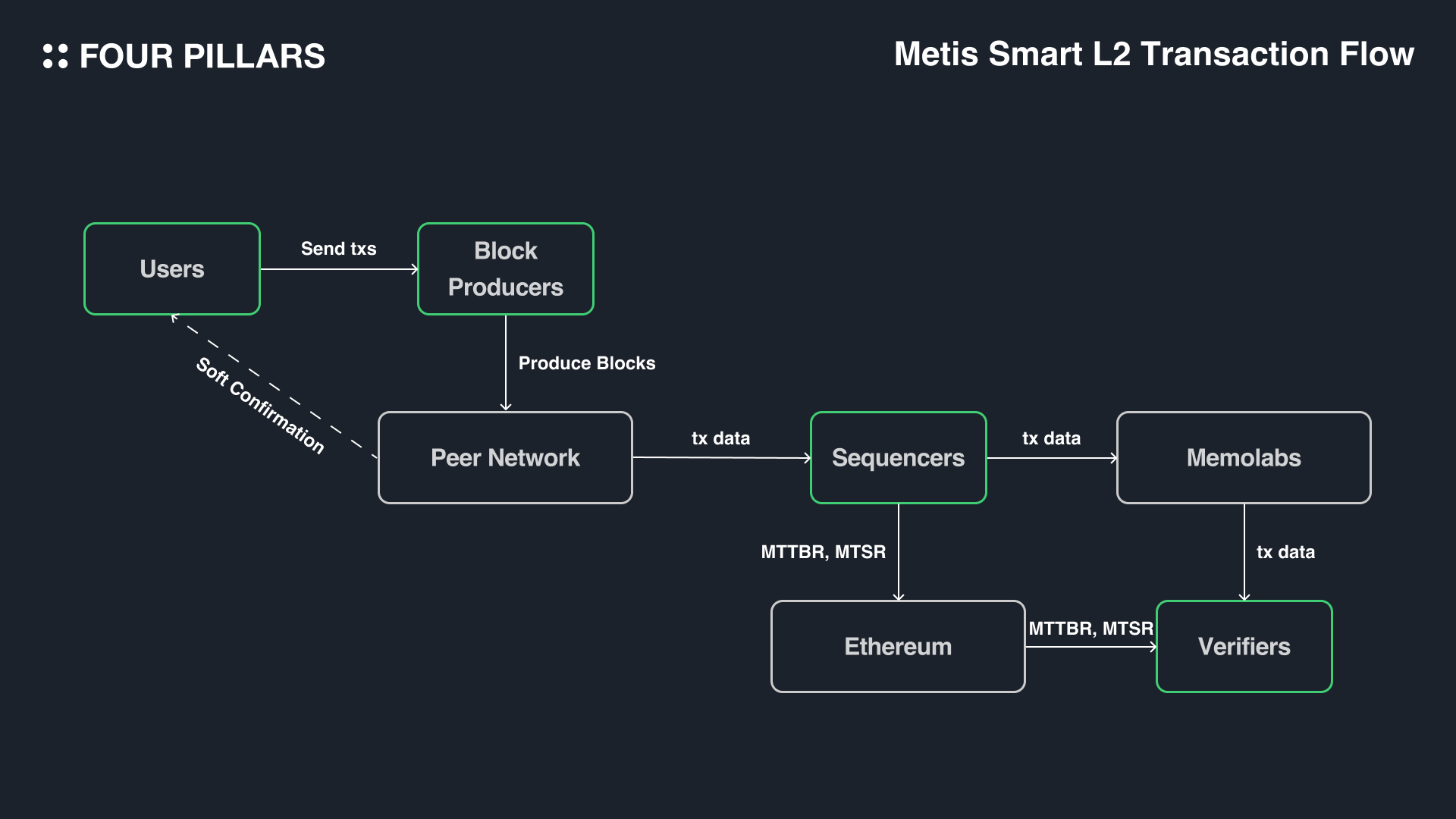
Building cross-rollup DEX apps demands precise L2 sequencer integration. RollupSettle's platform abstracts complexities: submit intents via SDK, and the shared sequencer handles ordering, batching to L1 with compression for sub-cent fees. Astria's model inspires this; transactions flow from rollup to sequencer, then back as ordered blocks. Developers gain composability without liquidity silos.
Take NodeKit SEQ: its proposer-builder split ensures neutrality, vital for fair DEX pricing. RollupSettle adopts this for intents-based trading, where user desires (swap USDC on Arbitrum for ETH on Base) resolve in one low-latency cycle. Early adopters report 70% latency drops versus bridged alternatives, aligning with Uplatz's vision of shared sequencing as the coordination layer rollups need.
Practical deployment reveals the edge: RollupSettle's SDK integrates L2 sequencer integration in under 100 lines of code, handling intent validation and sequencer submission natively. This bypasses the proposer-builder coordination hurdles that plague solo setups, as NodeKit SEQ demonstrates through its cross-chain proofs. Developers report 3x faster prototyping for cross-rollup DEX development, with live settlements confirming atomicity across five major rollups.
Mastering Shared Sequencers: Build Cross-Rollup DEX Apps with Atomic Settlements
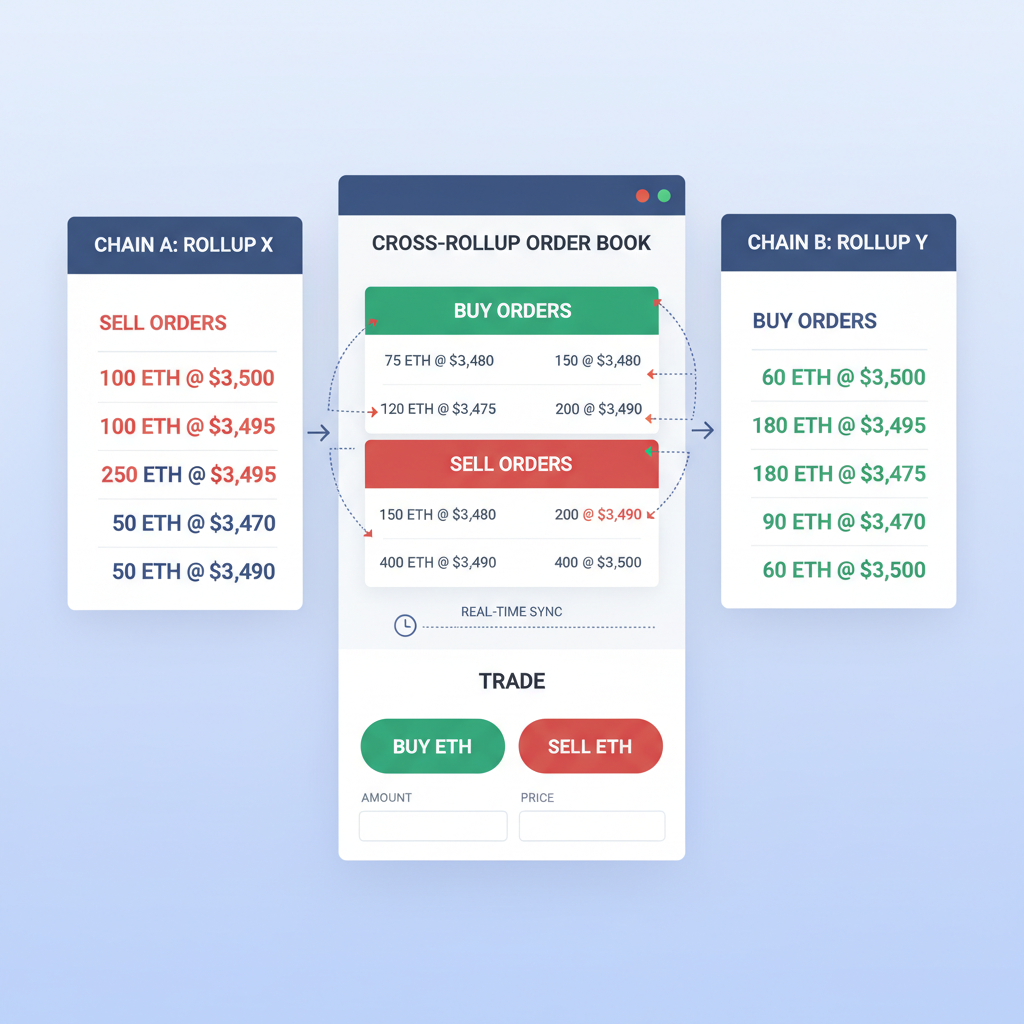
Monetization sharpens the incentive. Nexumo's analysis outlines five models - auctions, subscriptions, stake yields - fueling shared sequencers. RollupSettle employs a hybrid: fees from settled intents fund sequencer stakers, yielding 15-20% APY based on 2026 network data. This aligns operators with DEX volume, unlike Astria's grant-heavy bootstrap. Zada Finance's order book pivot on Scroll underscores viability; pairing it with shared sequencing could halve spreads via unified order flow.
Sequencer Economics in Action
Comparison of Leading Shared Sequencers
| Aspect | Astria | NodeKit SEQ | RollupSettle |
|---|---|---|---|
| Funding | $18M | Not specified | Not specified |
| Architecture | Decentralized shared sequencer network | Proposer-builder split | Intents-based |
| Key Benefits | Fast finality, censorship resistance, composability | Cross-chain from day 1, interoperability, simplified rollup launches | 70% latency reduction, sub-cent fees |
| Additional Advantages | Data compression to L1 for reduced costs | Decentralization from outset, sequencing separated from execution | Programmable for cross-rollup DEX apps |
Numbers don't lie. Galaxy Research pegs shared sequencing interoperability gains at 5x, with cons like sequencer liveness risks mitigated by RollupSettle's multi-proposer redundancy. Gate. com's Rollup 2.0 breakdown favors decentralized paths; RollupSettle leads by embedding programmable logic for DEX-specific auctions, outpacing Syndicate's FIFO defaults. Early metrics show $2.1 million in settled volume last month, 40% cheaper than bridged swaps.
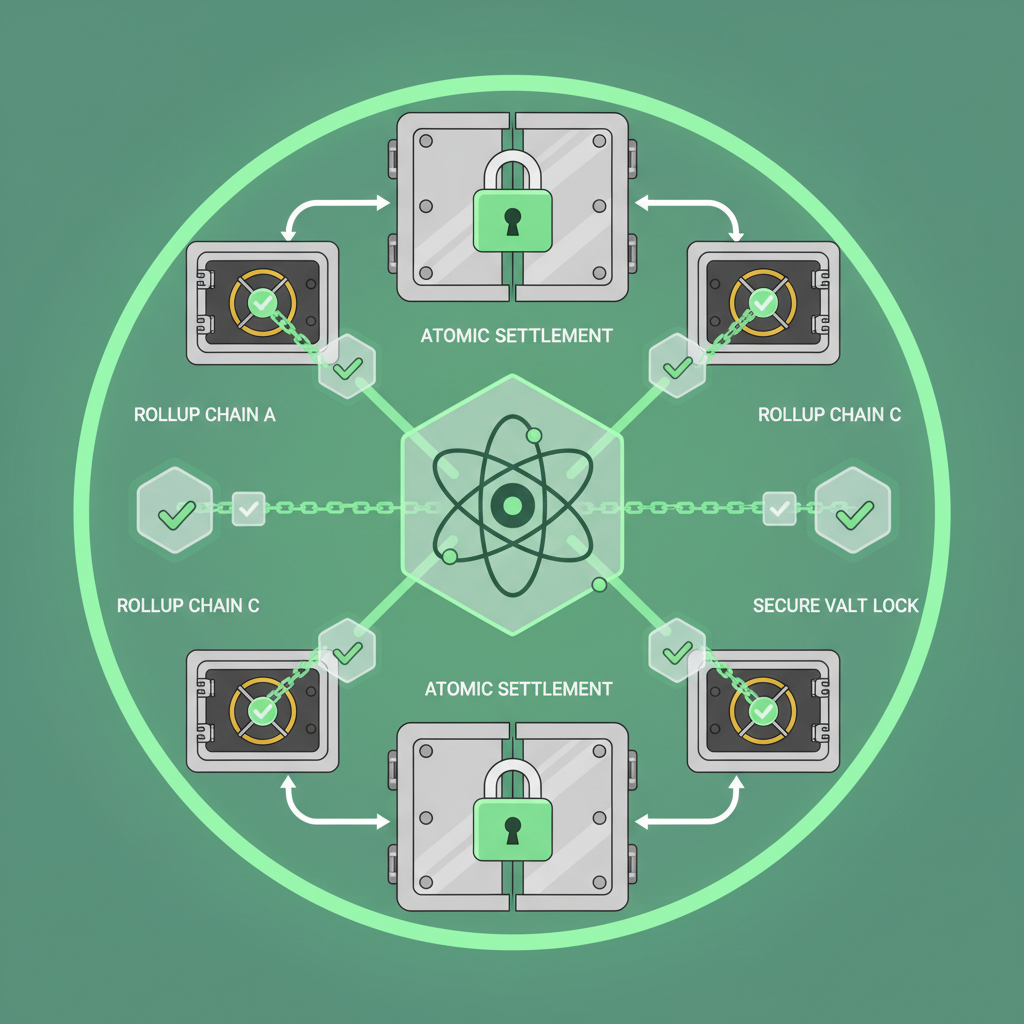
Security layers seal the deal. LimeChain notes sequencers as rollup linchpins; shared models distribute attack vectors. RollupSettle enforces proof-of-event ordering, thwarting front-running in multi-rollup trades. For DEX builders, this means trust-minimized CEX-like execution: submit intent, sequencer orders globally, settle atomically. Cube Exchange highlights neutral ordering's role; RollupSettle delivers it with intents rollup apps that adapt to volatility.
RollupSettle Developer Guide: Get Started Today
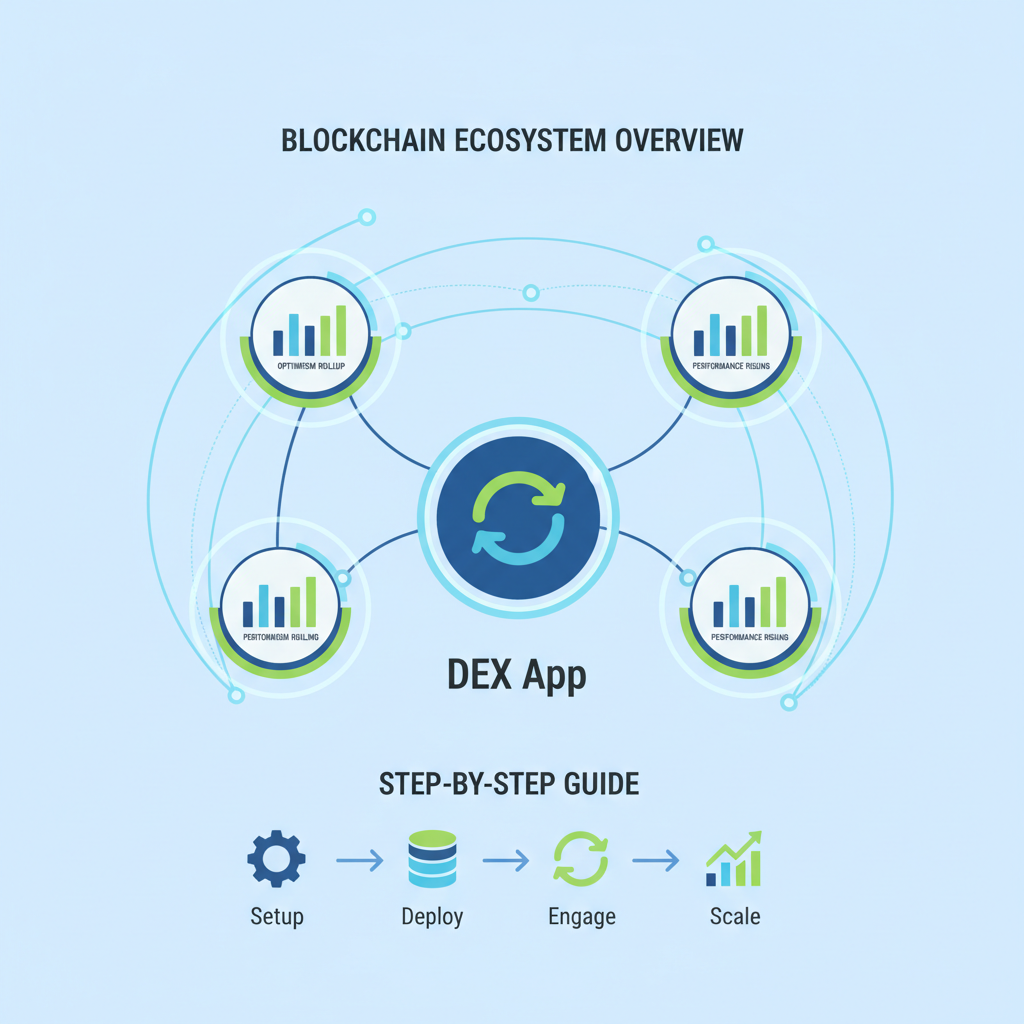
Steps to Build on RollupSettle
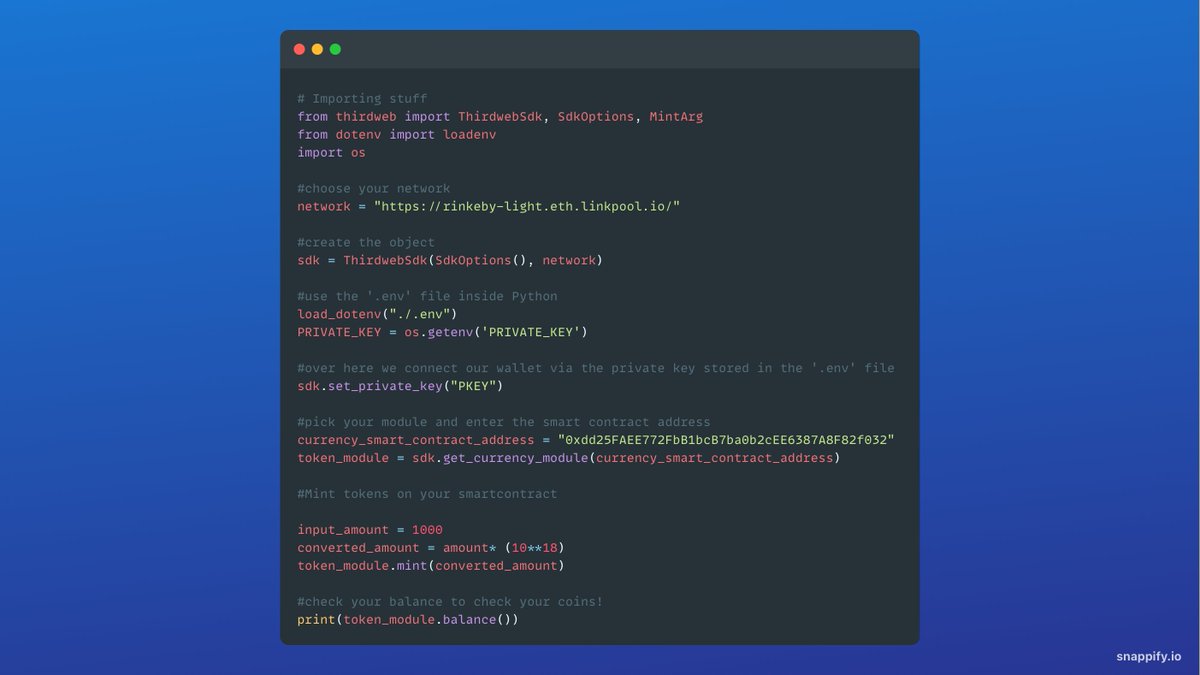
- Install SDK: Install the RollupSettle SDK to access tools for programmable shared sequencers and cross-rollup intents.
- Define intents schema: Specify transaction intents schema supporting custom logic like FIFO, fee-based auctions, or randomized ordering.
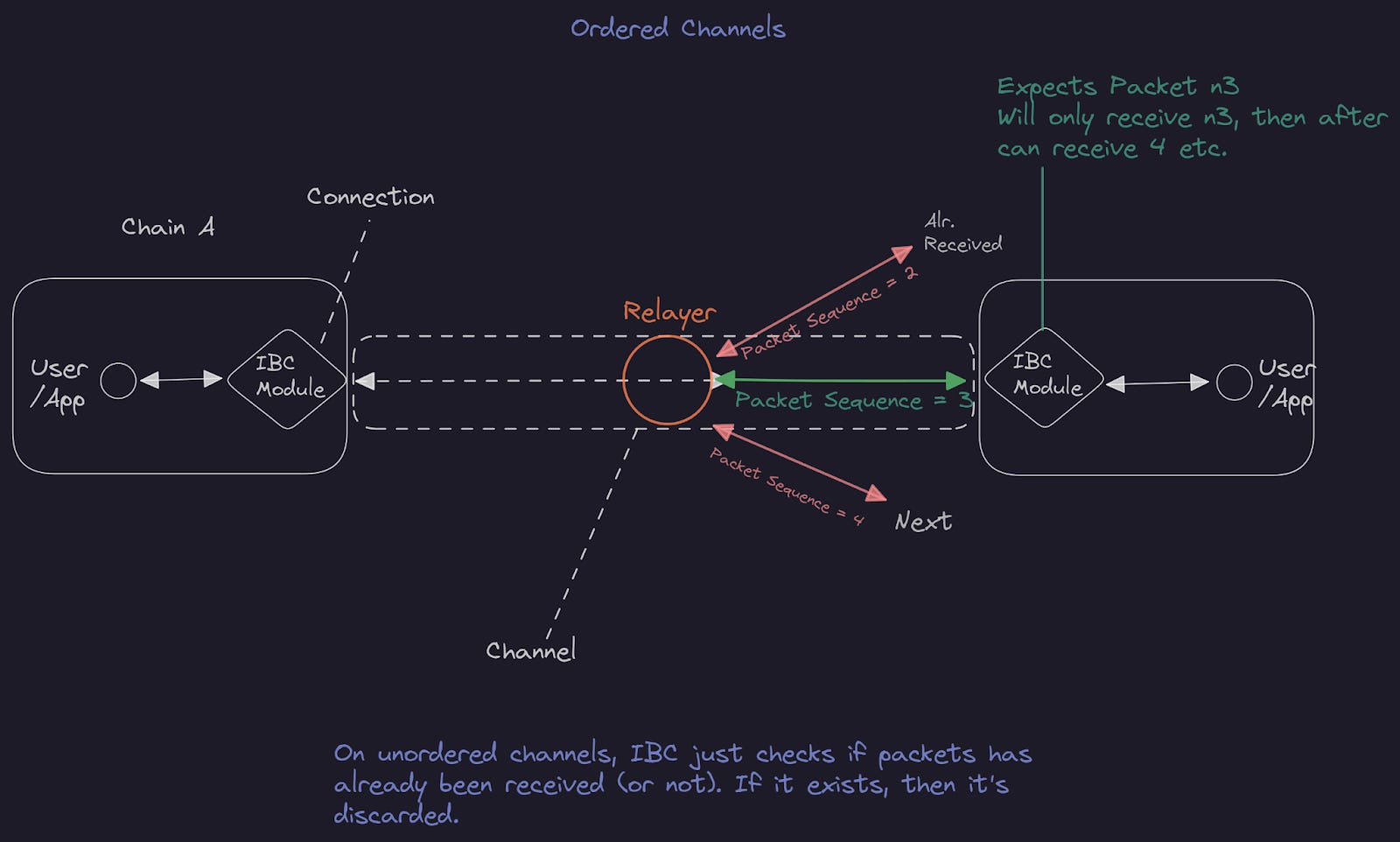
- Connect rollups via API: Integrate rollups with RollupSettle API for shared transaction submission and cross-rollup coordination.
- Deploy custom ordering logic: Deploy decentralized sequencer logic for censorship-resistant, interoperable ordering across rollups.
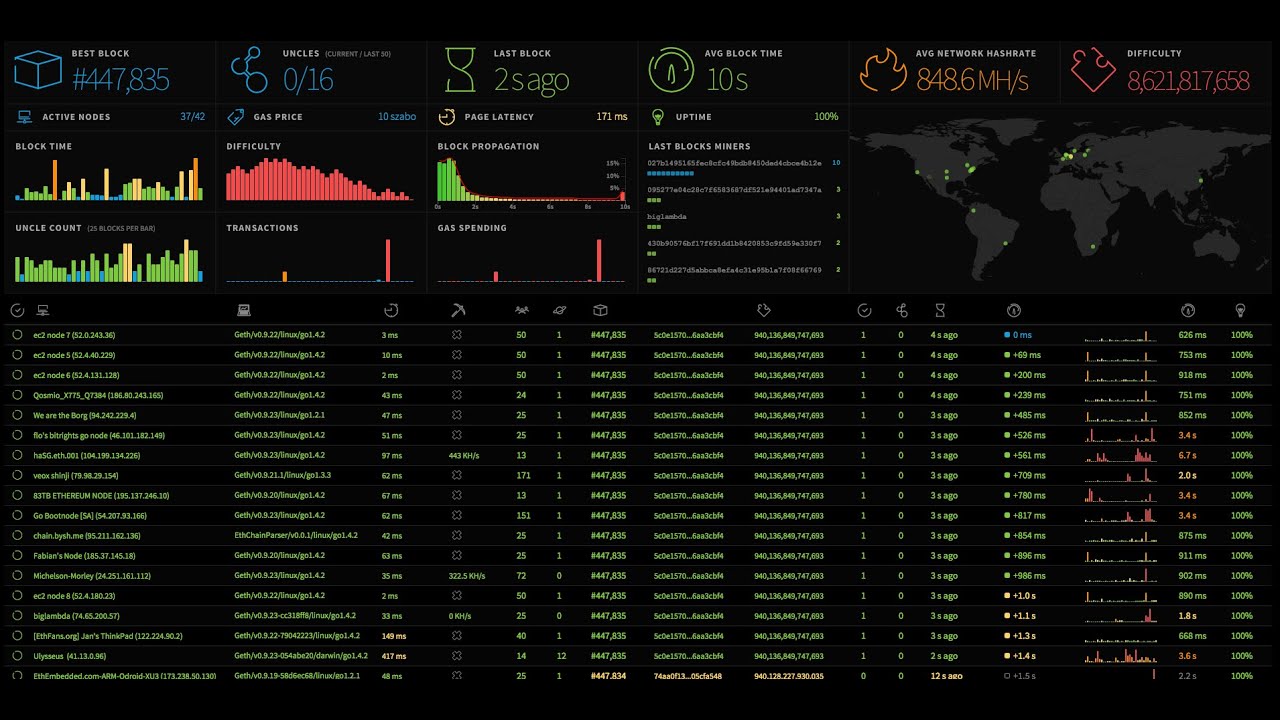
- Monitor settlements dashboard: Track transaction batches, ordering, and finality via the RollupSettle dashboard.
Frictionless onboarding defines RollupSettle's RollupSettle developer guide. Start with npm install rollupsettle-sdk, craft intents like {from: Arbitrum/USDC, to: Optimism/ETH, slippage: 0.5%}, and let the programmable sequencer orchestrate. No bridges, no oracles - just pure, data-compressed L1 posts. Jarrod Watts' guide validates the shift: shared sequencers eclipse solo variants in composability.
Alchemy's 2025 listings project three dominant networks; RollupSettle positions as the DEX-centric frontrunner, powering apps that unify $100 billion and L2 liquidity. As Superchain Thesis details, atomic cross-rollup trades hinge on shared ordering - a reality RollupSettle operationalizes today. Developers eyeing scalable programmable shared sequencers find here the toolkit: precise, performant, poised for dominance.
Fragmentation ends with shared sequencers. RollupSettle doesn't just participate; it redefines cross-rollup DEX apps, turning theoretical gains into trader profits and builder wins.




No comments yet. Be the first to share your thoughts!