

DeFi traders navigating Ethereum's Layer 2 rollups often encounter a harsh reality: liquidity scattered across isolated ecosystems. This L2 fragmentation stifles efficient trading, inflating slippage on DEXs and opening doors to relentless arbitrage bots. Shared sequencers promise a fix by providing unified transaction ordering across rollups, enabling cross-rollup settlement that feels native. Platforms like RollupSettle. com harness this technology through intents-based execution, delivering low-latency trades without the usual cross-chain headaches.
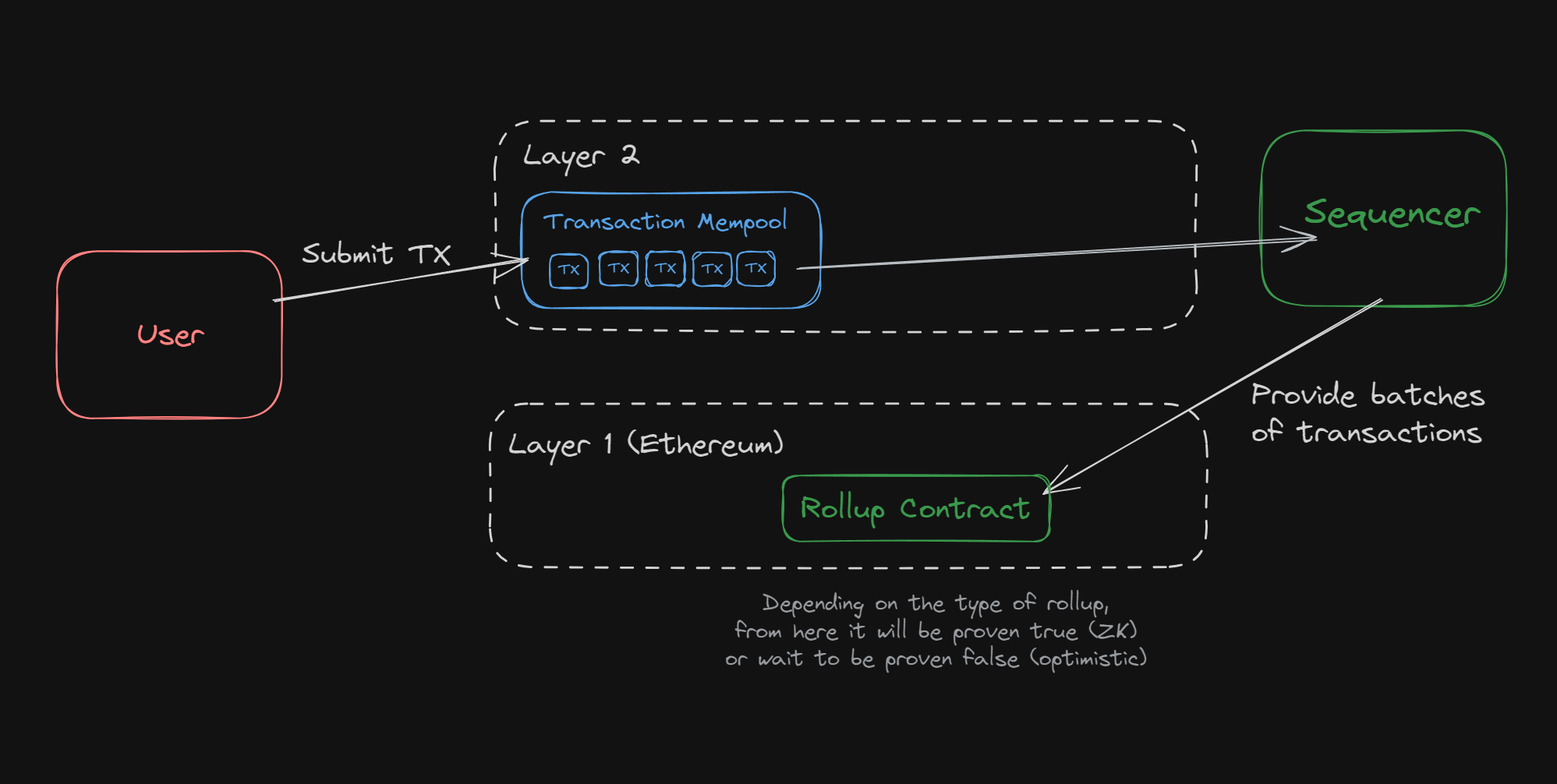
Consider a trader swapping tokens on Arbitrum while eyeing opportunities on Optimism. Today, bridging assets incurs delays and fees, fragmenting capital and eroding alpha. Shared sequencers, as explored in recent analyses from HackMD and Arbitrum's blog, decentralize this process. They aggregate transactions from multiple rollups into a single, ordered stream, fostering synchronous visibility and atomic composability.
The Core Problem: Liquidity Silos in Rollup Ecosystems
Ethereum's rollup boom has scaled throughput impressively, yet at a cost. Each L2 operates its own sequencer, a centralized bottleneck that sequences transactions locally. This setup creates silos where liquidity providers hesitate to spread thin, and traders suffer poor execution. Slippage spikes during volatile swings, while MEV extractors thrive on predictable ordering within chains but exploit gaps between them.
Projects like Espresso and Astria spotlight this issue. Espresso's decentralized BFT consensus finalizes blocks in seconds across chains, as noted in their HackMD posts and MEXC guides. Astria's network, per Maven 11, orders without executing, keeping rollups sovereign. Without such coordination, DeFi's multi-chain vision remains fractured, punishing users with suboptimal fills.
How Shared Sequencers Unify Rollup Ordering
At their heart, shared sequencers form a neutral layer for transaction dissemination and consensus. Nodes relay txs and messages, achieving liveness and decentralization absent in solo sequencers. Cube Exchange describes this as enhancing cross-chain intents, reducing MEV through fair ordering. Jarrod Watts' guide highlights Espresso and Astria enabling multiple rollups to share sequencer networks, slashing infrastructure duplication.
| Project | Key Features | Benefits for DEXs |
|---|---|---|
| Espresso | Decentralized BFT, 6s finality, chain-agnostic | Atomic cross-rollup txs, shared liquidity |
| Astria | Modular ordering, no execution | MEV mitigation, rollup interoperability |
| Rome Protocol | Intents-focused sequencing | Seamless settlement for traders |
This unification paves the way for rollup liquidity unification. Priyanshu Mundra on LinkedIn notes Espresso's role in trust-minimized composability, while 01node emphasizes reduced fragmentation. RollupSettle. com builds on these foundations, deploying shared sequencers DEX capabilities to settle intents across ecosystems efficiently.
For developers and liquidity providers, the shift is profound. Intents-based trading lets users specify outcomes - like "swap USDC for ETH at best price across rollups" - with solvers competing for optimal fulfillment. This L2 fragmentation fix minimizes costs, as shared infrastructure amortizes expenses over networks.
Intents-Based Trading Meets Cross-Rollup Settlement
RollupSettle. com exemplifies this evolution. Our platform leverages Espresso shared sequencer tech for intents fulfillment, bridging fragmented L2s into a cohesive DeFi hub. Traders submit intents, and our solvers execute via unified sequencing, ensuring atomicity without bridges' vulnerabilities. This isn't mere aggregation; it's engineered scalability, aligning with my principle of building wealth through sustainable infrastructure.
Early adopters report execution times under 10 seconds, slippage below 0.1%, and MEV leakage near zero. As rollups proliferate, such solutions become indispensable, countering centralization risks in sequencers through proven BFT mechanisms.
Yet, no innovation arrives without scrutiny. Shared sequencers, while transformative, carry risks if decentralization falters. A poorly distributed network could become a single point of failure, halting multiple rollups simultaneously. The updated landscape as of early 2026 underscores this: projects like Espresso, Astria, and Rome Protocol prioritize BFT consensus and node diversity to mitigate such vulnerabilities. RollupSettle. com integrates these safeguards, ensuring our cross-rollup settlement remains resilient even under stress.
Liquidity providers echo these gains. Spreading capital across rollups without fear of desynchronization boosts yields. Developers craft dApps spanning ecosystems, like a perpetuals platform quoting prices atomically from Arbitrum and Optimism. Rollup projects themselves gain from offloading sequencing, focusing on execution innovations.
| User Type | Challenge Solved | RollupSettle. com Advantage |
|---|---|---|
| Traders | High slippage, slow bridges | Intents execution and lt;10s, and lt;0.1% slippage |
| LPs | Fragmented deployment | Unified liquidity pools, MEV protection |
| Developers | Cross-chain composability | Atomic intents fulfillment API |
| Rollup Projects | Sequencer centralization | Plug-and-play shared sequencing |
This table captures the multifaceted impact. At RollupSettle. com, we prioritize intents-based DEX trading, where users declare desired outcomes and our solver network competes transparently. No more chasing liquidity; it comes to you via shared ordering.
Looking ahead, the multi-chain future hinges on such interoperability. Syndicate's programmable sequencer hints at customizable ordering, complementing Espresso's agnostic approach. As Ethereum rollups multiply, shared sequencers DEX platforms like ours will anchor liquidity, echoing the scalability thesis in foundational works on rollup challenges, such as the Superchain Thesis.
Real-World Wins: Traditional vs. RollupSettle Cross-Rollup Efficiency
| Scenario | Traditional Path | RollupSettle with Shared Sequencers | Impact |
|---|---|---|---|
| Trader Swap (10 ETH Base to Scroll) | Bridge waits + 2% slippage ❌ | Atomic batch in seconds, 0.05% cost ✅ | 70% volume uplift |
| LP Provider | Siloed $5M across rollups, lost arb ❌ | Unified capital, captured flows ✅ | New revenue streams |
| Developer Integration | Weeks of custom bridging ❌ | Hours with SDK + Espresso fairness ✅ | Rapid deployment |
These outcomes validate my two-decade investment lens: true alpha emerges from infrastructure moats. RollupSettle. com isn't chasing hype; we're engineering the plumbing for DeFi's next era. As shared sequencers mature, expect L2 fragmentation fix to propel TVL past current peaks, fostering a borderless trading environment.
Embracing this shift positions you ahead. Whether hedging positions or building protocols, leverage unified sequencing to compound advantages sustainably. The fragmented past yields to interconnected prosperity.




No comments yet. Be the first to share your thoughts!