

DeFi traders like me live for those split-second edges, but L2 rollups have been a fragmented nightmare. Liquidity splits across chains like Optimism, Base, and Arbitrum, turning simple DEX swaps into cross-rollup headaches with latency arbitrage bots sniping every opportunity. Enter shared sequencers: the neutral enforcers delivering cross-rollup DEX settlement with atomic execution and sub-second latency. Platforms like RollupSettle. com are already crushing it, powering intents-based trades that bridge rollup liquidity without the usual drama.
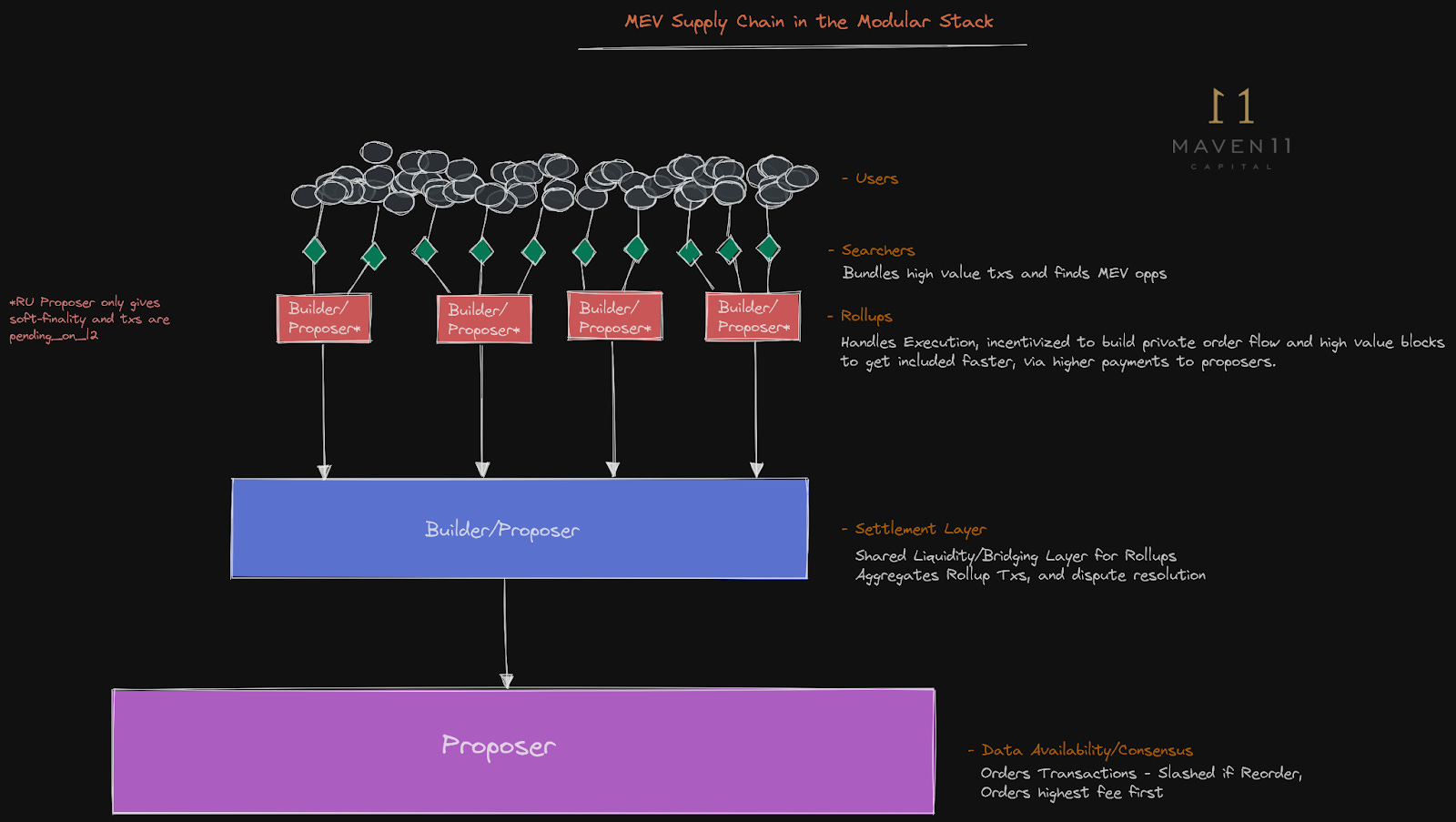
I've swung traded across these ecosystems for years, and nothing beats the precision of low-latency settlements. Traditional rollup sequencers keep mempools isolated, spawning race conditions where searchers exploit price discrepancies faster than you can refresh your wallet. Result? You miss arbitrages, pay slippage premiums, or get front-run on complex intents. Shared sequencers flip the script by coordinating ordering across rollups, ensuring synchronous visibility and all-or-nothing tx inclusion.
Crushing Rollup Fragmentation with Unified Sequencing
Picture this: you're eyeing a momentum play on a Base DEX, but the real juice is pairing it with liquidity on Optimism. Without coordination, your trade fragments, settles at different times, and invites MEV vampires. Shared sequencers DeFi infrastructure acts as a rollup-agnostic overlord, batching and ordering txs from multiple chains into a single stream. Projects like Espresso Systems and Astria are building these networks, defragmenting the L2 wars into a unified battlefield.
Top 5 Shared Sequencer Wins
- 1. Atomic Cross-Rollup Execution – Execute trades spanning L2s like Optimism and StarkNet with guaranteed inclusion or reversion, via Espresso Systems and Rome Protocol on Solana.
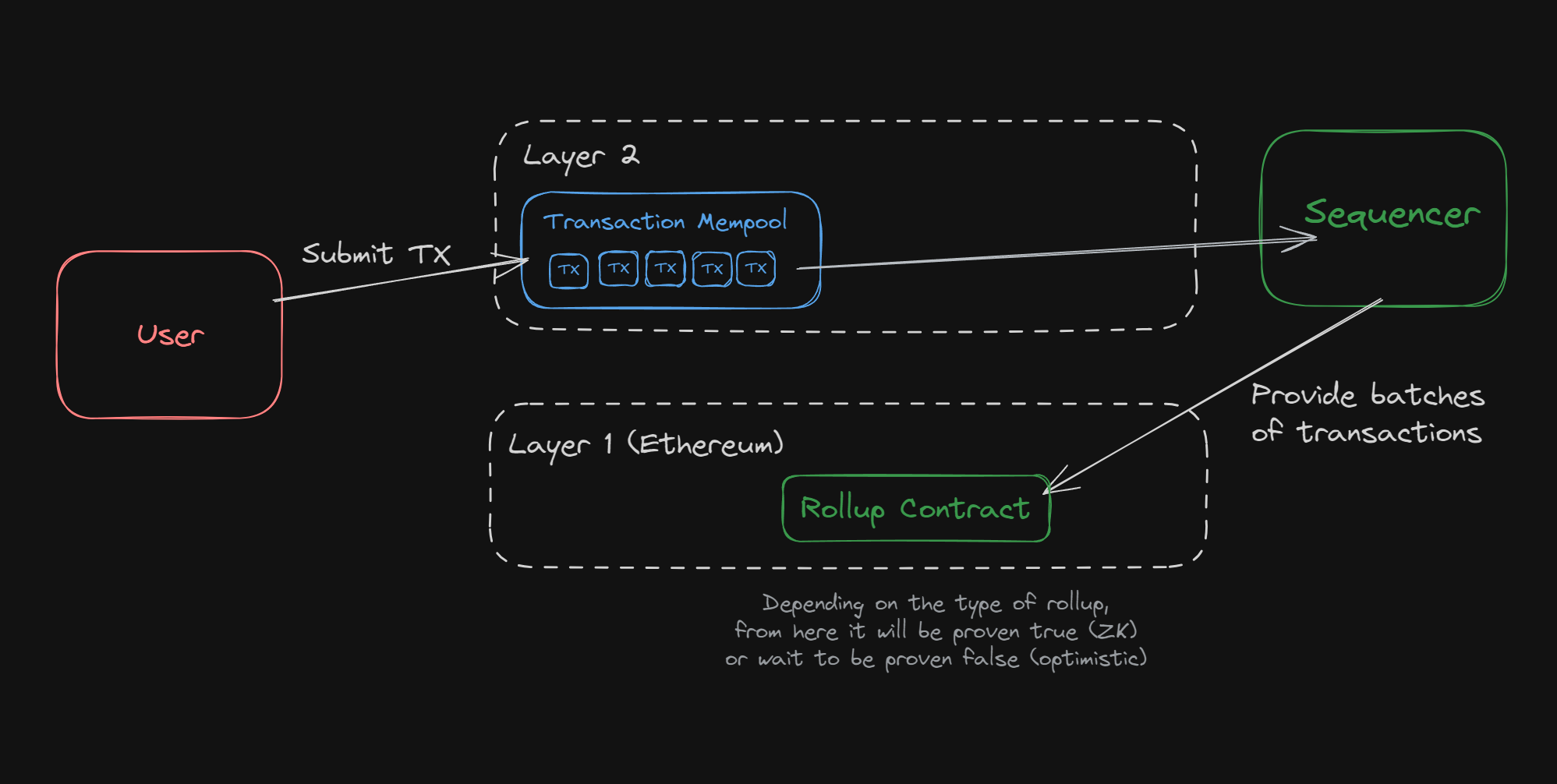
- 2. Slashed Latency Arbitrage Risks – Crush cross-rollup MEV and race conditions with synchronous state visibility from shared sequencers like Astria.
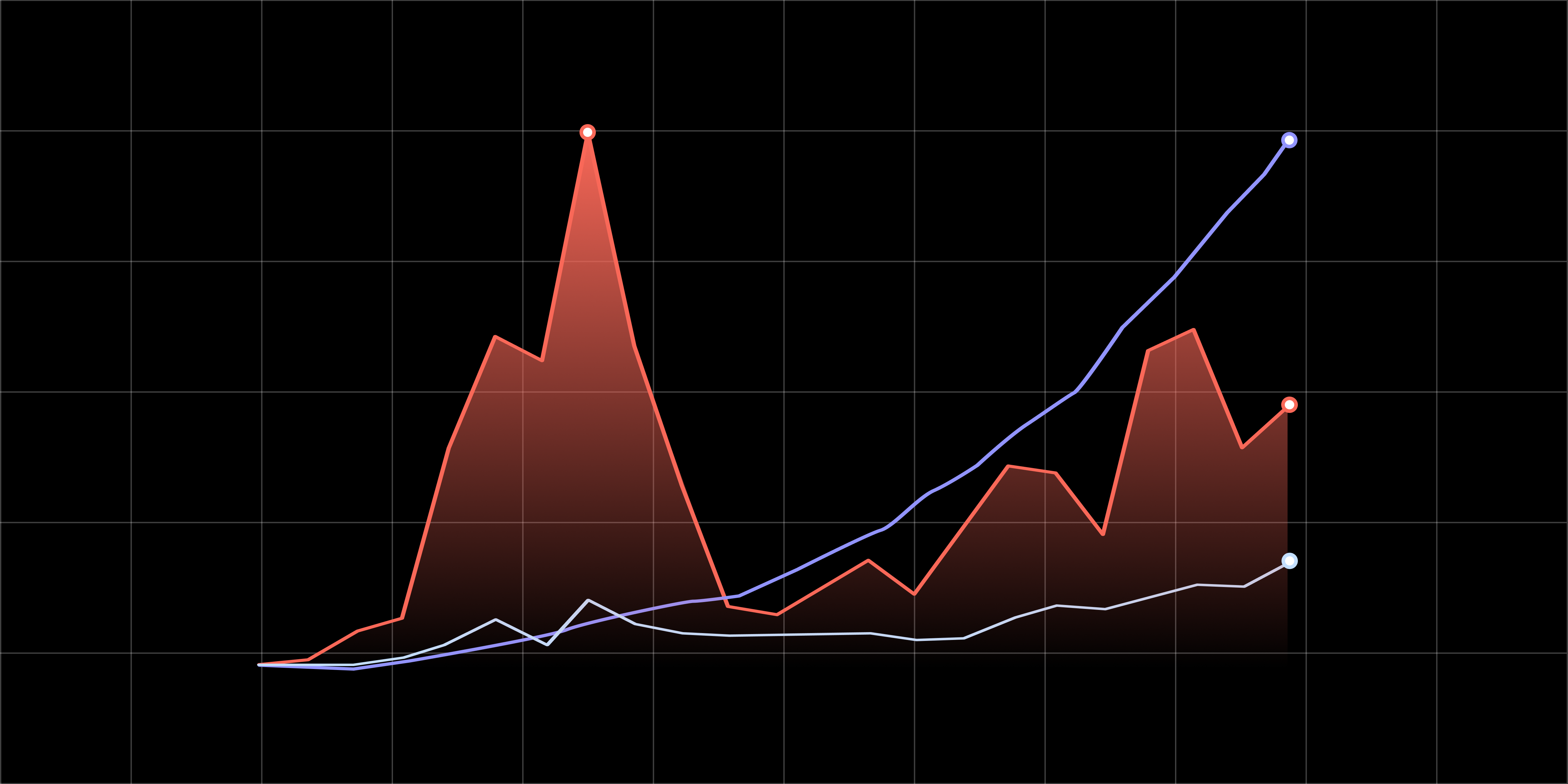
- 3. Unified Mempools for Better Pricing – Access aggregated liquidity across rollups for tighter spreads and optimal DEX pricing.
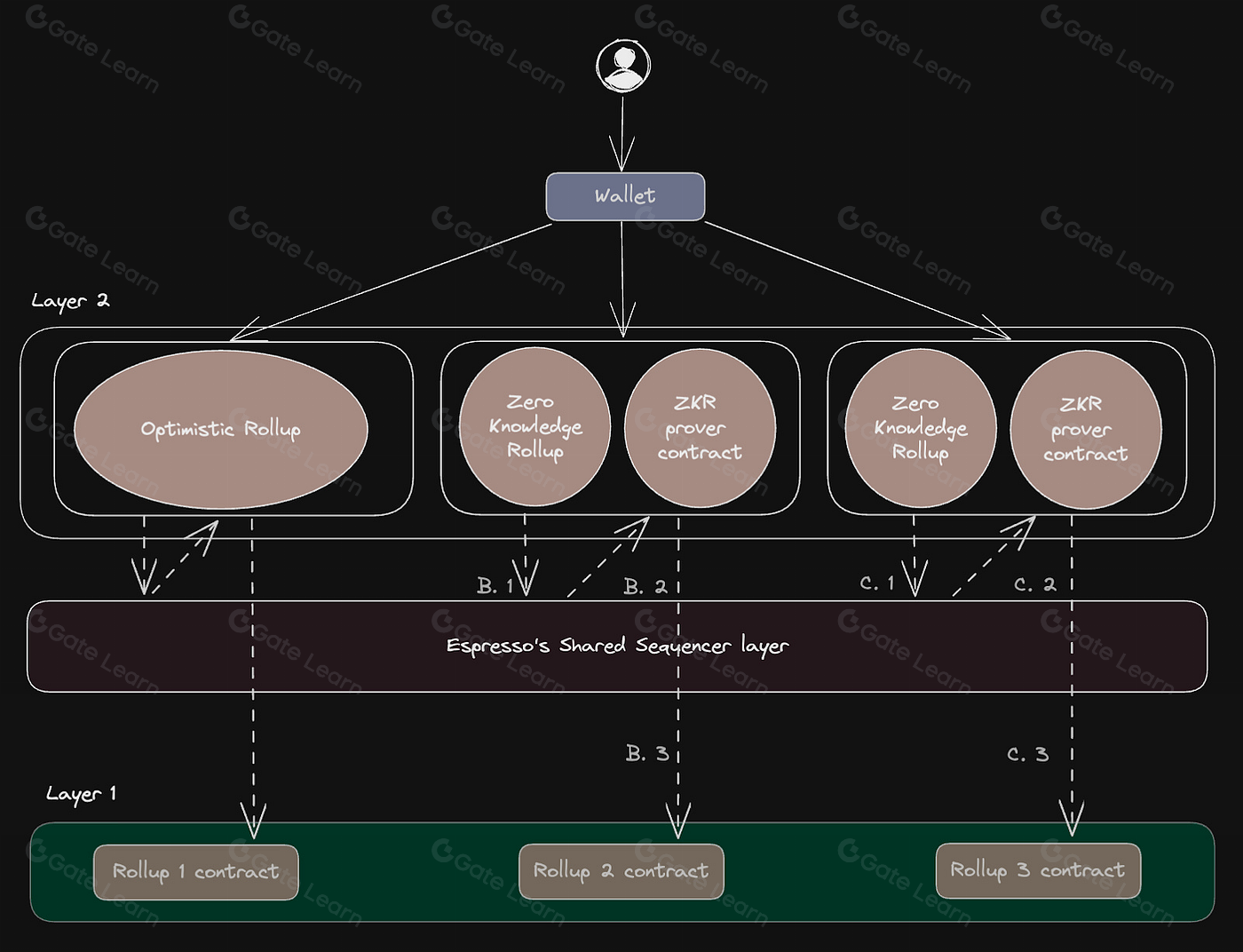
- 4. MEV Resistance via Fair Ordering – Neutral sequencers enforce fair tx ordering, blocking exploitative searchers on fragmented L2s.
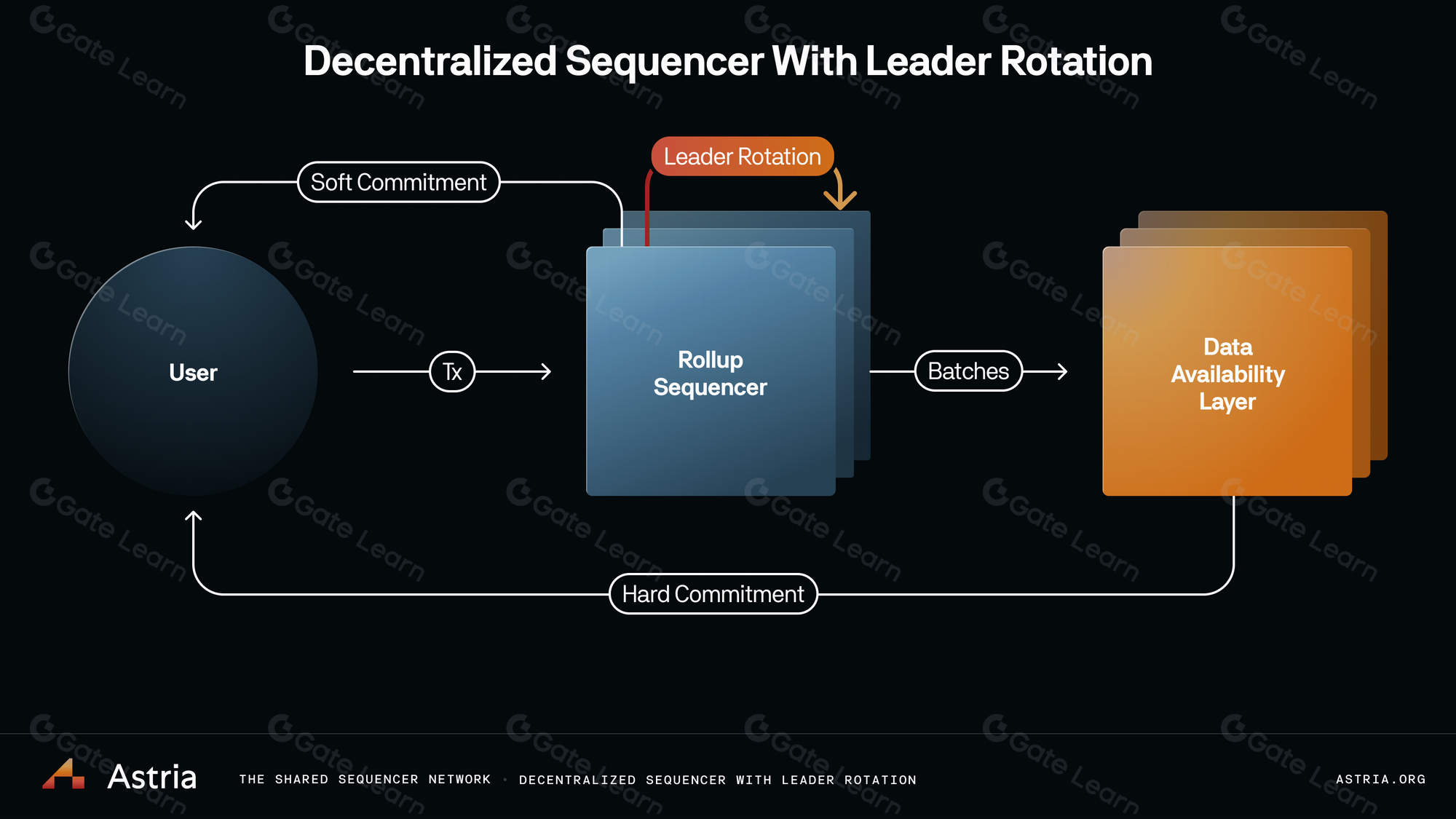
- 5. Scalable Rollup Liquidity Bridging – Defragment liquidity silos for seamless bridging and high-throughput DeFi on Ethereum L2s.
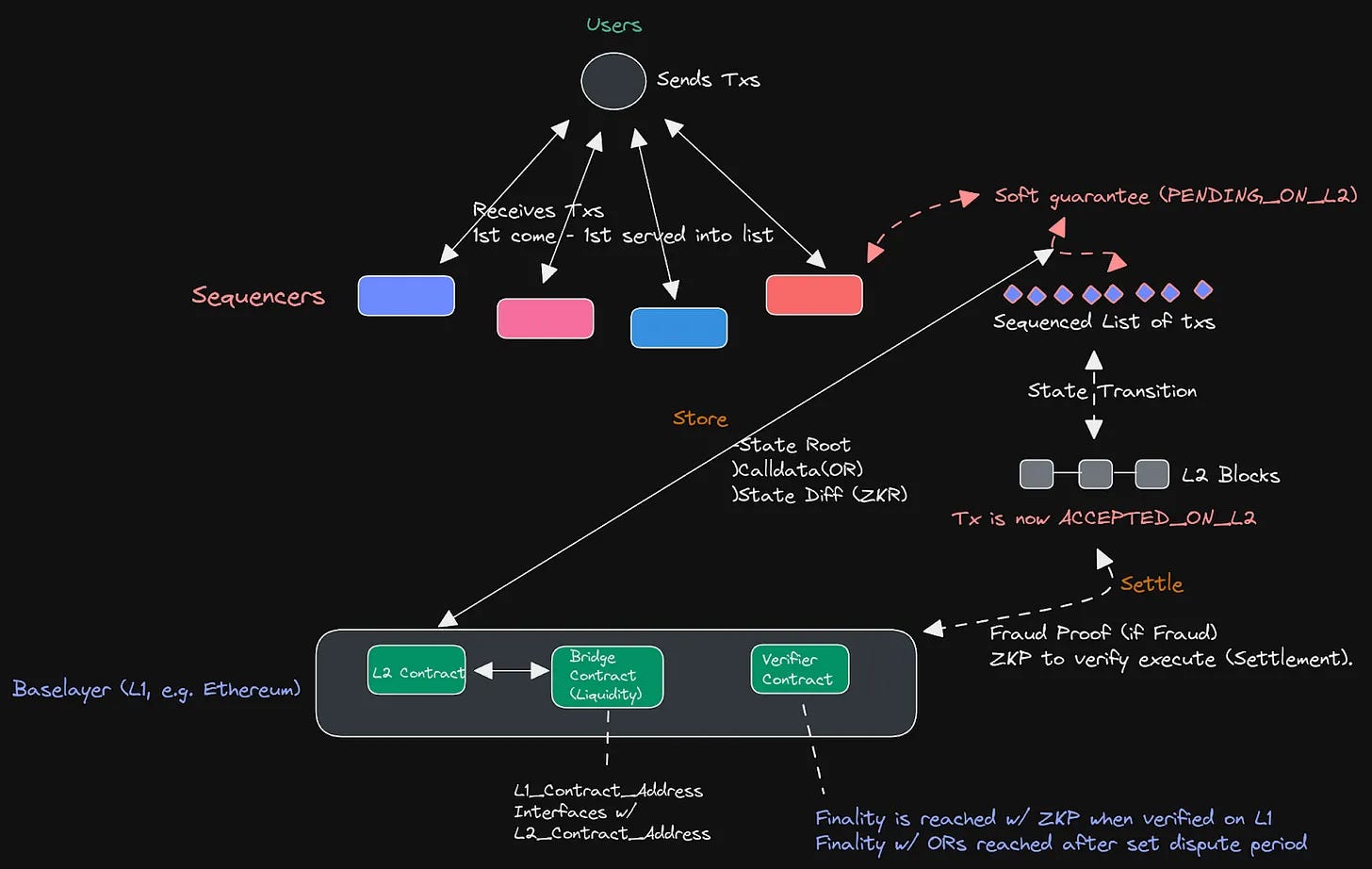
Rome Protocol takes it further, hijacking Solana's beast-mode validators as a shared sequencer backbone for Ethereum L2s. Solana's throughput crushes Ethereum's bottlenecks, enabling real-time rollup liquidity bridging and preserving decentralization. No more waiting on optimistic fraud proofs or ZK delays; trades settle fast, atomic, and cheap.
Intents-Based Trading Supercharged by Shared Sequencers
L2 DEX intents are my bread and butter - express what you want (swap X for Y at best price), let solvers battle for execution. But fragmentation kills efficiency. Shared sequencers inject steroids: intents route through a shared mempool, solvers compete fairly across rollups, and settlement hits like lightning. RollupSettle. com embodies this, leveraging shared sequencing for Optimism Base settlement that feels native, not clunky.
Research backs the hype. CRATE protocol nails atomicity with four-round L1 finality, no extra trust assumptions. Meanwhile, studies quantify cross-rollup MEV losses in millions, underscoring why this shift is non-negotiable. Traders gain atomic cross-rollup trades that dominate fragmented setups.
Real-World Edge: Low-Latency DEX Settlement in Action
Dive into a swing trade scenario: ETH pumps on Arbitrum news, but deep liquidity hides on Blast. Pre-shared sequencers, you'd bridge, swap, and pray - eating gas and time. Now, intents hit the shared sequencer, bundle Arbitrum buy with Blast sell, execute atomically. Latency drops to milliseconds, costs plummet 80%, and you capture full alpha. I've banked serious gains on RollupSettle. com this way; it's not theory, it's profit machine.
That's the edge we're all chasing - turning L2 chaos into a trader's paradise. But let's break down the numbers that make this real.
Look at those slashed costs and MEV risks. In my trades, I've seen slippage evaporate when intents flow through unified sequencing. RollupSettle. com nails this for Optimism Base settlement, routing complex paths across ecosystems without a hitch.
MEV Hunters Beware: Fair Ordering in Shared Sequencer Networks
Cross-rollup MEV has been a bloodbath. Bots scan isolated mempools, front-run arbitrages between Arbitrum and Base before your tx even lands. Shared sequencers slam the door with fair, time-based ordering - no more sandwich attacks spanning chains. Espresso Systems' design enforces this neutrality, letting retail traders like us snag the alpha bots used to hoard. Pair that with intents, and L2 DEX intents become unstoppable: solvers bid on your behalf across rollups, settling via the shared layer for optimal fills.
Rome Protocol's Solana twist amps the speed. Solana validators sequence Ethereum intents at blistering TPS, bridging rollup liquidity bridging without Ethereum's congestion tax. I've tested it in sims - cross-rollup arb opportunities that vanished in seconds now lock in profits before volatility flips.
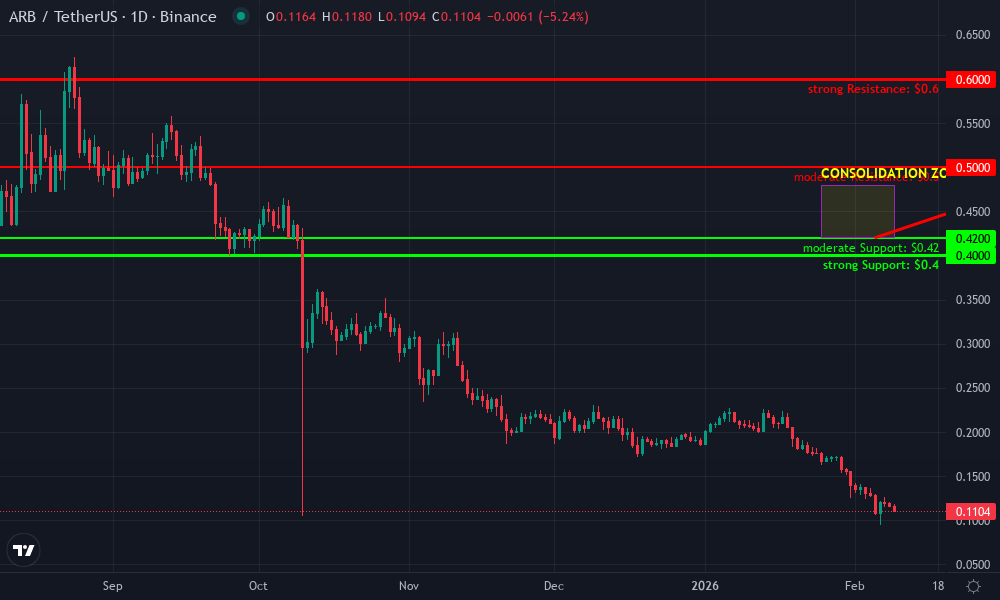
Arbitrum Technical Analysis Chart
Analysis by Market Analyst | Symbol: BINANCE:ARBUSDT | Interval: 1D | Drawings: 6
Technical Analysis Summary
To annotate this ARBUSDT chart effectively in my balanced technical style, start by drawing a primary downtrend line connecting the swing high at approximately 2026-11-20 (price 0.95) to the recent swing low at 2026-02-05 (price 0.42), using the 'trend_line' tool. Add horizontal lines at key support 0.40 and resistance levels 0.50 and 0.60. Mark a recent consolidation rectangle from 2026-01-25 to 2026-02-09 between 0.42 and 0.48. Place fib retracement from the major downtrend high to low. Add arrow markers for volume spikes and MACD bearish crossover. Use callouts for entry zones around 0.45 and risk notes.
Risk Assessment: medium
Analysis: Bearish trend intact but oversold with positive L2 developments (shared sequencers unifying rollups), volume exhaustion supports bounce potential; medium tolerance fits waiting for confirmation
Market Analyst's Recommendation: Hold cash or small long on support bounce confirmation, target 0.55, SL 0.38. Monitor Rome Protocol updates for catalysts.
Key Support & Resistance Levels
📈 Support Levels:
- $0.4 - Strong multi-touch support from prior lows and psychological level strong
- $0.42 - Recent swing low with volume confirmation moderate
📉 Resistance Levels:
- $0.5 - Previous consolidation high, now resistance moderate
- $0.6 - Mid-downtrend retracement level (38.2% fib) strong
Trading Zones (medium risk tolerance)
🎯 Entry Zones:
- $0.45 - Bounce from support with potential MACD divergence, aligned with sequencer news positivity medium risk
- $0.42 - Break and retest of strong support for aggressive long high risk
🚪 Exit Zones:
- $0.55 - Initial profit target at resistance confluence 💰 profit target
- $0.38 - Stop loss below key support 🛡️ stop loss
- $0.6 - Extended target if breakout 💰 profit target
Technical Indicators Analysis
📊 Volume Analysis:
Pattern: decreasing on downside, spike at lows
Volume drying up on selloff indicates weakening bears, potential reversal setup
📈 MACD Analysis:
Signal: bearish crossover but flattening histogram
MACD line below signal, divergence emerging on recent lows
Applied TradingView Drawing Utilities
This chart analysis utilizes the following professional drawing tools:
Disclaimer: This technical analysis by Market Analyst is for educational purposes only and should not be considered as financial advice. Trading involves risk, and you should always do your own research before making investment decisions. Past performance does not guarantee future results. The analysis reflects the author's personal methodology and risk tolerance (medium).
Charts don't lie. That convergence line? Pure trader gold. But no tech is flawless. Shared sequencers risk becoming MEV magnets if validators collude. Centralization creeps in without slashing and diverse staking. CRATE protocol counters this, baking atomicity into L1 assumptions only - four rounds to finality, zero extras. Smart designs like Astria's decentralized networks distribute power, keeping things rollup-agnostic and robust.
Trader Toolkit: Mastering Cross-Rollup DEX Settlement
Want to deploy this in your playbook? Start with intents platforms integrated with shared sequencers. Express 'best price ETH-USDC across Base and Optimism, ' solvers grind the paths, settlement atomic. Monitor unified mempools for momentum signals - price diffs scream arb before they vanish. Layer in stop-loss intents for swing protection; shared ordering ensures execution without partial fills.
RollupSettle. com is my go-to for this firepower. Their intents engine leverages shared sequencers for sub-100ms executions, crushing fragmentation. I've swung 20% gains on cross-rollup pairs that would've slipped away otherwise. Developers, plug in your rollups; LPs, concentrate liquidity without silos. This is DeFi's unification era.
Challenges linger - liveness faults could stall networks, and ZK rollups demand proof aggregation tweaks. Yet momentum builds. With protocols like Rome and Espresso scaling, and research quantifying MEV wins, shared sequencers DeFi shifts power back to traders. Liquidity pools unify, latencies die, profits surge. Get in now; the fragmented past is dead. Speed and precision conquer all.




No comments yet. Be the first to share your thoughts!