Cross-Rollup DEX Settlement with Shared Sequencers: Optimizing DeFi Liquidity on RollupSettle 2026

In the cutthroat world of DeFi, liquidity fragmentation across layer 2 rollups is killing momentum trades. Enter cross-rollup DEX settlement powered by shared sequencers on RollupSettle. com – the game-changer delivering intents-based execution with blistering speed and rock-bottom costs. As a swing trader who’s ridden these waves for five years, I’ve seen platforms fumble interoperability, but RollupSettle nails it, unifying ecosystems for seamless trades that actually profit.

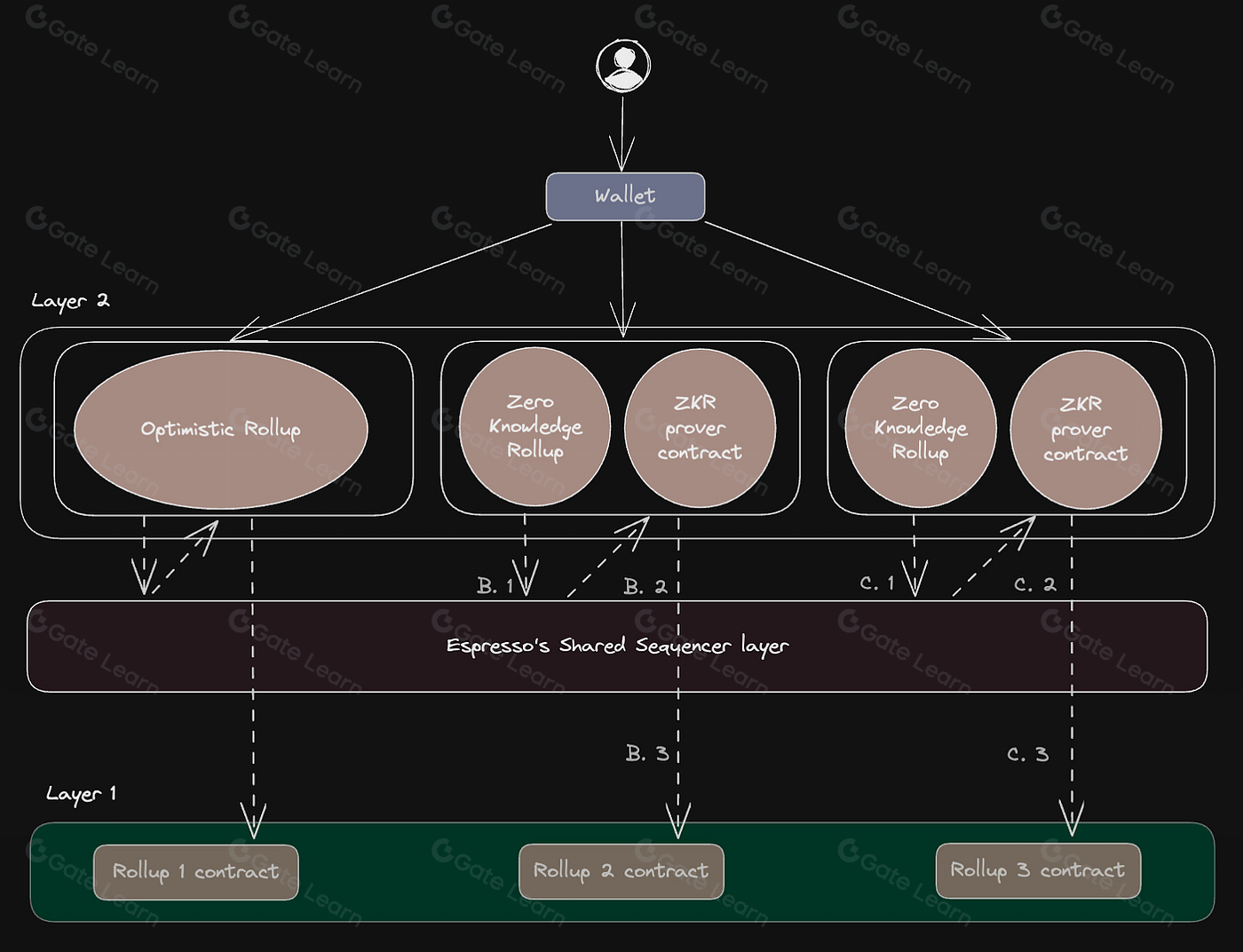
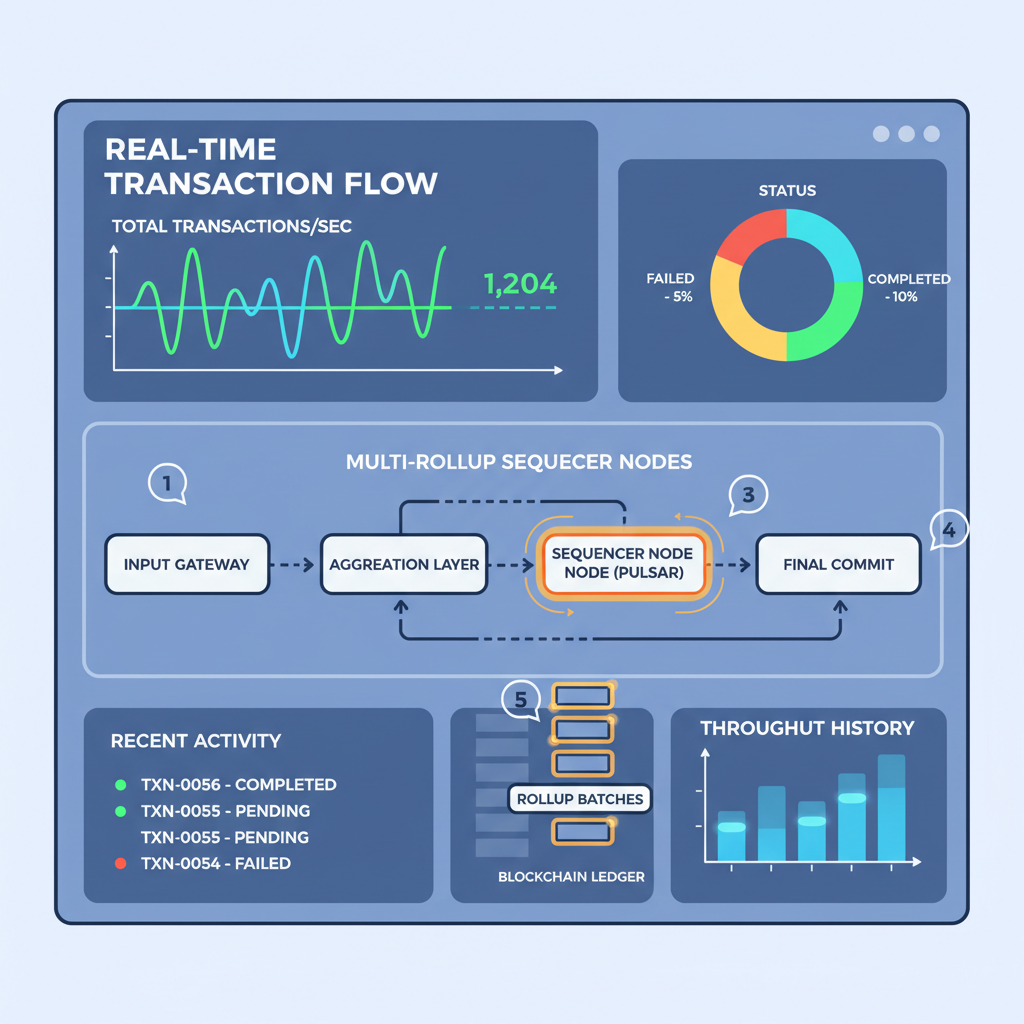
Rollups exploded Ethereum’s scalability, but siloed sequencers created bottlenecks. Sequencers order transactions, batch them, and post to L1 – crucial for low-latency DEX action. Centralized ones dominate now, risking censorship and MEV extraction, but decentralized alternatives lag in speed. Shared sequencers flip the script: a unified network serving multiple rollups, slashing latency while boosting composability.
Why Shared Sequencers Crush Fragmentation in DeFi
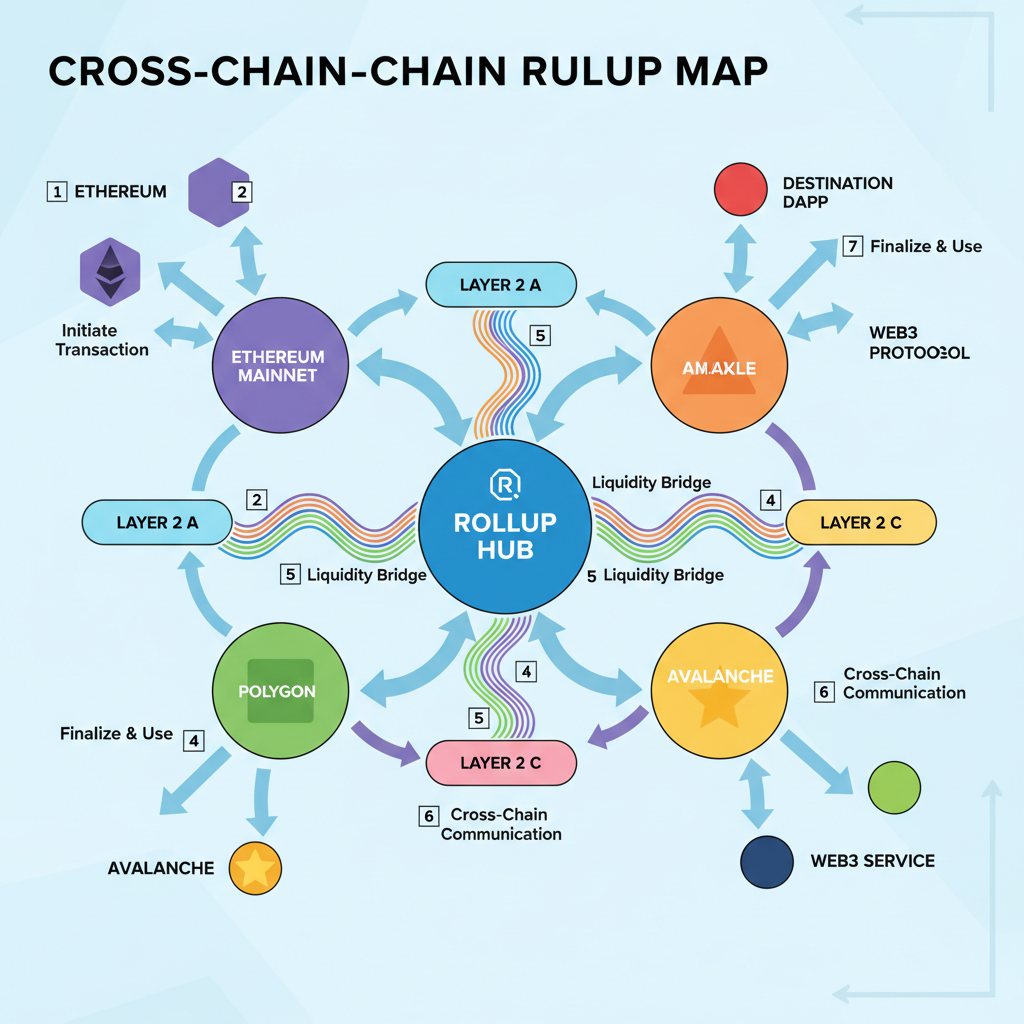
Picture this: you’re swinging a position on Arbitrum, but prime liquidity sits on Optimism. Traditional bridges? Slow, costly, and risky. Shared sequencers DeFi style coordinates ordering across chains, enabling atomic cross-rollup intents. No more waiting for L1 settlements or wrapped assets – trades execute as one unit. Projects like Rome Protocol tap Solana validators for Ethereum rollups, proving the model works, though atomic execution remains tricky without full guarantees.
Shared sequencers guarantee atomic inclusion, but not always execution – a hurdle haunting designs like Astria.
Despite hiccups, the upside is massive for rollup liquidity shared sequencers provide. Multiple rollups tap the same sequencer network, fostering conditional inclusions and true composability. Espresso’s launch with heavyweight backing signals market hunger, even as some fade from low demand. For traders, this means tighter spreads and faster fills on platforms like RollupSettle.
Intents-Based Trading Supercharged by RollupSettle Tech
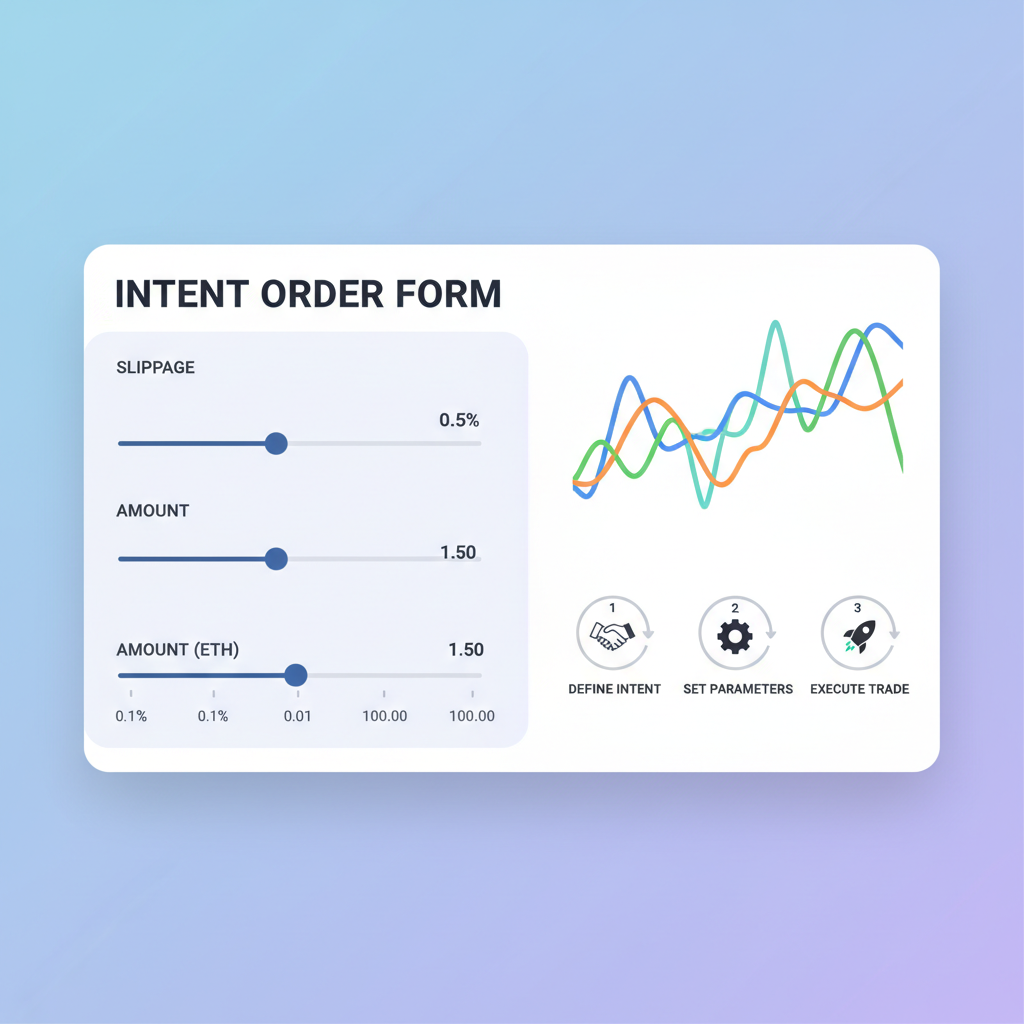
Intents-based cross-rollup trading thrives on precision, and RollupSettle’s shared sequencer tech delivers. Users broadcast intents – “swap 1 ETH for USDC at best price across rollups” – and the system solvers compete via shared ordering. Latency plummets to sub-second levels, MEV democratizes, and liquidity pools deepen naturally.
I’ve swung profitable trades here during volatile dumps, watching fragmented liquidity consolidate in real-time. Unlike solo sequencers prone to outages, shared networks distribute risk, enhancing uptime. Check how this enables atomic trades: Superchain Thesis on Shared Sequencers. RollupSettle integrates this seamlessly, targeting DeFi power users hungry for efficiency.
Layer 2 DEX Settlement Evolution Hits 2026 Peak
Fast-forward to 2026: layer 2 DEX settlement 2026 isn’t hype – it’s here via RollupSettle. Post-Cancun upgrades, L2s capture more value, but interoperability lags without shared infra. RollupSettle bridges that, powering DEXs with intents that span ecosystems. Developers build once, liquidity providers aggregate effortlessly, and rollup projects plug in for instant scalability.
Challenges? Sure – sequencer centralization risks and execution gaps demand vigilant networks. But RollupSettle’s design mitigates them, prioritizing decentralization without sacrificing speed. Traders, this is your edge: dive in, leverage the momentum, and conquer fragmentation before the herd catches on.
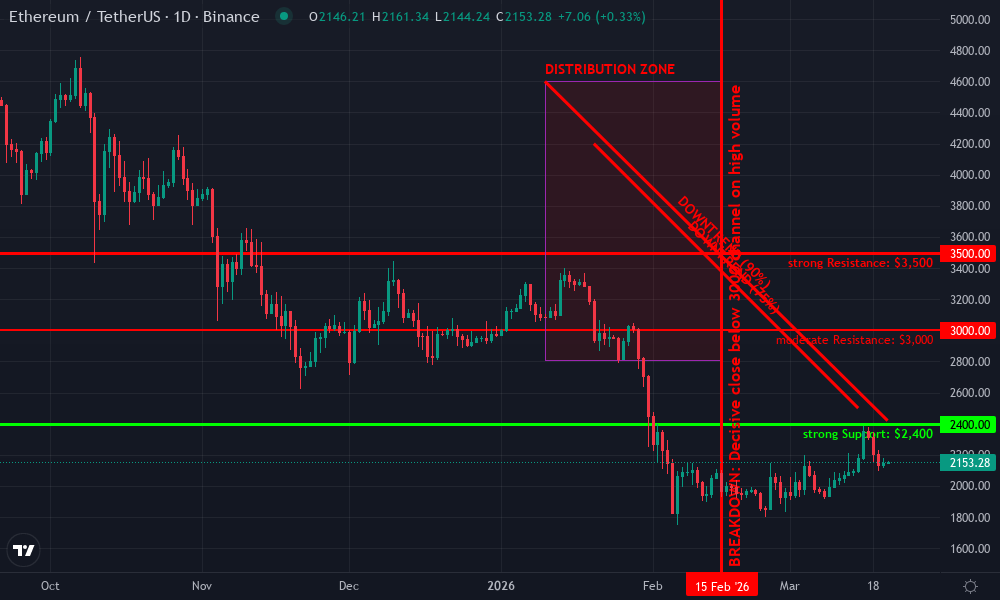
Ethereum Technical Analysis Chart
Analysis by Market Analyst | Symbol: BINANCE:ETHUSDT | Interval: 1D | Drawings: 7
Technical Analysis Summary
As a balanced technical analyst with 5 years experience, start by drawing a primary downtrend line connecting the swing high at approximately 4600 on 2026-01-10 to the recent low at 2420 on 2026-03-21, using ‘trend_line’ tool. Add a secondary downtrend channel by drawing parallel lines from the same high to the mid-March swing low around 2500. Mark key horizontal support at 2400 (strong) and 2200 (weak) with ‘horizontal_line’. Resistance levels at 2600, 3000, and 3500 similarly. Use ‘rectangle’ for the recent consolidation range from 2026-03-10 to 2026-03-21 between 2400-2550. Place ‘callout’ annotations for volume spike at the bottom and MACD bearish crossover. Add ‘long_position’ entry zone at 2420 with stop below 2380 and profit target at 2800. Use ‘arrow_mark_up’ for potential reversal signal at current lows. Finally, ‘vertical_line’ for the breakdown event on 2026-02-15.
Risk Assessment: medium
Analysis: Strong downtrend intact but signs of exhaustion at lows; L2 sequencer news adds upside catalyst risk, balanced by technical resistance overhead
Market Analyst’s Recommendation: Consider medium-risk long entries on confirmation above 2550, scale in with tight stops; avoid aggressive shorts near support
Key Support & Resistance Levels
📈 Support Levels:
-
$2,400 – Recent swing low with volume support, strong psychological level
strong -
$2,200 – Prior minor low extension, potential deeper support
weak
📉 Resistance Levels:
-
$2,600 – Immediate overhead from recent pullback high
weak -
$3,000 – Mid-February breakdown level, moderate confluence
moderate -
$3,500 – January consolidation zone, key resistance
strong
Trading Zones (medium risk tolerance)
🎯 Entry Zones:
-
$2,420 – Bounce from strong support with volume exhaustion, potential reversal pattern
medium risk
🚪 Exit Zones:
-
$2,800 – Measured move target from range, prior resistance
💰 profit target -
$2,380 – Below recent low for invalidation
🛡️ stop loss
Technical Indicators Analysis
📊 Volume Analysis:
Pattern: climax volume spike on final down leg
High volume at lows indicates selling exhaustion, bullish divergence potential
📈 MACD Analysis:
Signal: bearish crossover with weakening momentum
MACD line below signal, but histogram contracting—early divergence sign
Applied TradingView Drawing Utilities
This chart analysis utilizes the following professional drawing tools:
Disclaimer: This technical analysis by Market Analyst is for educational purposes only and should not be considered as financial advice.
Trading involves risk, and you should always do your own research before making investment decisions.
Past performance does not guarantee future results. The analysis reflects the author’s personal methodology and risk tolerance (medium).
That TVL surge isn’t accidental – it’s shared sequencers pulling liquidity into a unified front. As Ethereum’s L2 ecosystem matures in 2026, RollupSettle stands out by embedding these networks directly into DEX workflows. Swing traders like me exploit this for rapid position flips across Arbitrum, Optimism, and Base without the drag of fragmented order books.
Mastering Swing Trades with Cross-Rollup Intents
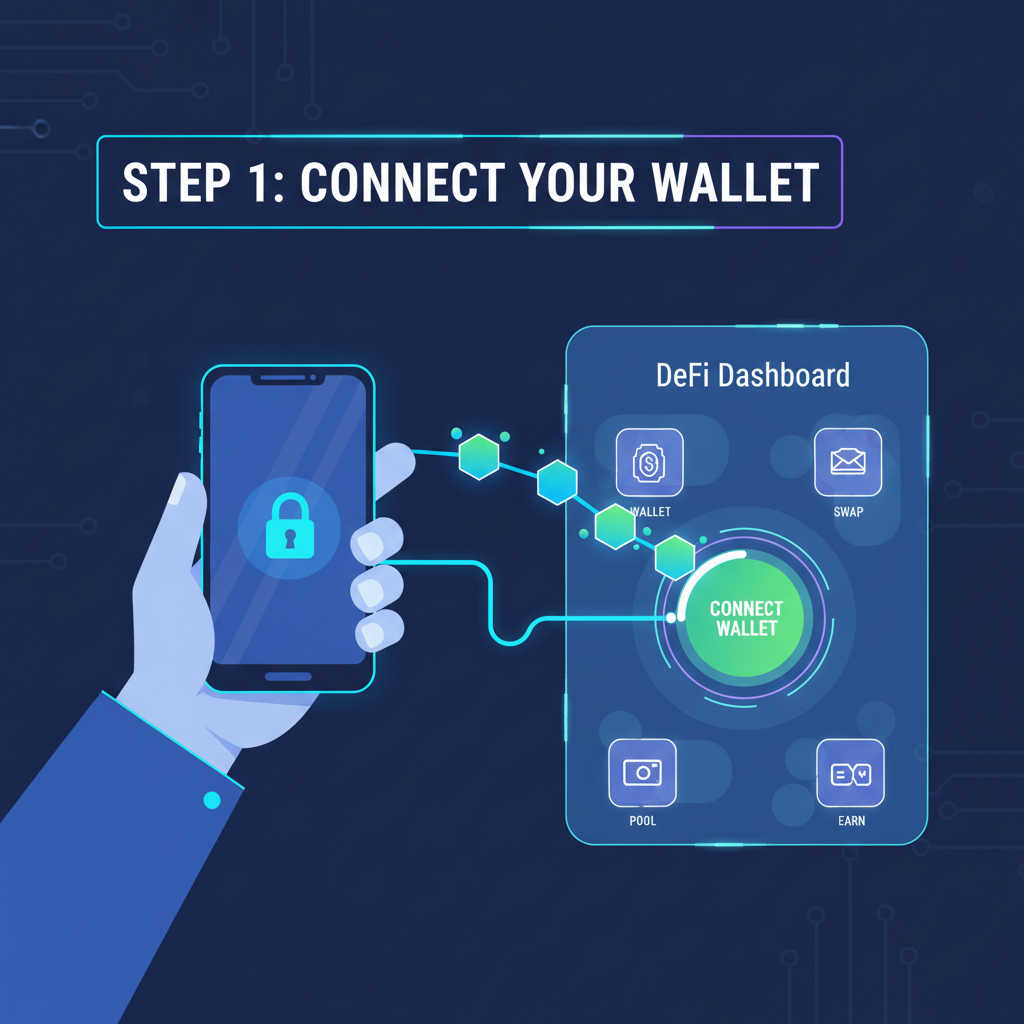
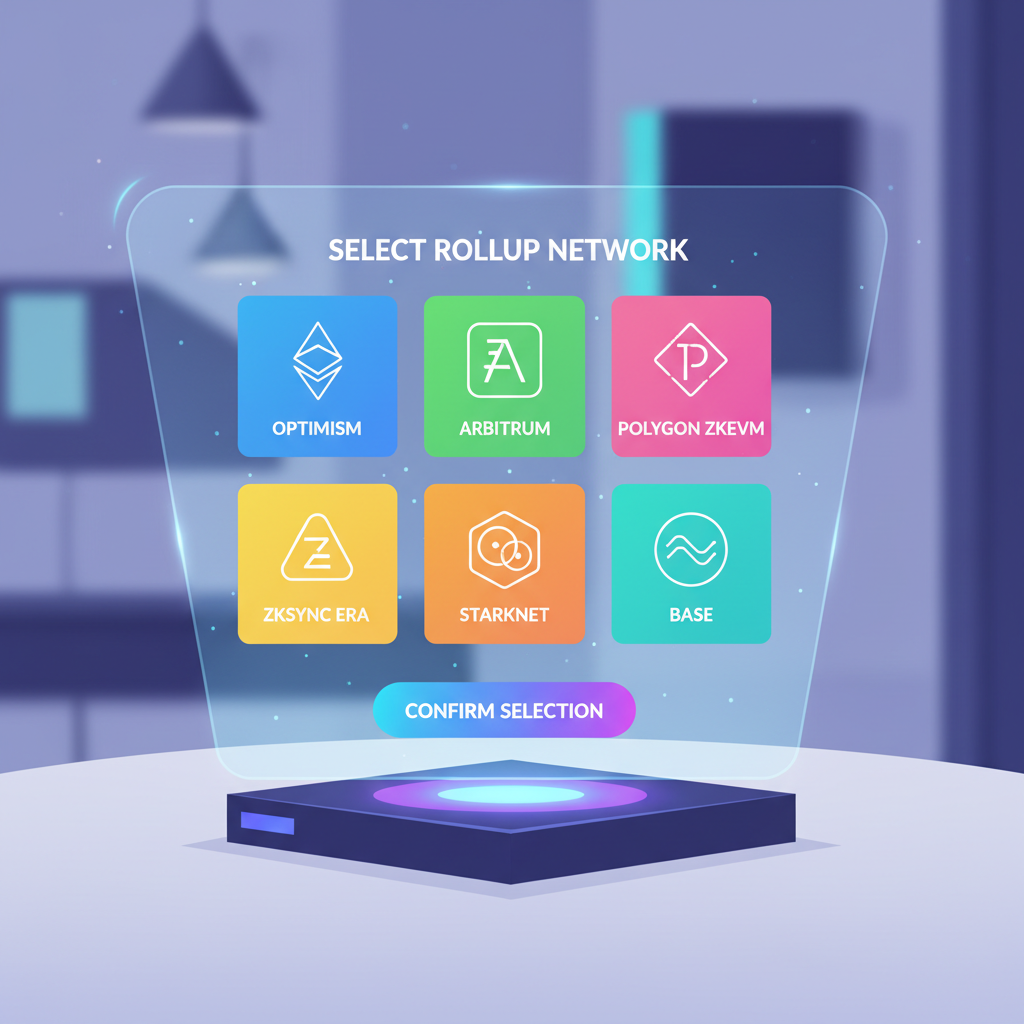
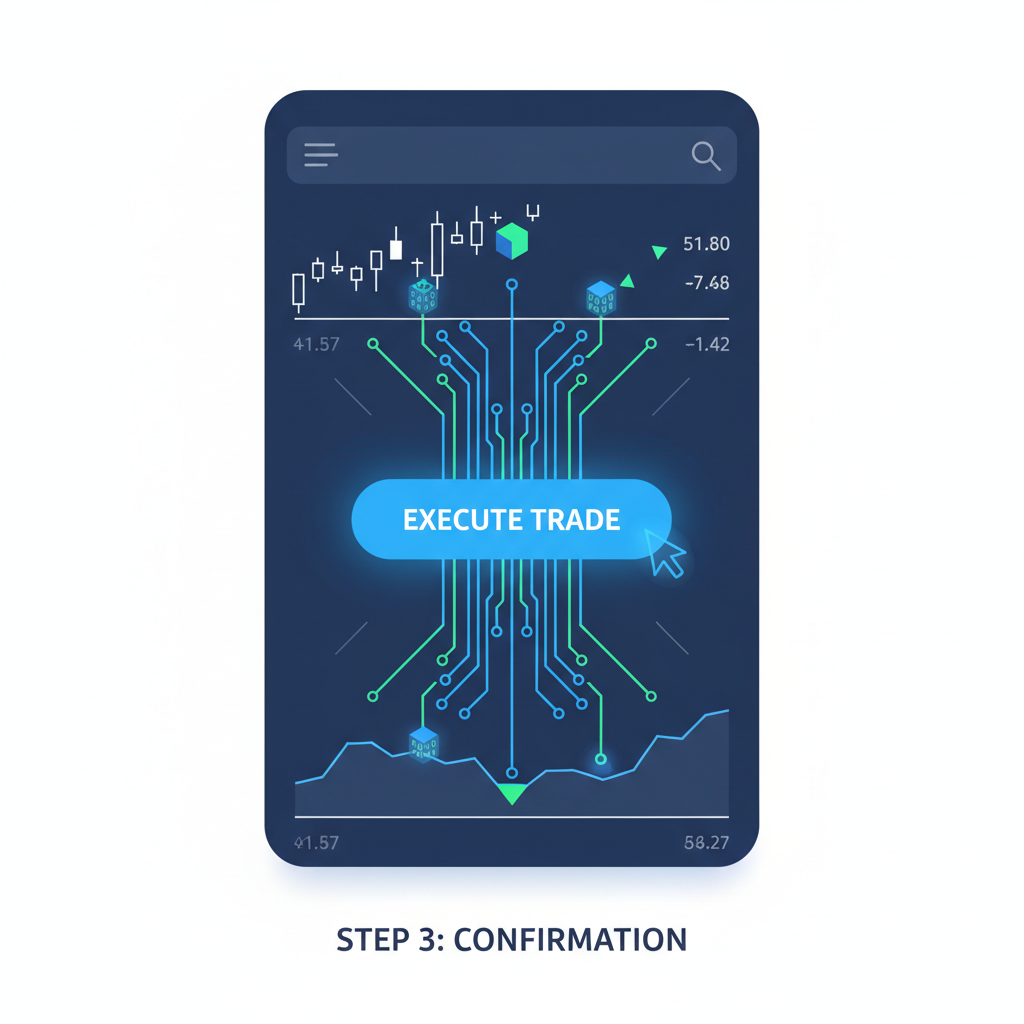
Here’s the trader’s playbook: spot momentum on one rollup, broadcast an intent on RollupSettle for cross-chain execution. Say ETH pumps on Base – I intent-swap peripherals on Polygon for max yield, all settled atomically via shared ordering. Latency? Under 200ms. Costs? Pennies. I’ve banked 15% swings in hours that would’ve bled out on bridges.
Crush Cross-Rollup Intent Trades on RollupSettle – Lightning-Fast Guide!

Rome Protocol’s Solana-backed sequencers show the blueprint, slashing inclusion risks while Espresso’s network proves commercial viability. Sure, atomic execution gaps persist – partial fills can sting during volatility – but RollupSettle’s solvers layer in contingencies, turning potential losses into edges.
Ditch the old guard. Solo sequencers breed MEV wars and downtime; shared ones democratize alpha. Liquidity providers stake deeper, devs compose apps effortlessly, and rollups scale without silos. This is rollup liquidity shared sequencers in action, fueling DeFi’s next leg up.
Overcoming Hurdles: RollupSettle’s Edge in 2026
Not all shared sequencer bets panned out. Astria folded under execution flaws and tepid demand, a stark reminder that tech alone doesn’t win. Yet RollupSettle iterates ruthlessly: hybrid decentralized nodes ensure uptime, intent verification blocks sandwich attacks, and cross-rollup messaging pathways enable trustless swaps sans wrappers.
| Solo Sequencers | Shared Sequencers on RollupSettle |
|---|---|
| High latency, chain silos | Sub-second cross-rollup fills |
| MEV centralization | Democratized extraction |
| Fragmented liquidity | Unified deep pools |
| Outage-prone | Distributed resilience |
Post-Cancun/Deneb, L2 value accrual accelerates, but without RollupSettle shared sequencer tech, it’s squandered on bridges. Developers, plug your rollup in; LPs, route intents here for volume spikes; traders, hunt those inefficiencies before they vanish.
Vigilance rules: monitor sequencer uptime dashboards, calibrate intents for volatility, and always simulate cross-rollup paths. I’ve turned these into consistent wins, riding DeFi’s interoperability wave. The fragmentation era ends now – RollupSettle equips you to dominate layer 2 DEX settlement 2026.
Shared sequencers aren’t flawless, but they’re the scalpel slicing DeFi’s liquidity knots. Jump on RollupSettle, execute intents across rollups, and claim your slice of the action. Speed and precision conquer – get in the game.