Espresso-Style Shared Sequencers Revolutionize Cross-Rollup DEX Execution

In the fragmented world of layer-2 rollups, where DeFi liquidity splinters across isolated chains, Espresso-style shared sequencers emerge as a game-changer for cross-rollup DEX execution. Traditional sequencers, often centralized and rollup-specific, create silos that hinder atomic trades and inflate costs. RollupSettle. com harnesses this shared sequencing paradigm to deliver intents-based settlement, ensuring low-latency fulfillment across ecosystems like Optimism and Arbitrum. As a seasoned investor, I’ve watched rollups scale Ethereum admirably, yet their interoperability lags. Enter Espresso Systems’ decentralized sequencer, powered by the HotShot consensus protocol, which orders transactions collectively for multiple rollups, fostering true composability.

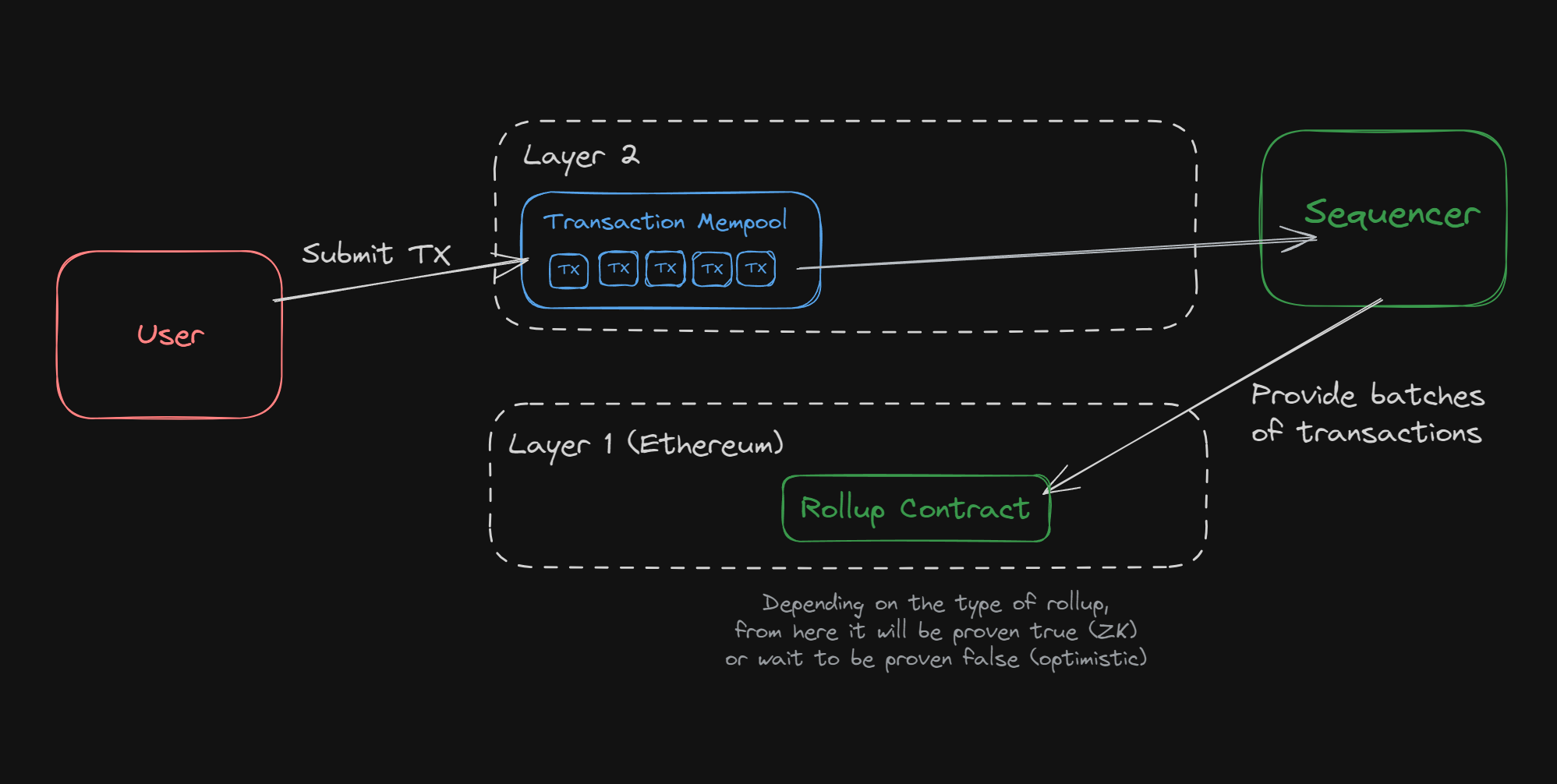
This innovation addresses core pain points in L2 transaction ordering. Sequencers dictate the sequence of blocks, but proprietary ones breed centralization risks and MEV extraction bottlenecks. Shared sequencers like Espresso decentralize this process through a Byzantine Fault Tolerant (BFT) network, confirming transactions rapidly while enabling cross-rollup atomicity. Recent integrations with Polygon zkEVM and Arbitrum testnets underscore its practicality, backed by a $28 million Series B from a16z crypto.
Fragmentation’s Toll on DeFi Traders
Picture a trader spotting an arbitrage opportunity between Uniswap on Base and another DEX on Blast. Today, bridging assets incurs delays, slippage, and failed atomic executions due to disparate sequencing. Sources like HackMD highlight how Espresso defragments this landscape, allowing rollups to share a single decentralized sequencer. No longer must each rollup maintain its own vulnerable node; instead, a collective layer unifies ordering, slashing latency and costs.
Revenue sharing remains a hot topic, as Flashbots research notes. Rollups ponder equitable splits from MEV and fees when pooling sequencers. Espresso’s model incentivizes participation via its upcoming Marketplace, launching early 2025, promising smoother interoperability for dApps. For liquidity providers, this means predictable execution; developers gain trust-minimized composability. RollupSettle. com embodies this shift, optimizing intents fulfillment in a multi-chain future.
HotShot Consensus: The Engine of Efficiency
At Espresso’s core lies HotShot, a high-throughput BFT protocol tailored for sequencing. Unlike proof-of-stake chains bogged down by finality delays, HotShot delivers sub-second confirmations, vital for DEX front-runs and perpetuals. Jarrod Watts’ guide on L2 sequencers contrasts this with solo operators, where downtime cascades failures. Shared networks distribute risk, ensuring resilience.
Blockworks reports Espresso’s third testnet for OP Stack, signaling broad adoption. Priyanshu Mundra on LinkedIn emphasizes atomic cross-rollup trades, paving trustless bridges between L2s. This isn’t mere theory; Archetype Fund’s transaction walkthrough reveals sequencers’ pivotal role in MEV and ordering, now democratized.
Critically, Espresso shared sequencers extend beyond execution. They unify settlement, making cross-rollup DEX execution feel native. MEXC analysis details the decentralized network’s collective ordering, boosting finance-grade reliability. As rollups proliferate, this coordination layer beneath the modular stack, as one X post observes, renders execution predictable and interactions fluid.
Empowering Intents-Based Cross-Rollup DEX
For DeFi traders, the real revolution lies in intents. RollupSettle. com’s platform thrives here, solvers competing to fulfill user intents via shared sequencing. No more fragmented liquidity hunts; atomic bundles execute swaps, lends, and borrows across rollups seamlessly. Cartesi’s vision of next-gen dApps aligns perfectly, with Espresso enabling smoother flows.
Consider this deep dive on OP Stack: shared sequencers unlock atomic trades, vital for sophisticated strategies. In my view, sustained scalability demands such infrastructure. Rollups choosing shared paths future-proof against centralization critiques, allocating revenues fairly while scaling Ethereum’s vision.
Intents shift the paradigm from rigid transactions to flexible outcomes, where solvers interpret and execute user goals efficiently. With Espresso’s shared layer, these intents span rollups without trusting intermediaries, minimizing slippage in volatile markets. Traders specify ‘swap USDC on Arbitrum for ETH on Optimism at best rate, ‘ and the system delivers atomically, leveraging unified ordering.
This efficiency cascades to liquidity providers, who tap deeper pools across chains. No more siloed order books; shared sequencers aggregate depth, reducing impermanent loss risks in AMMs. Developers building on RollupSettle. com benefit too, embedding intents into protocols for seamless user experiences. I’ve analyzed countless L2 launches over two decades, and this coordination feels like the missing link in Ethereum’s scaling story.
Navigating Revenue and Incentives in Shared Sequencing
One lingering question for rollup teams: how to divvy up the spoils? Flashbots’ research probes revenue allocation, from MEV auctions to priority fees, when multiple chains share a sequencer. Espresso tackles this head-on with transparent mechanisms, likely staking rewards and usage-based splits, fostering a marketplace where rollups opt-in for collective strength. Early adopters like OP Stack builders, via the third testnet, stand to gain first-mover advantages in rollup sequencer comparison.
Critics might argue centralization creeps back through dominant sequencers, but HotShot’s BFT design, with its rapid leader rotation, counters that. Distributed nodes ensure no single point fails, unlike today’s solo setups prone to outages. MEXC’s breakdown shows how this network orders transactions collectively, bridging finance’s need for reliability with blockchain’s decentralization ethos.
For liquidity providers, the math is compelling. Shared infrastructure cuts operational overhead, channeling savings into yields. A HackMD post frames it as defragmentation: one sequencer serves many, unlocking economies of scale. Priyanshu Mundra’s LinkedIn insights add that atomicity paves trust-minimized paths between L2s, essential for perps and options vaults thriving on precision timing.
Real-World Testnets and Momentum
Espresso’s momentum builds through integrations. Polygon zkEVM and Arbitrum testnets prove interoperability, while the Marketplace, eyed for early 2025, lets rollups plug in effortlessly. Blockworks covers the third testnet for OP Stack, a beacon for Superchain enthusiasts. Cartesi envisions composable dApps powered by this, where shared sequencing boosts flows beyond DeFi into gaming and AI agents.
Jarrod Watts’ sequencer guide contrasts shared models like Espresso with siloed ones, noting MEV mitigation via fair ordering. Archetype Fund’s transaction deep-dive illustrates sequencers’ role today; tomorrow, they’re communal engines. An X post captures the shift: a coordination layer making execution predictable, settlement unified. No ‘winning’ L2, just harmonious scaling.
From my CFA lens, this aligns with sustainable growth. Rollups adopting shared sequencers sidestep centralization pitfalls, revenue models evolve collaboratively, and DeFi liquidity consolidates. RollupSettle. com leads by intent, powering solvers with Espresso-grade ordering for optimal cross-rollup DEX execution. Traders, developers, providers: explore this unified frontier. The multi-chain future demands it, delivering wealth through interoperability’s quiet revolution.