Bridging L2 Fragmentation: Shared Sequencer Settlement for DEX Liquidity 2026

In the evolving DeFi landscape of 2026, Layer 2 rollups have scaled Ethereum’s throughput to unprecedented levels, yet L2 fragmentation persists as a core barrier to efficient DEX liquidity bridging. Traders face splintered liquidity pools across Optimism, Arbitrum, and emerging chains, leading to suboptimal executions, high slippage, and cumbersome cross-rollup settlements. Shared sequencer networks emerge as a strategic countermeasure, promising unified transaction ordering that mimics Layer 1 cohesion. Platforms like RollupSettle. com leverage this technology for intents-based rollup settlement 2026, enabling seamless atomic swaps and reducing the friction that hampers Ethereum L2 interoperability.

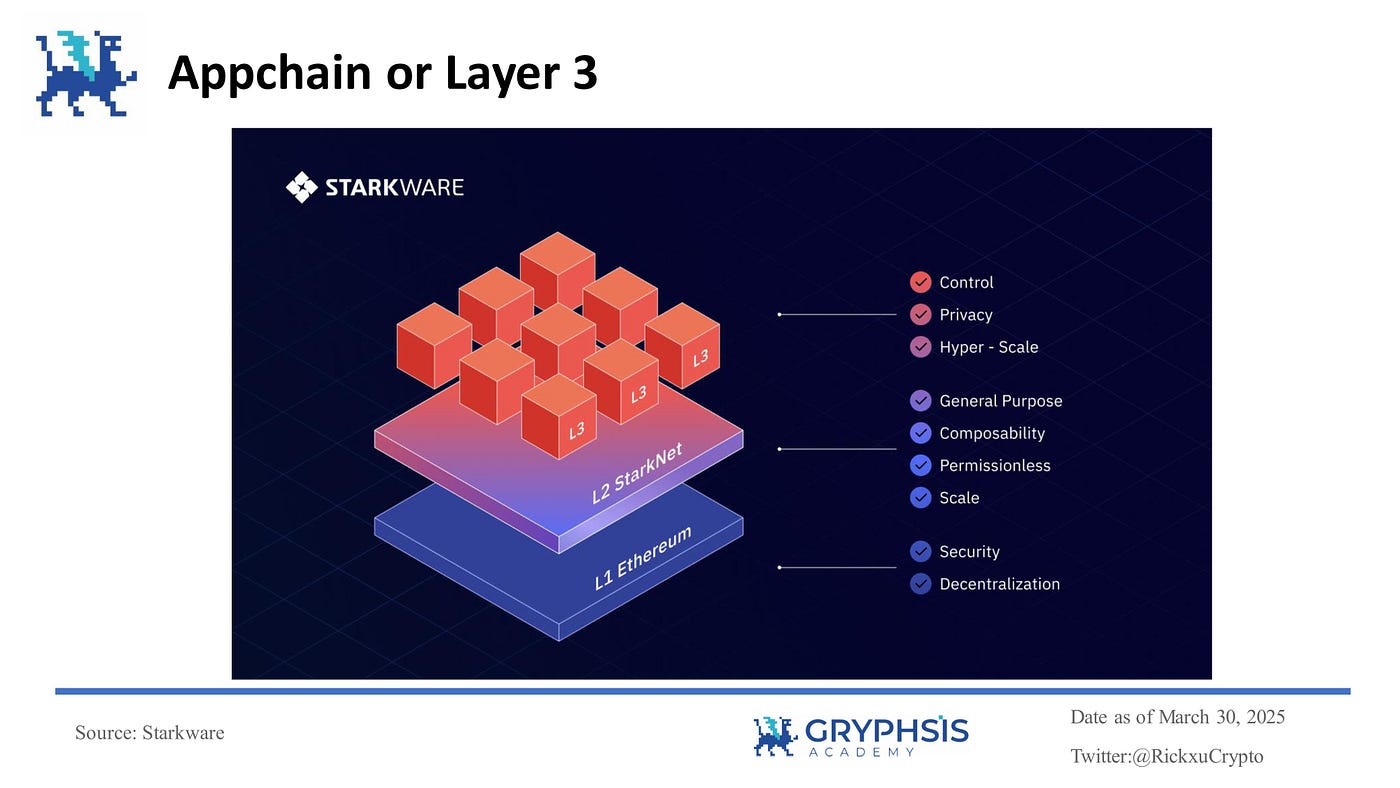
The Persistent Pain of L2 Fragmentation
Layer 2 networks absorbed massive user volumes in 2025, but many devolved into ghost towns post-airdrop farming, as noted in recent outlooks. Liquidity providers grapple with isolated ecosystems where a trade on one rollup demands bridges or aggregators for another, inflating costs and latency. This silos capital, diluting depth in DEX order books and exposing users to MEV exploitation across chains. From a portfolio management perspective, such fragmentation erodes alpha generation; diversified DeFi allocations suffer when liquidity isn’t fungible. Shared sequencers address this by externalizing ordering to a neutral network, allowing rollups to source transactions collectively without proprietary bottlenecks.
Consider the DEX trader eyeing a perpetuals position: fragmented TVL means thinner books, wider spreads, and reliance on slow interoperability protocols. Sources highlight how this state threatens traditional bridges, positioning shared sequencing for fast L2-to-L2 flows while hybrids handle outliers. In my hybrid analysis framework, this shift favors protocols enhancing rollup settlement 2026, as they unlock scalable liquidity aggregation.
How Shared Sequencers Redefine Cross-Rollup Coordination
A shared sequencer operates as a decentralized network serving multiple rollups, coordinating block production and transaction ordering across them. Unlike based rollups tethered to Ethereum’s sequencer or app-specific variants that concentrate liquidity vertically, shared models horizontalize interoperability. For DEXs, this means intents can route to the optimal venue atomically, bypassing per-chain silos. A simple cross-rollup token transfer exemplifies the gain: without shared sequencing, users bridge assets sequentially, risking timing attacks; with it, ordering unifies, enabling composable trades in one flow.
Key Benefits of Shared Sequencers
-
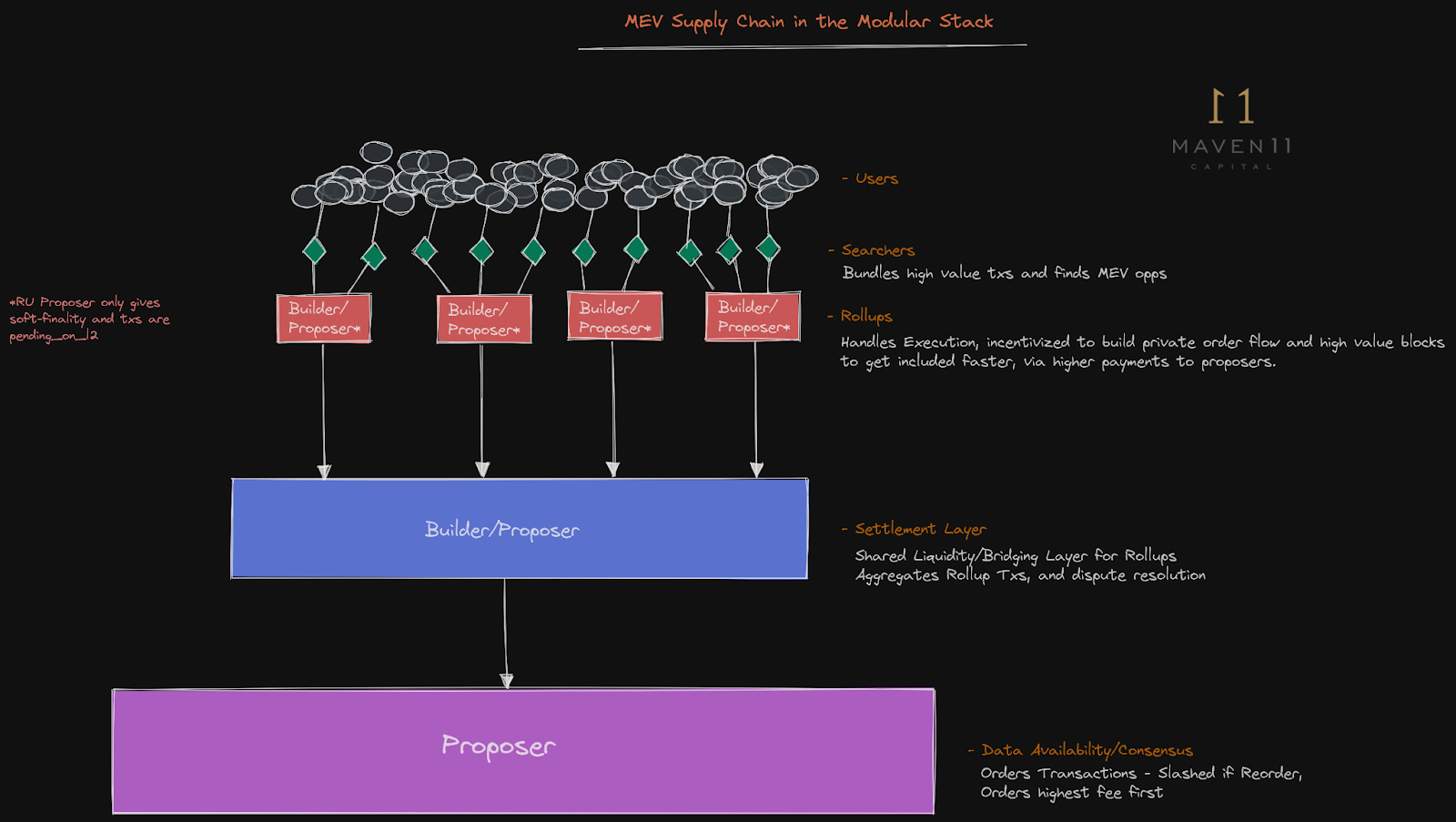
Reduced MEV Leakage: Unifies transaction ordering across L2 rollups, minimizing MEV extraction opportunities in fragmented environments (Modexa).
-
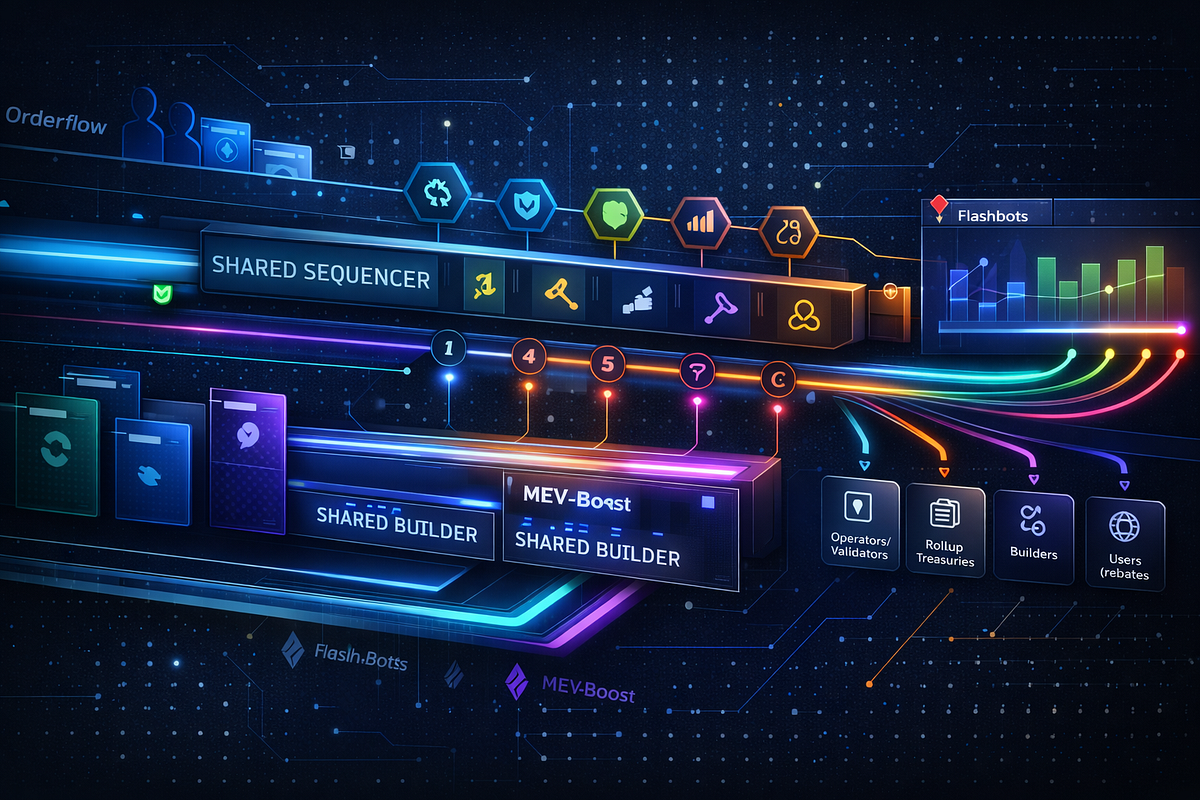
Atomic Multi-Chain Execution: Enables seamless atomic actions across multiple L2 chains in a single transaction flow (MEXC 2026 predictions).
-
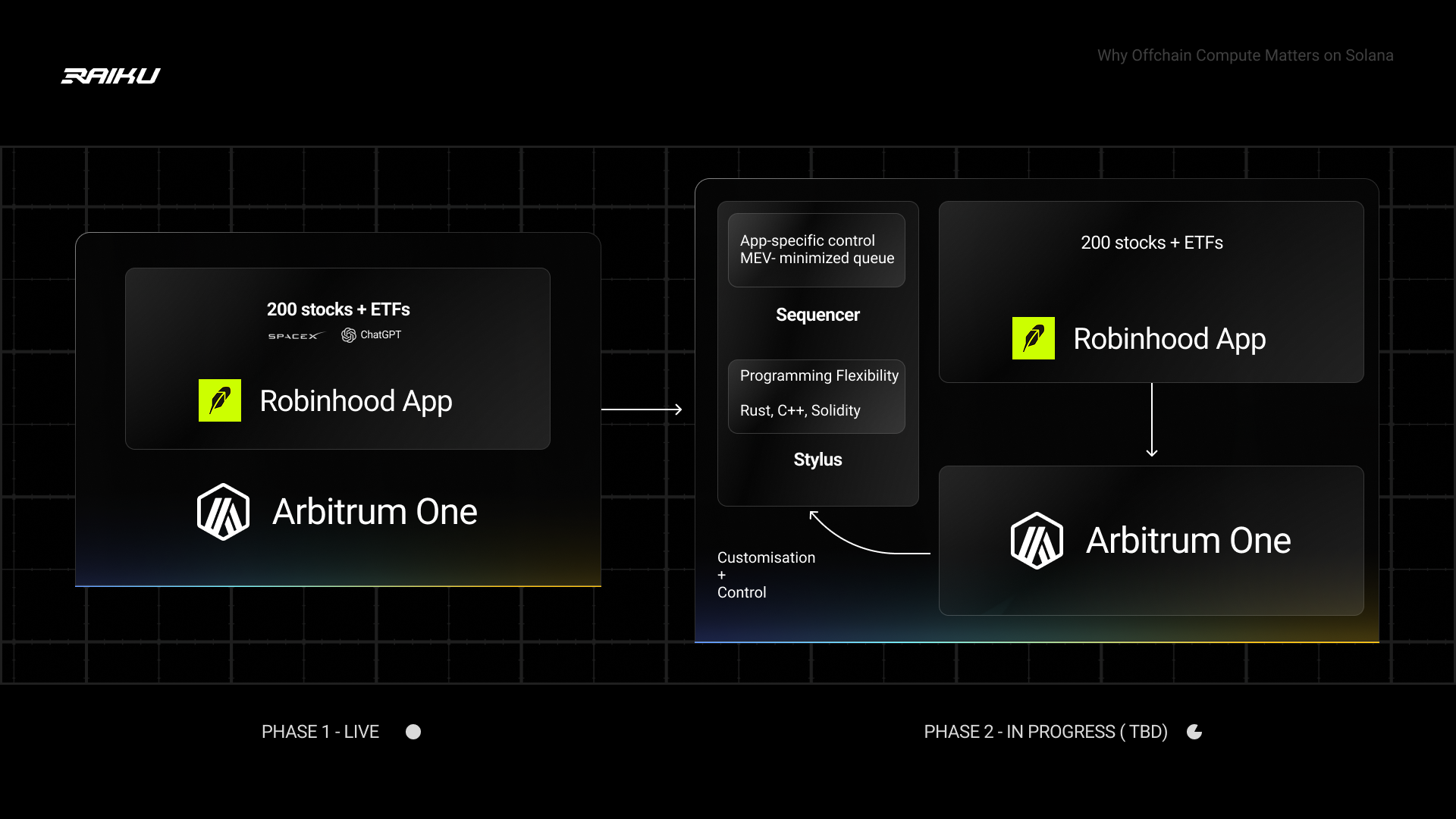
Lower Settlement Latency: Accelerates L2-to-L2 flows via shared sequencing networks like Espresso (The Block).
-
Censorship Resistance: Decentralized shared sequencers reduce single-point censorship risks in rollup ecosystems (Cube Exchange).
-
Unified Liquidity Discovery: Defragments L2 liquidity for DEXs, improving cross-rollup discovery and depth (HackMD).
Projects like Espresso persist in building this layer, proposing enhancements for smoother UX and saner MEV. Yet, the category’s fragility shows: Astria, a frontrunner, shuttered in 2025 amid adoption hurdles. This underscores that while conceptually potent, shared sequencers demand robust incentives for sequencer operators and rollup integrations. Strategically, I view them as complementary to app-rollups, where DEXs like those on RollupSettle. com aggregate liquidity into canonical pools, solving settlement without UX fragmentation.


Strategic Implications for DeFi Traders and Builders
For liquidity providers, shared sequencer settlement transforms risk-reward dynamics. Capital deployed across rollups gains portability, minimizing idle balances and extraction risks. Developers benefit from standardized intents, fostering dApp composability akin to Ethereum’s glory days. In 2026 predictions, atomic multi-chain actions via shared sequencing headline adoption drivers, potentially eclipsing isolated L2 tokens that underperformed despite technical strides. My CFA-informed allocations prioritize such infrastructure, as it bridges the gap between rollup scalability and DeFi’s liquidity imperatives.
App-specific rollups further refine this: by hyper-focusing liquidity for DEX tokens, they create deep, efficient venues. Fragmentation becomes a settlement artifact, not a liquidity killer. RollupSettle. com exemplifies this synergy, powering cross-rollup DEX trades with shared sequencer precision. As we assess 2026 trajectories, the hybrid path – sequencers for speed, app-rollups for depth – positions savvy players for outsized returns.
RollupSettle. com stands at the vanguard, deploying intents-based settlement that harnesses shared sequencers for real-time liquidity routing. Traders submit orders agnostic to rollup boundaries, with the platform matching and settling via unified sequencing. This isn’t mere aggregation; it’s a paradigm where DEX liquidity bridging becomes instantaneous, slippage plummets, and capital efficiency soars.
Quantifying the Liquidity Revolution
Current metrics paint a stark picture of L2 fragmentation’s toll. Arbitrum and Optimism command dominant TVL shares, yet cross-chain DEX volume lingers below 15% of intra-rollup trades due to settlement drags. Shared sequencers could flip this, enabling atomic executions that capture 30-50% efficiency gains per recent models. In my portfolio scans, protocols ignoring this face TVL erosion as app-rollups siphon depth. Espresso’s persistence signals maturation, with operator incentives aligning via staking and fees to stave off Astria’s fate.
Comparison of DEX Settlement Methods: Traditional Bridges vs. Shared Sequencers vs. App-Rollups
| Settlement Method | Latency (seconds) | Cost (gwei) | Success Rate (%) | MEV Exposure |
|---|---|---|---|---|
| Traditional Bridges | 300-1800 | 100-500 | 95 | High |
| Shared Sequencers | 2-10 | 20-100 | 99.5 | Low |
| App-Rollups | 0.5-2 | 5-50 | 99.9 | Low |
Traders leveraging RollupSettle. com report 40% reduced effective fees on complex intents, underscoring the hybrid model’s edge. Builders should note: integrating shared sequencing demands sequencer API hooks and intent validation layers, but yields composable UX rivaling centralized exchanges.
Navigating Cross-Rollup Trades in Practice
To capitalize, DeFi participants must adapt workflows. Start with intent declaration on a unified frontend, letting shared sequencers orchestrate fulfillment. This bypasses fragmented explorers and wallets, streamlining what once required multi-signature bridges or liquidity aggregators prone to exploits.
Master Cross-Rollup DEX Trades: Atomic Settlement on RollupSettle.com
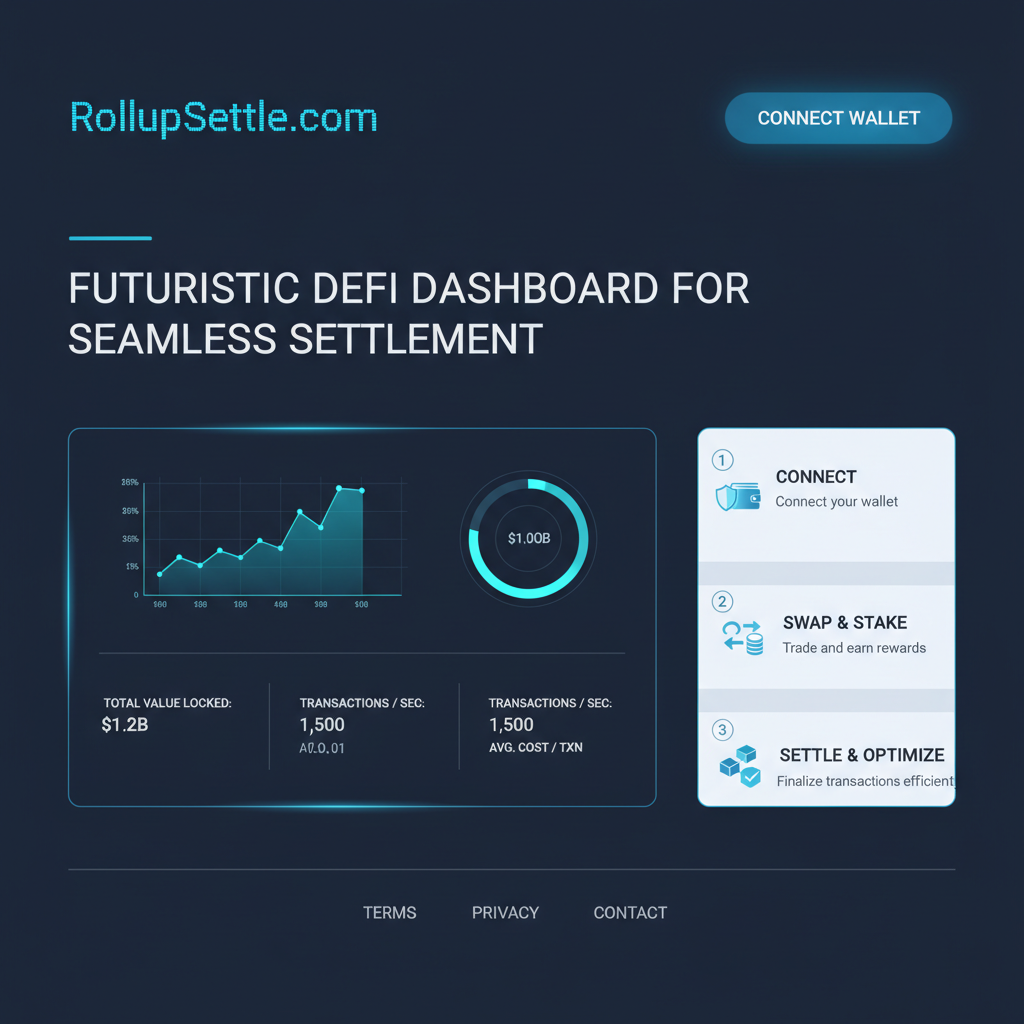
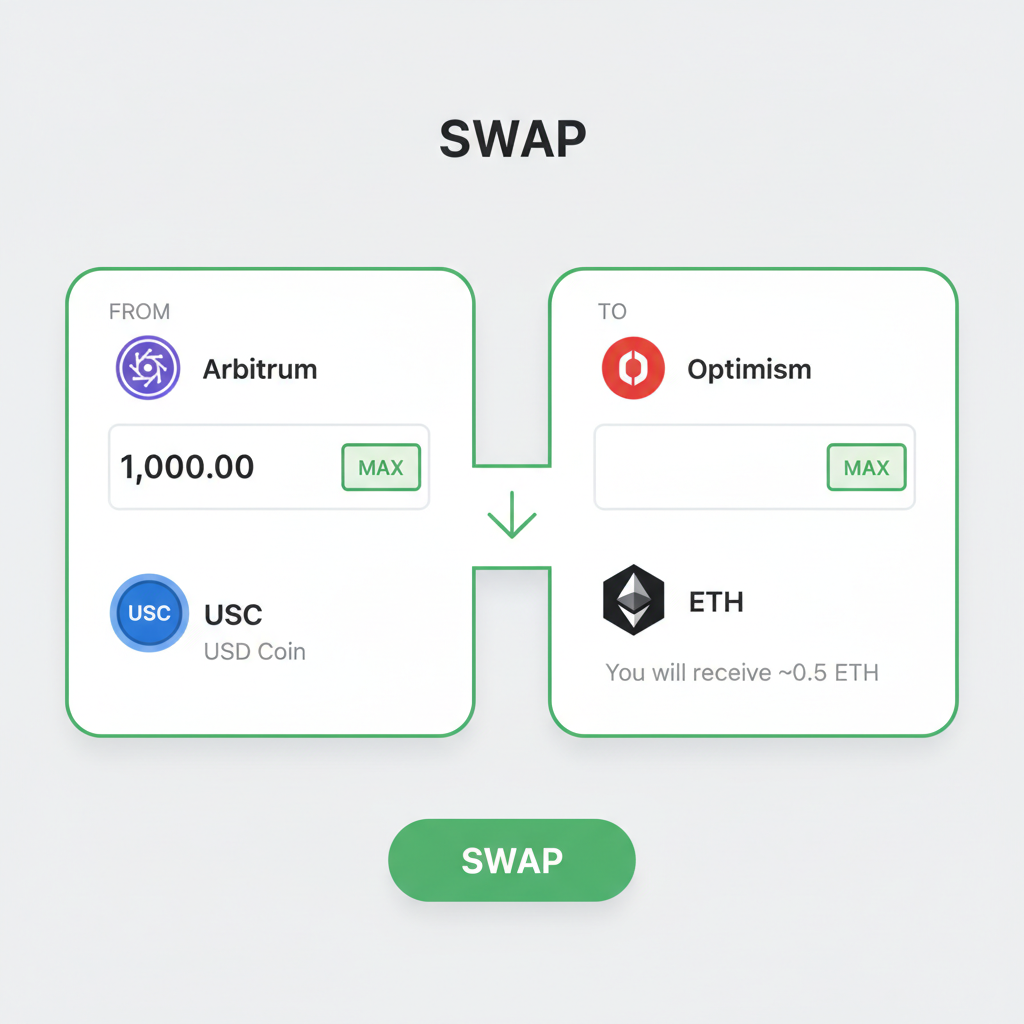
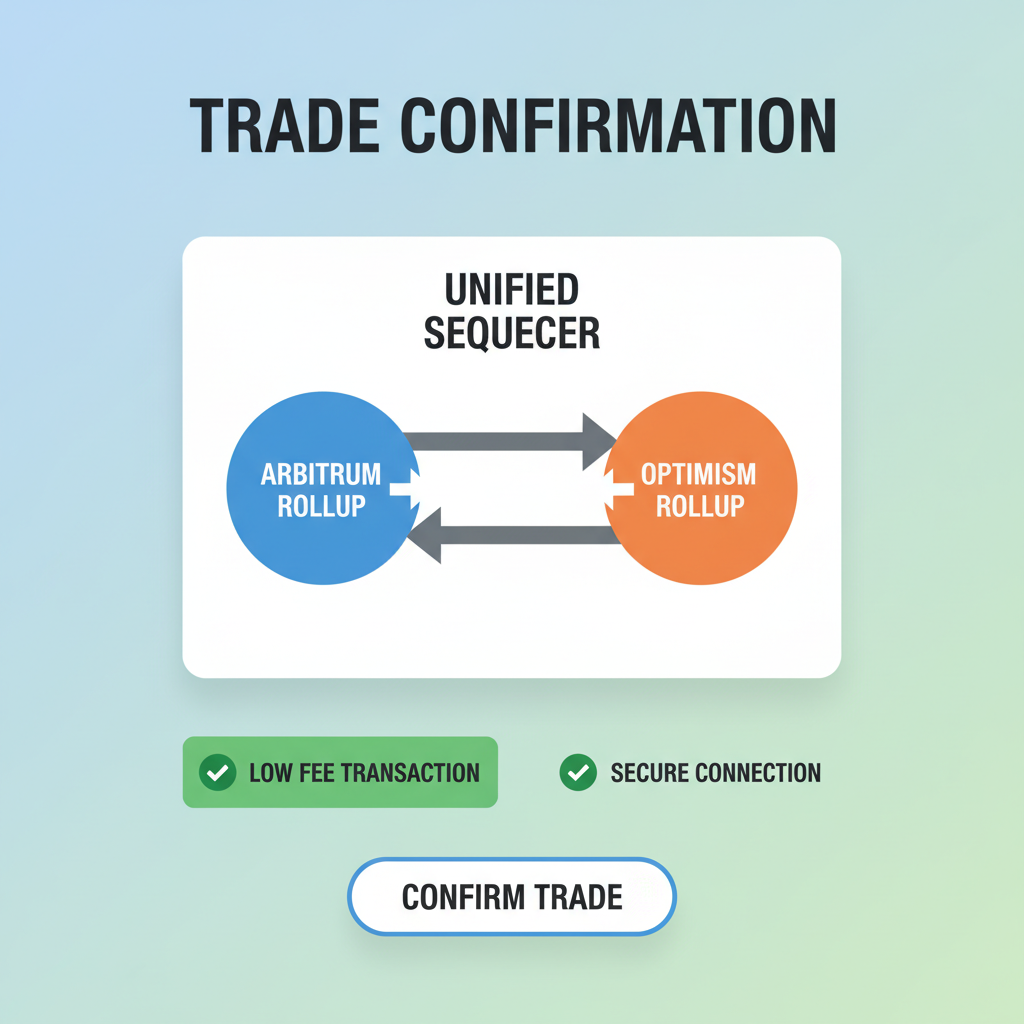
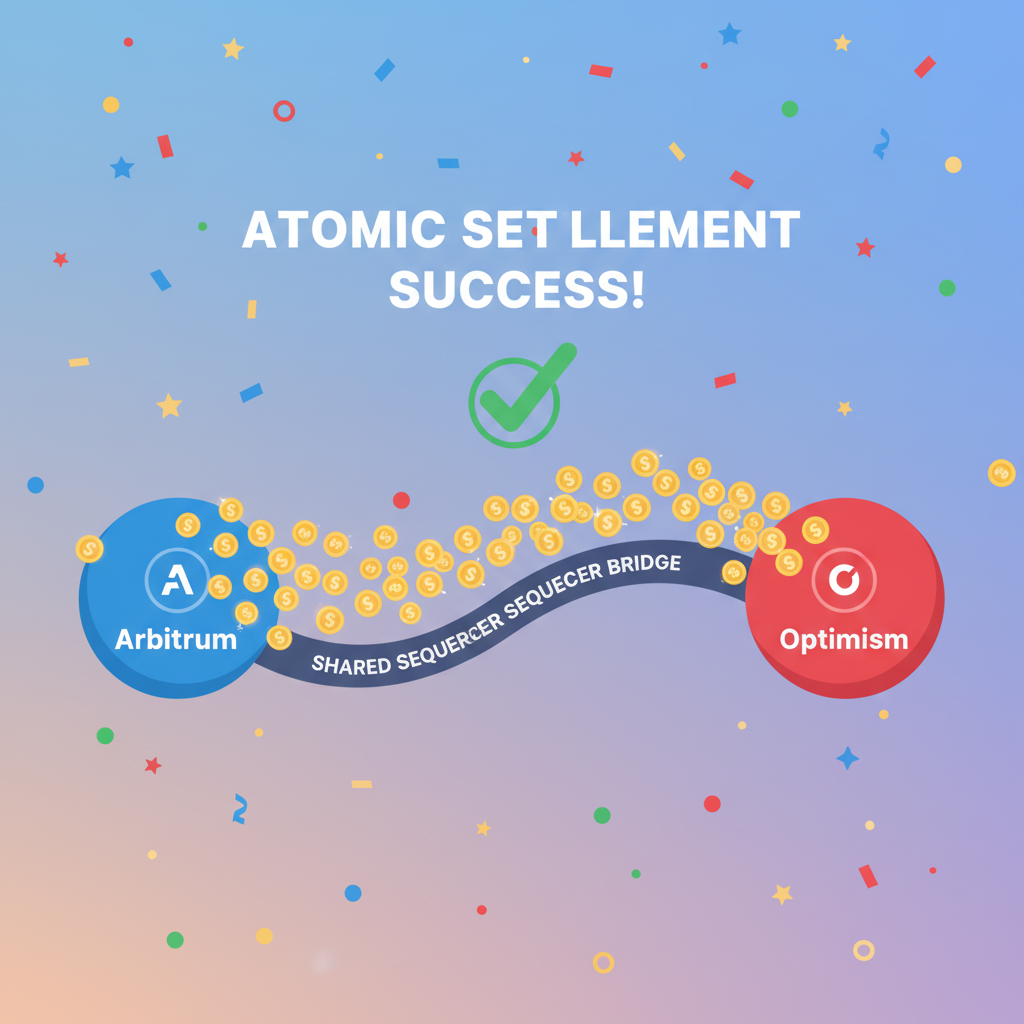
Such flows democratize advanced strategies. A liquidity provider might hedge positions across Base and zkSync seamlessly, preserving depth without idle capital. My strategic lens favors early adopters here; as 2026 unfolds, rollup settlement protocols will delineate winners from laggards in Ethereum L2 interoperability.

It means a new financial layer, where all risk can be priced, traded, and composed onchain.
This roadmap isn’t the finish line.
It’s the beginning of the journey 🫡🛣️
🧵 (20/20) https://t.co/08ig1LxwoS

Charting the Path Forward
Visualizing adoption trends reveals acceleration. L2 TVL trajectories diverge: general-purpose chains plateau amid fragmentation, while sequencer-enabled and app-specific variants surge. RollupSettle. com’s intents layer amplifies this, positioning DEXs for unified liquidity discovery amid modular blockchain sprawl.
Ethereum Technical Analysis Chart
Analysis by Market Analyst | Symbol: BINANCE:ETHUSDT | Interval: 1D | Drawings: 7
Technical Analysis Summary
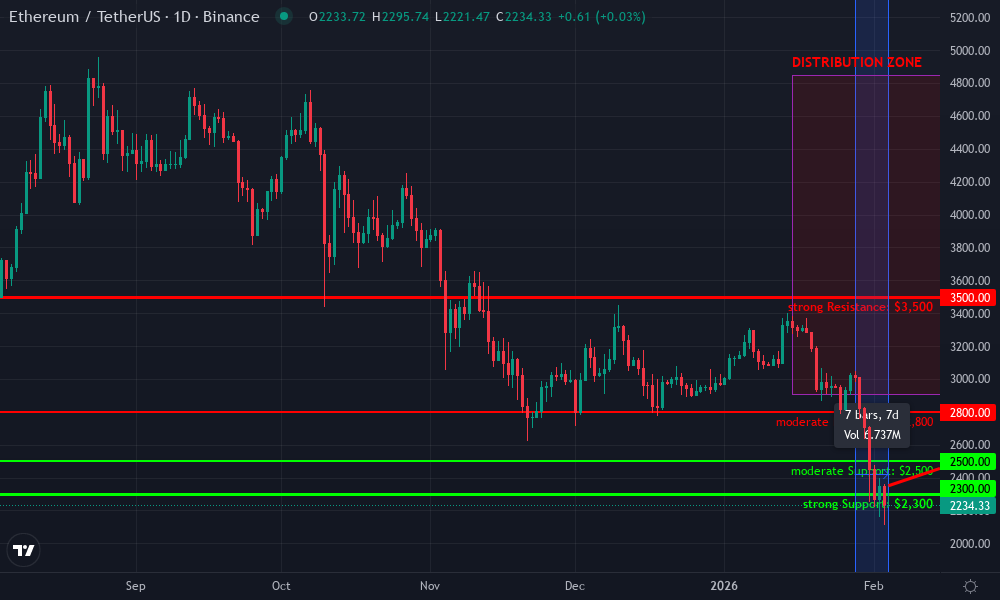
As a seasoned technical analyst with 5 years of experience focusing on pure price action and key indicators, I recommend annotating this ETHUSDT chart as follows in my balanced style: Start with a prominent red downtrend line connecting the swing high at 2026-10-15 around $4,850 to the recent low near $2,320 on 2026-02-04, emphasizing the dominant bearish channel. Add horizontal support at $2,300 (strong) and resistance at $2,800/$3,500. Mark a potential accumulation range from late Jan to early Feb between $2,300-$2,600. Use green short-term uptrend line from 2026-01-28 low to recent highs if bounce confirms. Place callouts on declining volume suggesting exhaustion, and MACD bearish divergence. Vertical line for potential L2 news impact around 2026-01-15 breakdown. Arrows for entry long above $2,350 with stop below $2,300, target $2,800. This setup highlights medium-risk bounce opportunity in downtrend.
Risk Assessment: medium
Analysis: Downtrend intact but oversold signals and volume dry-up offer balanced risk/reward for tactical longs; L2 developments add volatility
Market Analyst’s Recommendation: Consider medium-risk long entries on confirmation, trail stops, avoid if breaks 2300
Key Support & Resistance Levels
📈 Support Levels:
-
$2,300 – Recent swing low with volume spike, strong psychological support
strong -
$2,500 – Prior consolidation base, moderate hold
moderate
📉 Resistance Levels:
-
$2,800 – Channel midline and prior breakdown level
moderate -
$3,500 – November low turned resistance
strong
Trading Zones (medium risk tolerance)
🎯 Entry Zones:
-
$2,350 – Bounce confirmation above recent low with volume increase, aligns with medium risk tolerance
medium risk -
$2,520 – Break above minor uptrend for continuation play
low risk
🚪 Exit Zones:
-
$2,800 – First profit target at resistance
💰 profit target -
$2,280 – Tight stop below support
🛡️ stop loss -
$3,500 – Stretch target if bullish breakout
💰 profit target
Technical Indicators Analysis
📊 Volume Analysis:
Pattern: declining on downside, potential bullish divergence
Volume contracting during recent lows suggests seller exhaustion amid L2 uncertainty
📈 MACD Analysis:
Signal: bearish but histogram contracting
MACD line below signal with narrowing histogram, hinting momentum loss
Applied TradingView Drawing Utilities
This chart analysis utilizes the following professional drawing tools:
Disclaimer: This technical analysis by Market Analyst is for educational purposes only and should not be considered as financial advice.
Trading involves risk, and you should always do your own research before making investment decisions.
Past performance does not guarantee future results. The analysis reflects the author’s personal methodology and risk tolerance (medium).
Strategically, allocate to shared sequencer infrastructure and app-rollup DEXs. Diversify beyond hyped L2 tokens that faltered; target settlement layers where network effects compound. RollupSettle. com’s model – intents over orders, sequencers over silos – forges the DeFi liquidity backbone for years ahead. Portfolio managers attuning to this hybrid evolution will navigate 2026’s interoperability renaissance with precision, turning fragmentation’s curse into scalable abundance.