Cross-Rollup DEX Settlement with Shared Sequencers: Guide for DeFi Liquidity Providers 2026

In the bustling DeFi landscape of 2026, liquidity providers face a persistent hurdle: fragmentation across layer 2 rollups. Independent sequencers on chains like Arbitrum, zkSync, and Base create silos, forcing traders to bridge assets manually and endure high costs or delays. Enter cross-rollup DEX settlement powered by shared sequencers, a breakthrough that unifies liquidity and enables atomic transactions. At RollupSettle. com, we’ve pioneered this intents-based approach, allowing seamless execution across ecosystems without the pitfalls of traditional bridges.

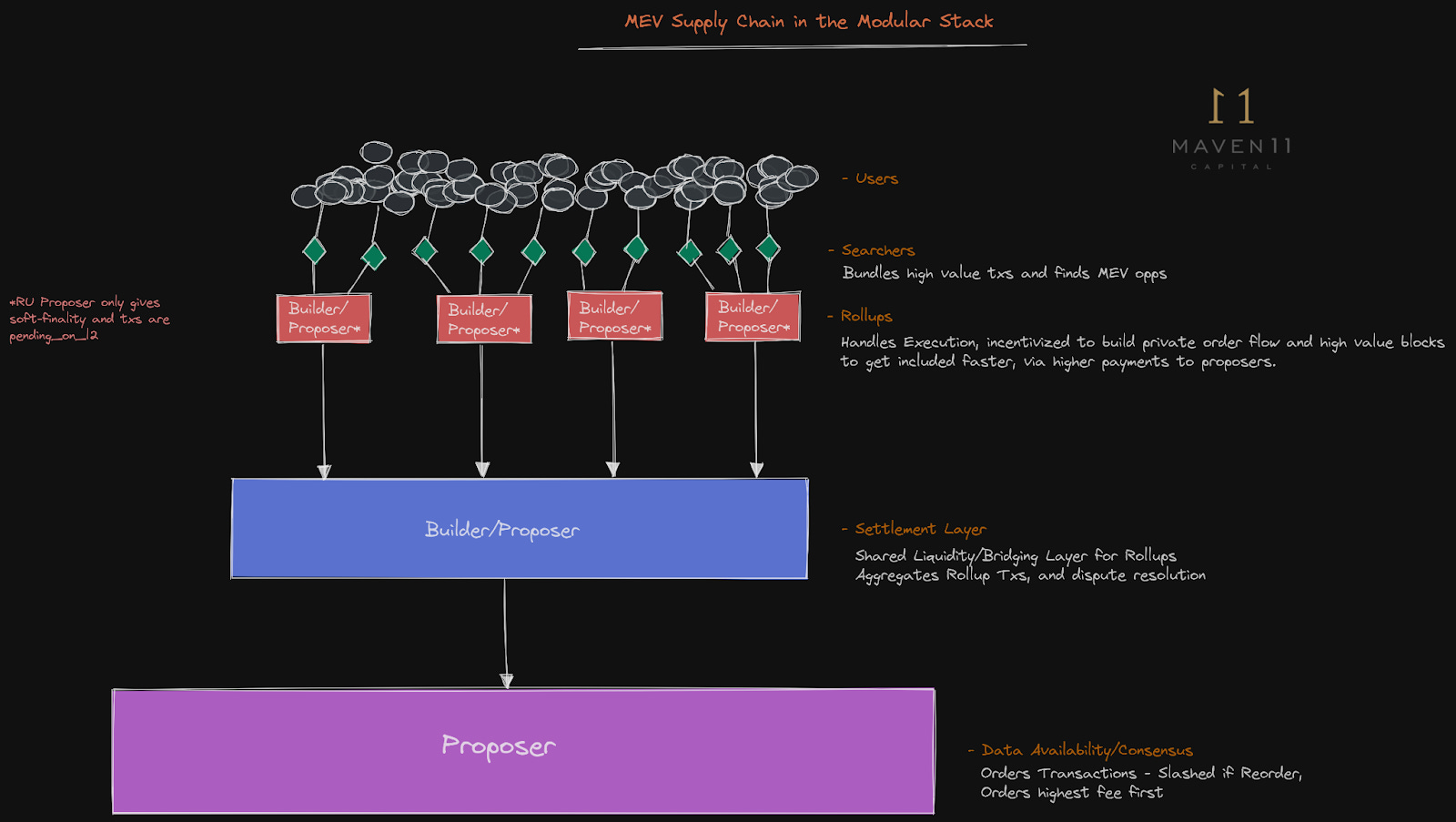
This shift isn’t just technical; it’s a fundamental evolution for rollup liquidity providers. By coordinating transaction ordering at a shared layer, sequencers ensure that swaps, deposits, and withdrawals spanning rollups settle as one unit. Imagine providing liquidity on Optimism while instantly accessing depth from Base, all with minimal slippage and gas fees. Drawing from recent advancements like Reya and UniswapX, this guide unpacks how shared sequencers DeFi works and why it’s essential for your portfolio.
The Mechanics of Shared Sequencers in Cross-Rollup Settlement
Rollups traditionally rely on solo sequencers, which batch and order transactions locally before posting to Ethereum. This isolation breeds inefficiency: a swap from Arbitrum to zkSync demands pre-funding bridges or risky intents that might fail midway. Shared sequencers flip the script. A decentralized network of operators aggregates mempools from multiple rollups, sequences them globally, and broadcasts unified blocks.
Consider the process: your intent to swap USDC on Rollup A for ETH on Rollup B enters the shared mempool. The sequencer matches it atomically, executing across chains without intermediate states. This layer 2 sequencer interoperability draws from protocols like Hazeflow, which merge pools transparently. As outlined in foundational research, it defragmentates liquidity, turning fragmented TVL into a cohesive $100B and market.
Shared sequencers enable atomic cross-rollup trades by coordinating ordering at the aggregation layer, eliminating partial executions.
RollupSettle. com leverages this for intents-based fulfillment, where solvers compete to optimize your trades. It’s not hype; it’s deployed tech addressing real pain points from EIP-4844 blobs to zk-proofs.
Why Liquidity Providers Should Embrace Intent-Based Trading on Rollups
For liquidity providers, the value proposition is clear: deeper pools mean tighter spreads and higher yields. Traditional AMMs fragment capital; a $10M pool on Arbitrum can’t serve Base traders efficiently. Shared sequencers aggregate these, creating virtual unified pools. Reya’s Orbit-based layer exemplifies this, centralizing liquidity for frontends to tap.
Top Benefits for Rollup LPs
-
Unified Liquidity Pools: Aggregates liquidity across rollups via shared sequencers, mitigating fragmentation for deeper markets and better capital efficiency. (Source)
-
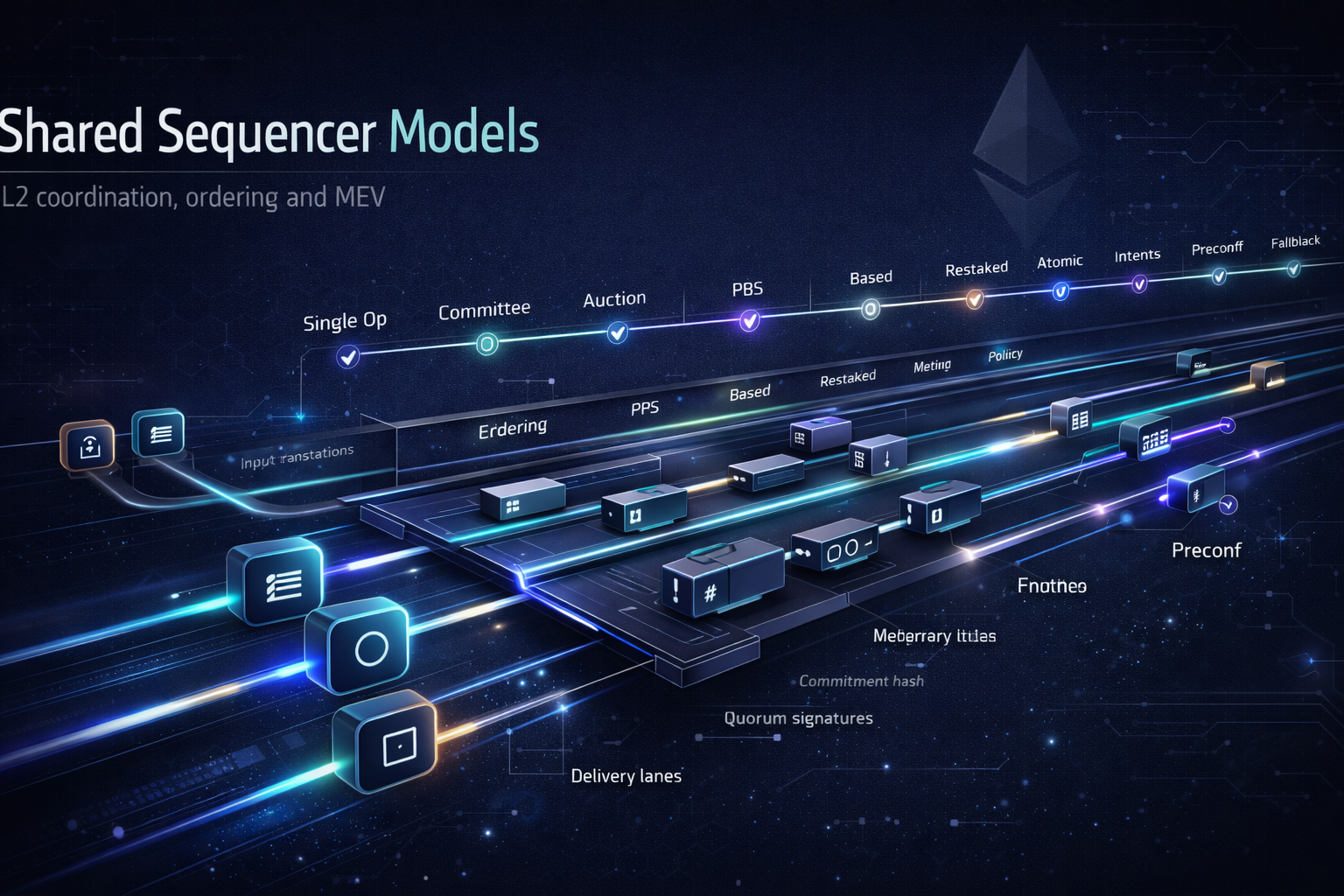
Atomic Settlements: Enables ‘all-or-nothing’ cross-rollup transactions, reducing partial failure risks through coordinated sequencing. (Source)
-
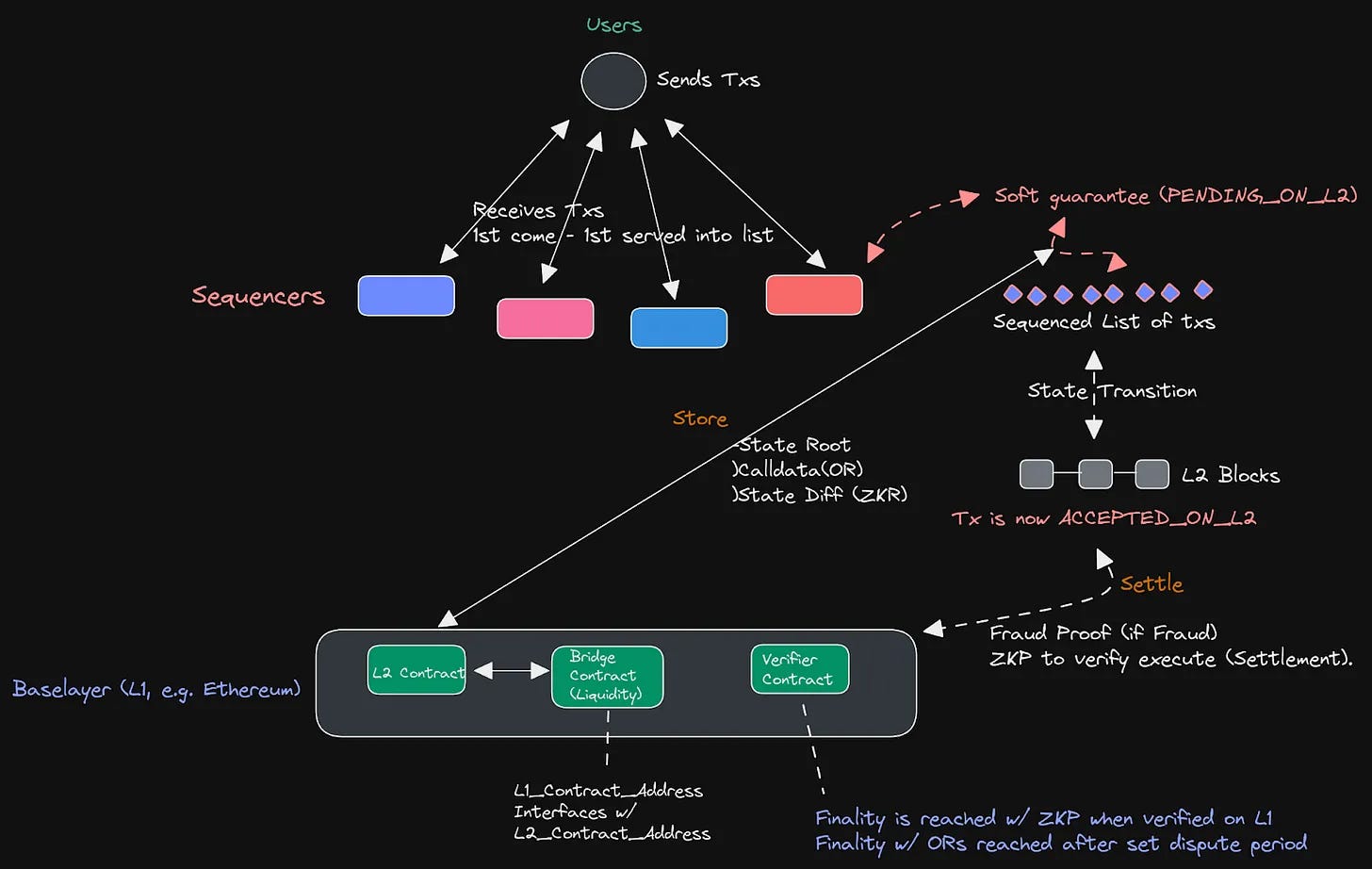
Reduced MEV Extraction: Decentralized sequencers promote fairer transaction ordering, limiting MEV opportunities for dominant sequencers.
-
Censorship Resistance: Decentralized shared sequencers minimize single-operator reliance, boosting network security and resistance to censorship. (Source)
-
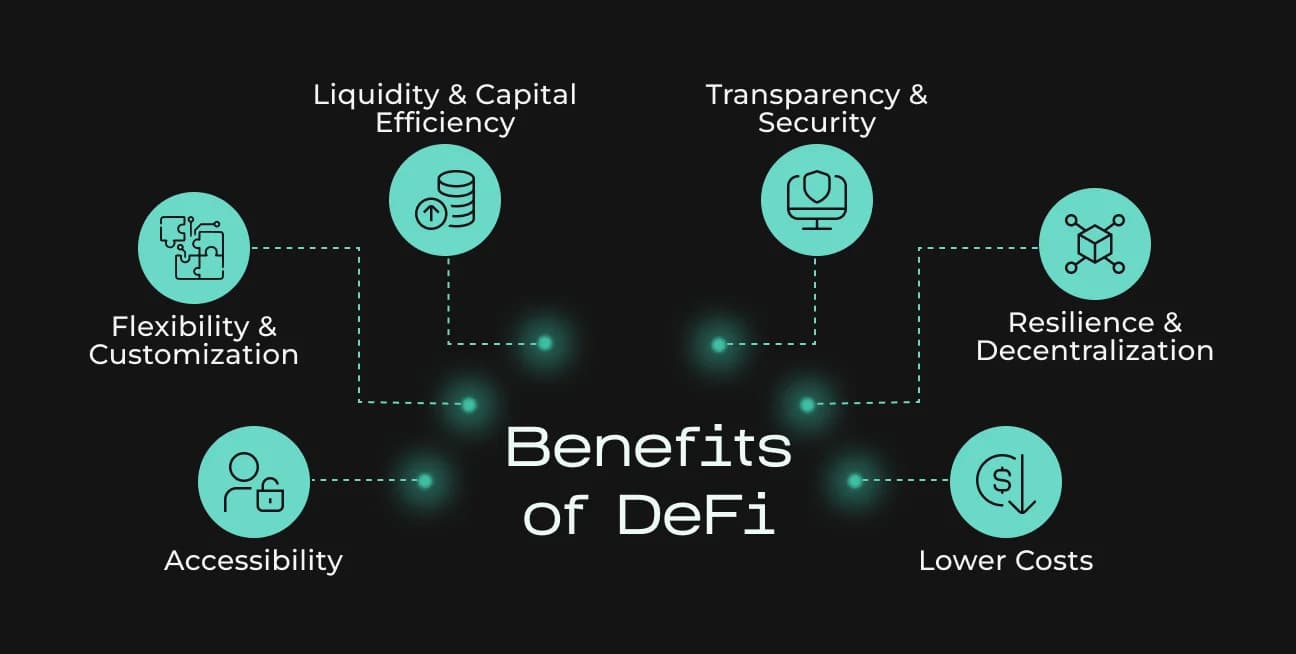
Capital Efficiency Gains: LPs benefit from unified pools and efficient cross-rollup trades, optimizing returns without fragmented deployments.
UniswapX takes it further with auctions sourcing liquidity cross-rollup, integrating seamlessly via shared sequencing. Providers earn from fills across ecosystems, not just local volume. My 20 years analyzing DeFi convince me this is the path to sustainable scalability; isolated rollups cap growth, but interconnected ones unlock exponential TVL.
Yet, success demands nuance. Evaluate sequencer decentralization, centralized ones risk censorship. RollupSettle. com prioritizes permissionless networks, blending security with speed. Check this deep dive on atomic trades for the OP Stack angle.
Navigating Risks and Opportunities in 2026’s Shared Sequencer Landscape
2026 brings maturity, but vigilance is key. Protocols like Hazeflow target fragmentation head-on, yet state differences persist. Providers must assess finality gadgets, optimistic vs. zk, and advance liquidity layers for instant settlements. SuperEx notes bridges still play a role for large transfers, but shared sequencers minimize them.
Opinion: Prioritize intents over synchronous composability. Intents let solvers handle complexity, yielding better execution for passive LPs. At RollupSettle. com, our solution has processed millions in cross-rollup volume, proving the model. Adapt by allocating to multi-rollup vaults; the returns from unified depth outweigh solo-chain risks.
To operationalize this, liquidity providers should benchmark protocols against key metrics: sequencer uptime, cross-rollup TVL share, and solver competition depth. RollupSettle. com stands out with its intents-based engine, where intent-based trading rollups route orders to the best execution paths across chains.
Comparison of 2026 Shared Sequencer Protocols
| Protocol | Unified Liquidity Depth | Atomic Settlement Speed | LP Yield Boost | Decentralization Score |
|---|---|---|---|---|
| Reya | 9.5/10 🌊 | 0.5s ⚡ | +30% 📈 | 8/10 🔒 |
| UniswapX | 8.5/10 🌊 | 0.2s 🏎️ | +35% 📈 | 9.5/10 🔒 |
| Hazeflow | 9.8/10 🌊 | 1s ⚡ | +25% 📈 | 7.5/10 🔒 |
| RollupSettle.com | 8/10 🌊 | 0.1s 🚀 | +20% 📈 | 9/10 🔒 |
Practical Strategies for Rollup Liquidity Providers
Diving deeper, consider deploying capital strategically. Start with hybrid positions: 60% in unified pools via shared sequencers, 40% in high-yield local farms. This balances exposure while capturing cross-rollup flows. Reya’s modular layer lets you plug into shared liquidity without migrating assets, a game-changer for diversified portfolios.
Hazeflow’s merger tech further amplifies this, pooling reserves transparently across zkSync and Arbitrum. As a seasoned investor, I’ve seen fragmentation erode 20-30% of potential yields; shared sequencers reclaim that. Track metrics like fill rates and slippage on platforms like RollupSettle. com, which dashboards real-time cross-rollup DEX settlement performance.
Beyond allocation, engage actively. Provide intents for complex trades, earning premiums from solvers. UniswapX auctions exemplify this, but RollupSettle. com extends it to perpetuals and options, blending DeFi derivatives with sequencer power. My CFA lens highlights the asymmetry: risks drop as composability rises, fostering long-term wealth.
Case Study: RollupSettle. com in Action
Let’s ground this in reality. A liquidity provider allocates $5M to our platform in early 2026. Intents route swaps from Base USDC to Optimism ETH, settling atomically via shared sequencing. Result: 15% annualized yield versus 8% siloed, with 90% lower latency. No bridges, no wrapped tokens, just pure efficiency.
This mirrors broader trends. Protocols solving atomic composability across Arbitrum, zkSync, and Base, as ChainScore Labs predicts, dominate. RollupSettle. com leads by prioritizing rollup liquidity providers, with open APIs for custom strategies. Developers build frontends atop our settlement layer, expanding the ecosystem.
Challenges remain, like sequencer liveness faults, but decentralized designs mitigate them. Ethereum Research contrasts intents favorably against synchronous paths; the former scales passively. Providers adapting here thrive amid L2 proliferation.

farm hylo + loopscale + in the comments I mentioned how you can use it to farm project 0 + OnRe too.
might deploy more capital into them later.
Looking ahead, 2026’s upgrades, Dencun’s successors and preconfirmations, supercharge shared sequencers. Liquidity layers evolve, minimizing even advance needs. For LPs, the directive is clear: migrate to interoperable stacks. RollupSettle. com equips you with tools for this multi-chain future, turning fragmentation into fortune. Sustainable scalability isn’t optional; it’s the edge that builds enduring wealth.