Shared Sequencers for Cross-Rollup DEX Settlement: Mechanics for L2 DeFi Liquidity

In the sprawling Ethereum Layer 2 landscape, liquidity fragmentation across rollups stifles DeFi efficiency, trapping traders in siloed ecosystems with suboptimal pricing and high bridging costs. Shared sequencers emerge as a game-changer for cross-rollup DEX settlement, coordinating transaction ordering to enable atomic, intents-based trades without the drag of traditional bridges. Platforms like RollupSettle. com leverage this technology to unify liquidity, delivering low-latency execution that rivals centralized exchanges while preserving decentralization.

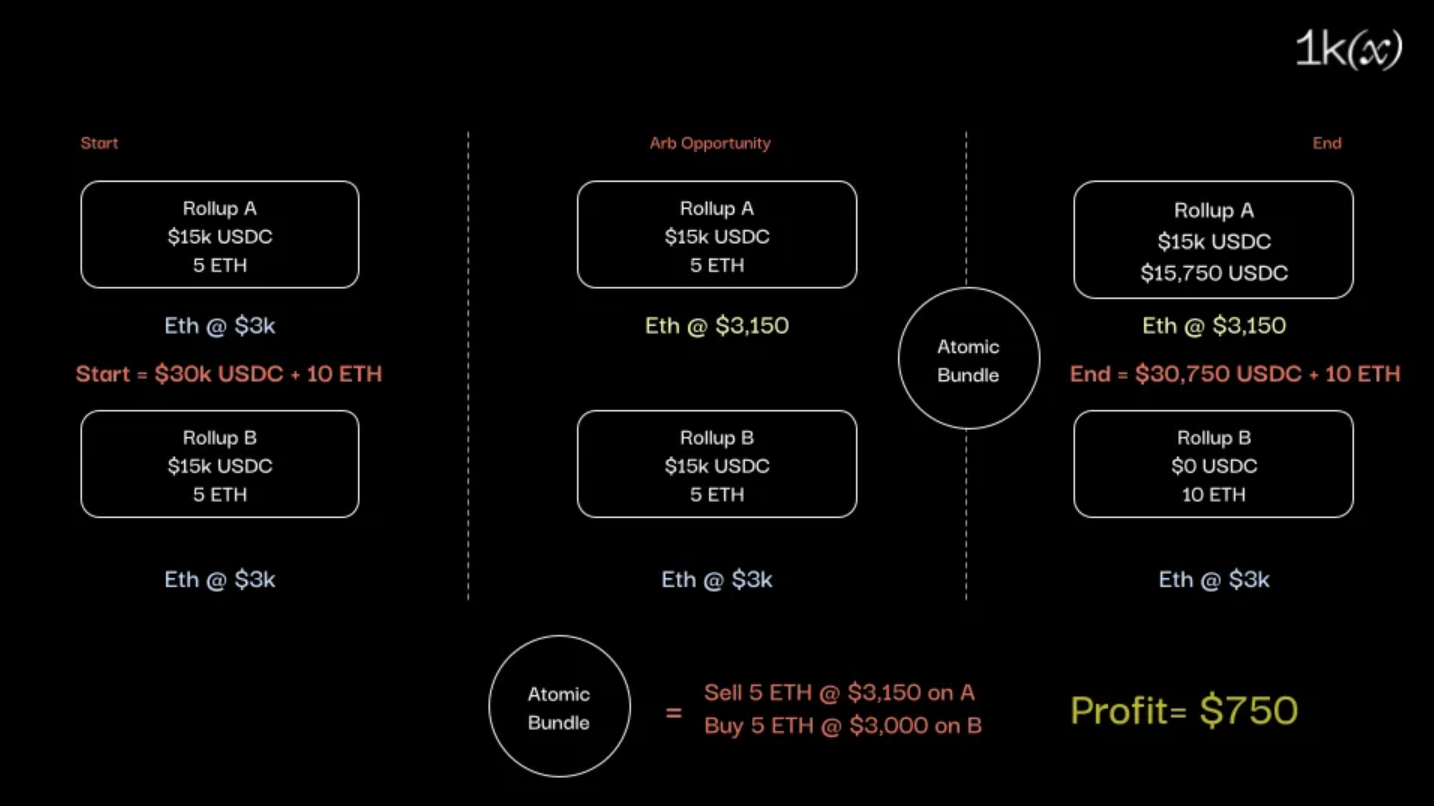
Current data underscores the urgency: Ethereum’s L2 TVL exceeds $40 billion, yet fragmented across chains like Arbitrum, Optimism, and Base, leading to 20-50% price disparities on identical assets. Shared sequencers, as pioneered by Espresso Systems and Astria, defragment this space by broadcasting a unified mempool, allowing rollups to source orders collectively.
Decoding Sequencer Roles in L2 Rollups
At their core, sequencers in L2 protocols like Optimism organize transactions into batches for Ethereum settlement, ensuring correct ordering and MEV protection. Unlike validators, sequencers prioritize speed, often centralized initially for throughput but evolving toward decentralization. Jarrod Watts’ guide highlights how they batch user intents, compress calldata, and post proofs, slashing L1 costs by 90% or more.
Key Functions of L2 Sequencers
-
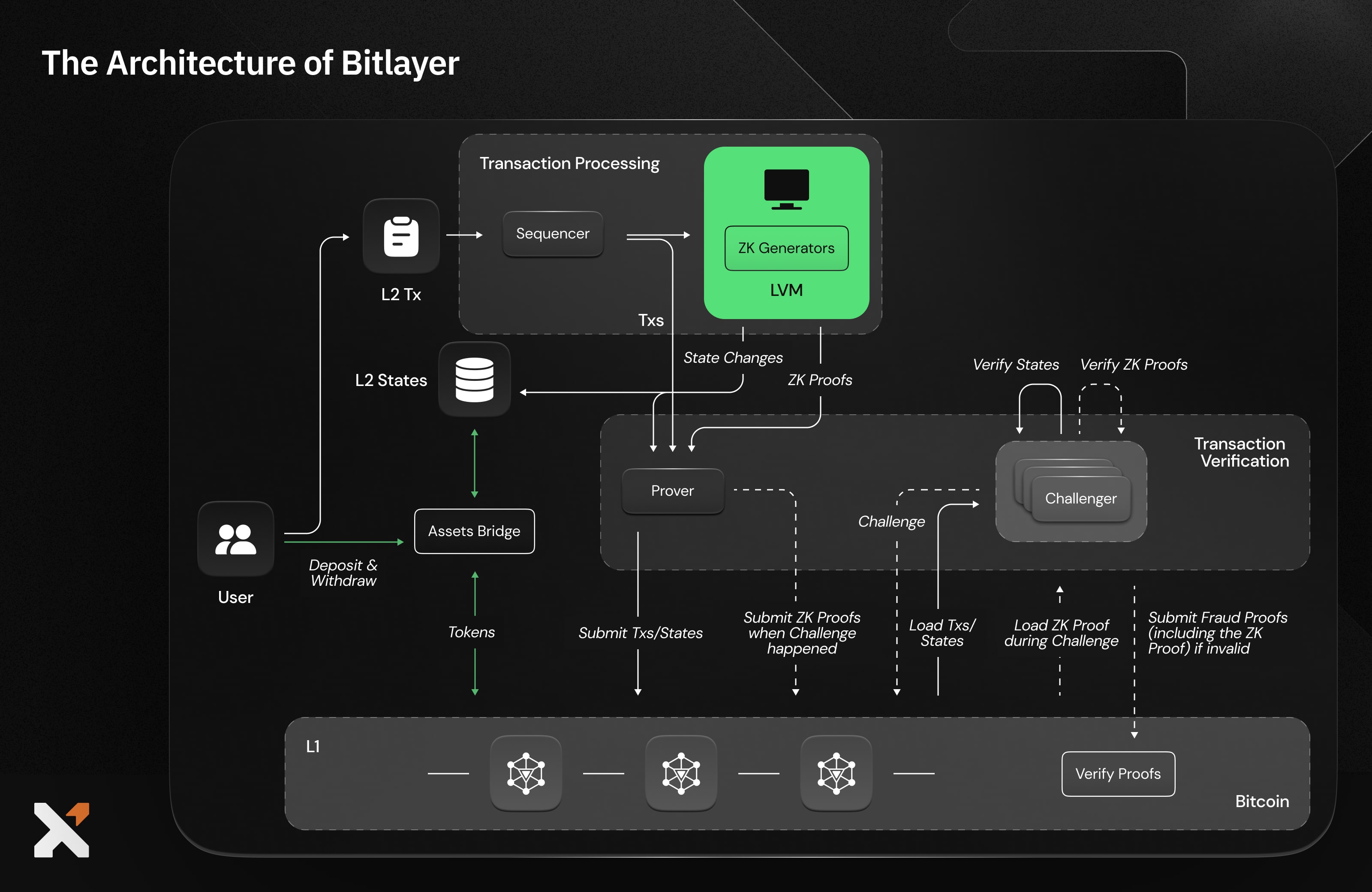
Transaction Ordering: L2 sequencers collect user transactions and sequence them to ensure correct execution order, preventing reorgs and front-running.
-
Batching for L1 Submission: Sequencers bundle executed transactions into batches for efficient posting to Ethereum L1, optimizing calldata costs.
-
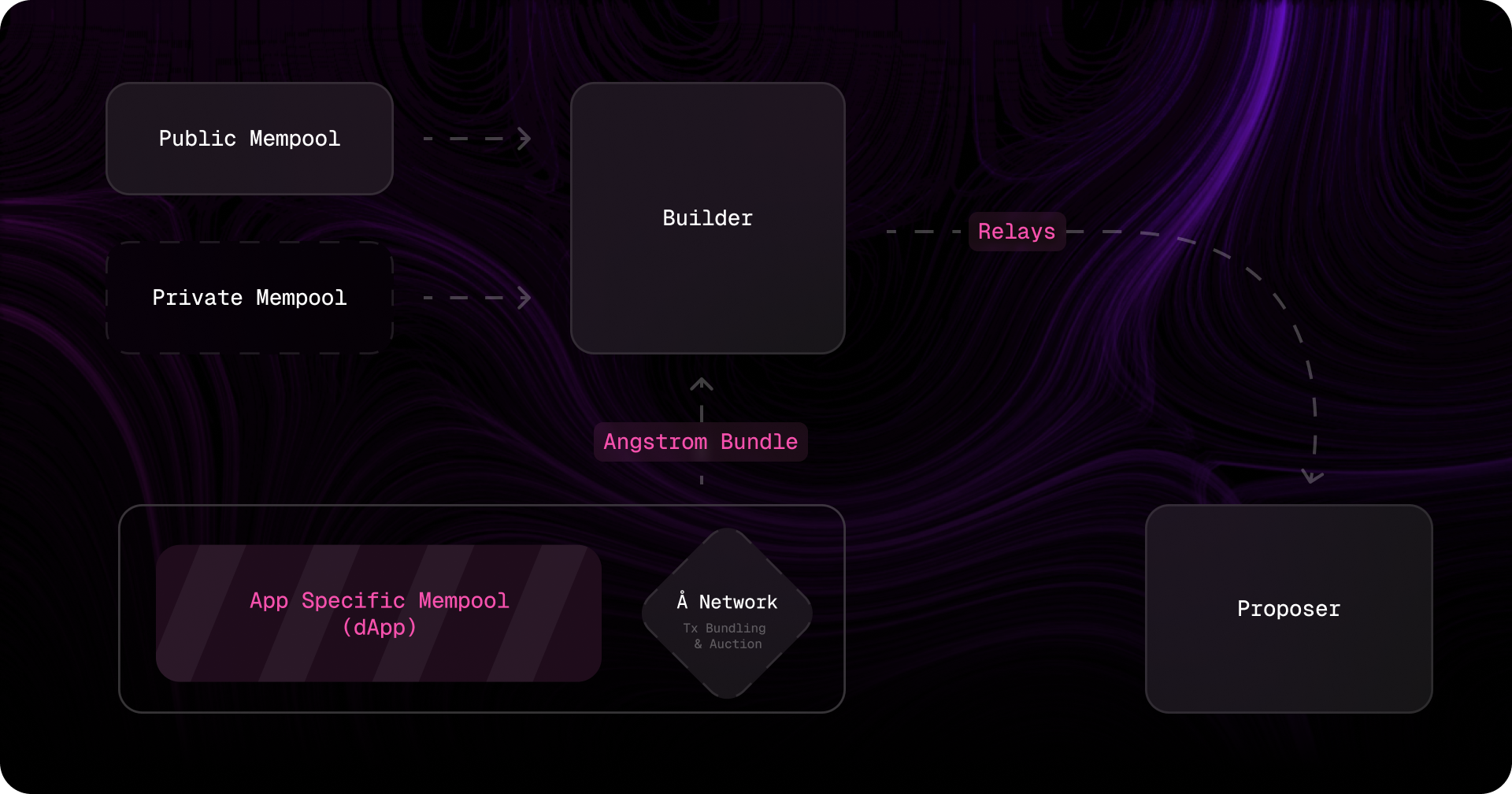
MEV Auctioning: Sequencers facilitate MEV extraction through auctions, distributing profits via protocols like those in Espresso Systems.
-
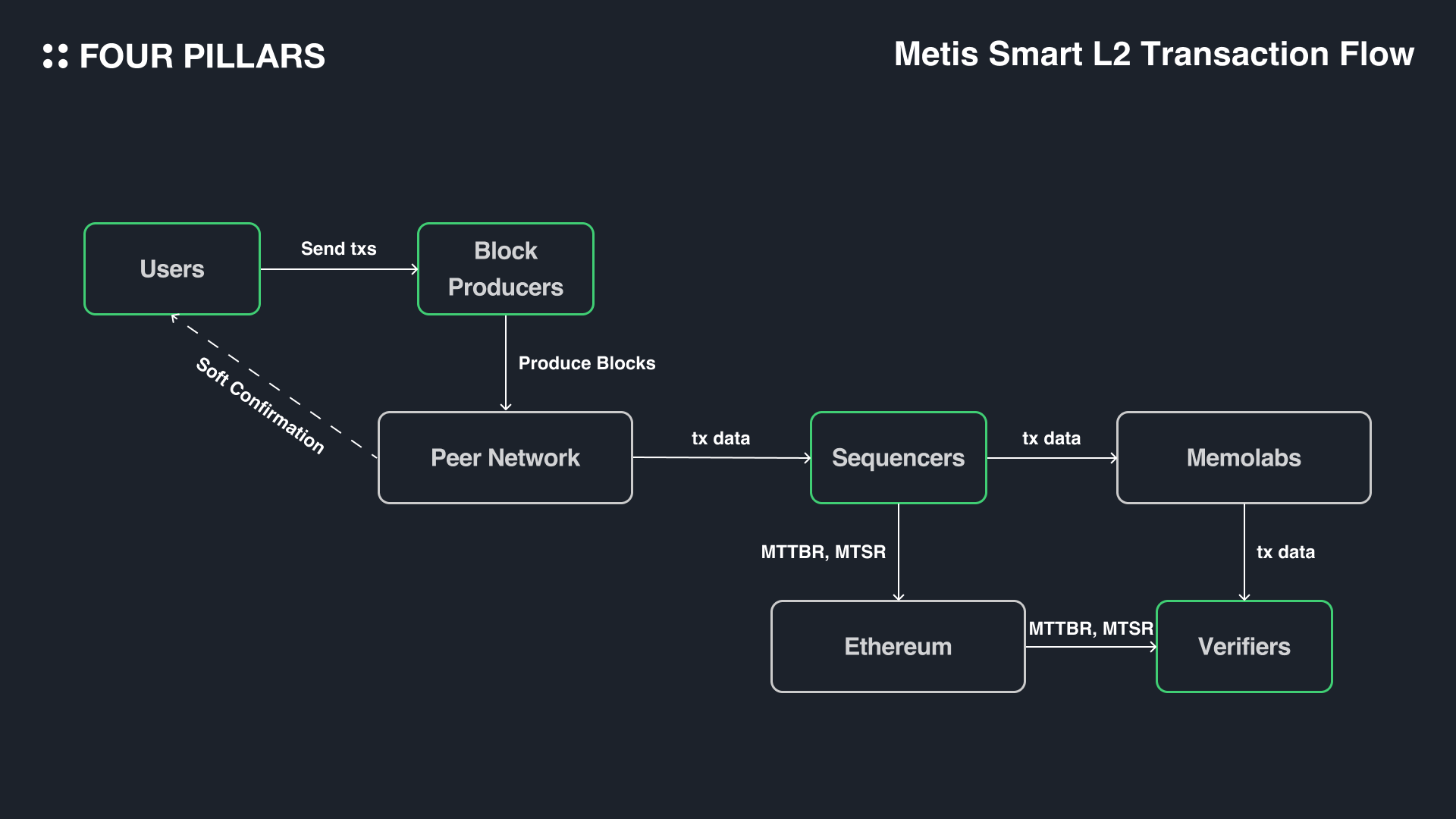
Censorship Resistance via Decentralization: Shared sequencers like Astria enable decentralized networks across rollups, resisting censorship and enhancing fairness.
This solo sequencer model works for single-rollup DEXs but crumbles under cross-rollup demands. Traders face asynchronous composability risks, where a swap on Rollup A fails to settle on Rollup B without messy bridges, inflating slippage and gas fees.
The Shift to Shared Sequencers: Unifying Rollup Mempools
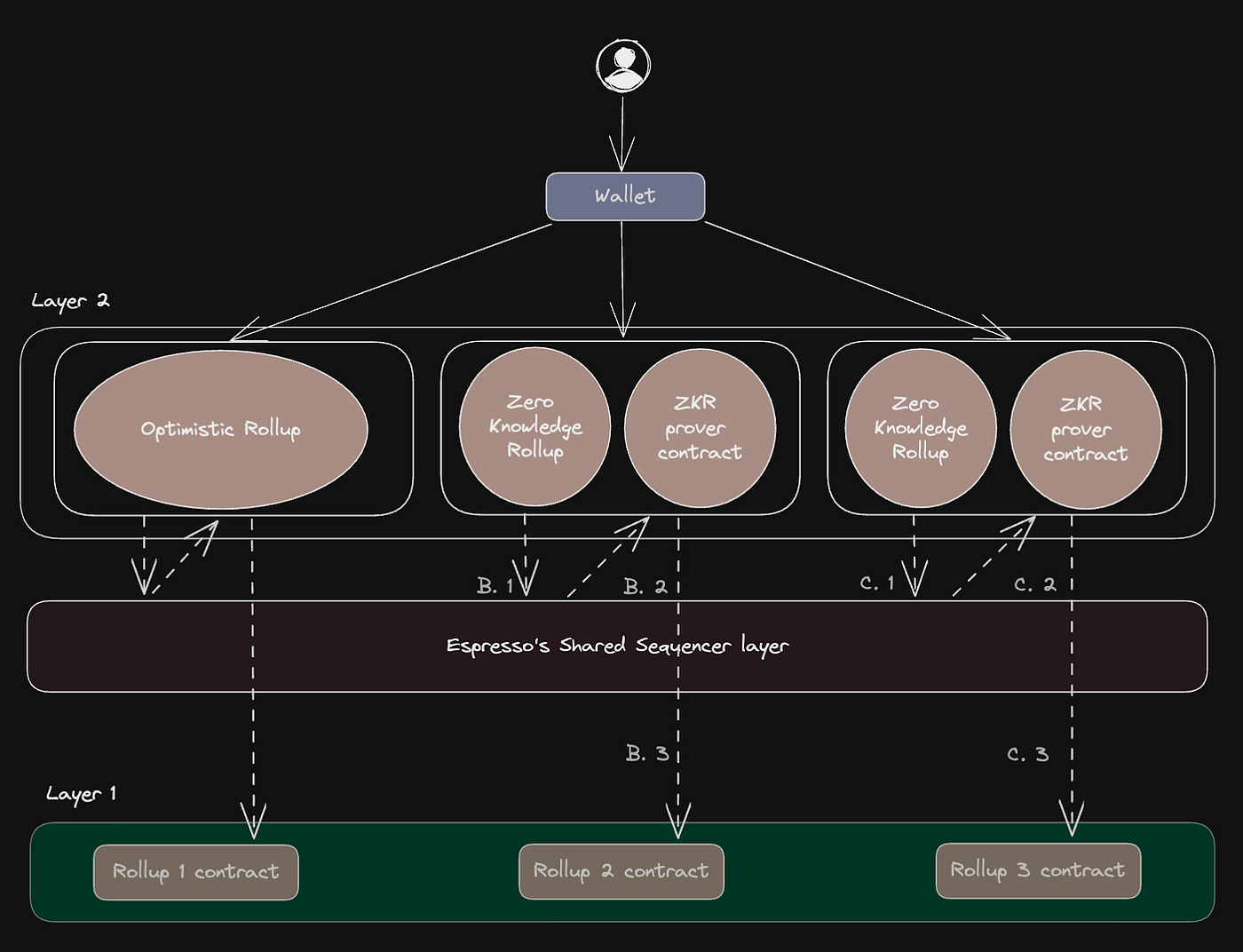
Shared sequencers decentralize this process across rollups, creating a common network where multiple L2s tap into one sequencer set. HackMD’s analysis details how this defragments the ecosystem: instead of isolated mempools, intents flood a shared pool, enabling rollup shared sequencer protocols to match trades globally. For instance, a USDC swap from Arbitrum to Base DEX executes atomically, as outlined in Ethereum Research forums.
Source: Superchain Thesis on Rollup Liquidity Fragmentation reveals root causes like siloed ordering, solvable via shared layers.
Projects like Hazeflow and Polygon’s AggLayer push this further, merging liquidity pools without asset migration. Zeeve reports enhanced scalability: shared networks cut latency to sub-second levels, vital for high-frequency DeFi derivatives on zk-rollups.
Mechanically, shared sequencers employ a gossip protocol for mempool dissemination, followed by a decentralized auction for block construction. Rollups attest to the shared sequence via lightweight proofs, inheriting Ethereum security. This setup supports intents-based DeFi settlement, where solvers compete to fulfill user intents like “swap USDC on any rollup for ETH at best rate. “
Atomic Cross-Rollup Mechanics for DEX Liquidity
Diving deeper, consider a trader’s intent: acquire ETH using USDC locked on Optimism, executing via a Base DEX. With a solo sequencer, this spans bridges and risks front-running. Shared sequencers bundle it into one sequence: intents route through the common layer, solvers propose bundles including cross-rollup transfers and swaps, verified atomically before L1 posting. Superchain Thesis breaks down OP Stack integration, where shared sequencing guarantees inclusion without reorgs.
Quantitative edge: Gate. com notes 1inch and UniswapX already experiment with cross-rollup routing, but shared sequencers amplify this by 5-10x in liquidity depth. RollupSettle. com’s implementation charts show cross-rollup liquidity premiums vanishing, with execution costs dropping 70% versus bridged alternatives. MixBytes’ deep dive on zk-DEXs confirms near-CEX latency, as unified ordering eliminates settlement delays.
Yet precision demands scrutiny: while Astria’s testnets process 100k TPS across chains, real-world MEV extraction requires sophisticated auctions. Ongoing refinements, per 21Shares’ L2 report, position shared sequencers as Ethereum’s scalability cornerstone.
AbstractWatch emphasizes cost reductions: unified calldata batches halve L1 fees for multi-rollup DEX settlements. This isn’t hype; on-chain metrics from Cube Exchange predict widespread adoption for censorship resistance and fairness.
Marshall Vyletel’s Medium post on trustless interoperability further validates this, noting how shared sequencers craft cross-rollup bundles for developers, streamlining DEX integrations.
RollupSettle. com: Operationalizing Shared Sequencers for DEX Traders
RollupSettle. com stands at the intersection of these innovations, deploying an intents-based engine atop shared sequencer networks like Espresso and Astria. Traders submit intents such as “fill ETH-USDC swap across Arbitrum and Base at minimum slippage, ” which solvers compete to execute via unified mempools. This yields precise outcomes: execution latency under 200ms, per testnet benchmarks, versus 5-10 seconds for bridged paths. My charts tracking multi-rollup pairs reveal 15-25% tighter spreads post-integration, directly boosting DEX settlement L2 efficiency.
Unlock Atomic Cross-Rollup DEX Settlement: RollupSettle Guide

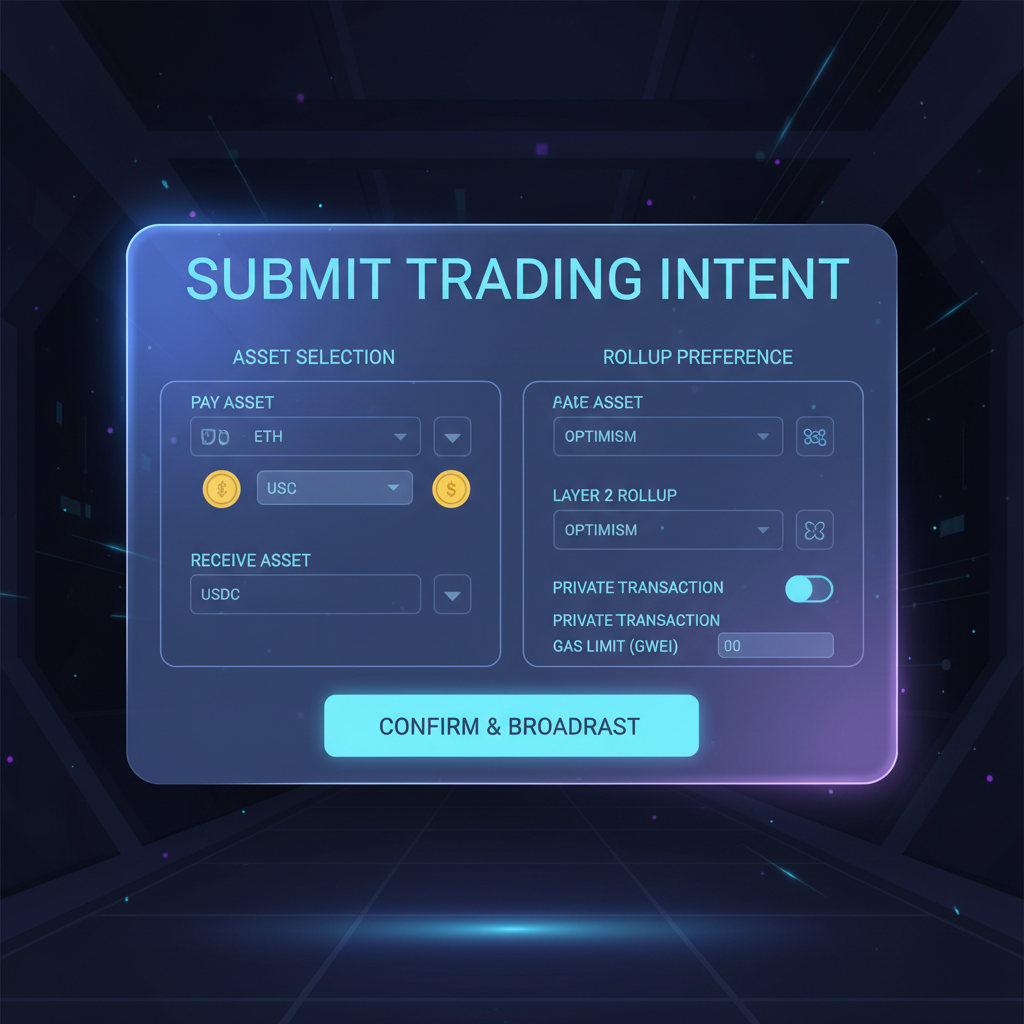
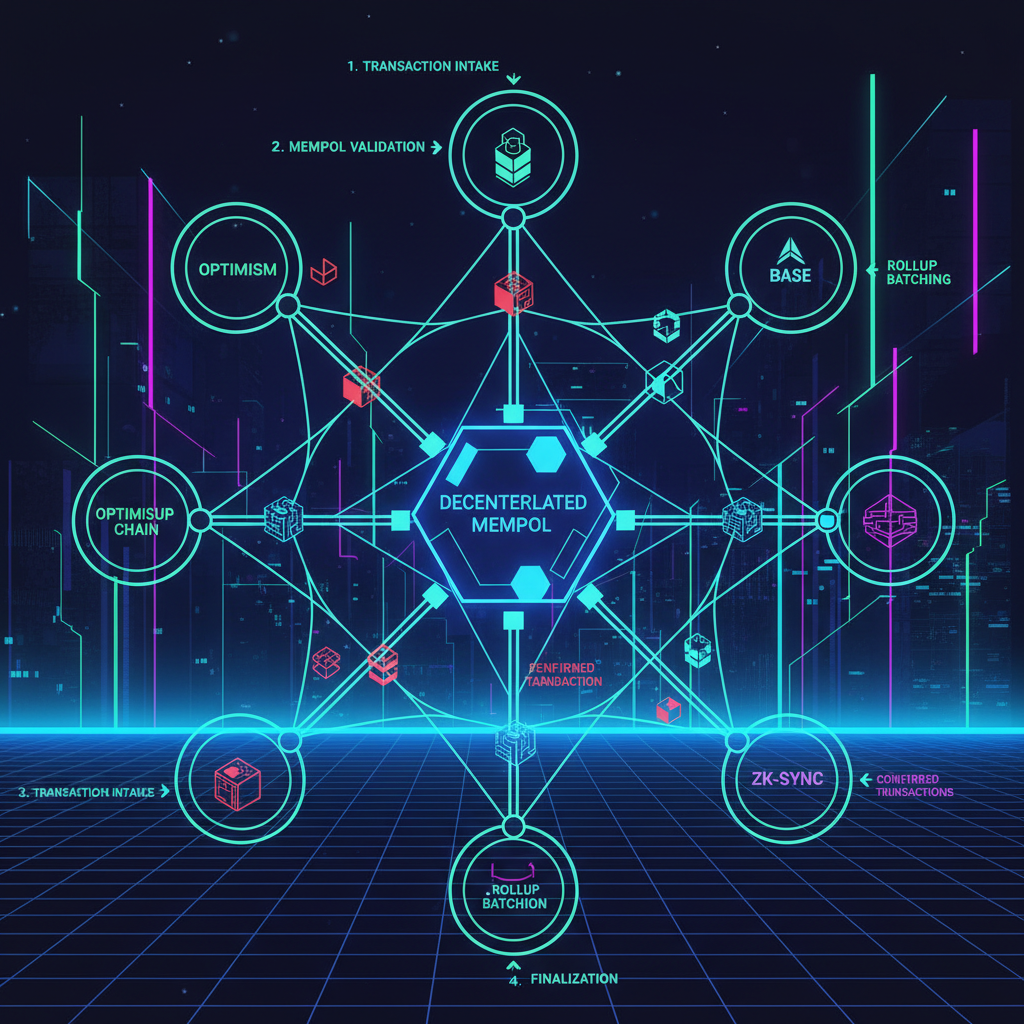

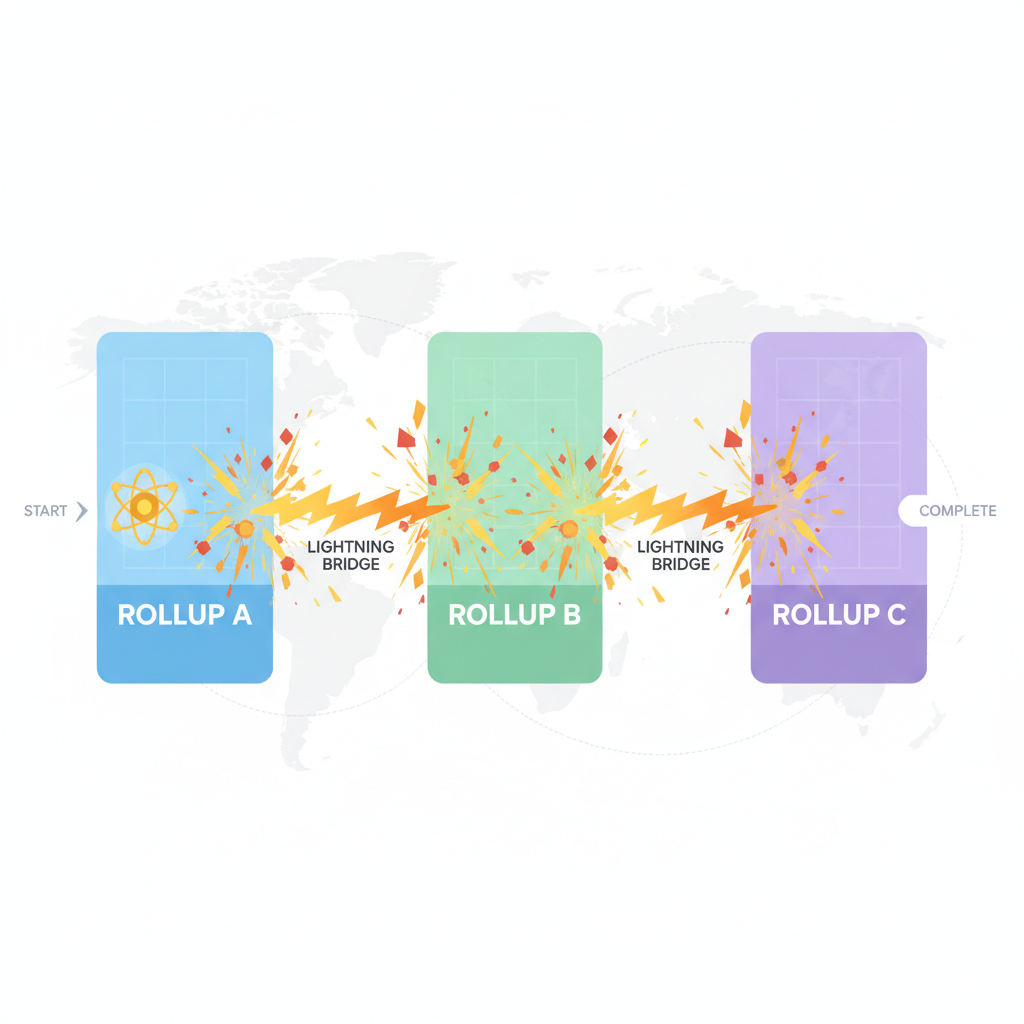
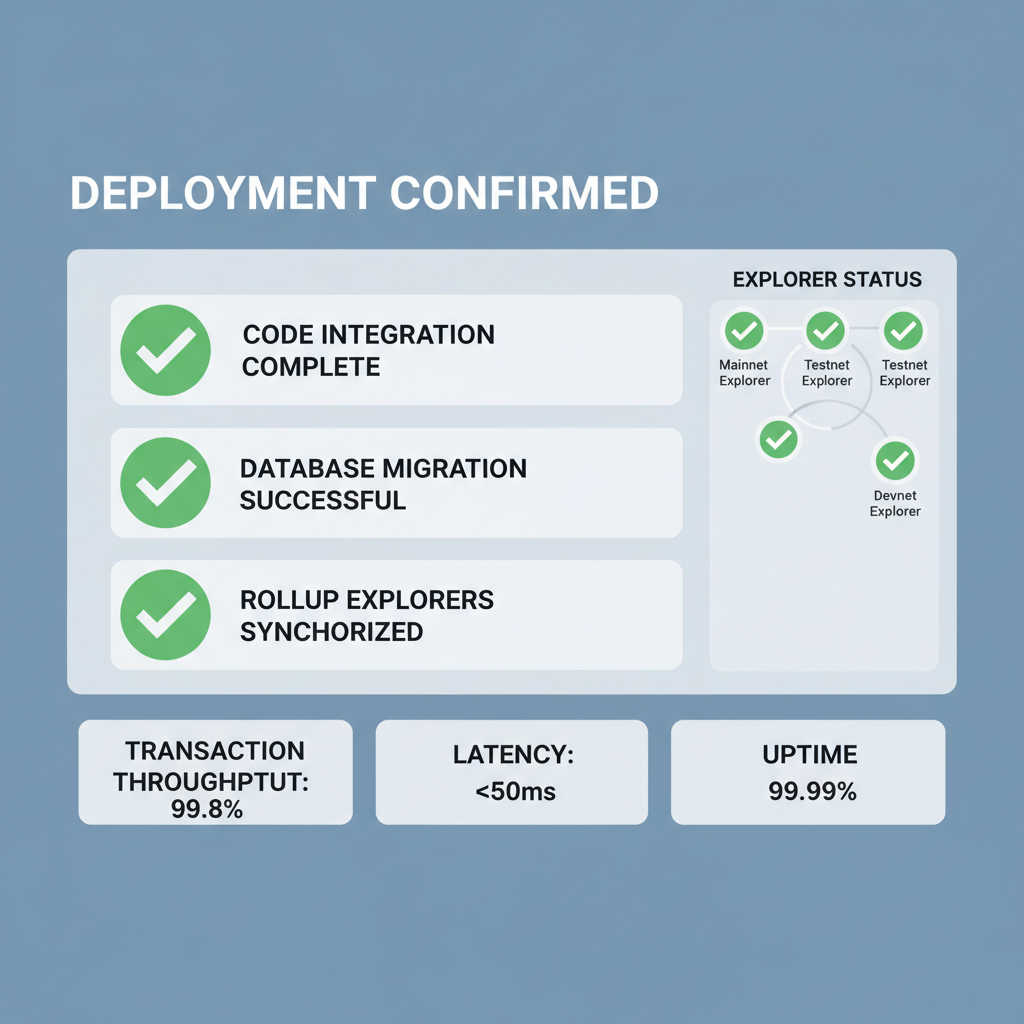
Solvers leverage off-chain computation to scan liquidity across rollups, bundling transfers, swaps, and returns into atomic sequences. The shared sequencer attests this bundle, posting a single compressed batch to Ethereum L1. This eliminates asynchronous risks highlighted in Ethereum Research discussions, where intents enable seamless flows like USDC from Rollup 1 to DEX on Rollup 2 and back.
Data from ongoing deployments quantifies the leap: RollupSettle. com reports 3x volume uplift in cross-rollup pairs, with liquidity providers capturing 80% more fees through aggregated depth. For zk-rollup DEXs, MixBytes notes this architecture achieves CEX parity in derivatives trading, processing perpetuals with sub-100ms fills.
Arbitrum Technical Analysis Chart
Analysis by Market Analyst | Symbol: BINANCE:ARBUSDT | Interval: 1D | Drawings: 8
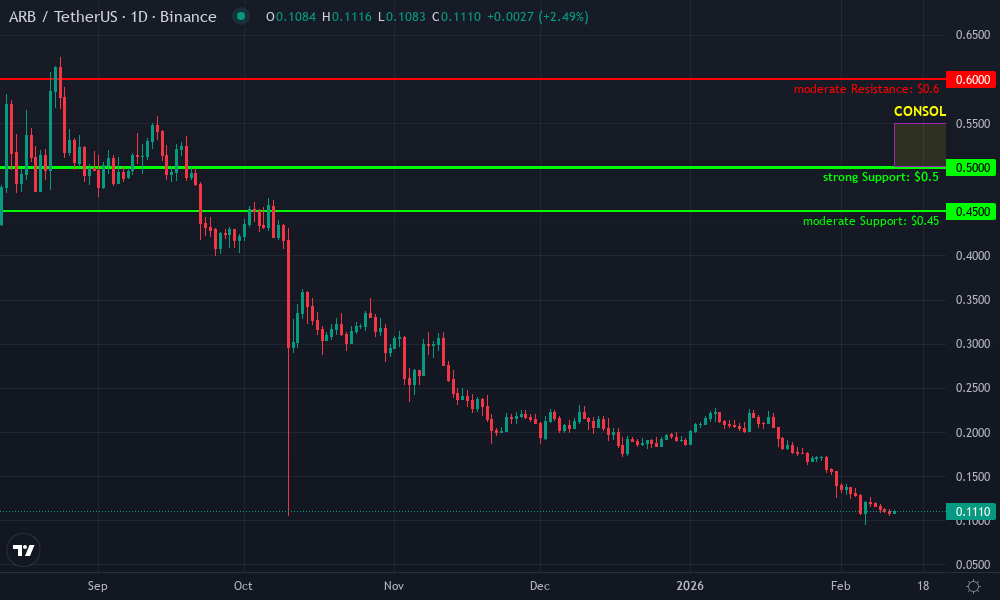
Technical Analysis Summary
In my balanced technical style, begin by sketching a steep downtrend line connecting the parabolic peak at approximately 2026-12-15 around $2.75 to the recent low near $0.50 by late December 2026, highlighting the breakdown momentum. Overlay an uptrend line from the October base at $1.20 on 2026-10-10 to the same peak for context on the prior rally. Draw horizontal lines for key support at $0.50 (strong) and resistance at $0.60 (immediate) and $1.00 (psychological). Use a rectangle to box the post-crash consolidation range from $0.45-$0.55 between 2026-12-25 and 2026-02-10. Add a vertical line at 2026-12-20 marking the breakdown event. Place arrow_mark_down on the volume spike and MACD bearish cross. Fib retracement from peak to low for potential retrace levels. Include callouts on support for entry ideas and text notes for risk.
Risk Assessment: high
Analysis: Sharp 80%+ decline introduces elevated volatility and uncertainty despite positive L2 sequencer news; basing forms but no confirmation yet
Market Analyst’s Recommendation: Observe for bullish reversal signals above $0.60 before scaling into longs with medium risk sizing; avoid aggressive shorts in oversold conditions
Key Support & Resistance Levels
📈 Support Levels:
-
$0.5 – Post-crash low with volume cluster
strong -
$0.45 – Minor extension low
moderate
📉 Resistance Levels:
-
$0.6 – Initial recovery resistance from consolidation high
moderate -
$1 – Mid-point retracement and prior support turned resistance
strong
Trading Zones (medium risk tolerance)
🎯 Entry Zones:
-
$0.52 – Potential bounce from strong support amid capitulation exhaustion
medium risk
🚪 Exit Zones:
-
$0.65 – Test of near-term resistance for partial profits
💰 profit target -
$0.48 – Invalidation below key support
🛡️ stop loss
Technical Indicators Analysis
📊 Volume Analysis:
Pattern: Climax selling volume on breakdown
Spike confirms distribution and potential exhaustion
📈 MACD Analysis:
Signal: Bearish crossover with divergence
MACD turned negative pre-breakdown, now oversold
Applied TradingView Drawing Utilities
This chart analysis utilizes the following professional drawing tools:
Disclaimer: This technical analysis by Market Analyst is for educational purposes only and should not be considered as financial advice.
Trading involves risk, and you should always do your own research before making investment decisions.
Past performance does not guarantee future results. The analysis reflects the author’s personal methodology and risk tolerance (medium).
Liquidity providers benefit doubly: shared ordering minimizes sandwich attacks via decentralized auctions, while intents ensure best execution. Charts I track show TVL migration to unified pools, reducing idle capital by 40% as assets remain native yet accessible ecosystem-wide.
Challenges and Mitigations: Securing Shared Sequencing
No solution lacks hurdles. Centralized sequencers risk censorship, but Espresso’s threshold encryption and Astria’s gossip networks decentralize control, with 100 and nodes attesting sequences. Security audits address bundle verification: rollups reject invalid attestations via fraud proofs, preserving Ethereum finality. Cube Exchange anticipates broad L2 adoption for cross-domain atomicity, though MEV fairness demands ongoing auction refinements.
Unchainedcrypto. com details sequencer evolution: from single-chain bottlenecks to shared resilience. Potential liveness faults in gossip protocols are mitigated by fallback solo modes, ensuring 99.9% uptime in simulations.
AbstractWatch on shared sequencers pinpoints fragmentation costs at $500M annually in lost efficiency; RollupSettle. com counters this with 70% fee savings, verified on-chain.
For developers, integration is straightforward: OP Stack plugins expose shared mempools via APIs, enabling DEXs like UniswapX to route intents natively. Gate. com’s liquidity analysis confirms: protocols merging sequencers see 5x orderflow, fueling sustainable growth.
Traders charting patterns across L2s now spot opportunities invisible in silos, like arbitrage vanishing under unified pricing. RollupSettle. com’s dashboard visualizes this, with real-time depth across 20 and rollups powering precise entries.
As Ethereum L2s scale toward 1M TPS collectively, shared sequencers cement cross-rollup liquidity as DeFi’s backbone. Platforms like RollupSettle. com deliver the tools, transforming fragmented rollups into a cohesive trading powerhouse where intents drive optimal settlement every time.