Cross-Rollup DEX Settlement with Shared Sequencers: Boosting L2 Liquidity in 2026

In the evolving landscape of Layer 2 rollups, cross-rollup DEX settlement stands as a pivotal innovation, powered by shared sequencers DeFi architectures that promise to unify fragmented liquidity pools. As of February 2026, projects like Rome Protocol and CRATE have demonstrated how coordinated transaction ordering across rollups can enable atomic settlements, slashing latency and costs while fostering true L2 liquidity unification. This shift addresses the silos that have long plagued optimistic and zk-rollups, where traders faced prohibitive gas fees and delayed composability for intents-based trades.

Layer 2 ecosystems have exploded in adoption, yet their promise of scalability remains curtailed by sequencer centralization and interoperability hurdles. Traditional rollups operate independent sequencers, leading to disjointed mempools and missed arbitrage opportunities. Enter shared sequencers: a strategic layer that batches transactions from multiple chains into cohesive blocks, ensuring fair ordering and reducing MEV extraction risks. This mechanism not only boosts efficiency but also paves the way for rollup interoperability at scale, as evidenced by recent integrations drawing from Solana’s high-throughput backbone.
Navigating Sequencer Centralization in Rollup Ecosystems
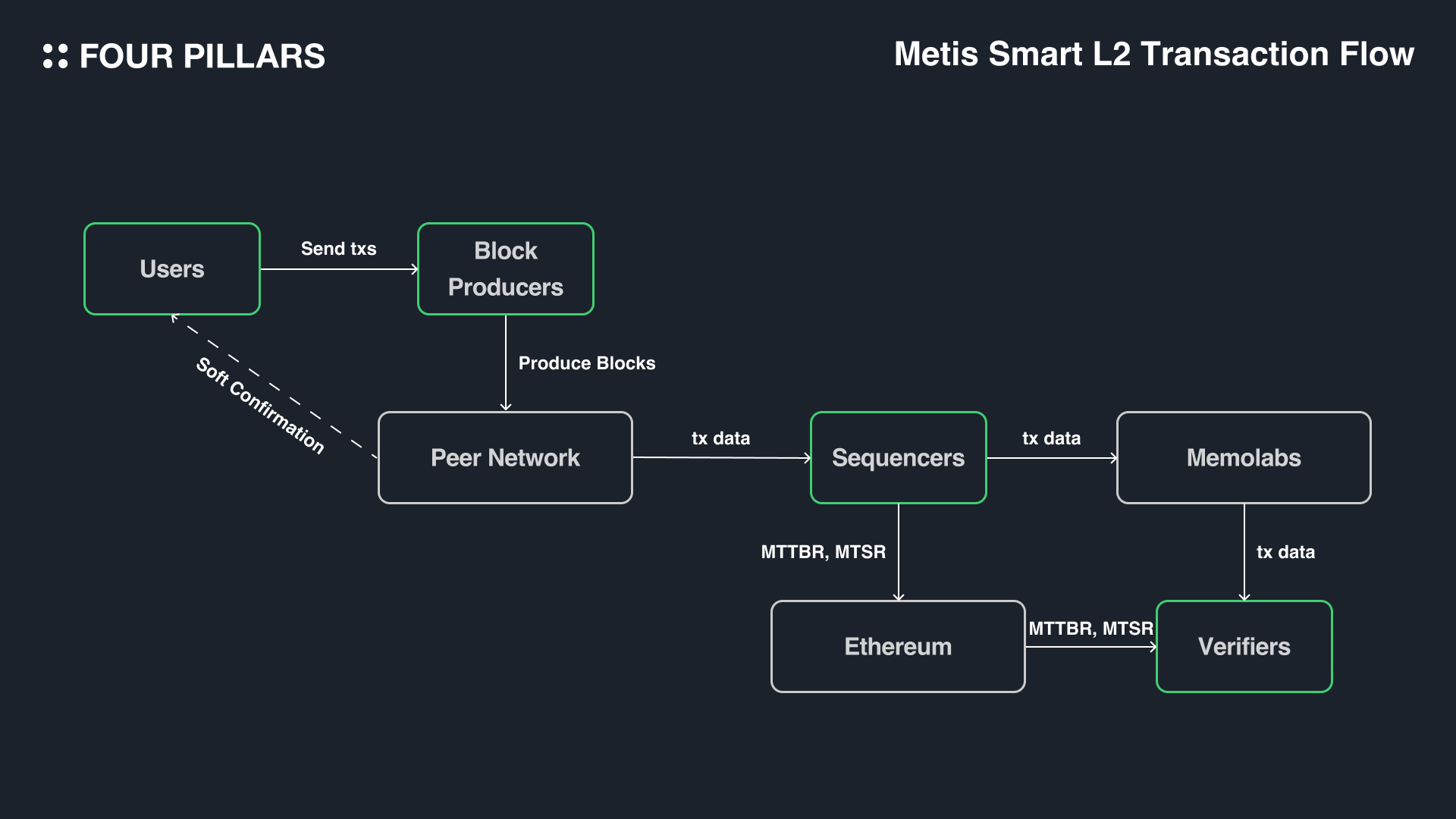
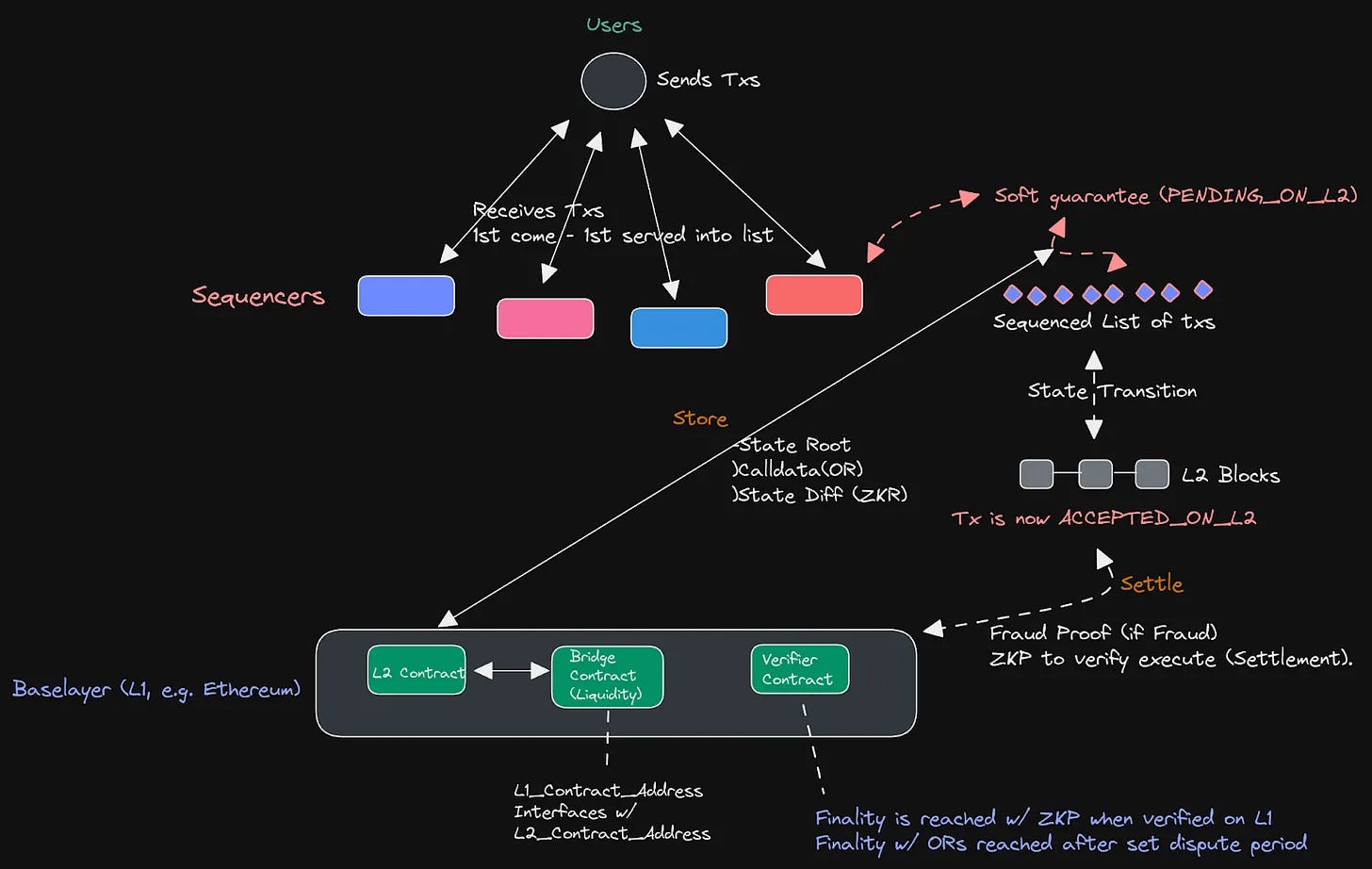
Sequencers, the unsung heroes of L2 performance, sequence transactions off-chain before posting to Layer 1, delivering sub-second finality and fees under a cent. However, their frequent centralization invites censorship and rent-seeking behaviors, as noted in analyses from Cube Exchange and The Defiant. Decentralizing them outright sacrifices speed, trapping projects in a trade-off dilemma. Shared sequencing flips this script by distributing responsibilities across a permissionless network, maintaining decentralization without compromising security or throughput.
Shared sequencing is a good way forward because it helps projects maintain decentralization without affecting security, performance, or cost. (Source: Zeeve)
From a portfolio manager’s vantage, this evolution aligns hybrid analysis with on-chain realities. Rollups forgoing sequencer rents in pursuit of native decentralization overlook the revenue potential of shared models, which can subsidize ecosystem growth. Platforms like RollupSettle. com exemplify this, leveraging intents-based solutions for seamless cross-rollup DEX settlement.
Unlocking Atomic Cross-Rollup Trades Through Shared Infrastructure
Imagine executing a complex swap across Arbitrum and Optimism in a single atomic bundle, shielded from front-running. Shared sequencers make this routine by aligning mempools, as detailed in explorations of OP Stack enhancements at Superchain Thesis. Traders benefit from unified liquidity views, where a Based Rollup DEX can shatter speed records with 5x capital efficiency over isolated margins, per Bitget reports.
Key Advantages of Shared Sequencers
-
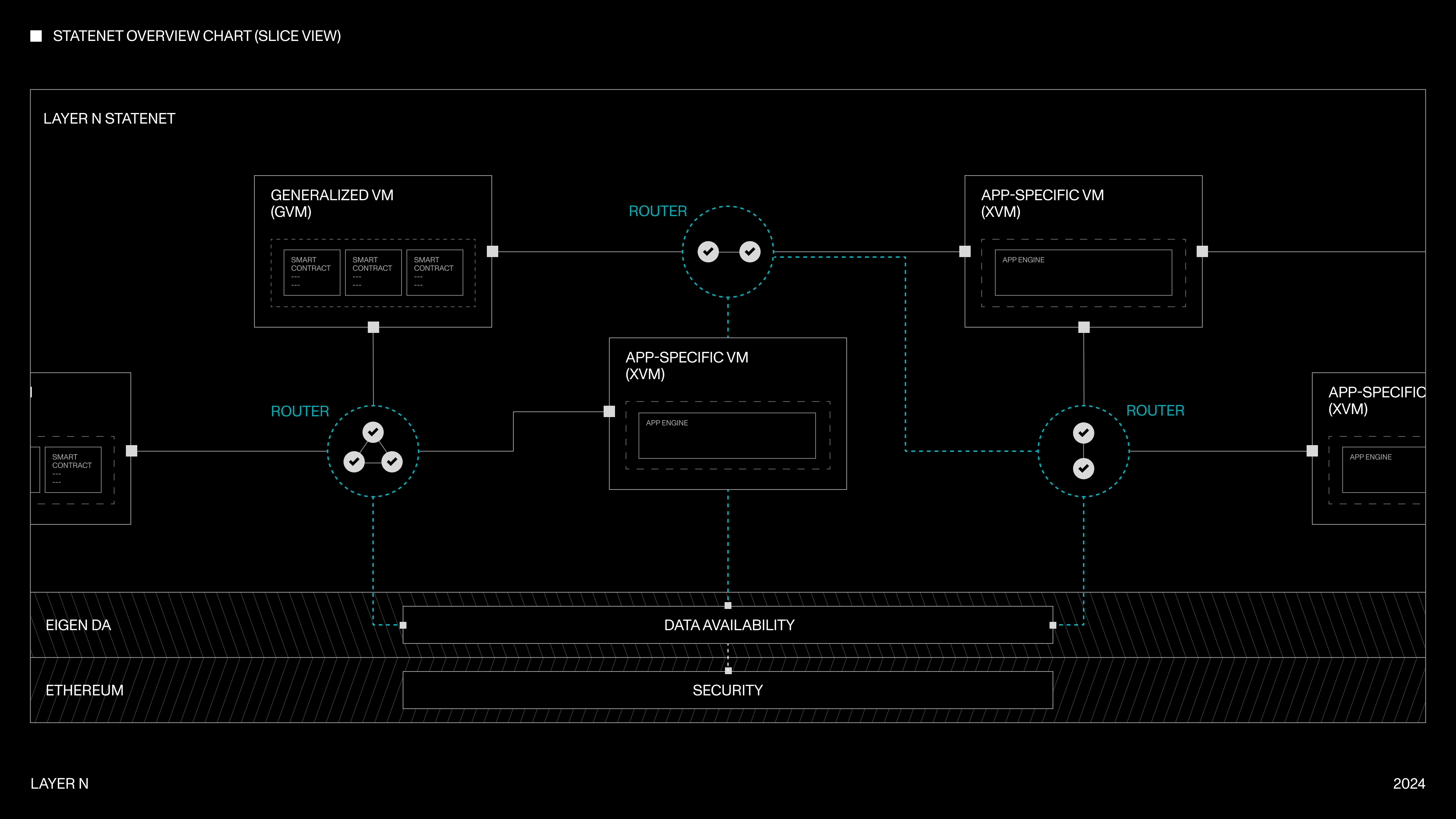
Atomic cross-rollup settlements: Enable seamless transactions across rollups via coordinated ordering, as in Rome Protocol on Solana.
-
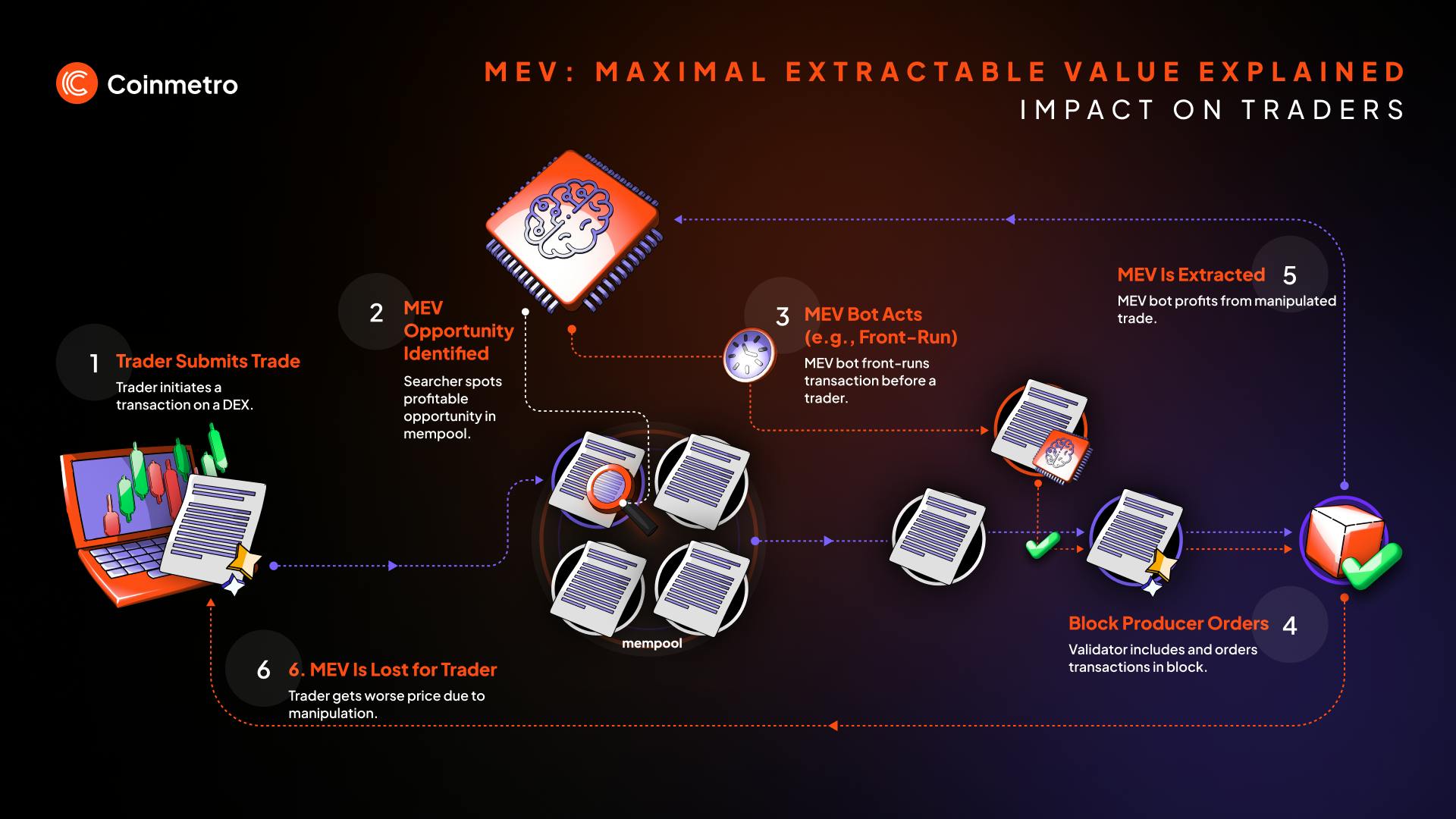
Reduced MEV and censorship: Decentralizes sequencing to mitigate extraction risks and ordering manipulation, per sequencer analyses.
-
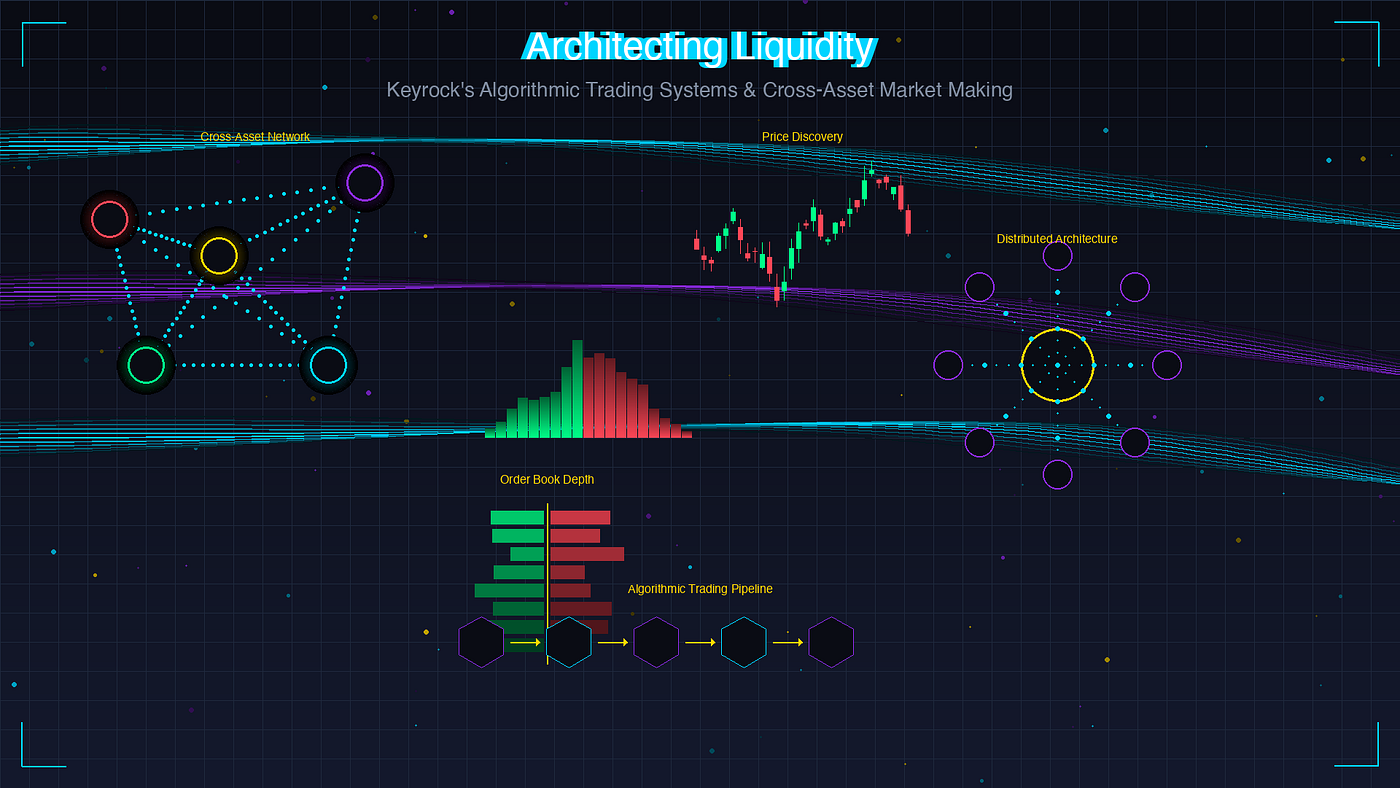
Unified liquidity for arbitrage: Pools liquidity across rollups for efficient trading, boosting cross-rollup opportunities like in based rollups.
-
Cost savings up to 90%: Lowers fees through shared infrastructure, enhancing L2 efficiency without sacrificing performance.
-
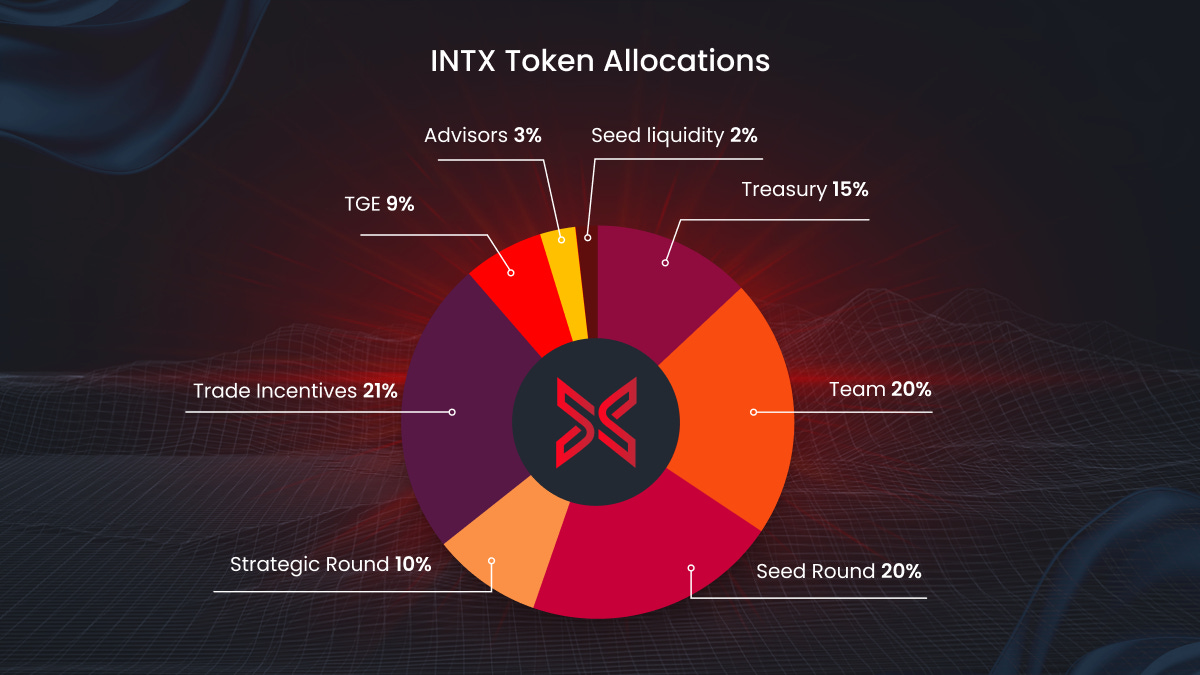
Scalable intents-based trading: Supports advanced DEX intents with cross-chain composability, as in 2026 trends.
This infrastructure tackles fragmentation head-on, enabling protocols like CRATE to achieve L1 finality in mere four rounds. In 2026’s DEX landscape, dominated by AI-driven intents and cross-chain primitives (Lampros Tech), such tools transform exchanges from mere swappers into liquidity hubs anchoring DeFi’s future, as highlighted by XT Exchange.
Strategic Implications for DeFi Traders and Liquidity Providers
For liquidity providers, shared sequencers mean deeper pools and tighter spreads, as transactions from zkSync, Polygon zkEVM, and beyond converge in shared blocks. This fosters intents-based trading, where users specify outcomes rather than micromanaging paths, offloading execution to solvers. Opinionated take: while appchain frameworks like Cosmos SDK and Substrate vie for dominance (Instanodes), rollup-centric shared sequencing offers superior Ethereum alignment, minimizing bridge risks.
Rome Protocol’s Solana-powered network exemplifies maturity, facilitating cross-rollup interactions that were once aspirational. Coupled with CRATE’s composability guarantees, these advancements signal the end of rollup silos, ushering in a unified L2 meta. Developers building on RollupSettle. com can now deploy with confidence, tapping low-latency settlements that rival centralized exchanges.
Challenges persist, including MEV arbitrage across DEXs (ScienceDirect survey), but shared models mitigate these through transparent ordering. As we peer into 2026, the strategic edge lies in early adoption of these protocols, positioning portfolios for the liquidity renaissance ahead.
Portfolio managers attuned to these dynamics prioritize protocols that capture sequencer economics, blending revenue streams with interoperability premiums. RollupSettle. com emerges as the vanguard, its intents-based engine orchestrating cross-rollup DEX settlement via shared sequencers, delivering execution guarantees that outpace fragmented alternatives.
Real-World Deployments and Performance Metrics
Rome Protocol’s fusion with Solana infrastructure has catalyzed real deployments, where shared sequencing batches intents from disparate rollups into unified streams. This setup not only curtails fragmentation but also amplifies arbitrage efficiency, countering pervasive MEV tactics documented in DeFi surveys. Meanwhile, CRATE’s protocol secures composability with L1 finality in four rounds, a benchmark that underscores rollup interoperability maturity.
Ethereum Technical Analysis Chart
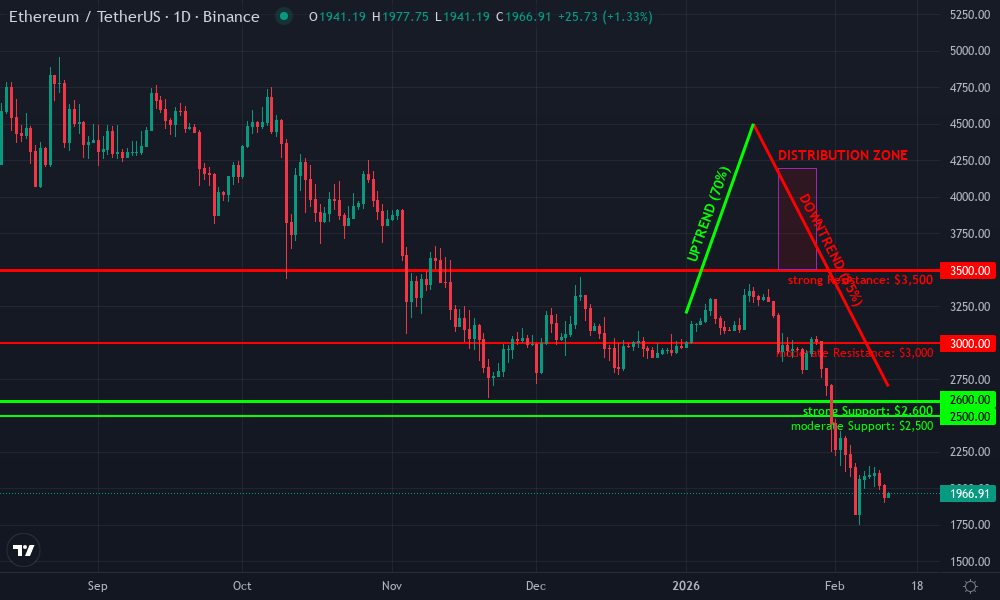
Analysis by Market Analyst | Symbol: BINANCE:ETHUSDT | Interval: 1D | Drawings: 7
Technical Analysis Summary
Draw a prominent downtrend line connecting the swing high at 4500 on 2026-01-15 to the recent low at 2700 on 2026-02-12 using ‘trend_line’. Add horizontal support at 2600 and resistance at 3500. Mark a bearish price range consolidation from 2026-01-25 to 2026-02-05 between 3200-3800 with ‘rectangle’. Use ‘arrow_mark_down’ for MACD bearish signal near 2026-02-01. Highlight volume spike on breakdown with ‘callout’. Entry short zone at 2850 with ‘short_position’, stop loss 2950, target 2600.
Risk Assessment: medium
Analysis: Clear downtrend with defined levels, but L2 news context adds reversal risk; suits medium tolerance pullback plays
Market Analyst’s Recommendation: Short bias with tight stops, monitor 2600 support for long flip
Key Support & Resistance Levels
📈 Support Levels:
-
$2,600 – Recent swing low and psychological level
strong -
$2,500 – Prior consolidation base
moderate
📉 Resistance Levels:
-
$3,000 – Near-term retracement level
moderate -
$3,500 – 50% fib retracement of drop
strong
Trading Zones (medium risk tolerance)
🎯 Entry Zones:
-
$2,850 – Pullback to broken uptrend line with bearish candle confirmation
medium risk -
$2,950 – Resistance test for short re-entry
high risk
🚪 Exit Zones:
-
$2,600 – Strong support target
💰 profit target -
$3,050 – Invalidation above resistance
🛡️ stop loss
Technical Indicators Analysis
📊 Volume Analysis:
Pattern: decreasing on downmove with spike on breakdown
Volume confirms selling pressure, spike at 2026-02-08 breakdown
📈 MACD Analysis:
Signal: bearish crossover and divergence potential
MACD line below signal, histogram contracting negatively since 2026-01-20
Applied TradingView Drawing Utilities
This chart analysis utilizes the following professional drawing tools:
Disclaimer: This technical analysis by Market Analyst is for educational purposes only and should not be considered as financial advice.
Trading involves risk, and you should always do your own research before making investment decisions.
Past performance does not guarantee future results. The analysis reflects the author’s personal methodology and risk tolerance (medium).
Examine the data: based rollups now enable transactions from multiple chains to settle in shared blocks, fostering seamless trading as chronicled in analyses from Stacy in Dataland. Liquidity providers report tighter spreads and 5x capital efficiency, echoing Bitget’s findings on advanced DEX systems. For developers, frameworks like zkSync and Polygon zkEVM integrate effortlessly, sidestepping the silos of appchain alternatives such as Initia’s MoveVM-IBC, which prioritize specificity over Ethereum cohesion.
Shared Liquidity: Transactions from multiple rollups can land in the same block, enabling seamless arbitrage and cross-rollup trading. (Source: Substack · Stacy in Dataland)
Opinionated lens: while AI-infused DEX trends (Lampros Tech) dazzle, the bedrock remains sequencer coordination. RollupSettle. com’s platform distills this into actionable tools, empowering traders with low-latency intents resolution across ecosystems.
5 Steps to Adopt Shared Sequencers
-
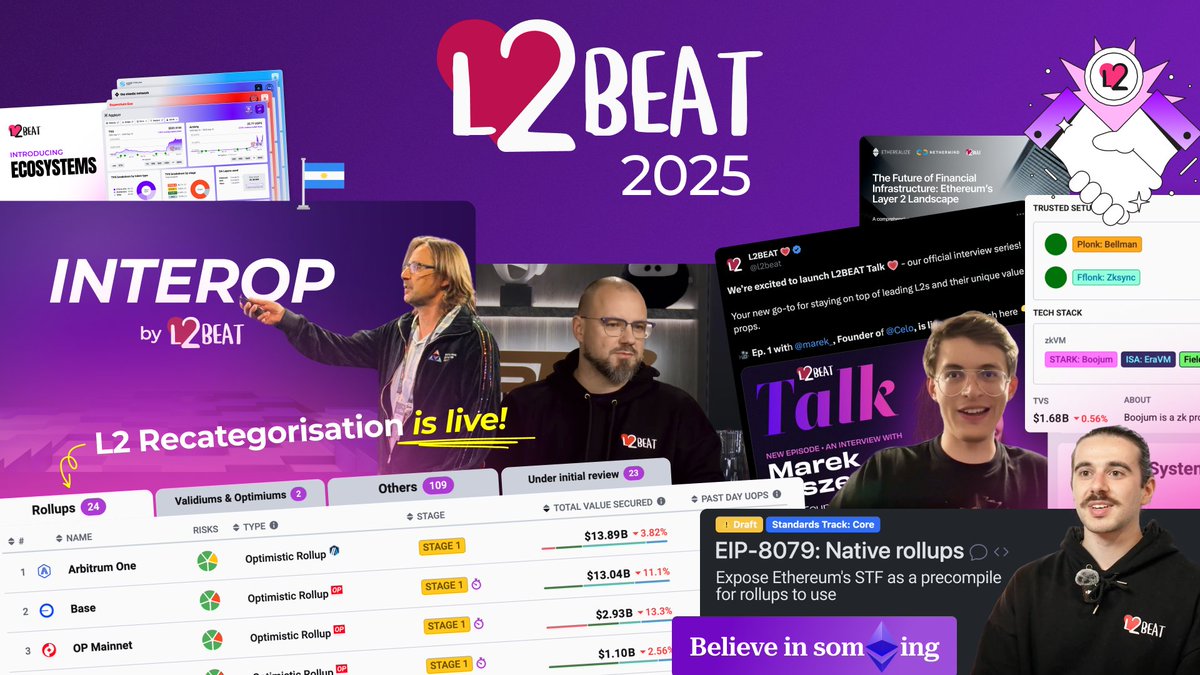
Assess rollup exposure: Evaluate positions across rollups using L2Beat to identify centralization risks and fragmentation.
-
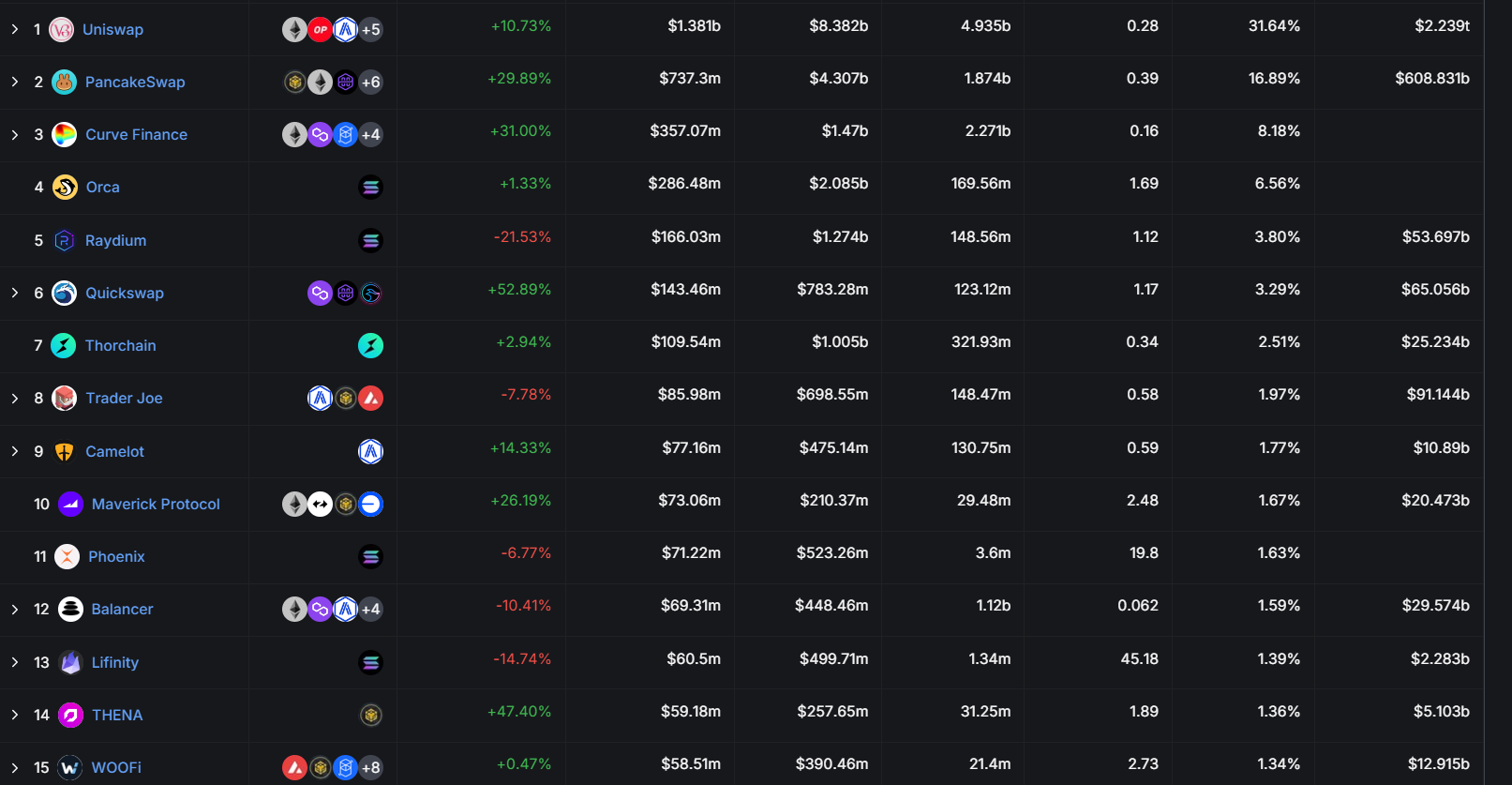
Migrate to intents-based DEXs: Transition to CoW Protocol for solver-driven trades resilient to sequencer failures.
-

Monitor MEV dashboards: Use EigenPhi and Flashbots tools to track cross-rollup MEV opportunities.
-
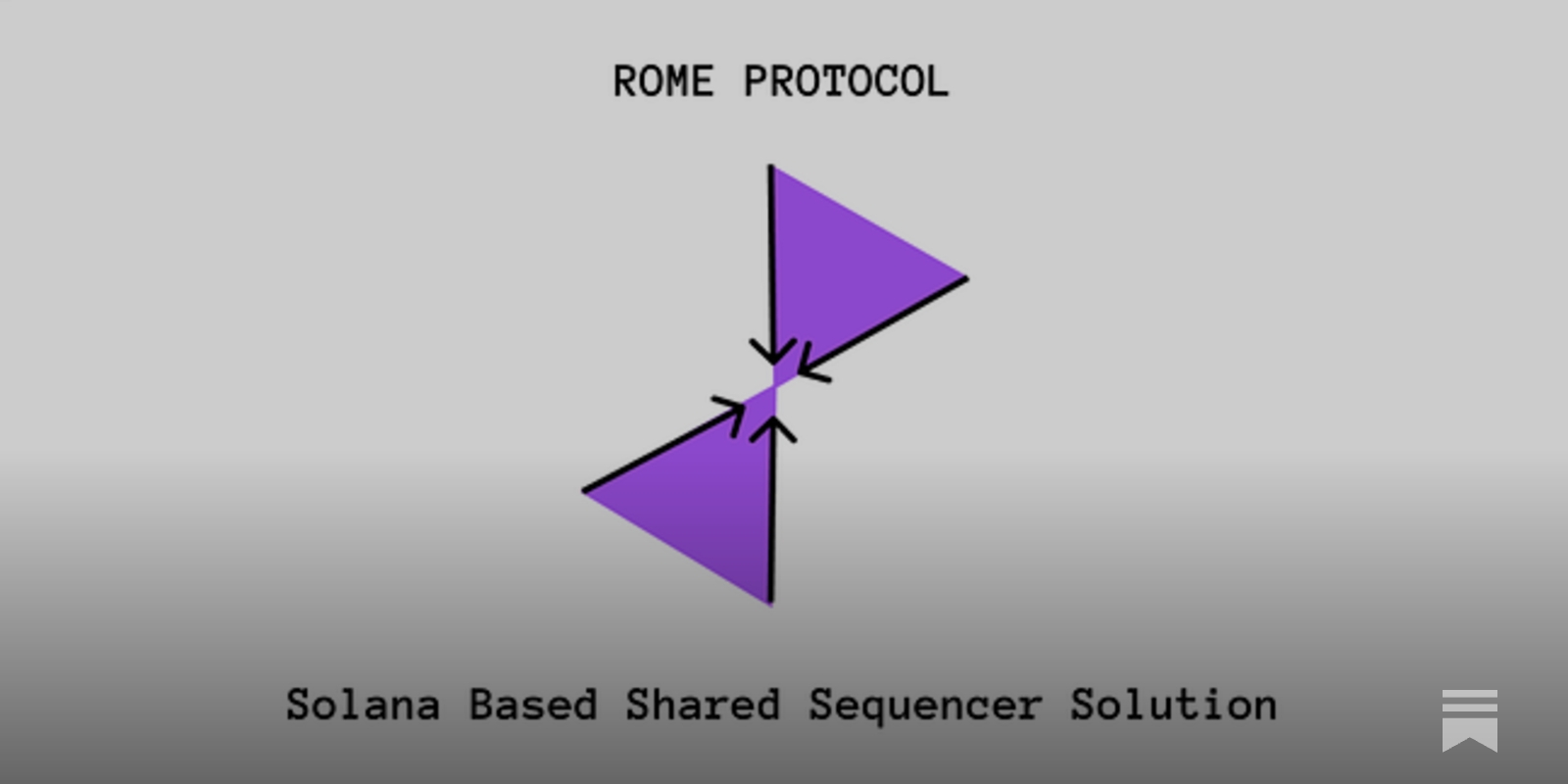
Allocate to liquidity hubs: Deploy capital into Rome Protocol pools for atomic cross-rollup settlement.
-
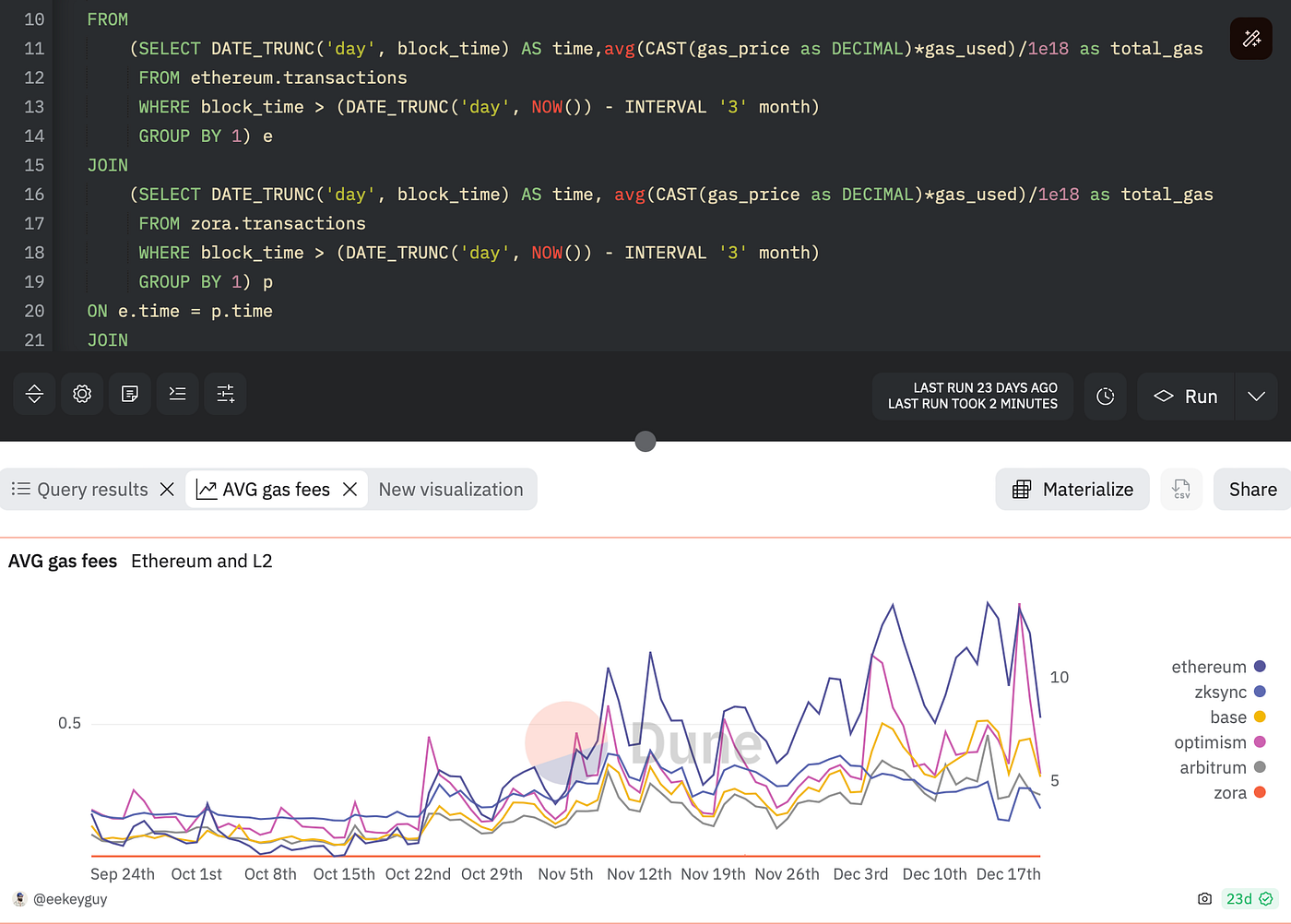
Track sequencer decentralization metrics: Monitor L2Beat data on uptime, drift, and proof finality.
Positioning Portfolios for the Shared Sequencer Era
In 2026, top DeFi protocols to watch pivot toward liquidity hubs, per XT Exchange insights. Shared sequencers DeFi architectures resolve core pain points, from censorship to cost spikes, as dissected in Abstract Watch’s examination of rollup ecosystems at shared sequencers solving fragmentation. Traders leveraging RollupSettle. com gain atomic execution, where intents specify desired outcomes like optimal pricing across Optimism and Base, executed sans slippage.
Liquidity providers thrive as unified mempools deepen pools, minimizing impermanent loss in volatile markets. Developers bypass bridge vulnerabilities, deploying appchains atop shared infrastructure that rivals Cosmos SDK scalability without IBC complexities. Challenges like sequencer centralization evolve into opportunities; permissionless networks democratize access, subsidizing growth via rents that fuel ecosystem grants.
This convergence heralds a renaissance where L2s transcend isolation, forming a superchain fabric. Early movers on RollupSettle. com capture outsized yields from arbitrage flows and settlement fees, fortifying portfolios against fragmentation relapse. As DEXs ascend to foundational rails, powered by intents and shared ordering, DeFi liquidity achieves parity with TradFi efficiency, redefining capital deployment in blockchain’s next chapter.