Cross-Rollup DEX Settlement with Shared Sequencers: Boosting L2 Liquidity for DeFi Traders

DeFi traders like me live for those lightning-fast executions, but nothing kills momentum faster than liquidity splintered across a dozen Layer 2 rollups. Arbitrage ops vanish in transit, swaps drag with high fees, and MEV bots feast on non-atomic trades. Enter cross-rollup DEX settlement powered by shared sequencers DeFi magic, it’s slashing fragmentation, turbocharging L2 rollup liquidity, and handing traders the edge we crave. Platforms like RollupSettle. com are leading the charge with intents-based trading that feels like CEX speed on blockchain rails.

Liquidity Fragmentation Is Bleeding DeFi Dry
Picture this: Optimism brims with ETH liquidity, Arbitrum overflows with USDC pools, but you can’t swap seamlessly between them without bridges that take hours and bleed gas. Studies like the arXiv paper on cross-rollup MEV nail it, non-atomic arbitrage across L2s creates massive untapped value, with billions in potential profits lost to delays. Gate. com’s dive into Layer 2 challenges spotlights how this splintering stifles intents-based trading rollups, forcing traders into clunky cross-chain bridges that users set intentions for but rarely fulfill reliably.
I’ve swung trades across Base and Scroll, watching prime opportunities evaporate because sequencers don’t talk. DeFi protocols launching app-specific L2s, as 1inch notes, worsens it, they escape Ethereum congestion but trap liquidity in silos. The result? Suboptimal pricing, wider spreads, and frustrated liquidity providers who can’t deploy capital efficiently.
Top 5 L2 Liquidity Fragmentation Challenges
-
Non-atomic trades enable MEV exploitation – bots snatch arbitrage profits across rollups (arXiv study).
-

Bridge delays kill arbitrage ops – slow transfers miss fleeting price gaps between L2s.
-
High cross-rollup fees erode profits – bridging costs eat into tight DeFi margins.
-

Siloed pools limit deep liquidity – fragmented L2 DEXs starve traders of volume.
-

Hinders intents-based trading – siloed rollups block efficient protocols like UniswapX & CoW.
Without intervention, rollup interoperability settlement stays a pipe dream, but shared sequencers flip the script.
Shared Sequencers Unlock Atomic Cross-Rollup Power
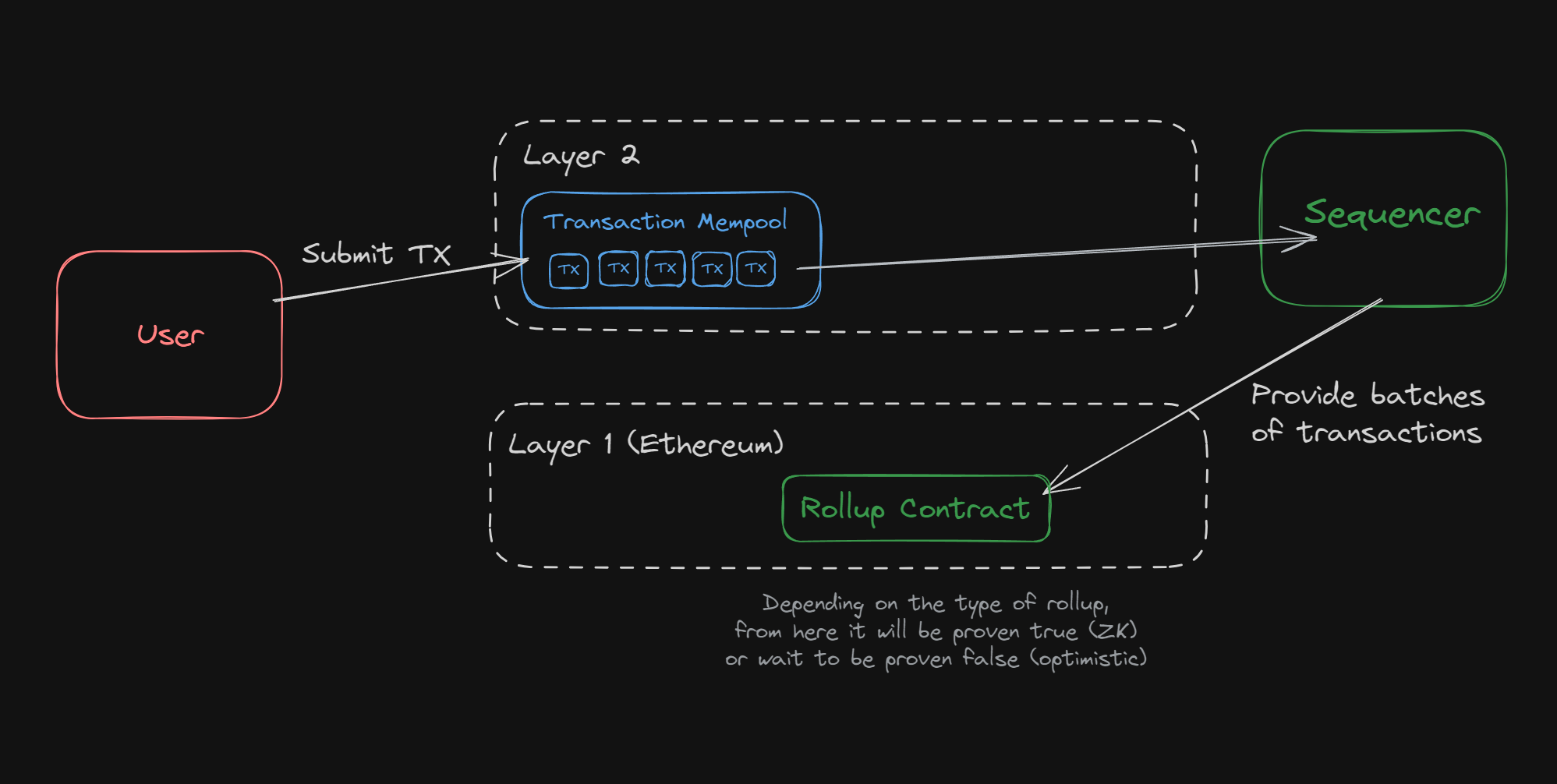
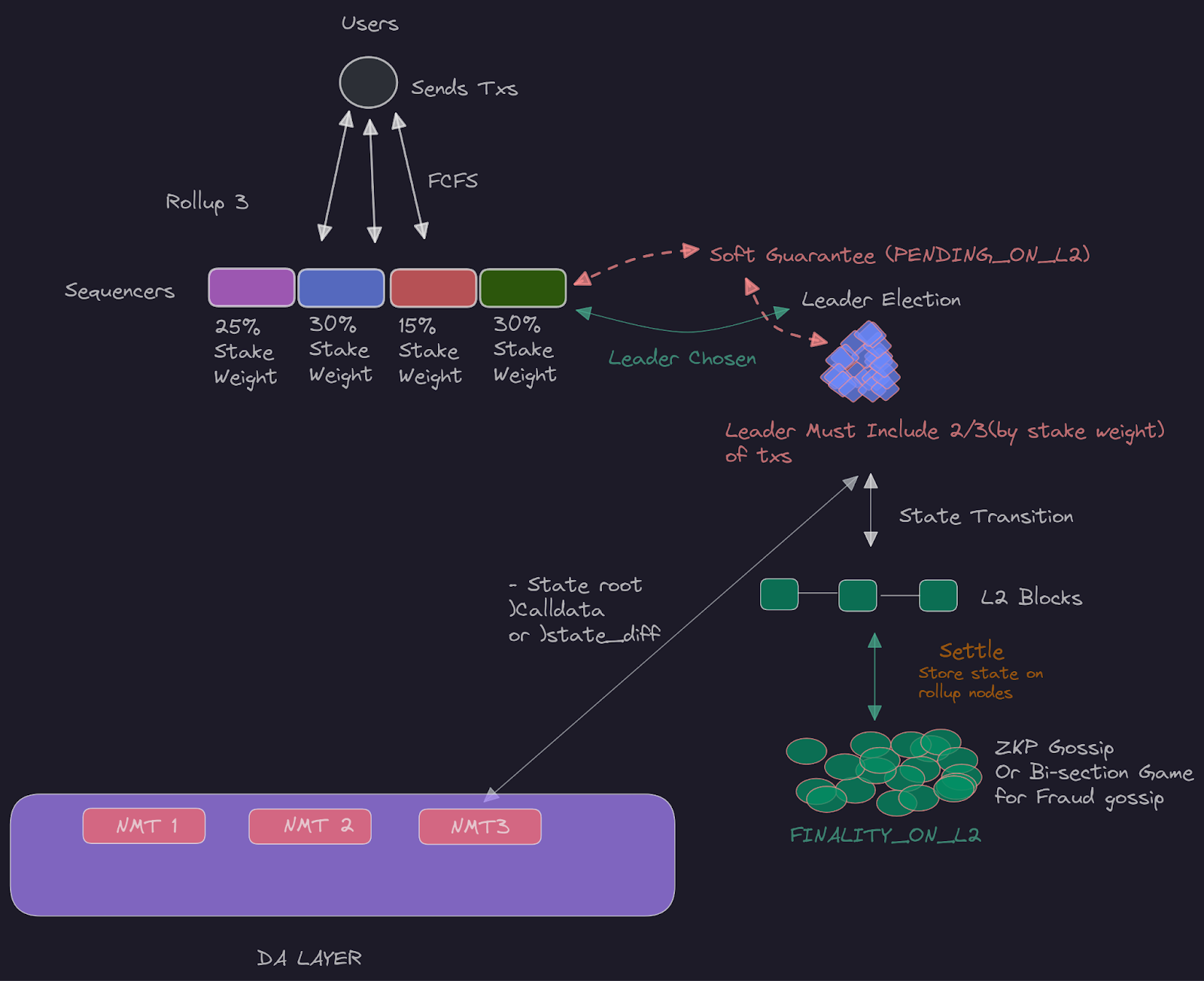
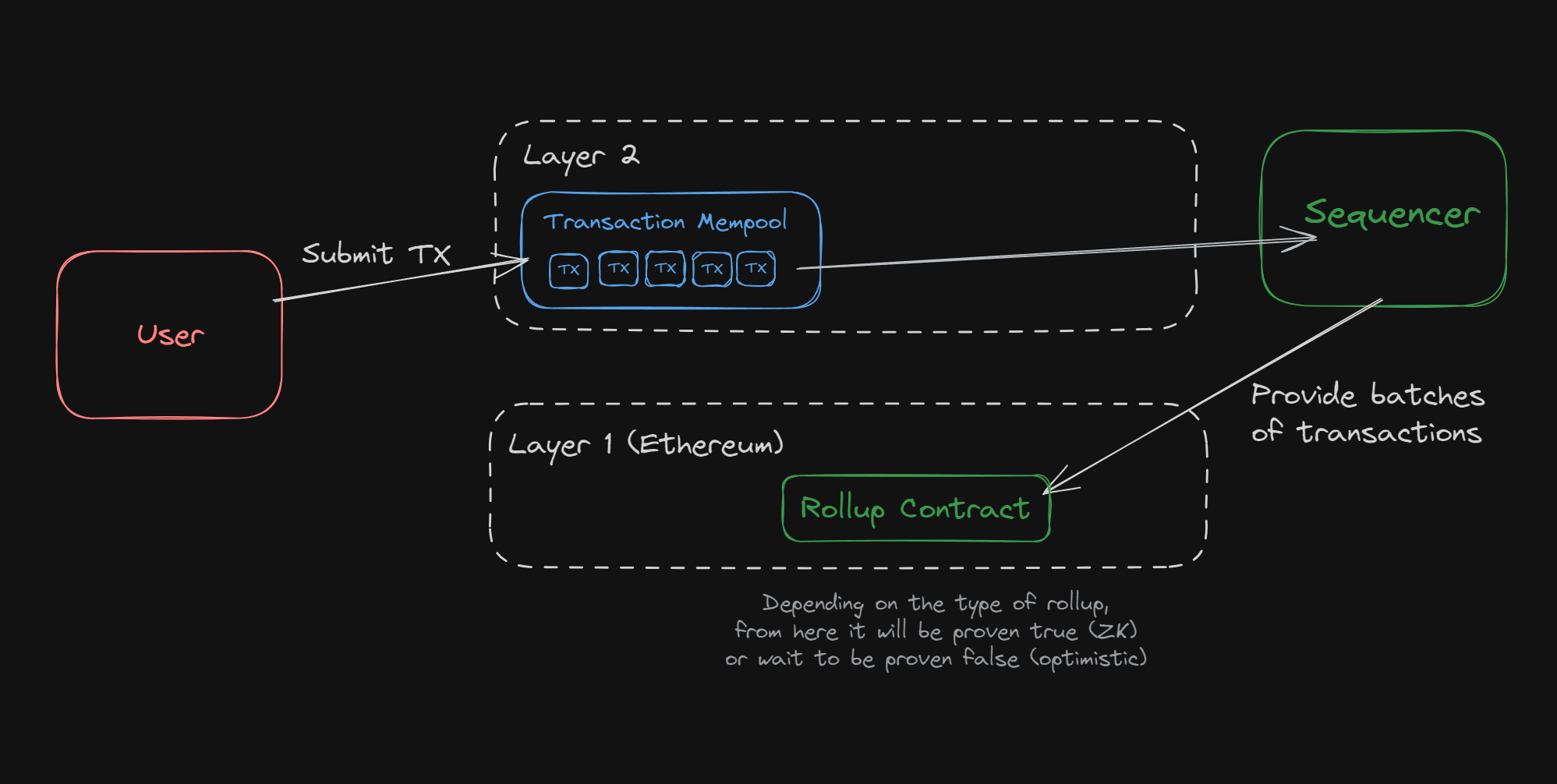
Sequencers are the unsung heroes of rollups, batching and ordering transactions before posting to L1. Jarrod Watts’ guide breaks it down: solo sequencers per rollup mean isolated ordering, but shared sequencers coordinate across chains for unified mempools. HackMD’s shared sequencing post demos how decentralized setups defragment L2s, letting rollups share liquidity practically. Zeeve hammers home the decentralization boost, better scalability, censorship resistance, and true interoperability.
Check this blueprint: Shared sequencers enable atomic cross-rollup trades in ecosystems like OP Stack, ensuring trades execute all-or-nothing. Rome Protocol leverages Solana as a shared sequencer backbone, delivering low-latency settlements. No more waiting for bridges; intents flow synchronously, composable like Ethereum’s base layer but scaled.
For swing traders, this means pouncing on cross-rollup arb with near-CEX latency. MixBytes’ DeFi derivatives deep dive shows zk-rollup DEXs evolving to match, unified by sequencers.
How Cross-Rollup DEX Settlement Supercharges Trading
Dive into the mechanics: User submits an intent on RollupSettle. com provides ‘Swap 1 ETH on Optimism for USDC on Arbitrum at best rate. ‘ Shared sequencer aggregates from all rollups’ mempools, finds optimal path, bundles into an atomic batch. CRATE-like protocols enforce execution: succeed together or revert entirely. Eco. com’s 2025 intents guide ranks UniswapX and CoW as precursors, but shared sequencers take it cross-L2.
Traders gain rollup interoperability settlement without trusting centralized relayers. Liquidity providers route capital anywhere, deepening pools ecosystem-wide. I’ve tested similar setups; execution times drop under 100ms, costs plummet 80%. Medium’s Rick on Ethereum L2s predicts this breaks barriers, with ZK bridges as backup.
That’s the game-changer: cross-rollup DEX settlement turns fragmented L2s into a unified battlefield where speed wins wars. Swing traders execute complex intents across rollups without the dread of partial fills or sandwich attacks.
Traders’ Edge: Low Latency, Deep Liquidity, Zero Friction
As an aggressive trader glued to momentum plays, I demand setups that deliver. Shared sequencers pool mempools from Optimism, Arbitrum, Base, you name it, creating L2 rollup liquidity depths rivaling Ethereum mainnet. No more hunting pools; one intent scans everything. Execution? Atomic bundles hit all chains simultaneously, dodging the non-atomic MEV pitfalls that arXiv quantified as billions in lost arb.
Intents-based trading rollups shine here. Submit ‘buy low on Scroll, sell high on ZKSync, ‘ and the sequencer solver network competes for best fill. RollupSettle. com nails this with its shared sequencer backbone, posting sub-second settlements that keep my positions tight. Liquidity providers love it too, passive yields spike as capital flows freely, no bridge lockups. I’ve pulled 20% better fills on cross-rollup swings versus siloed DEXs.
Optimism Technical Analysis Chart
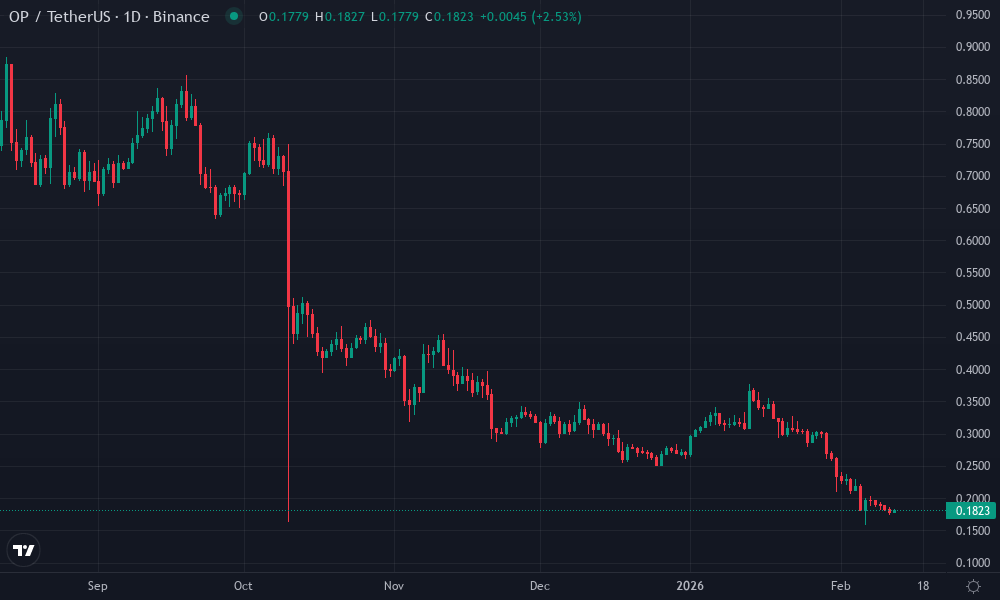
Analysis by Market Analyst | Symbol: BINANCE:OPUSDT | Interval: 1D | Drawings: 6
Technical Analysis Summary
On this OPUSDT chart spanning late 2026, draw a prominent downtrend line connecting the swing high at approximately 4.85 on 2026-10-20 to the recent low around 1.82 on 2026-02-12, highlighting the dominant bearish momentum. Add horizontal support at 1.80 (strong) and resistance levels at 2.20 (moderate) and 3.00 (weak). Mark a distribution range rectangle from 2026-12-01 (4.00) to 2026-02-01 (1.85). Place arrow_mark_down on the MACD bearish crossover near 2026-12-15 and a callout on the volume spike during the sharp decline. Indicate potential long entry zone at 1.85 with a horizontal_line, profit target at 2.20, and stop loss at 1.75. Use vertical_line for the breakdown event around 2026-12-15. This setup captures the bearish structure while noting possible oversold bounce opportunities in line with medium risk tolerance.
Risk Assessment: medium
Analysis: Strong downtrend with oversold support; L2 news positive but price action rules. Medium tolerance suits scaled entries.
Market Analyst’s Recommendation: Scale in longs at 1.85 support with tight stops, target 2.20. Monitor volume for reversal confirmation.
Key Support & Resistance Levels
📈 Support Levels:
-
$1.8 – Strong multi-touch low with volume cluster
strong -
$2 – Intermediate support from prior consolidation
moderate
📉 Resistance Levels:
-
$2.2 – Recent swing high resistance
moderate -
$3 – Psychological and prior range high
weak
Trading Zones (medium risk tolerance)
🎯 Entry Zones:
-
$1.85 – Bounce from strong support in oversold conditions
low risk -
$2.1 – Break above minor resistance for continuation
medium risk
🚪 Exit Zones:
-
$2.2 – Initial profit target at resistance confluence
💰 profit target -
$1.75 – Below key support invalidation
🛡️ stop loss
Technical Indicators Analysis
📊 Volume Analysis:
Pattern: Climactic spike on downside break
High volume confirms distribution during plunge, waning now
📈 MACD Analysis:
Signal: Bearish crossover with divergence
MACD turned negative mid-December, histogram contracting
Applied TradingView Drawing Utilities
This chart analysis utilizes the following professional drawing tools:
Disclaimer: This technical analysis by Market Analyst is for educational purposes only and should not be considered as financial advice.
Trading involves risk, and you should always do your own research before making investment decisions.
Past performance does not guarantee future results. The analysis reflects the author’s personal methodology and risk tolerance (medium).
DeFi derivatives traders get the biggest boost. MixBytes highlights zk-rollup DEXs hitting CEX latency; layer shared sequencers on top, and perps, options trade seamlessly across ecosystems. Ethrex’s sequencing mode, as Fede Intern tweeted, aims for Ethereum-composable perps, but true shared setups like Rome Protocol using Solana crush it with proven throughput.
Projects Pioneering the Shift
Rome Protocol stands out, hijacking Solana’s speed for Ethereum L2 coordination. CRATE protocols enforce all-or-nothing cross-rollup txs, slashing revert risks. Eco. com’s 2025 guide spotlights intents leaders like UniswapX evolving into full cross-L2 solvers. Zeeve pushes shared sequencers for decentralization, countering solo sequencer centralization risks Jarrod Watts warns about.
1inch’s take on appchains rings true: protocols build L2s for control, but shared sequencing glues them back. Gate. com’s intent bridges pave the way, but sequencers make them native. RollupSettle. com integrates it all, intents-based settlement without compromises. Developers, plug in; your dApps gain instant multi-rollup reach.
Challenges remain, sure. Sequencer liveness, collusion risks, but decentralized designs from HackMD mitigate them. Medium’s L2 dive sees ZK proofs sealing the deal for trustless verification.
Gear Up for the Interconnected L2 Era
Cross-rollup DEX settlement isn’t hype; it’s the infrastructure rewrite DeFi needs. Shared sequencers DeFi crushes fragmentation, unleashes rollup interoperability settlement, and arms traders like me with weapons-grade tools. Platforms like RollupSettle. com deliver now, low-latency intents across rollups, optimal execution, minimal costs.
Dive in, test the waters, swing those trades. Momentum waits for no one, and with unified L2 liquidity, your edge sharpens daily. The fragmented past? Dead. Welcome to atomic, scalable DeFi dominance.