Cross-Rollup DEX Settlement with Shared Sequencers: Low-Latency Strategies for L2 Liquidity 2026
In the bustling DeFi landscape of 2026, cross-rollup DEX settlement stands as a beacon for unlocking true scalability. Layer 2 rollups have proliferated, each offering cheap, fast transactions, yet they silo liquidity like isolated islands in an Ethereum sea. Enter shared sequencers, the decentralized orchestrators that synchronize transaction ordering across these chains, paving the way for L2 rollup liquidity to flow freely. At RollupSettle. com, our intents-based platform harnesses this technology to deliver seamless, low-latency trades, proving that interoperability isn’t just a buzzword, it’s the foundation of sustainable wealth in multi-chain futures.

Fragmented liquidity has long plagued rollup ecosystems. Traders face delays when swapping assets across chains like Arbitrum and Optimism, where bridges introduce latency and risk. As of February 2026, synchronous state visibility remains elusive without coordination, leading to missed arbitrage and inefficient capital deployment. Shared sequencers address this by providing a neutral layer for transaction batching, ensuring all rollups see the same order. This isn’t mere theory; projects like Espresso Systems have integrated with AppChain on Arbitrum, enabling bridgeless NFT mints and faster confirmations.
Unraveling Liquidity Silos Through Coordinated Sequencing
Consider the mechanics: traditional rollups rely on individual sequencers, prone to censorship and MEV extraction. A shared sequencer network decentralizes this, broadcasting a unified sequence to all participants. The result? Rollup interoperability 2026 becomes practical, with atomic cross-rollup transactions that either fully execute or revert entirely. Protocols like CRATE exemplify this, guaranteeing serializable execution across domains. Yet, challenges persist, Astria’s 2025 shutdown highlights the fragility of nascent networks, reminding us that decentralization demands rigorous incentives.
L2 Liquidity Fragmentation Fixes
-
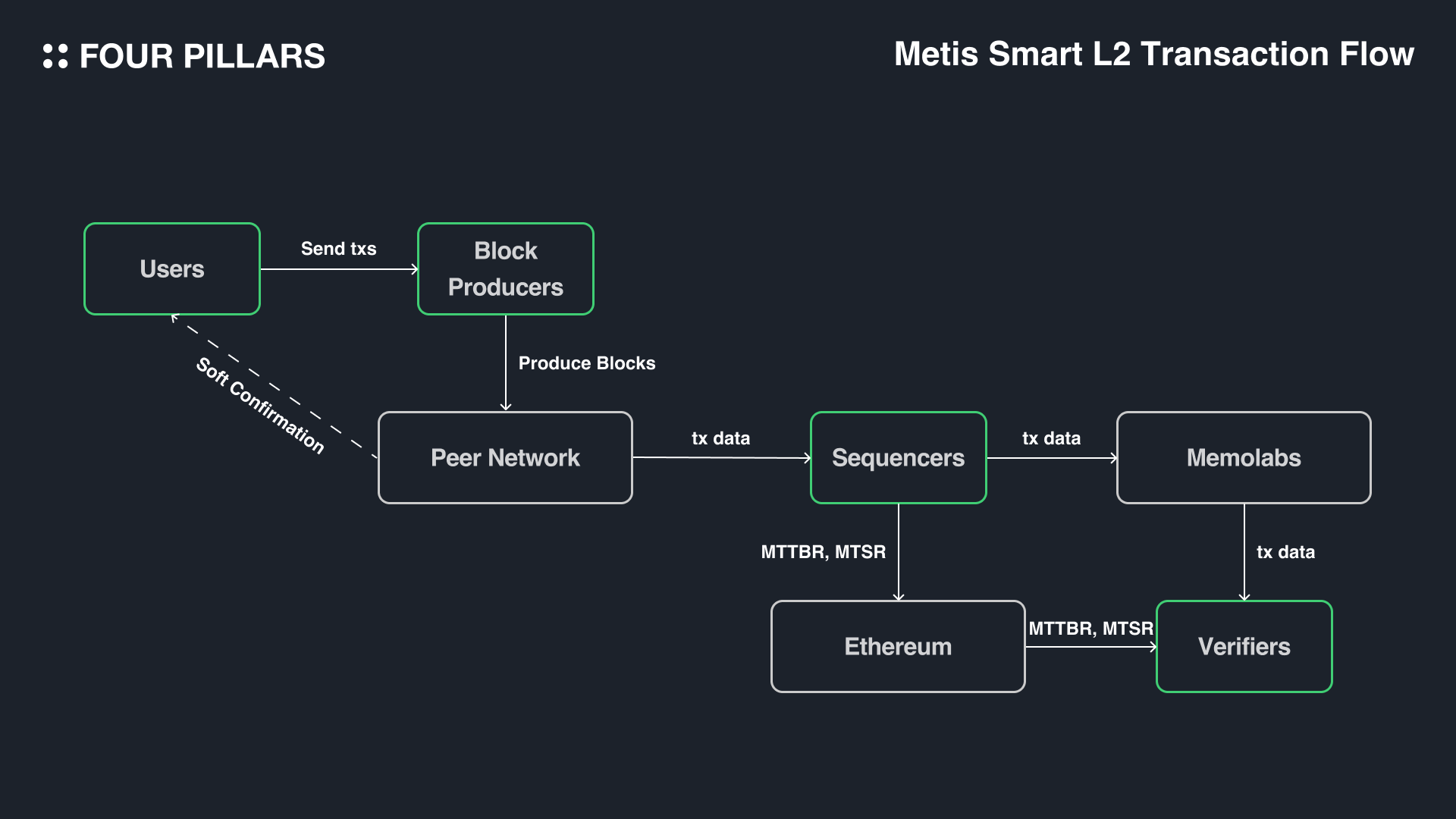
Bridge Latency: Delays in cross-rollup transfers fragment liquidity.Solution: Shared sequencers provide unified, low-latency ordering, as in Espresso Systems with AppChain.
-
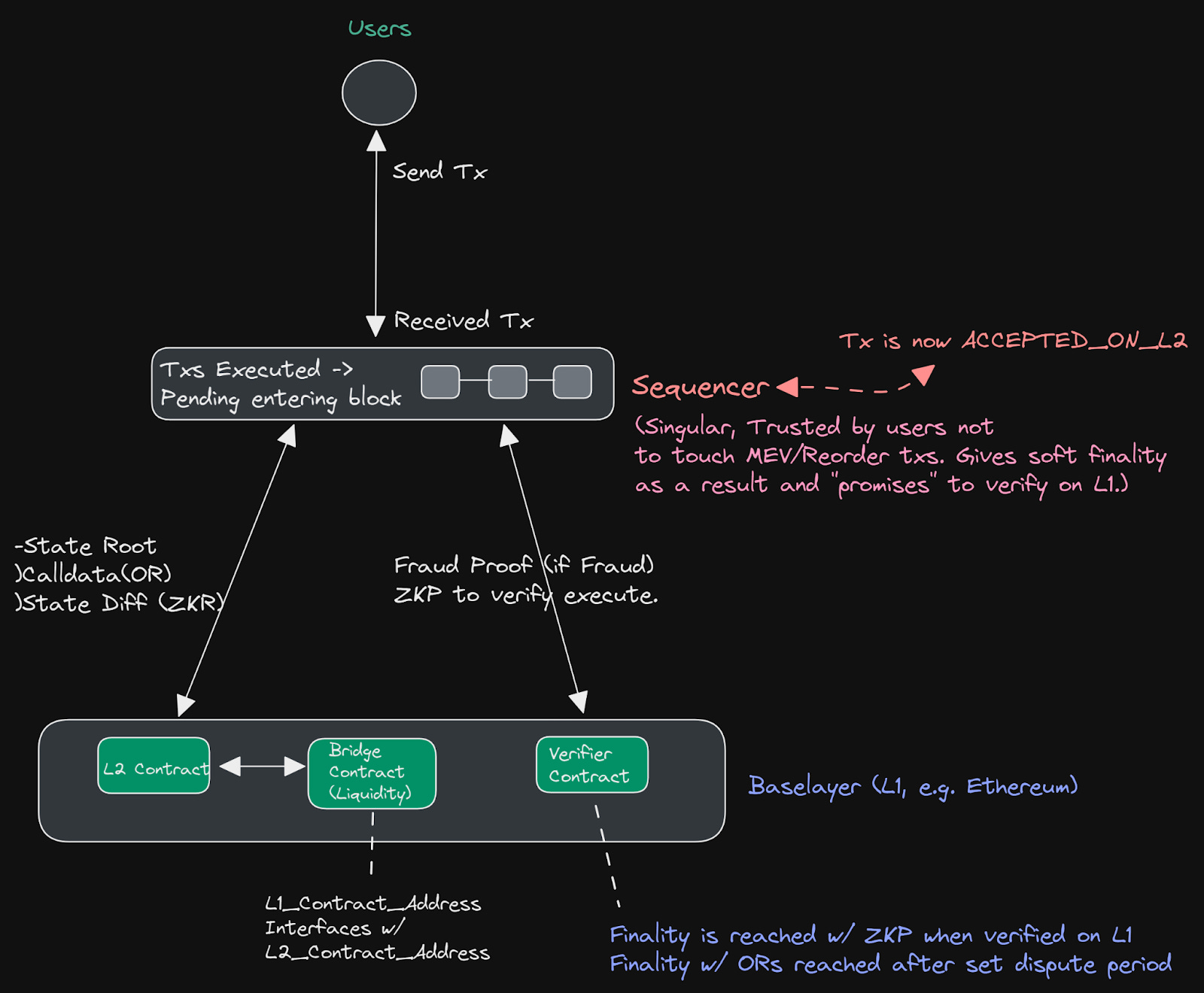
MEV Arbitrage: Latency enables cross-rollup value extraction.Solution: Unified ordering from shared sequencers minimizes opportunities, per arXiv studies on L2 MEV.
-
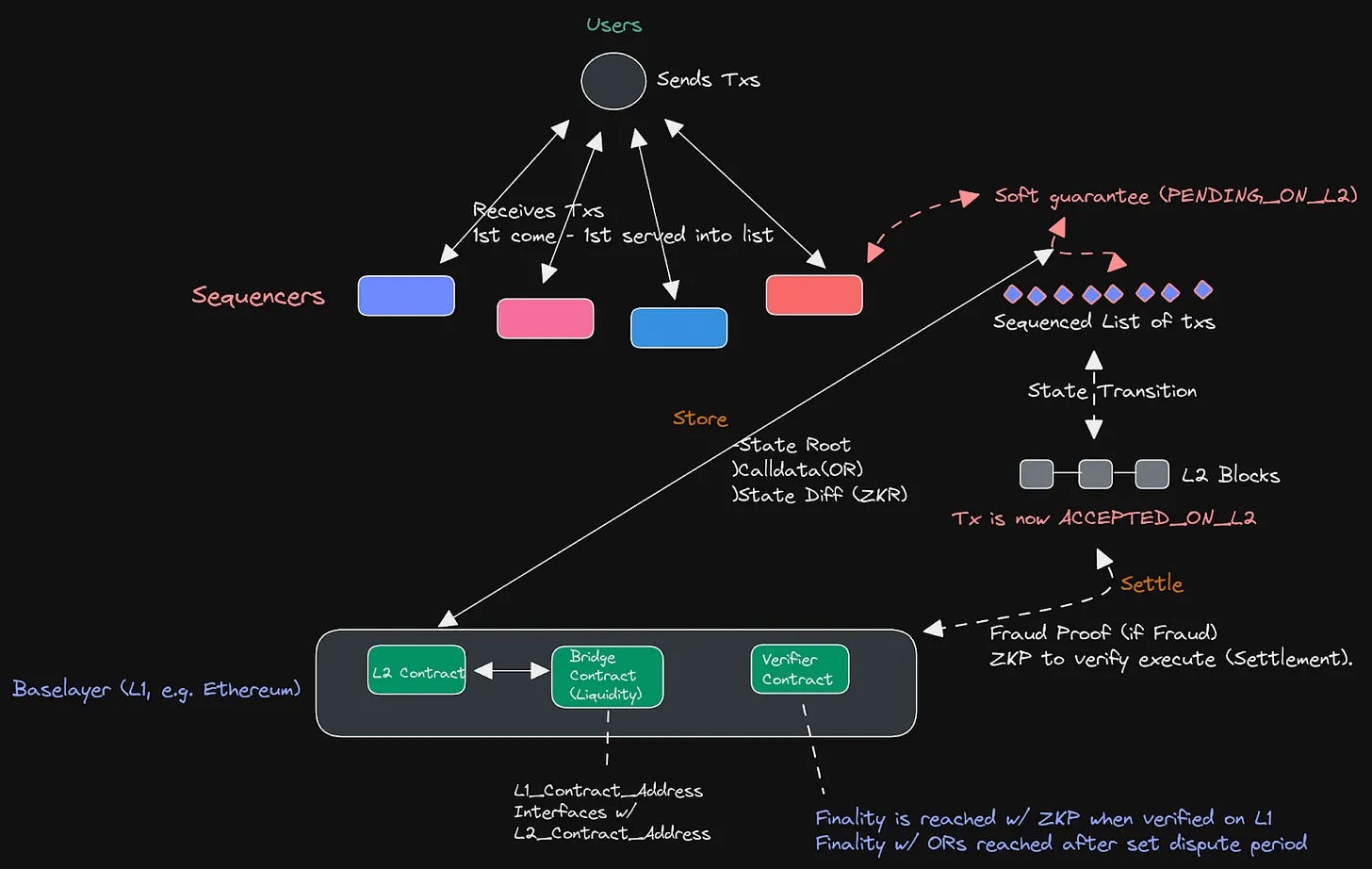
Censorship Risks: Centralized sequencers allow transaction exclusion.Solution: Decentralized networks like Espresso enhance resistance and fairness.
-
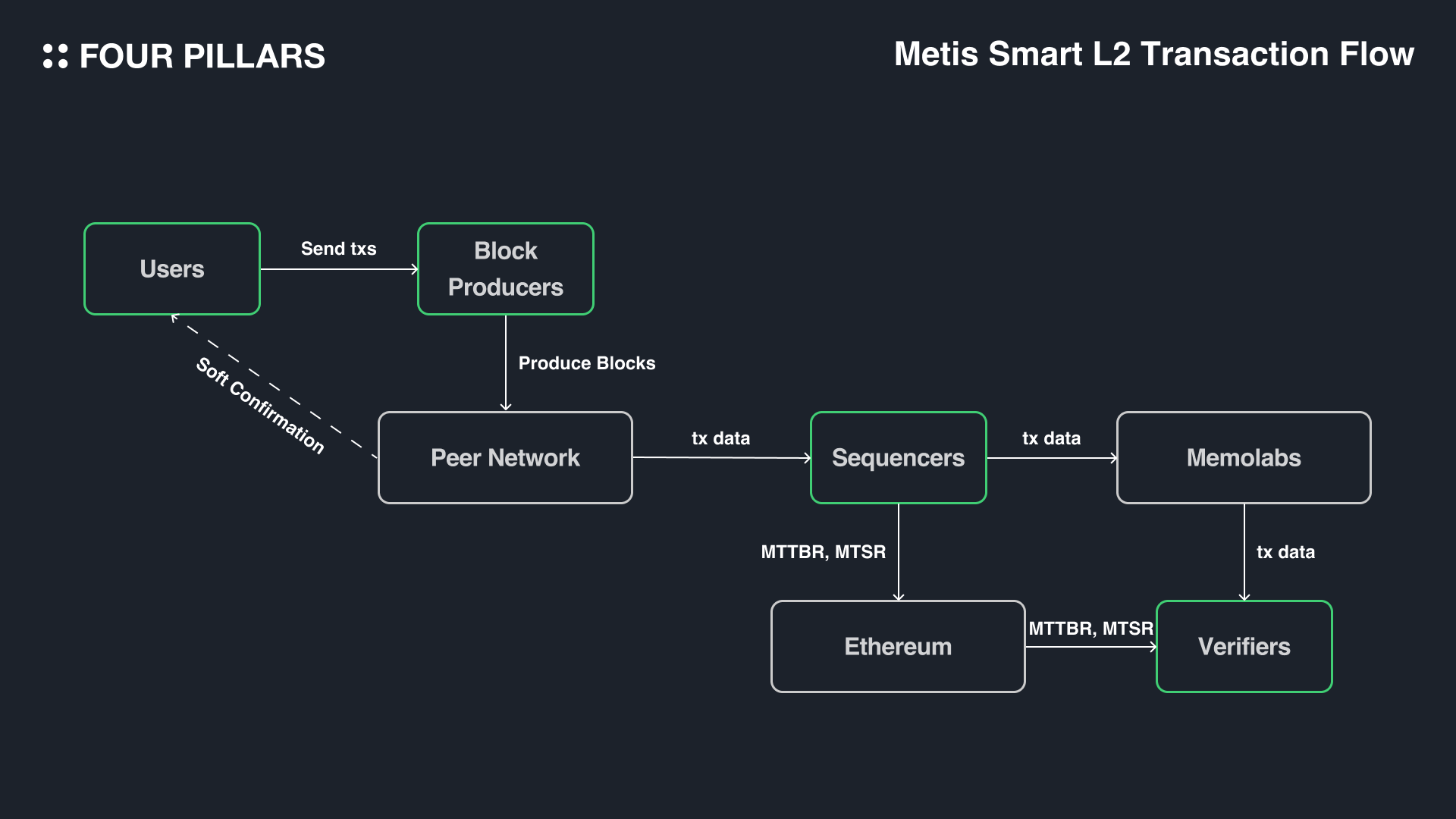
State Visibility: Asynchronous blocks hinder cross-rollup composability.Solution: Synchronous blocks via shared sequencers enable real-time state access.
From my two decades analyzing DeFi trends, I’ve seen cycles of hype and contraction. Shared sequencers represent a mature pivot, blending censorship resistance with cross-domain atomicity. Cube Exchange’s insights underscore this shift, predicting widespread adoption for fairness in trading. RollupSettle. com embodies this evolution, powering shared sequencers DeFi with solver networks that fulfill user intents efficiently.
Intents-Based Trading: Empowering Traders in a Unified Landscape
Intents flip the script on transaction design. Instead of scripting every step, users declare outcomes, like “swap ETH on Arbitrum for USDC on Base at best price”: and solvers compete to deliver. This intents-based trading leverages idle DEX liquidity, as ChainScore Labs notes, turning capital into active yield while slashing systemic risks. In cross-rollup DEX settlement, intents shine brightest, enabling multi-step strategies without bridges.
Synchronous composability, debated on Ethereum Research, contrasts with intents; the former suits flash loans, but intents excel in fragmented setups. Archetype Fund’s breakdown of sequencer roles reveals how MEV morphs under shared models, less predatory, more equitable. At RollupSettle. com, we prioritize this balance, ensuring low-latency execution that rivals CEXs, as seen in zk-rollup DEX evolutions per MixBytes.
Strategic Low-Latency Tactics for L2 Liquidity Providers
Liquidity providers thrive when capital moves fluidly. Shared sequencers minimize non-atomic MEV, quantified in recent arXiv studies showing vast arbitrage gaps across L2s. By adopting these networks, LPs access deeper pools, reducing slippage. Gate. com’s intent-based bridges preview this, but RollupSettle. com advances it with premier cross-rollup settlement. Imagine provisioning liquidity once, harvesting yields across ecosystems, a reality we’re building today. This analysis on OP Stack trades via shared sequencers aligns perfectly, detailing atomic guarantees that bolster our platform’s edge.
Providers must strategize around sequencer uptime and solver diversity. Decentralized networks like Espresso mitigate downtime, while intents ensure competitive fulfillment. As 21Shares highlights in the L2 boom, sharing state and users creates seamless networks, RollupSettle. com is the DEX gateway to this promised land.
Traders, too, can capitalize on these dynamics by monitoring sequencer networks for optimal entry points. Position in high-volume pairs across interconnected rollups, where unified ordering slashes execution risks. RollupSettle. com’s solver ecosystem excels here, matching intents with precision to capture fleeting opportunities that fragmented systems miss.
Real-World Deployments: Lessons from Espresso and Beyond
Espresso Systems’ AppChain integration offers a blueprint for success. By embedding shared sequencing into Arbitrum orbits, they’ve unlocked bridgeless interactions, like instant NFT mints that span chains without trust assumptions. This isn’t hype; it’s measurable progress in rollup interoperability 2026, where state shares instantaneously, empowering DEXs to settle cross-rollup trades in milliseconds. Yet Astria’s closure serves as a cautionary tale, exposing incentive misalignments in sequencer economics. From my vantage as a CFA charterholder tracking DeFi for two decades, survival hinges on robust tokenomics that align sequencers, rollups, and users.
CRATE protocols push boundaries further, enforcing atomicity for complex DeFi maneuvers. HackMD’s exploration of liquidity defragmentation illustrates how these tools practically unite rollups, echoing RollupSettle. com’s intents fulfillment. Developers building on our platform gain atomic guarantees, turning theoretical composability into daily reality.
MEV dynamics evolve under this regime. arXiv’s quantification of cross-rollup arbitrage reveals billions in latent value, but shared sequencers curb non-atomic extractions. Archetype Fund’s sequencer deep-dive confirms: unified batches democratize access, favoring sophisticated intents over brute-force inclusion lists.
Optimizing for 2026: Intent-Centric Strategies Ahead
Intent-based architectures will dominate, as Gate. com’s cross-chain bridges foreshadow. Users specify “best-price perpetuals across Optimism and Base, ” and our solvers orchestrate via shared sequencers, bypassing manual routing. This shared sequencers DeFi paradigm reduces fragility, per ChainScore Labs, by activating idle liquidity without new bridges. Ethereum Research pits this against synchronous composability; while intents sacrifice some granularity for speed, they win in multi-rollup chaos.
Ethereum Technical Analysis Chart
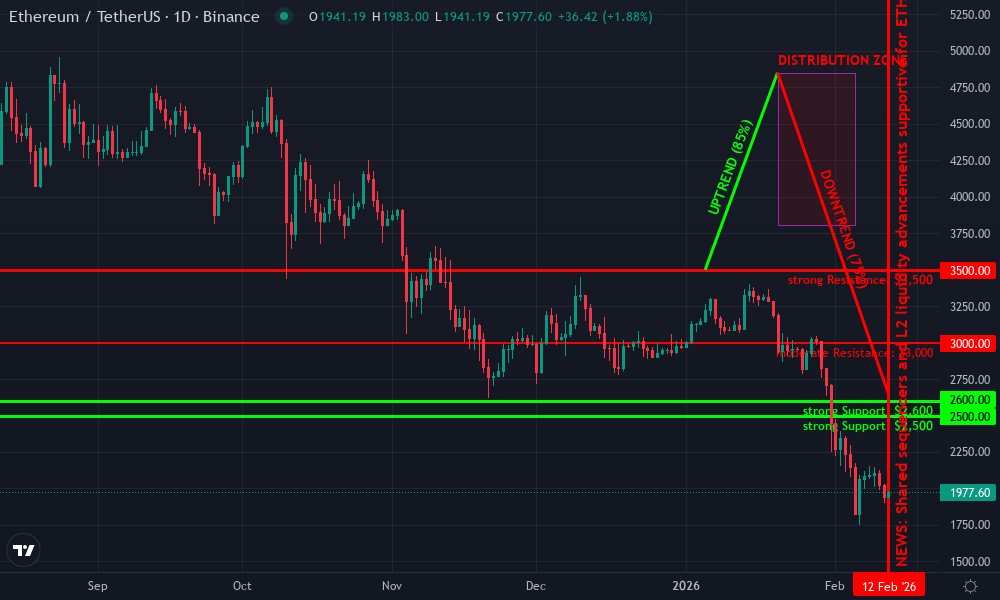
Analysis by Market Analyst | Symbol: BINANCE:ETHUSDT | Interval: 1D | Drawings: 8
Technical Analysis Summary
To annotate this ETHUSDT chart in my balanced technical style, start by drawing two key trend_lines: an uptrend from the early 2026 base connecting 2026-01-05 at 3500 to the peak at 2026-01-20 around 4850 (blue line, high confidence), and a downtrend channel from that peak at 2026-01-20 4850 sloping to current levels near 2650 on 2026-02-12 (red dashed line, medium confidence). Add horizontal_lines for support at 2600 (strong, green) and 2500 (strong, thick green), resistance at 3000 (moderate, orange) and 3500 (strong, red). Use fib_retracement from the peak 4850 to recent low 2520 to highlight 38.2% retracement near 3400 and 50% at 3685 as potential reversal zones. Rectangle the consolidation/distribution phase from late Jan to early Feb between 3800-4200. Mark entry zones with long_position icons at 2620, exit profit_target at 3200 and stop_loss at 2550. Add callouts for volume divergence on the volume panel (‘Bullish volume dry-up on decline’) and MACD (‘Histogram contracting, watch for bullish cross’). Vertical_line at 2026-02-12 for recent L2 news catalyst. Use text for labels like ‘Key Support’ at 2600. This setup captures the post-peak correction while highlighting bullish setup for medium-risk longs.
Risk Assessment: medium
Analysis: High volatility from recent 50% drawdown but constructive technicals (volume/MACD divergence) and macro tailwinds from L2 DeFi progress; aligns with medium risk tolerance
Market Analyst’s Recommendation: Medium-risk longs on support hold or 2800 break; scale in 20-30% position size, target 3200-3500
Key Support & Resistance Levels
📈 Support Levels:
-
$2,600 – Recent swing low with volume cluster
strong -
$2,500 – Psychological and prior range low
strong -
$2,300 – Deeper fib extension if breaks
weak
📉 Resistance Levels:
-
$3,000 – Near-term overhead from Feb consolidation
moderate -
$3,500 – 38.2% fib retrace and prior high
strong
Trading Zones (medium risk tolerance)
🎯 Entry Zones:
-
$2,620 – Bounce from strong support with bullish volume divergence
low risk -
$2,780 – Break above minor resistance for confirmation
medium risk
🚪 Exit Zones:
-
$3,200 – Initial profit target at channel midline
💰 profit target -
$2,950 – Trail stop at resistance
💰 profit target -
$2,550 – Tight stop below recent low
🛡️ stop loss
Technical Indicators Analysis
📊 Volume Analysis:
Pattern: Declining volume on downside move indicating seller exhaustion
Bullish divergence as price drops but volume shrinks, potential reversal signal
📈 MACD Analysis:
Signal: Bearish but contracting histogram with lines converging
MACD slowing momentum loss, watch for bullish crossover above signal line
Applied TradingView Drawing Utilities
This chart analysis utilizes the following professional drawing tools:
Disclaimer: This technical analysis by Market Analyst is for educational purposes only and should not be considered as financial advice.
Trading involves risk, and you should always do your own research before making investment decisions.
Past performance does not guarantee future results. The analysis reflects the author’s personal methodology and risk tolerance (medium).
Liquidity providers should diversify across sequencer-backed ecosystems, prioritizing those with proven uptime like Espresso. Monitor solver auctions on RollupSettle. com for yield optimization; our low-latency settlements ensure capital efficiency rivals centralized venues. MixBytes’ DeFi derivatives lens shows zk-rollups approaching CEX speeds, amplified by intents.
21Shares captures the L2 boom’s essence: shared state forges a cohesive network. Cube Exchange anticipates sequencer designs cementing censorship resistance. As rollups mature, RollupSettle. com stands ready, delivering premier cross-rollup DEX settlement that scales with adoption. Traders and builders, equip yourselves with intents-based tools; the multi-chain wealth engine hums, sequencer-synced and unstoppable.