Cross-Rollup DEX Settlement with Shared Sequencers: Low-Latency Trading Guide for DeFi Traders

In the fractured landscape of Layer 2 rollups, DeFi traders face a persistent headache: liquidity splintered across chains, leading to sluggish cross-rollup DEX settlement and missed arbitrage windows. Shared sequencers emerge as a prudent fix, promising low-latency L2 settlement without the pitfalls of centralized points of failure. As a risk manager who’s scrutinized countless vulnerabilities in these ecosystems, I caution that while the hype around protocols like Espresso, Astria, and even Solana-based Rome Protocol is real, implementation risks demand rigorous vetting. RollupSettle. com stands out by leveraging intents-based solutions for seamless rollup interoperability trading, but let’s dissect the mechanics before you dive in.

Liquidity fragmentation isn’t just inconvenient; it’s a breeding ground for non-atomic MEV, as highlighted in recent arXiv research on cross-rollup arbitrage. Traders attempting swaps between Arbitrum and Optimism often endure asynchronous delays, where assets move but executions fail midway, exposing positions to slippage or outright losses. Cross-shard architectures exacerbate this, shattering atomic composability and forcing reliance on wrapped assets or external bridges, both rife with custody risks. My conservative stance? Mitigate these exposures first through shared sequencers DeFi architectures that decentralize sequencing across rollups.
Unpacking the Perils of Fragmented Rollups
Consider a typical scenario: you spot a USDC arbitrage between Rollup 1 and Rollup 2. In a solo sequencer world, your transaction batches separately, inviting front-running or outright failure if states desync. Studies from Ethereum Research pit synchronous composability against intents, revealing how the latter enables atomic paths like asset transfer, DEX swap, and return, all in one bundle. Yet, without shared infrastructure, even ERC7683 adopters like Arbitrum, OP, and Uniswap grapple with intent resolution delays. ChainScore Labs warns of inherently asynchronous environments in cross-shard setups, where state fragmentation turns trades into gambles.
Cross-rollup DEXs are emerging as a solution to liquidity fragmentation, but only shared sequencers deliver the atomicity needed for reliable execution.
I’ve assessed protocols like CRATE for cross-rollup atomic transaction execution, and while promising, they hinge on robust sequencer networks. Based rollups, leveraging Ethereum’s validators, reduce single points of failure, per Sygnum Bank analysis, but true scalability demands decentralized shared layers like those from Zeeve or Jarrod Watts’ guide on Espresso and Astria.
Shared Sequencers: The Backbone of Cross-Rollup DEX Settlement
At their core, shared sequencers pool transaction ordering across multiple rollups into a single decentralized network, slashing latency from seconds to milliseconds. This isn’t mere optimism; Cube Exchange forecasts widespread adoption for censorship resistance and cross-domain atomicity. Rome Protocol’s use of Solana as a sequencer exemplifies this, ensuring all-or-nothing trades that unify liquidity pools. For DeFi traders, this translates to intents-based cross-rollup swaps, where your intent (e. g. , swap USDC on Rollup A for ETH on Rollup B) gets solver-optimized without bridge vulnerabilities.
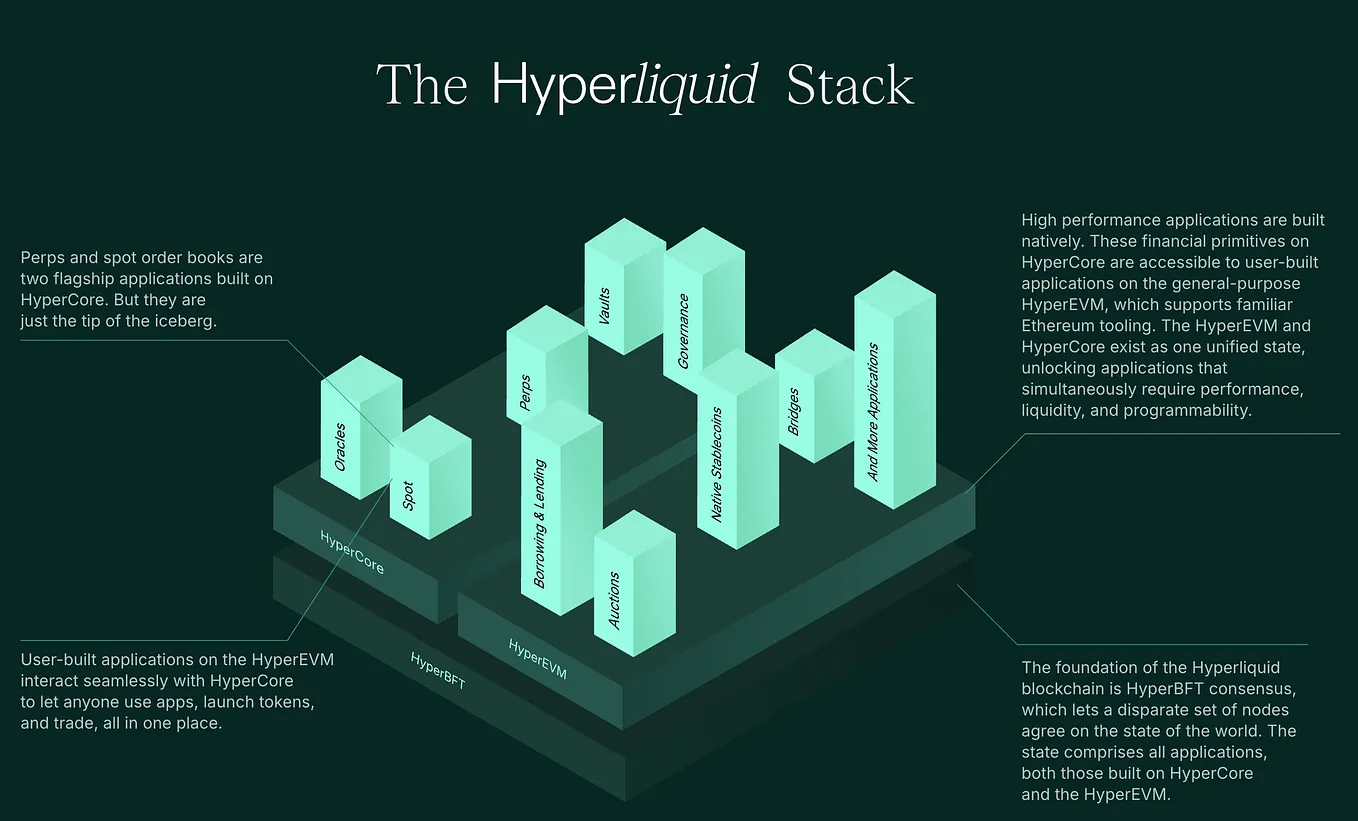
RollupSettle. com harnesses this for premier cross-rollup DEX settlement, but traders must prioritize low-latency RPC endpoints from specialized providers to relay orders swiftly. Hyperliquid-style perps DEXs on zk-rollups already flirt with CEX speeds, per MixBytes, yet cross-rollup demands more. Marshall Vyletel Jr. ‘s Medium deep-dive on trustless interoperability underscores shared settlement’s edge: no wrapped assets, just in-protocol messaging.
Ethereum Technical Analysis Chart
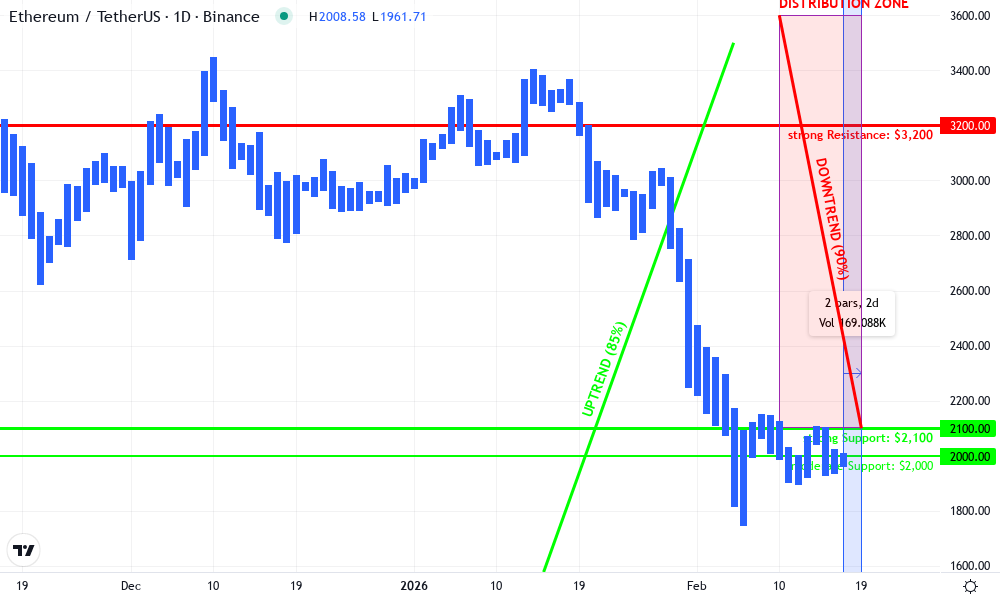
Analysis by Sophia Garcia | Symbol: BINANCE:ETHUSDT | Interval: 1D | Drawings: 7
Technical Analysis Summary
As Sophia Garcia, start by drawing a primary downtrend line connecting the recent swing high at approximately $3,600 on 2026-02-10 to the current swing low around $2,100 on 2026-02-19, using ‘trend_line’ with red color for bearish bias. Add an earlier uptrend line from $1,100 on 2026-01-10 to $3,500 on 2026-02-05 in green. Mark key support at $2,100 with ‘horizontal_line’ thick blue, resistance at $2,500 and $3,200 with thinner orange lines. Use ‘rectangle’ for the recent consolidation range from 2026-02-12 to 2026-02-17 between $2,200-$2,400. Place ‘arrow_mark_down’ at MACD bearish crossover around 2026-02-15, and ‘callout’ on volume spike during the drop noting ‘distribution’. Add ‘text’ labels for S/R levels with strength. Finally, ‘date_range’ for the breakdown event on 2026-02-17.
Risk Assessment: medium
Analysis: Post-rally correction with L2 sequencer risks amplifying volatility; support test critical but no clear reversal yet
Sophia Garcia’s Recommendation: Hold cash or hedges via RollupSettle.com shared sequencers; enter longs only on support confirmation with 1:2 RR, stops mandatory
Key Support & Resistance Levels
📈 Support Levels:
-
$2,100 – Recent swing low with volume cluster, strong psychological level
strong -
$2,000 – Prior consolidation base, moderate hold potential
moderate
📉 Resistance Levels:
-
$2,500 – Immediate overhead from retracement, weak bounce zone
weak -
$3,200 – 50% fib retrace of rally, strong barrier
strong
Trading Zones (low risk tolerance)
🎯 Entry Zones:
-
$2,150 – Bounce from strong support with volume confirmation, low-risk long if holds
low risk -
$1,980 – Break below 2000 invalidates bull case, high-risk short
high risk
🚪 Exit Zones:
-
$2,450 – Profit target at minor resistance
💰 profit target -
$2,050 – Tight stop below support to limit downside
🛡️ stop loss
Technical Indicators Analysis
📊 Volume Analysis:
Pattern: spiking on downside with divergence from price high
Bearish distribution signal during Feb drop, high volume confirms selling pressure
📈 MACD Analysis:
Signal: bearish crossover below zero line
Momentum shift negative post-rally, histogram contracting
Applied TradingView Drawing Utilities
This chart analysis utilizes the following professional drawing tools:
Disclaimer: This technical analysis by Sophia Garcia is for educational purposes only and should not be considered as financial advice.
Trading involves risk, and you should always do your own research before making investment decisions.
Past performance does not guarantee future results. The analysis reflects the author’s personal methodology and risk tolerance (low).
Navigating Risks in Low-Latency Trading Strategies
Deploying these tools isn’t plug-and-play. Sequencer centralization lingers as a threat; even decentralized ones like Astria require vigilant monitoring for collusion. My FRM-honed philosophy insists on stress-testing: simulate non-atomic MEV scenarios to quantify losses. For OP Stack enthusiasts, shared sequencers unlock atomic trades, but pair them with geographic RPC diversity to counter latency spikes. Intents shine here, outsourcing fulfillment to solvers while you retain control, but select platforms with proven audit trails like RollupSettle. com.
Traders optimizing for speed should benchmark against CEX baselines, noting zk-rollup DEX evolutions toward unified order books. Yet, in this nascent space, overleveraging on unproven cross-rollup paths courts disaster; start small, scale cautiously.
Layering in safeguards like multi-signature approvals on intent solvers further bolsters defenses against sequencer downtime. In my audits, I’ve seen too many traders burn capital on unhedged cross-rollup positions; diversify your intents across multiple solvers to mirror real-world risk parity. RollupSettle. com’s architecture, with its emphasis on shared sequencers DeFi, mitigates these by distributing sequencing load, yet users must configure custom gas thresholds to avoid overpaying during congestion peaks.
Practical Deployment: Executing Intents-Based Cross-Rollup Swaps
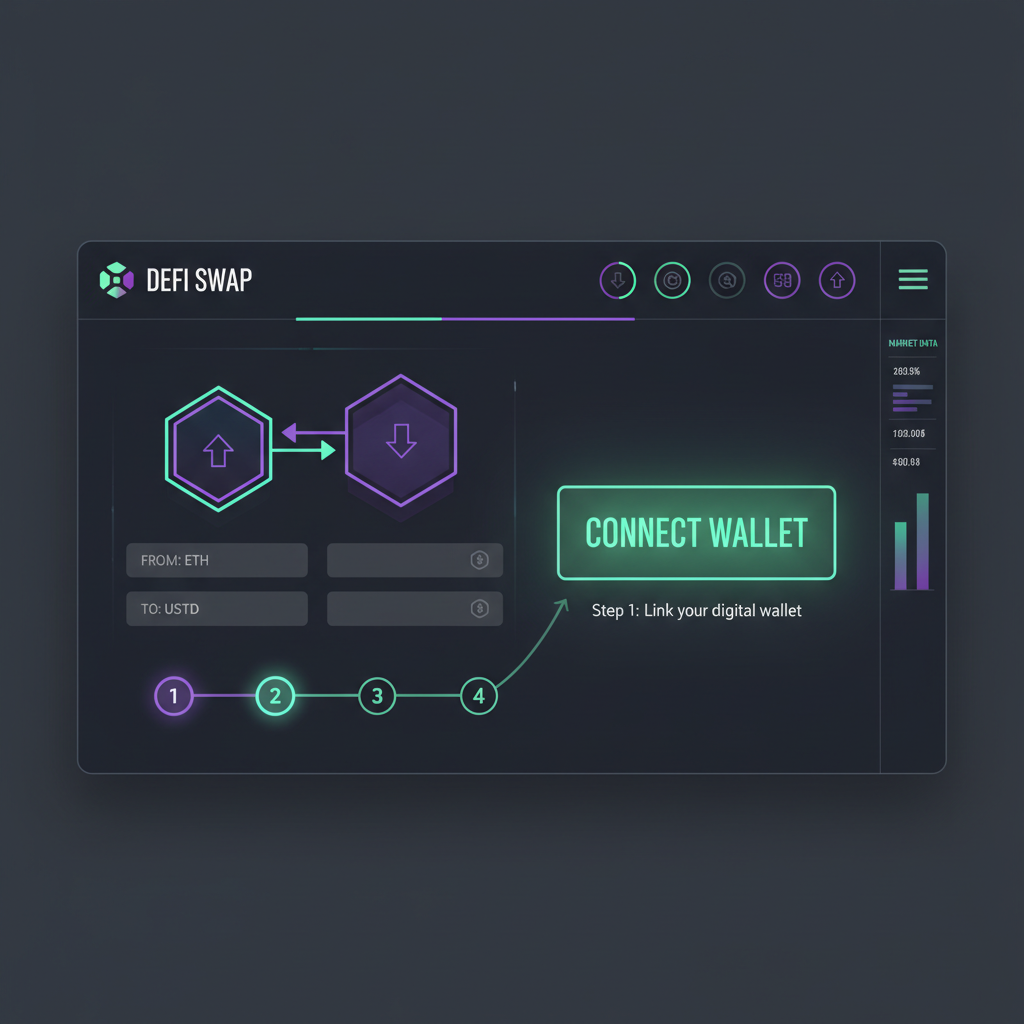
Transitioning theory to practice requires a structured approach. Begin by selecting a platform vetted for sequencer uptime, like those integrating Espresso or Astria networks. Intents-based systems shine in rollup interoperability trading, allowing you to broadcast desires rather than micromanage calldata. Solvers compete to fulfill these at optimal rates, but latency hinges on your RPC setup: opt for providers with nodes in key trading hubs like Tokyo or New York for sub-100ms relays.
Low-Latency Cross-Rollup DEX Swaps: Secure Setup on RollupSettle
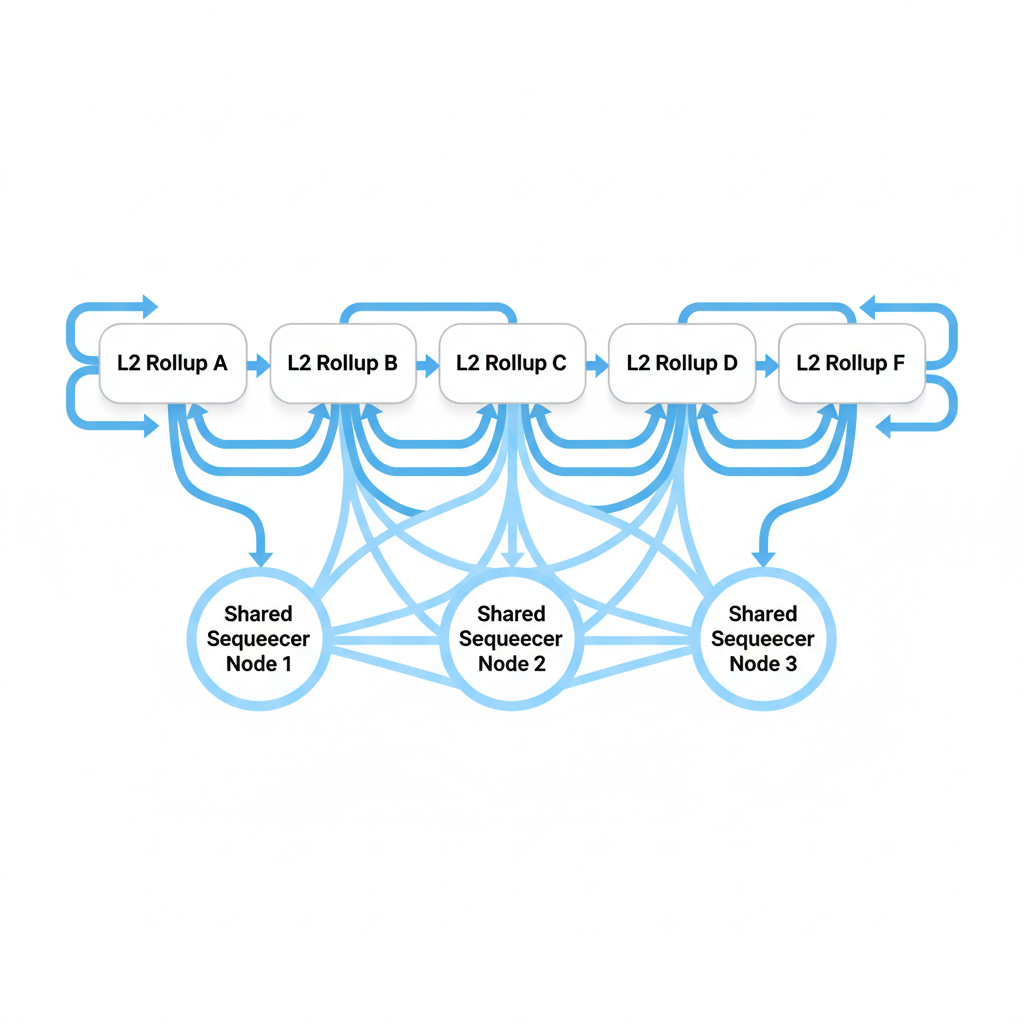
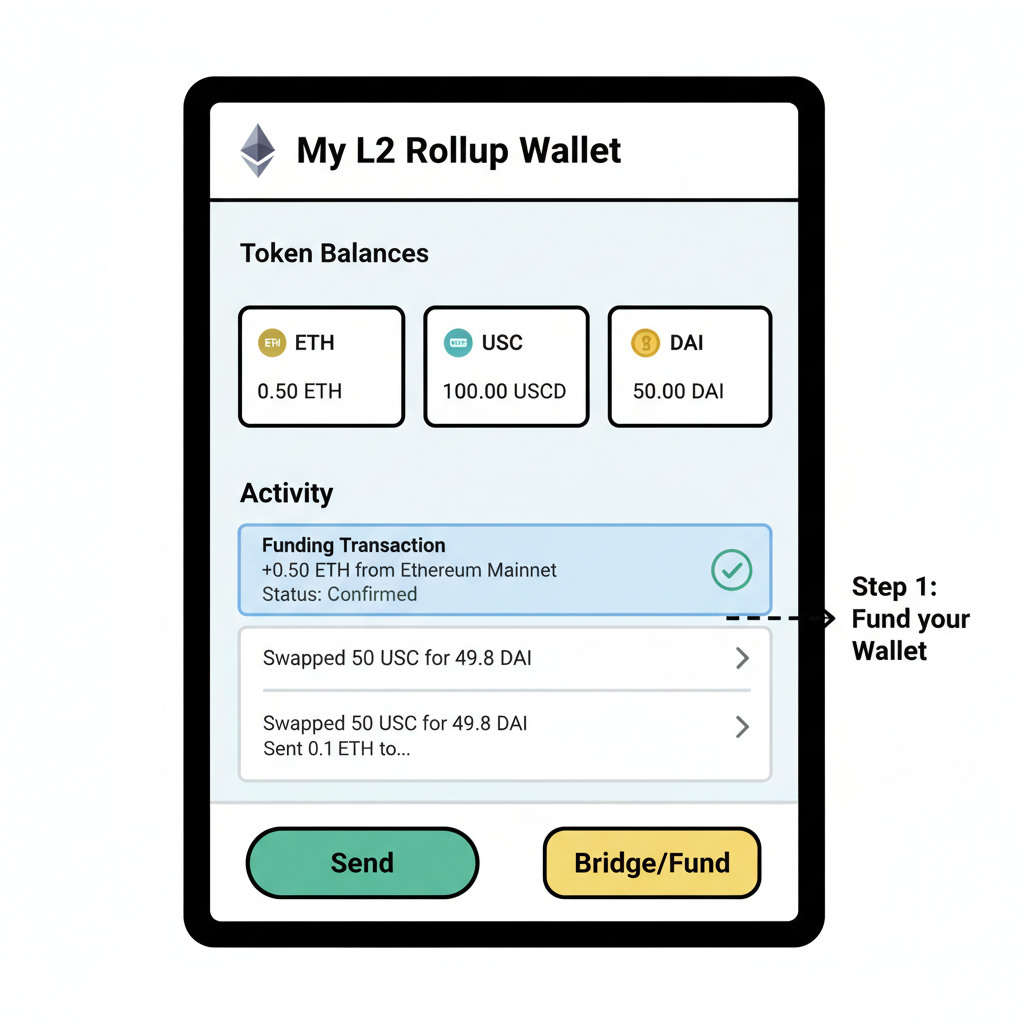

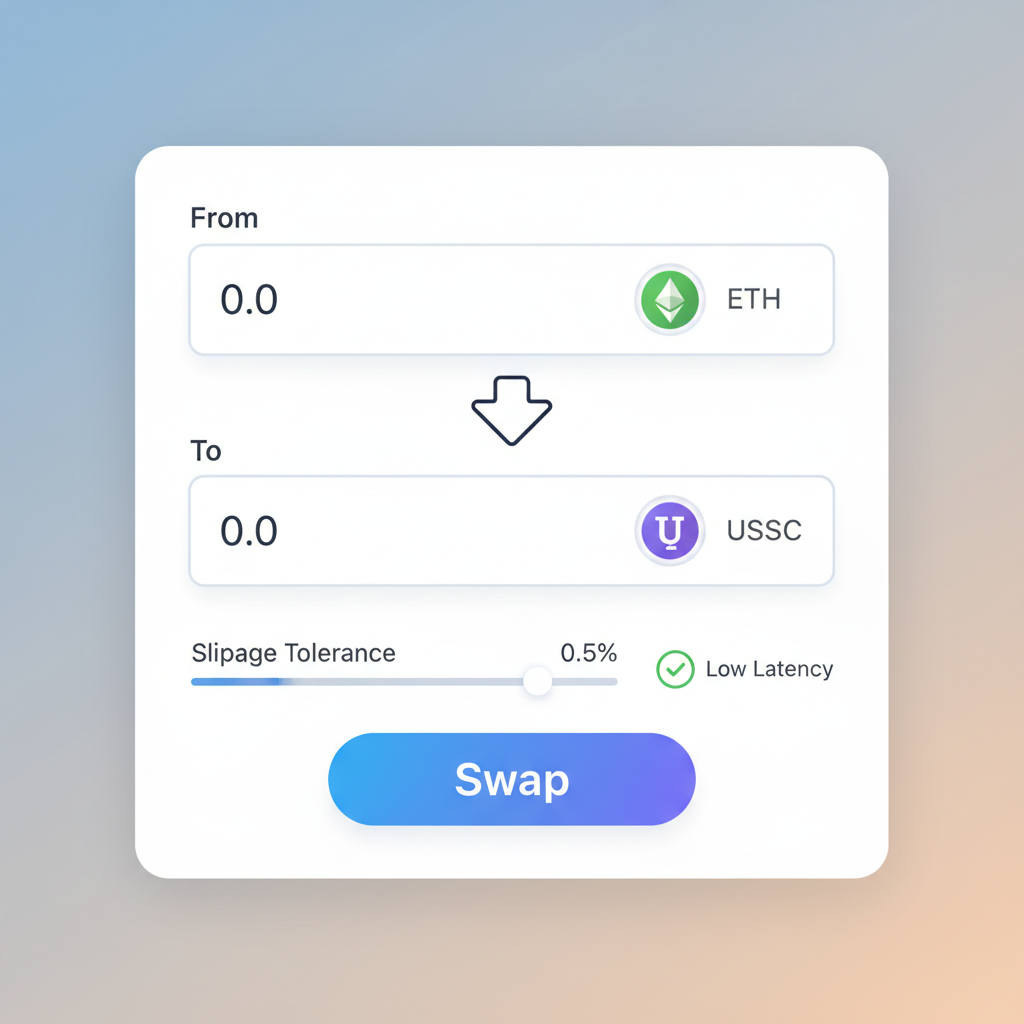
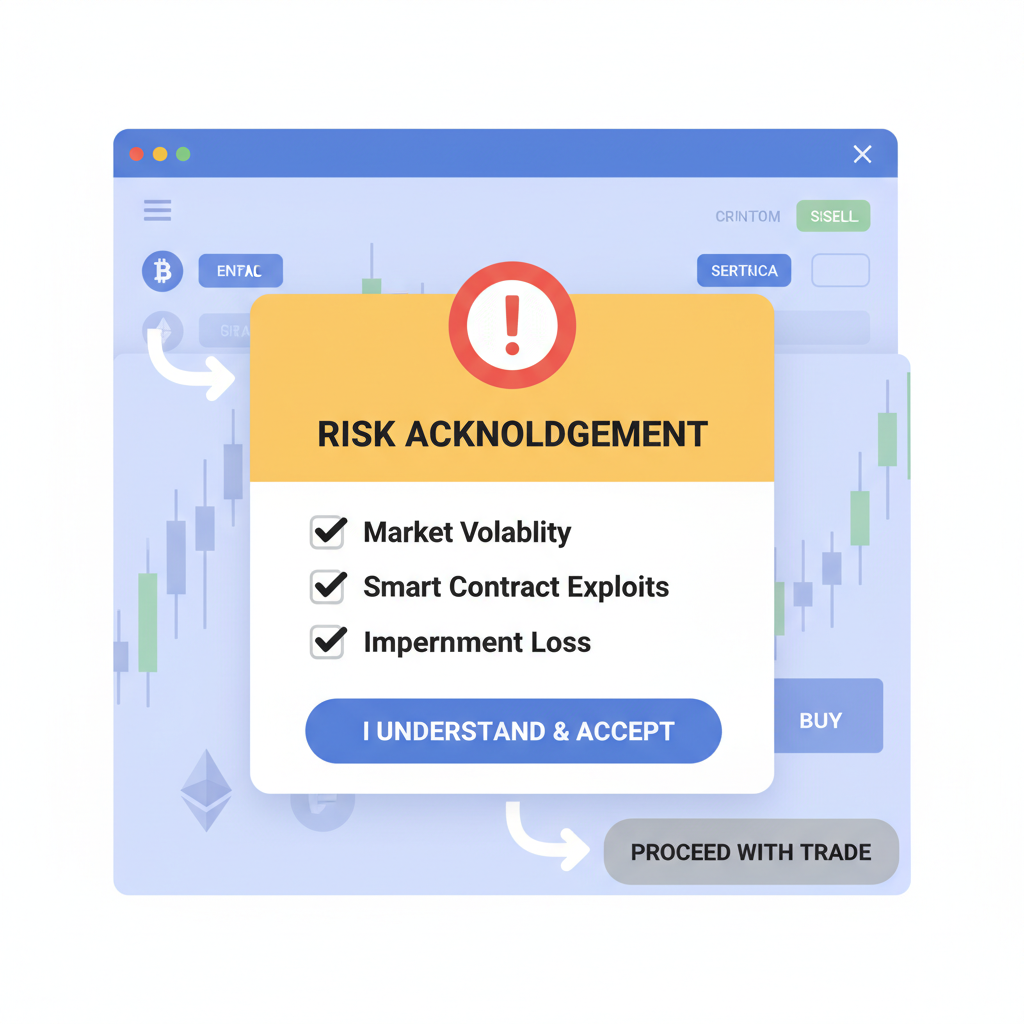
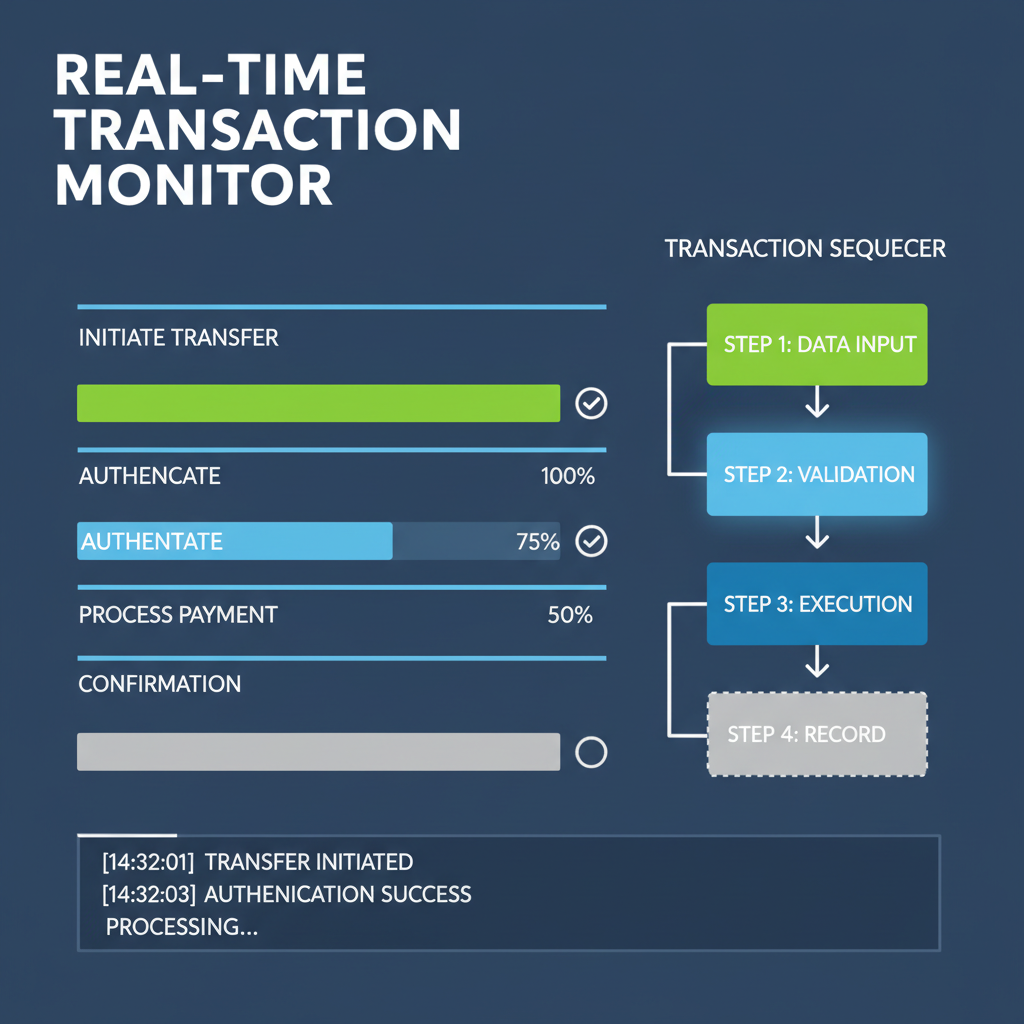

Once configured, monitor for non-atomic pitfalls flagged in arXiv’s MEV study; shared sequencers curb these by enforcing global order fairness. Gate. com notes ERC7683’s intent standard gaining traction on Arbitrum and Optimism, yet without shared settlement, resolutions lag. RollupSettle. com bridges this gap, enabling atomic swaps akin to Ethereum Research’s single-transaction ideal: USDC from Rollup 1 to DEX on Rollup 2 and back, sans bridges.
Rome Protocol’s Solana sequencer play, as detailed in recent updates, underscores viability, but Solana’s outage history warrants caution; hybrid models blending based rollups with dedicated networks offer balanced resilience. Zeeve’s analysis affirms shared sequencers’ decentralization boost, spreading failure points across Ethereum validators per Sygnum insights.
Optimizing for Low-Latency L2 Settlement
Fine-tuning demands granular tools. Benchmark your setup against zk-rollup DEX latencies from MixBytes’ derivatives deep-dive, targeting CEX parity. Deploy alerts for sequencer divergence, a subtle risk where rollups desync ordering. Jarrod Watts’ sequencer guide stresses decentralized networks’ role in cross-domain atomicity, vital for intents-based cross-rollup swaps. CRATE proposals add atomic guarantees, but pair them with RollupSettle. com’s solver ecosystem for production readiness.
Arbitrum Technical Analysis Chart
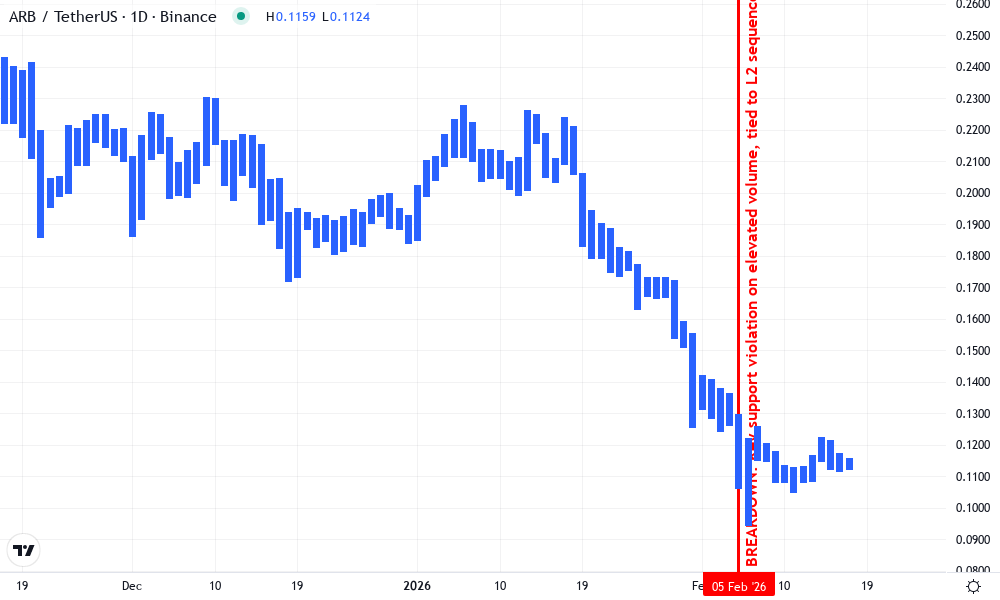
Analysis by Sophia Garcia | Symbol: BINANCE:ARBUSDT | Interval: 1D | Drawings: 6
Technical Analysis Summary
As Sophia Garcia, with my conservative hybrid approach emphasizing risk mitigation before capitalization, I recommend the following precise drawing instructions on this ARBUSDT chart to highlight vulnerabilities in the current downtrend amid DeFi liquidity fragmentation risks: 1. Draw a primary downtrend line (trend_line) connecting the swing high at 2026-01-10 0.98 to the recent low at 2026-02-19 0.62, extending forward with 0.85 confidence. 2. Add horizontal support at 0.60 (strong) and resistance at 0.72 (moderate). 3. Mark a distribution price range rectangle from 2026-01-15 to 2026-02-10 between 0.65-0.85. 4. Place arrow_mark_down on MACD bearish crossover around 2026-02-05. 5. Use callout for declining volume pattern post-breakdown. 6. Vertical line at potential news event 2026-02-17 for cross-rollup MEV update. These drawings underscore waiting for support confirmation before any low-risk entries.
Risk Assessment: high
Analysis: Downtrend intact, low volume bounce vulnerable to further L2 fragmentation selloff; conservative stance avoids entries without multi-factor confirmation.
Sophia Garcia’s Recommendation: Hold cash, monitor for shared sequencer adoption signals before scaling in conservatively.
Key Support & Resistance Levels
📈 Support Levels:
-
$0.6 – Strong multi-test low, aligns with 200MA projection; key hold for rollup recovery.
strong -
$0.58 – Psychological extension if breakdown.
moderate
📉 Resistance Levels:
-
$0.72 – Recent swing high rejection, MA50 confluence.
moderate -
$0.8 – Prior consolidation ceiling.
weak
Trading Zones (low risk tolerance)
🎯 Entry Zones:
-
$0.61 – Dip buy only on volume spike and MACD bullish divergence confirmation, low risk if support holds.
low risk -
$0.68 – Breakout entry above resistance on shared sequencer news catalyst.
medium risk
🚪 Exit Zones:
-
$0.72 – Profit target at resistance retest.
💰 profit target -
$0.58 – Tight stop below support to mitigate L2 volatility.
🛡️ stop loss
Technical Indicators Analysis
📊 Volume Analysis:
Pattern: declining on downside continuation
High volume on Jan drop, fading now—bearish exhaustion? Wait for uptick confirmation.
📈 MACD Analysis:
Signal: bearish crossover
MACD line below signal since early Feb, histogram contracting but negative.
Applied TradingView Drawing Utilities
This chart analysis utilizes the following professional drawing tools:
Disclaimer: This technical analysis by Sophia Garcia is for educational purposes only and should not be considered as financial advice.
Trading involves risk, and you should always do your own research before making investment decisions.
Past performance does not guarantee future results. The analysis reflects the author’s personal methodology and risk tolerance (low).
Geographic RPC diversity remains non-negotiable; Hyperliquid’s perps playbook highlights ultra-low latency via distributed nodes. In practice, I’ve advised traders to allocate 20% of positions to cross-rollup intents initially, scaling as sequencer maturity proves out. Liquidity providers benefit too, as unified pools via shared settlement, per Marshall Vyletel Jr. , eliminate wrapping frictions.
Challenges persist: solver centralization could reintroduce MEV shadows, demanding ongoing audits. Cube Exchange anticipates broad shared sequencer adoption, but my risk lens flags interoperability standards evolution as key. ERC7683 sets the stage, yet full atomicity awaits robust shared layers.
For developers building on OP Stack, the path to atomic trades clarifies via proven sequencer integrations. Traders, equip yourselves with platforms prioritizing security over speed alone. RollupSettle. com exemplifies this balance, delivering cross-rollup DEX settlement that withstands scrutiny. Probe the ecosystem thoroughly, simulate edge cases, and position for the interoperable future where liquidity flows freely, risks contained.