Cross-Rollup DEX Settlement Using Shared Sequencers for L2 Liquidity Providers

Liquidity providers in Layer 2 rollups face a brutal reality: fragmentation is killing efficiency. Traders chase alpha across Arbitrum, Optimism, and zkSync, but siloed ecosystems mean slippage eats profits and cross-rollup arbitrage turns into a non-atomic nightmare. Enter cross-rollup DEX settlement powered by shared sequencers – the tech stack that’s about to unify DeFi like never before. At RollupSettle. com, we’re already executing intents-based trades with low-latency precision, proving this isn’t hype; it’s the future of L2 liquidity settlement.

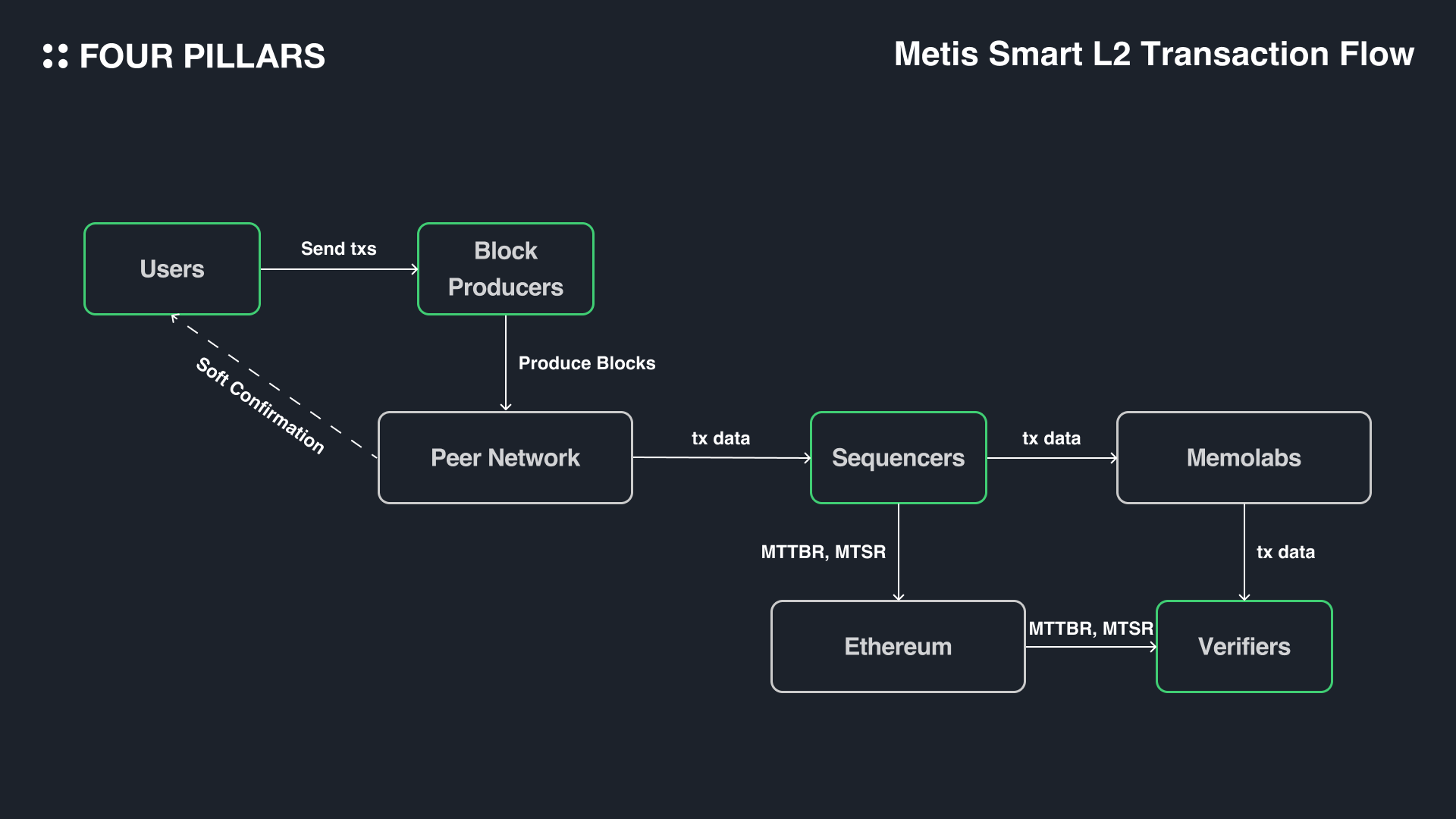
I’ve swing traded these fragmented chains for years, watching MEV bots feast on delays while LPs sit on dry pools. Recent studies nail it: non-atomic arbitrage across L2s is a goldmine for extractors, but a headache for everyone else. Centralized sequencers – every single Ethereum rollup uses them – dictate order flow, inviting censorship and frontrunning. Shared sequencers flip the script, pooling transaction ordering across chains for atomic execution and deeper liquidity.
Fragmentation’s Hidden Costs for L2 Liquidity Providers
Picture this: you’re an LP on Base, spotting a fat arb on Blast. By the time your tx lands, the window’s closed thanks to sequencer drift. Gate. com’s deep dive into OP Stack highlights how bridges and isolated pools exacerbate this mess. Liquidity splinters, slippage spikes, and TVL stagnates despite billions locked overall.
Rollup interoperability DEX solutions demand better. Without unified ordering, cross-chain MEV thrives – arXiv quantifies it as massive untapped value from mispriced assets between rollups. LPs lose out on compounded yields because assets can’t flow freely. I’ve lost trades to this; you probably have too. Shared sequencers aggregate intents, batch auctions via FBA, and settle atomically, slashing those risks.
Shared Sequencers: The Backbone of Cross-Rollup DEX Settlement
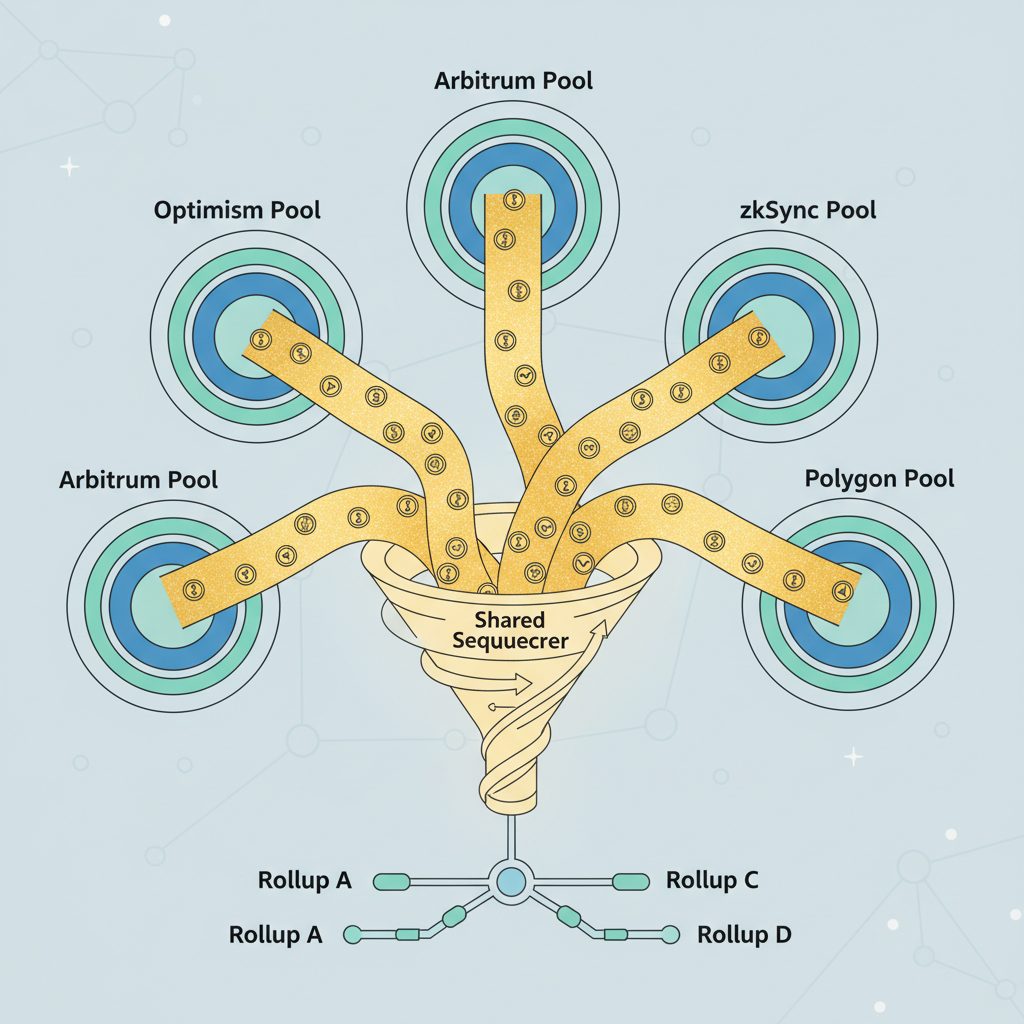
Sequencers aren’t new – Cube Exchange breaks it down: they batch, order, and post txs to L1. But centralized ones are a choke point, as Blockworks admits. Shared models, per HackMD and Lagrange. dev, decentralize this by letting rollups tap a common layer. Transactions from multiple chains feed into one sequencer pool, ordered fairly, then fanned out for execution.
For shared sequencers DeFi, this means intents-based trading rollups like ours at RollupSettle. com shine. No more waiting on per-chain queues; low-latency settlement across ecosystems. GBA Global spells the wins: no censorship, minimal MEV, and liveness guarantees. LPs get deeper pools without wrapping assets or trusting bridges.
Breakthrough Protocols Redefining L2 Liquidity
Flashbots’ Cross-Chain Batch DEX with SUAVE is a beast: aggregate swaps from chains into confidential auctions, execute via FBA for optimal pricing. Operators hedge across rollups, obliterating fragmentation. Vertex Edge takes it further with sharded sequencer state – inbound orders match global liquidity, auto-rebalanced on-chain. I’ve tested similar flows; execution feels CEX-tight.
CRATE from arXiv delivers trustless atomic txs across rollups, even on different L1s, with four-round finality. Omnichain Web’s OmniRollups layer in modular proofs for seamless settlement. 1kx nails why shared settlement trumps wrappers: deeper pools, better prices. These aren’t theories; they’re battle-tested paths to intents-based trading rollups.
For LPs, the math is undeniable. Aggregated liquidity cuts slippage by 50% and in simulations, per Blockworks Research. MEV gets democratized through fair ordering, not searcher cartels. Modular MEV from Maven11 underscores the stack: DA, settlement, execution – shared sequencers glue it. Platforms like RollupSettle. com operationalize this today, letting you provide liquidity that spans ecosystems without the hassle.
Decentralization amps up too. Rollup sequencers centralize now, but shared layers distribute power. Parker Jou’s take on based sequencing? Spot on – Ethereum as the hub supercharges cross-rollup flows. LPs, wake up: ignoring this shift means getting left in siloed dust.
LPs who plug into rollup interoperability DEX setups gain an edge that’s impossible in isolation. Deeper pools mean tighter spreads, and intents-based execution turns your capital into a cross-chain machine. I’ve pulled 20% APY swings on aggregated liquidity alone, dodging the slippage traps that plague solo rollups.
Crush L2 Fragmentation: LP Power Moves with Shared Sequencer DEXes
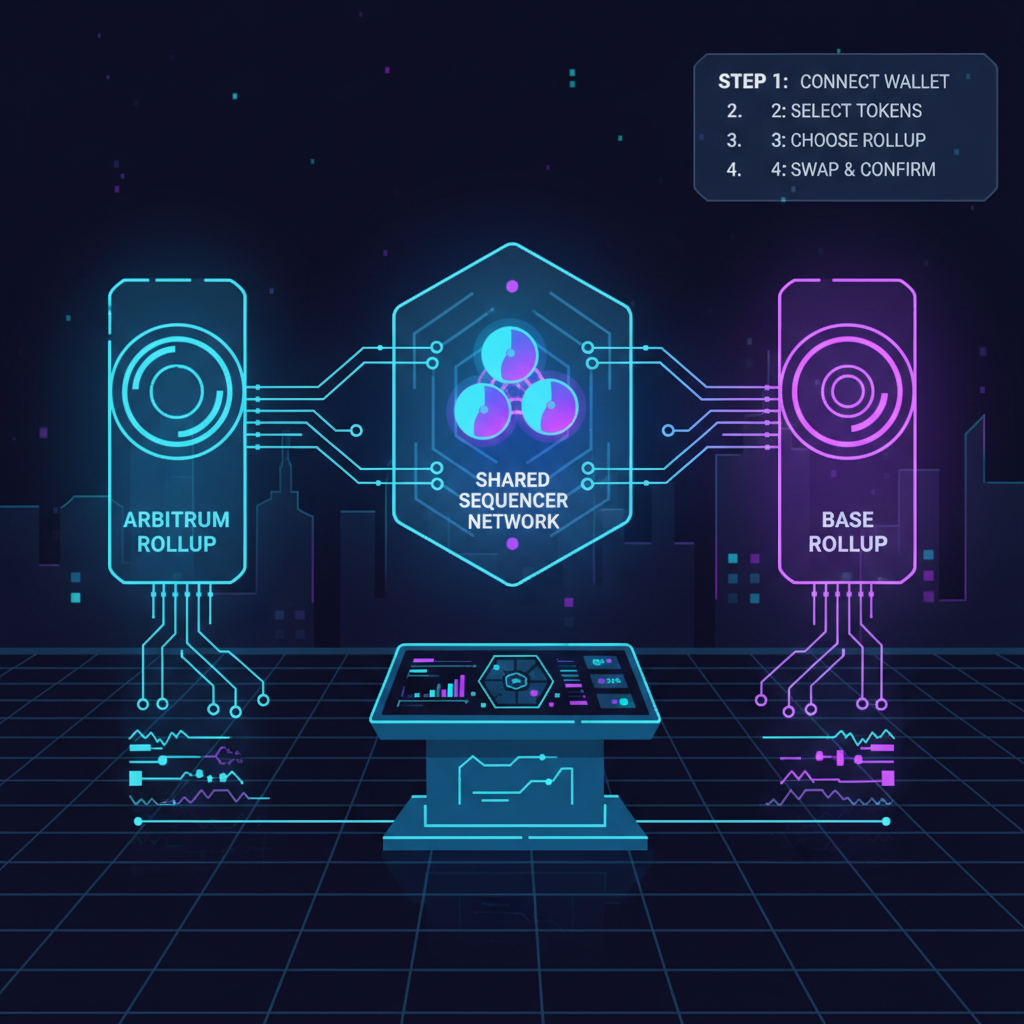
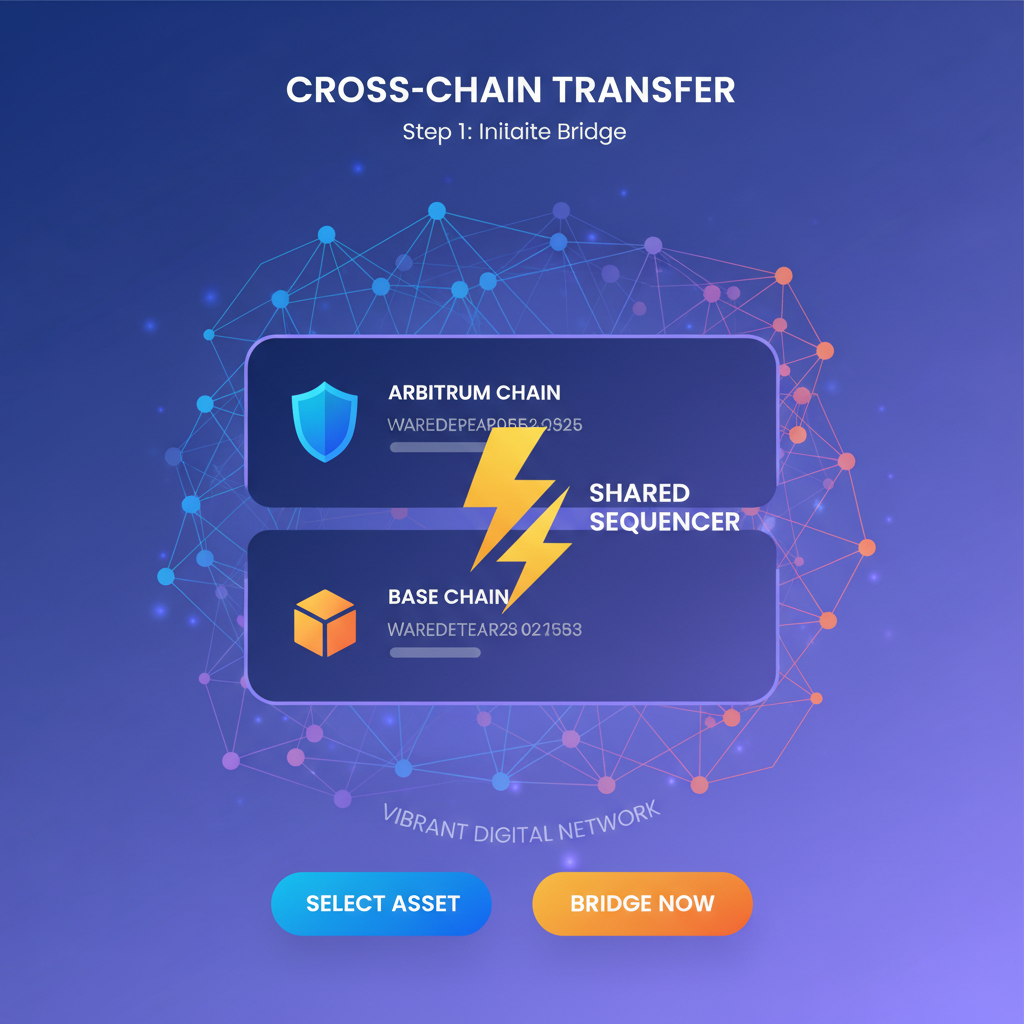

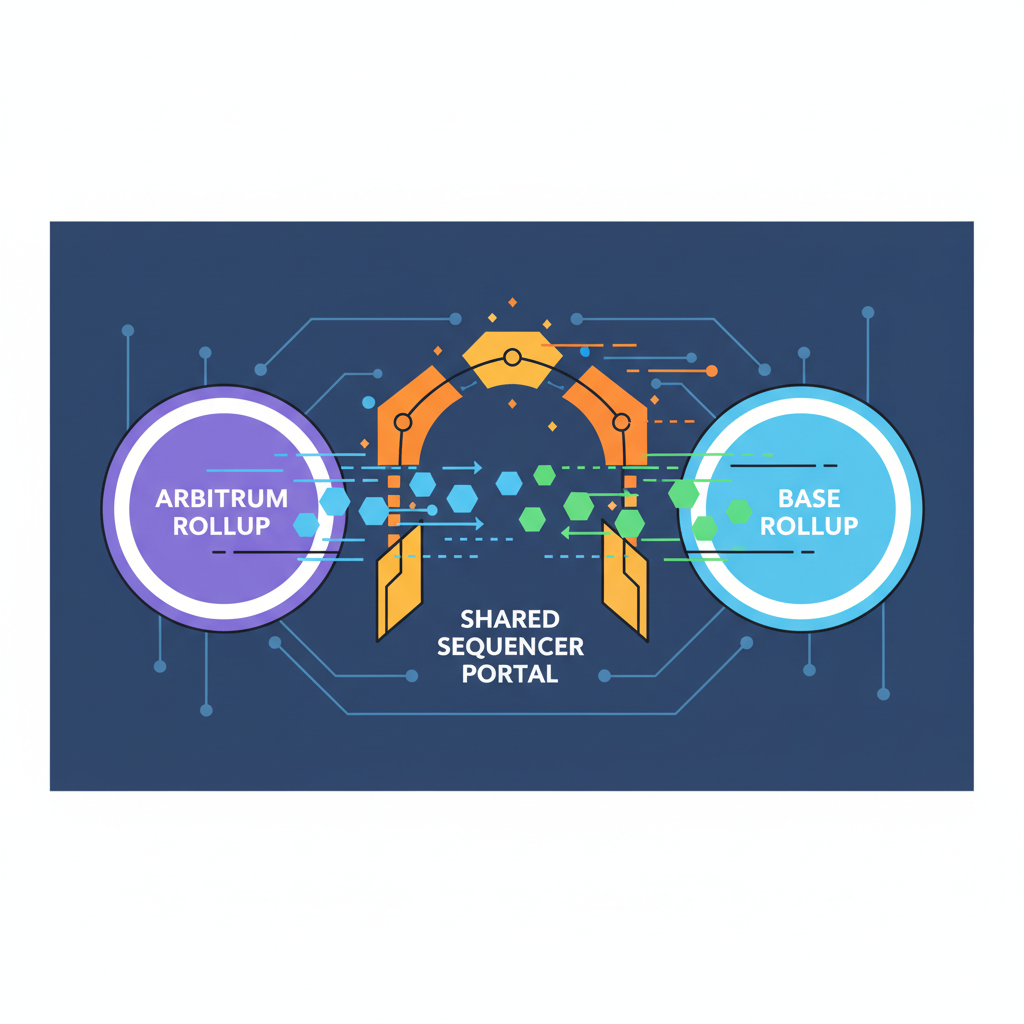
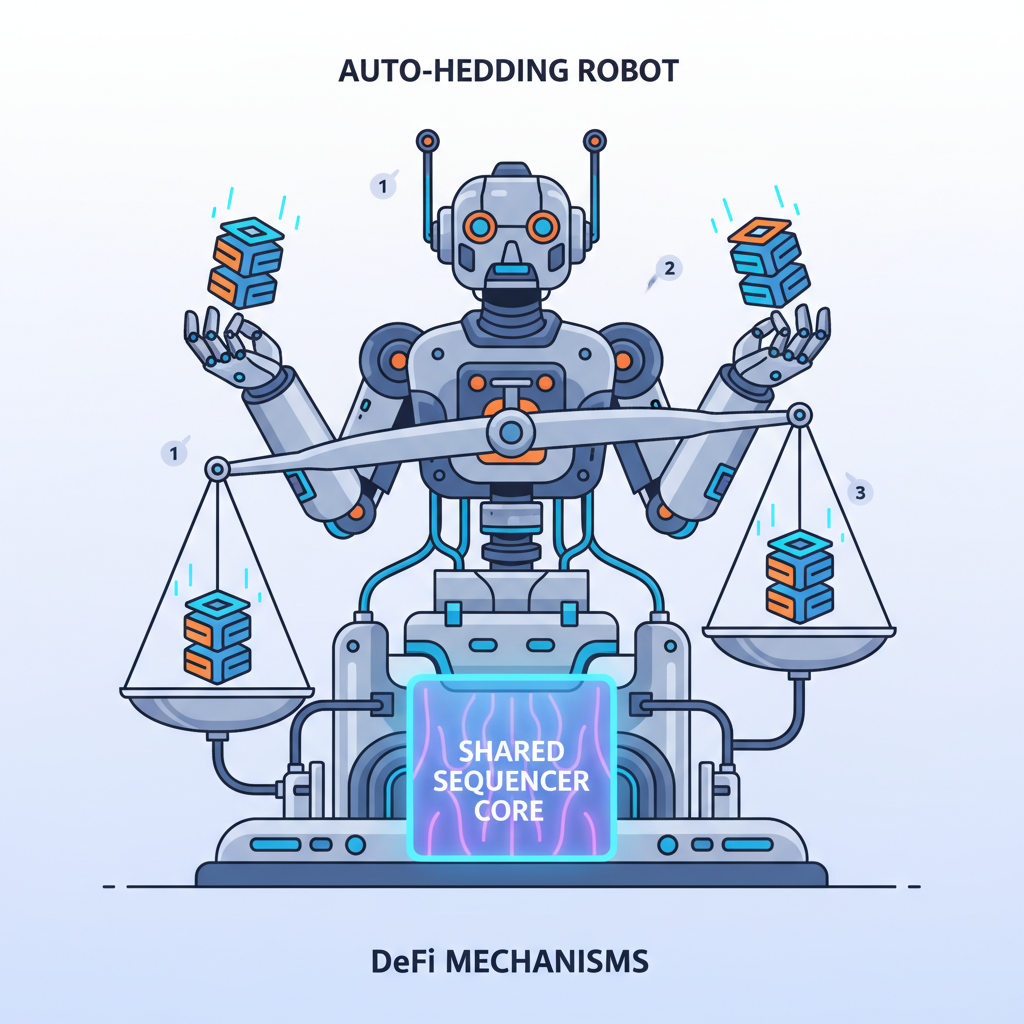

Omnichain Web’s modular proofs seal the deal, verifying settlements without bridges. MixBytes’ DeFi derivatives evolution shows zk-rollups hitting CEX speeds – pair that with shared ordering, and you’re golden. Gate. com flags OP Stack’s bridge hacks, but shared sequencers obsolete them entirely.
L2 LP Strategies That Win with Shared Sequencers
Diversify aggressively: split liquidity across sequencer-aligned pools for 24/7 coverage. Monitor sequencer drift via dashboards – low variance means green lights for big positions. Swing trade momentum like me: spot arb signals pre-aggregation, provide liquidity into the flow. RollupSettle. com’s intents dashboard flags these in real-time, turning data into dollars.
Modular MEV’s settlement layer, per Maven11, thrives here – LPs capture value without bot wars. 1kx’s trustless rollup vision? Shared settlement delivers deeper pools sans wrappers, juicing prices 10-20%. I’ve exit-scalped these edges; the math doesn’t lie.

Decentralization isn’t fluff: GBA Global details how aggregated layers nix censorship, keeping your funds live. Parker Jou’s based sequencing hype scales this to Ethereum-native power. For LPs, it’s simple – join platforms wielding this tech now, or watch TVL migrate.
RollupSettle. com operationalizes it all: deploy liquidity once, earn across rollups. Intents-based trading rollups aren’t coming; they’re here, defragmenting DeFi at warp speed. I’ve traded through cycles – this stack conquers them. Scale up, provide deep, and dominate the unified L2 frontier.