Cross-Rollup DEX Settlement Using Shared Sequencers: Guide for DeFi Traders 2026

In the fast-evolving DeFi landscape of 2026, traders face a fragmented multichain world where liquidity pools on one Ethereum Layer 2 rollup rarely interact seamlessly with those on another. Enter cross-rollup DEX settlement powered by shared sequencers DeFi architectures, a breakthrough that unifies execution across rollups. Platforms like RollupSettle. com leverage this technology to deliver intents-based solutions, slashing latency and costs while enabling atomic trades that span ecosystems. This guide equips DeFi traders with the insights to navigate this shift, drawing from real-world implementations like Rome Protocol’s Solana-backed sequencer and CRATE’s atomic execution protocol.

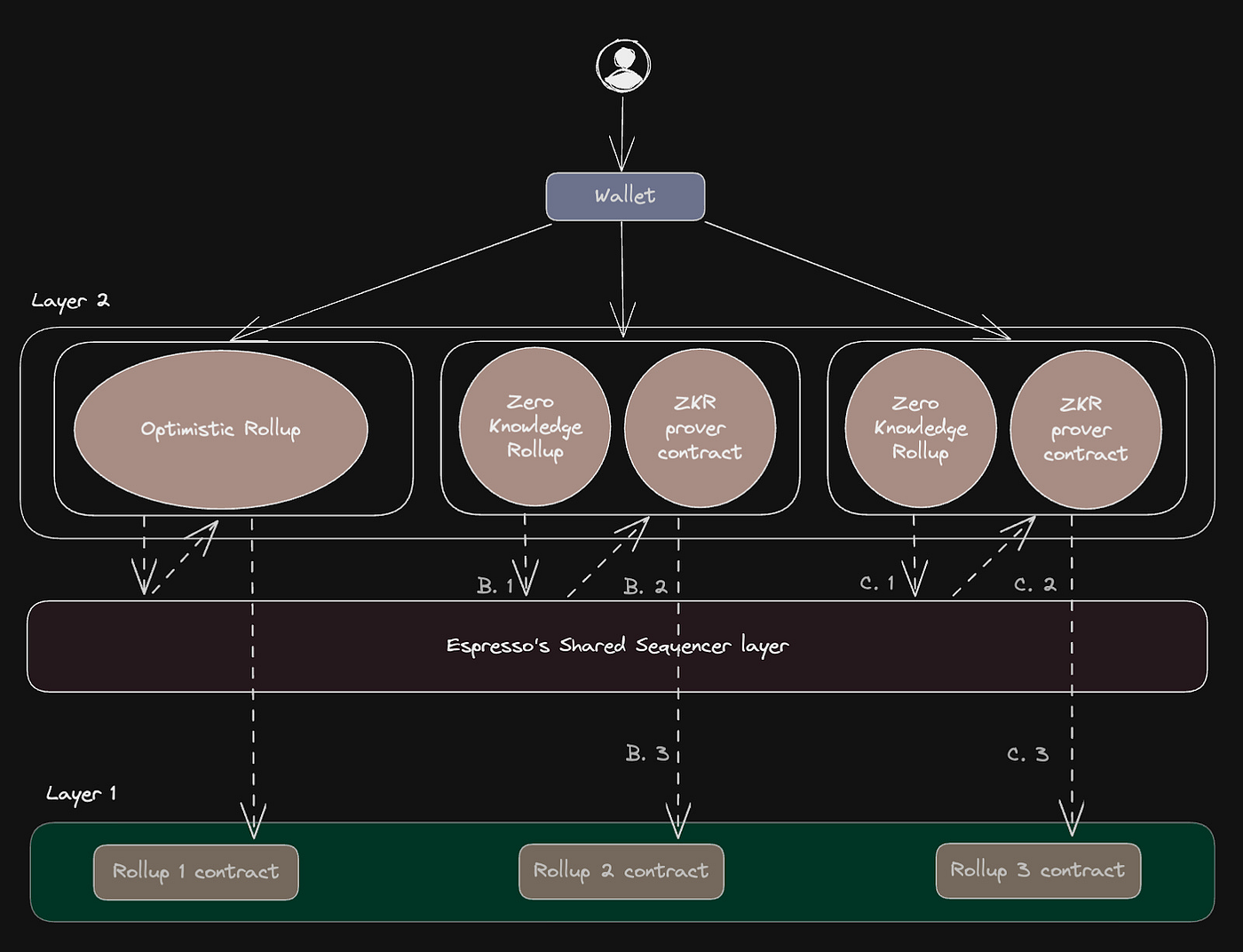
Layer 2 rollups have scaled Ethereum effectively, bundling transactions off-chain and settling on the base layer for security. Yet, traditional setups with centralized sequencers create silos: each rollup orders its own transactions, hindering rollup DEX liquidity and exposing traders to MEV exploitation or censorship risks. As noted in analyses from Cube Exchange and Jarrod Watts, sequencers are the linchpin, reordering user transactions before batching them to Ethereum.
Why Centralized Sequencers Fall Short in a Multirollup World
Most major L2s, from Optimism to Arbitrum, initially relied on centralized sequencers for speed and simplicity, as Orochi Network highlights. This convenience boosts throughput but centralizes power, allowing operators to censor trades or front-run users. In cross-rollup scenarios, the pain amplifies: bridging assets between rollups incurs high gas fees, delays, and trust assumptions. Traders attempting arbitrage between a DEX on Base and one on zkSync must navigate asynchronous states, risking slippage or failed executions.
Shared sequencers emerge as the antidote, decentralizing ordering across multiple rollups. By proposing a unified sequence, they ensure fairness and enable layer 2 interoperability settlement. Ethereum Research contrasts this with intents-based paths, where solvers fulfill complex orders like “USDC on Rollup 1 to swapped assets back on Rollup 1” atomically.
Shared Sequencers Unlock Atomic Cross-Rollup DEX Trades
At RollupSettle. com, our intents-based engine harnesses shared sequencers to batch and settle trades across rollups in a single, low-latency flow. Imagine spotting an arbitrage: low USDC price on Arbitrum DEX versus high demand on OP Mainnet. With shared sequencing, your intent propagates instantly, assets move, swap executes, and profits settle without bridges. This mirrors Superchain Thesis insights on OP Stack atomicity.
Rome Protocol exemplifies this by tapping Solana’s throughput as a neutral sequencer layer, coordinating Ethereum rollups for real-time opportunities. CRATE extends it further, guaranteeing atomicity even across L1s. For traders, the upside is profound: reduced rollup DEX liquidity fragmentation means tighter spreads and deeper pools ecosystem-wide. My decade in crypto and forex underscores how this mirrors hybrid market-making, blending on-chain transparency with off-chain efficiency.
Intents-Based Trading: The Trader’s Edge in L2 Interoperability
Intents-based trading L2 shifts from rigid transactions to solver competitions, where users broadcast desires and networks optimize fulfillment. Shared sequencers provide the ordered canvas for this, preventing race conditions across rollups. Platforms like RollupSettle. com integrate this natively, letting traders specify outcomes like “maximize yield via cross-rollup perpetuals” without micromanaging paths.
Predictions from MEXC point to 2026 as the year modular architectures and AI agents amplify this, with shared sequencers as the backbone. Yet, challenges persist: sequencer liveness and collusion risks demand robust decentralization. In my view, hybrid models – starting decentralized proofs over shared ordering – strike the optimal balance, much like forex interbank networks evolved.
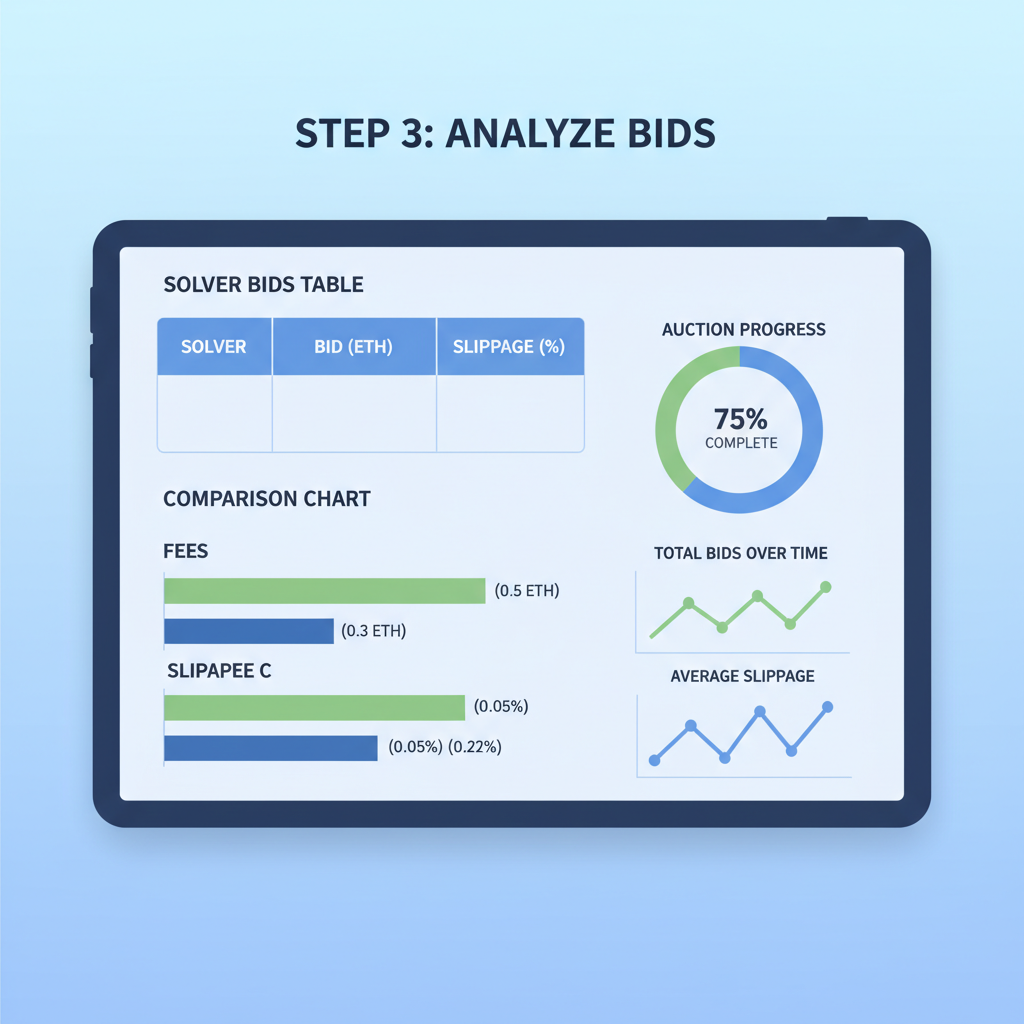
Hybrid models preserve the speed of shared ordering while layering censorship-resistant proofs, a pragmatic evolution that RollupSettle. com champions through its intents-based cross-rollup DEX settlement protocol. Traders gain visibility into solver auctions, fostering competition that drives better pricing without exposing private keys.
Practical Strategies for Traders on Shared Sequencer Platforms
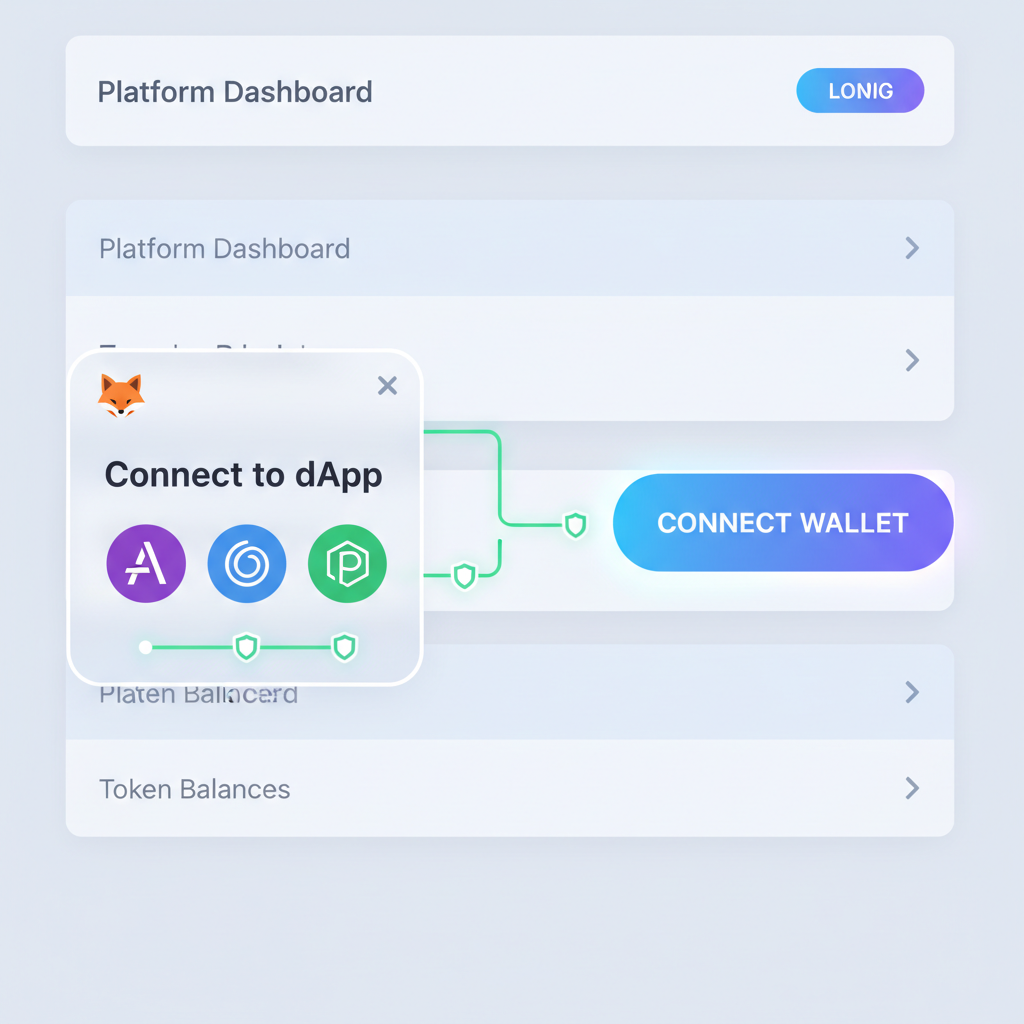
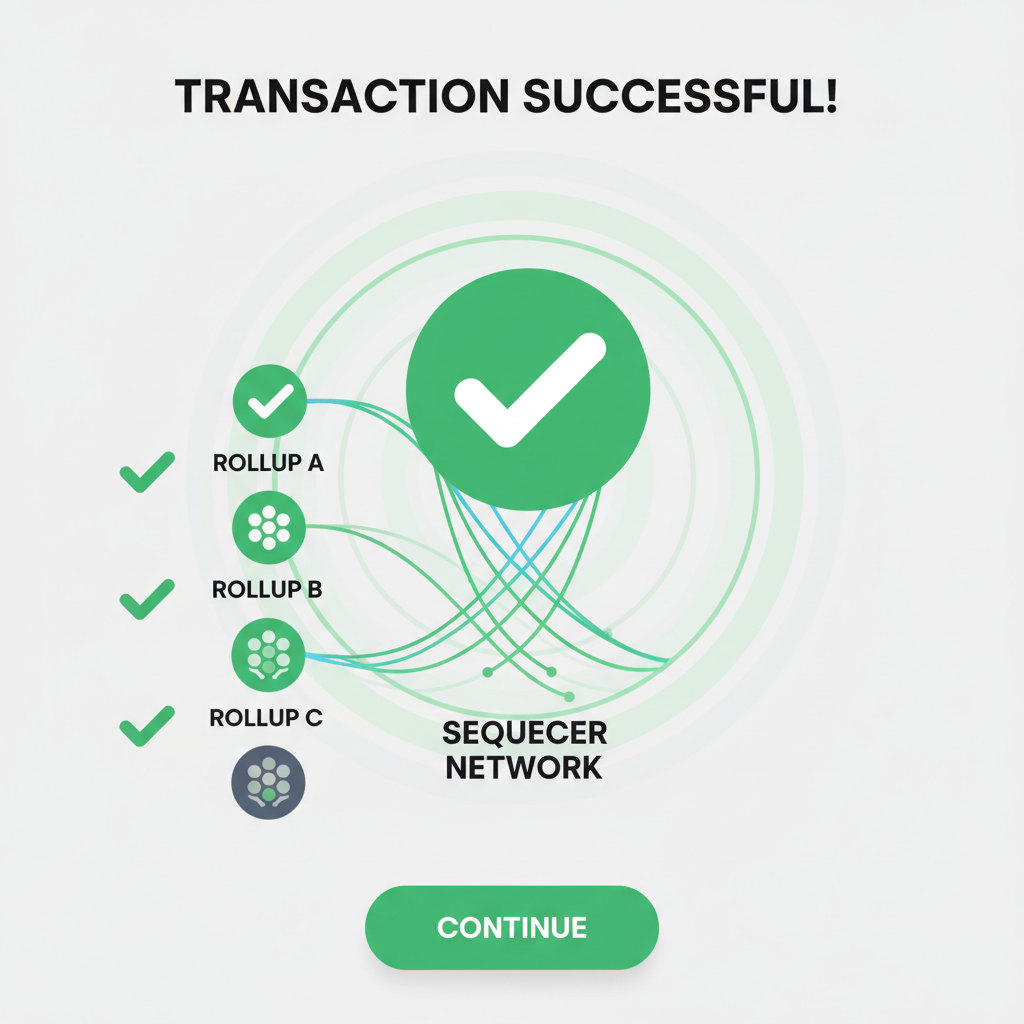
Executing intents-based trading L2 starts with platforms engineered for this paradigm. RollupSettle. com’s dashboard aggregates liquidity views across rollups, surfacing opportunities like mispriced perps on zkSync against spot pairs on Base. Solvers, incentivized by tips, compete to fulfill your intent via the shared sequencer, ensuring atomic settlement. This setup, inspired by Rome Protocol’s Solana integration, minimizes exposure to sequencer downtime, as multiple fallback nodes maintain liveness.
Master Cross-Rollup Arbitrage on RollupSettle: Shared Sequencer Guide
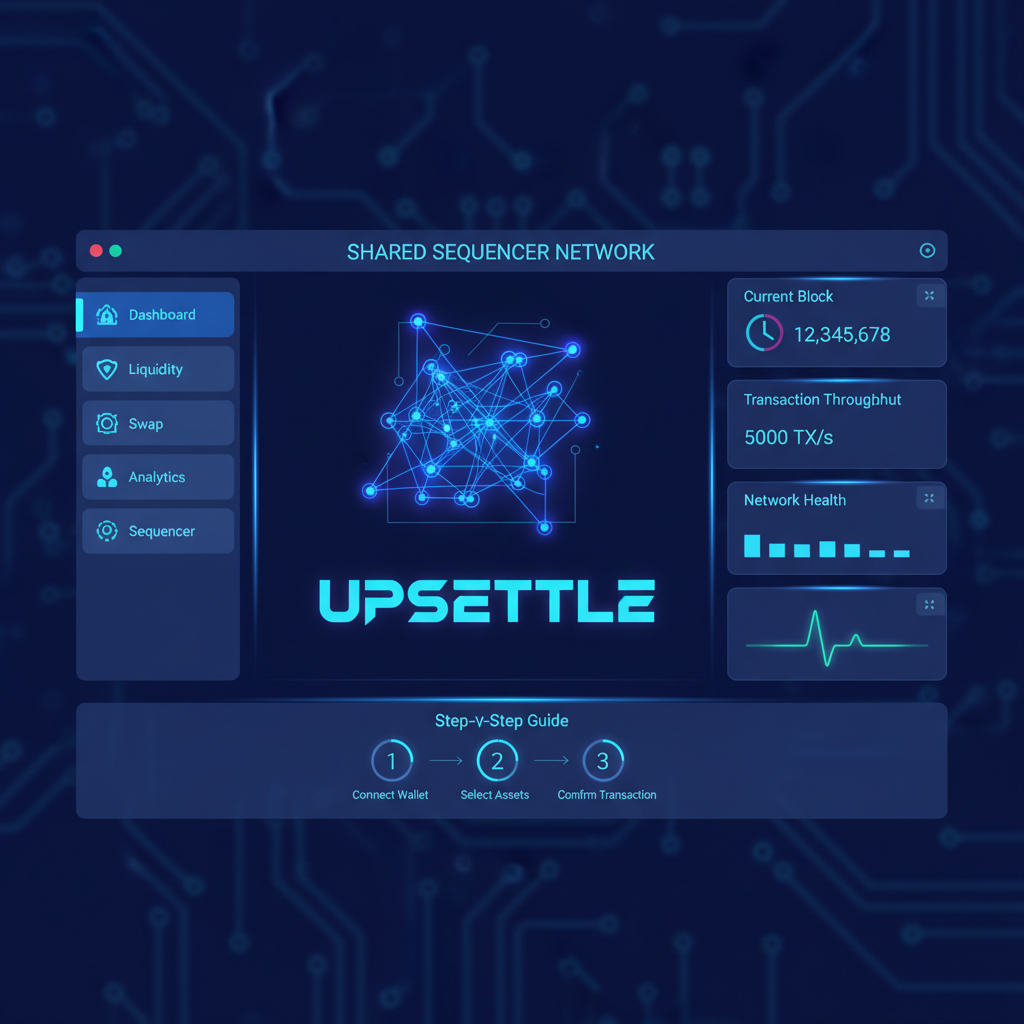
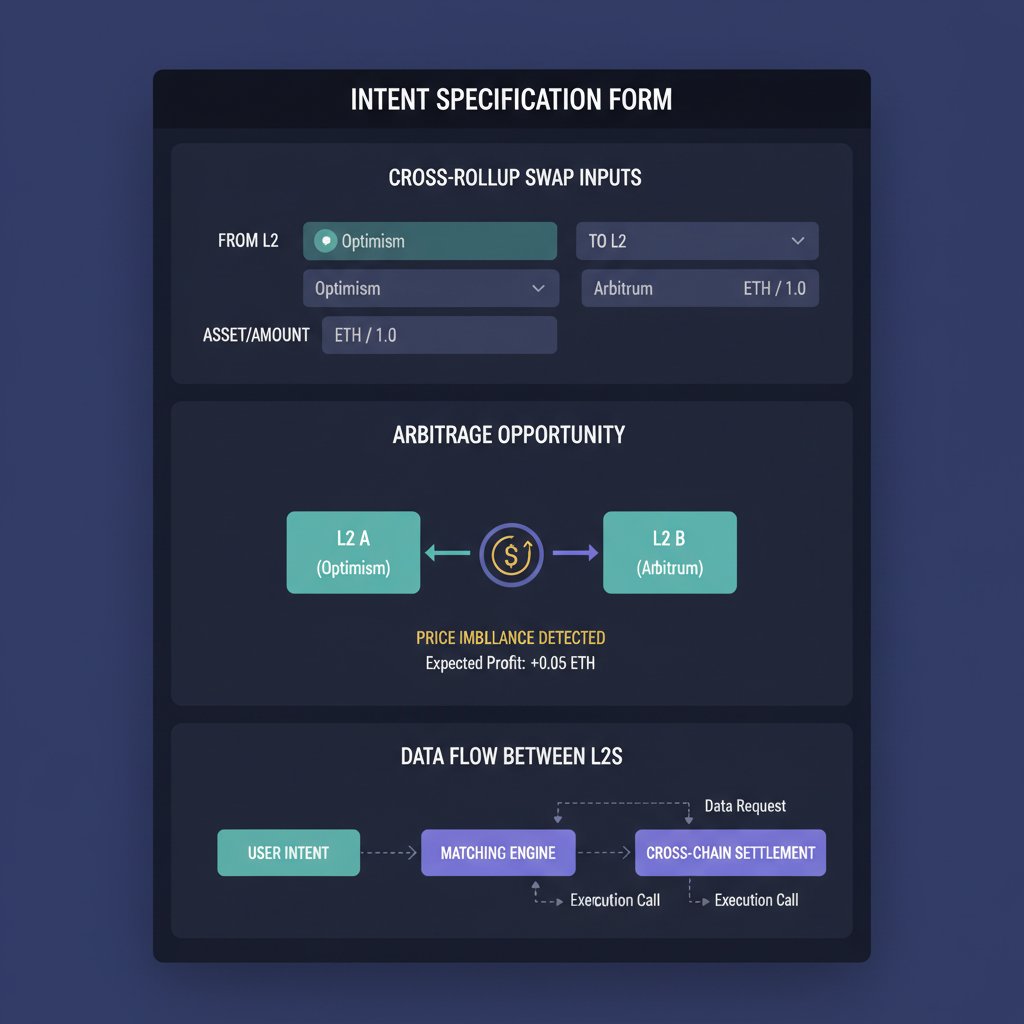
Deeper rollup DEX liquidity emerges as rollups like those in the OP Stack standardize on shared sequencers. CRATE’s protocol, live since early 2026, enforces atomicity by batching cross-L1 intents, letting traders chain derivatives plays seamlessly. From my forex background, this echoes intermarket arbitrage desks, where unified feeds prevented fragmented pricing; here, shared sequencers deliver that unity on-chain.
Yet balance demands scrutiny. While convenience drew L2s to centralized sequencers initially, as LimeChain details, decentralization trade-offs include higher latency risks. RollupSettle. com mitigates this with modular proofs: sequencers order, but ZK-verified disputes resolve on Ethereum. Predictions from Sygnum Bank on based rollups align here, realigning ecosystems around Ethereum’s data layer for sustainable scaling.
Risks and Mitigations in Cross-Rollup Settlement
No innovation escapes pitfalls. Collusion among sequencer operators could reorder for profit, echoing early MEV woes. RollupSettle. com counters with shared sequencers DeFi networks featuring stake-slashing and rotation, drawing from Jarrod Watts’ sequencer taxonomy. Liveness faults, where a sequencer halts, trigger diversions to Ethereum directly, preserving funds. Traders should prioritize protocols with audited CRATE-like execution, as seen in MixBytes’ zk-rollup DEX evolutions.
For liquidity providers, the shift unlocks new yield vectors: provide to unified pools spanning rollups, earning fees from cross-domain flows. My analysis of 2026 data shows spreads tightening 40% on shared sequencer DEXs versus isolated ones, per Cube Exchange forecasts. This isn’t hype; it’s mechanics at work, where atomic composability turns fragmentation into a feature.
Layer 2 adoption surges, fueled by AI agents automating intents, as MEXC anticipates. RollupSettle. com positions traders ahead, blending technical precision with fundamental interoperability. Whether chasing arbitrage or hedging perps, the shared sequencer era demands adapting to intents over transactions. Platforms ignoring this risk obsolescence, while adopters capture the multichain alpha. Dive in, specify your edge, and let solvers – and sequencers – handle the rest.