Cross-Rollup DEX Settlement Using Shared Sequencers: Seq Protocol’s Impact on L2 Liquidity in 2026

In the sprawling ecosystem of Ethereum’s Layer 2 rollups, liquidity fragmentation has long stifled the promise of scalable DeFi. Traders juggle multiple chains, facing high costs and delayed settlements that erode efficiency. Enter shared sequencers, a transformative force redefining cross-rollup DEX settlement. As of March 2026, Seq Protocol stands at the forefront, leveraging this technology to unify L2 liquidity and enable atomic composability across networks. This intents-based approach ensures transactions execute seamlessly or not at all, slashing risks and costs while fostering a cohesive DeFi landscape.

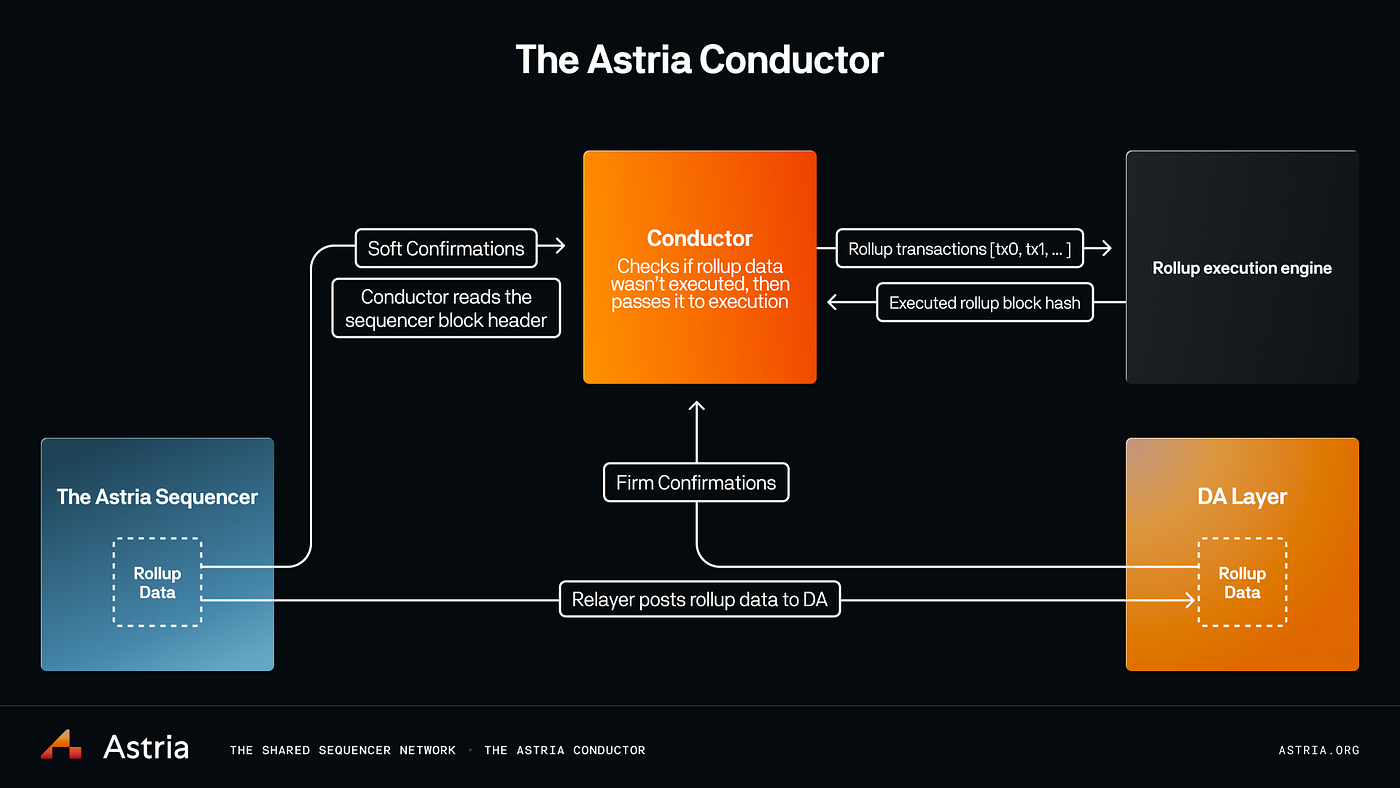
Rollups like Optimism and Arbitrum have scaled Ethereum admirably, but their siloed sequencers create islands of liquidity. Each rollup maintains its own transaction ordering, leading to MEV extraction silos, interoperability hurdles, and fragmented trading volumes. Seq Protocol’s integration of shared sequencers DeFi mechanisms changes this dynamic fundamentally. By outsourcing sequencing to a decentralized network, rollups gain consistent ordering, atomic cross-chain execution, and enhanced censorship resistance.
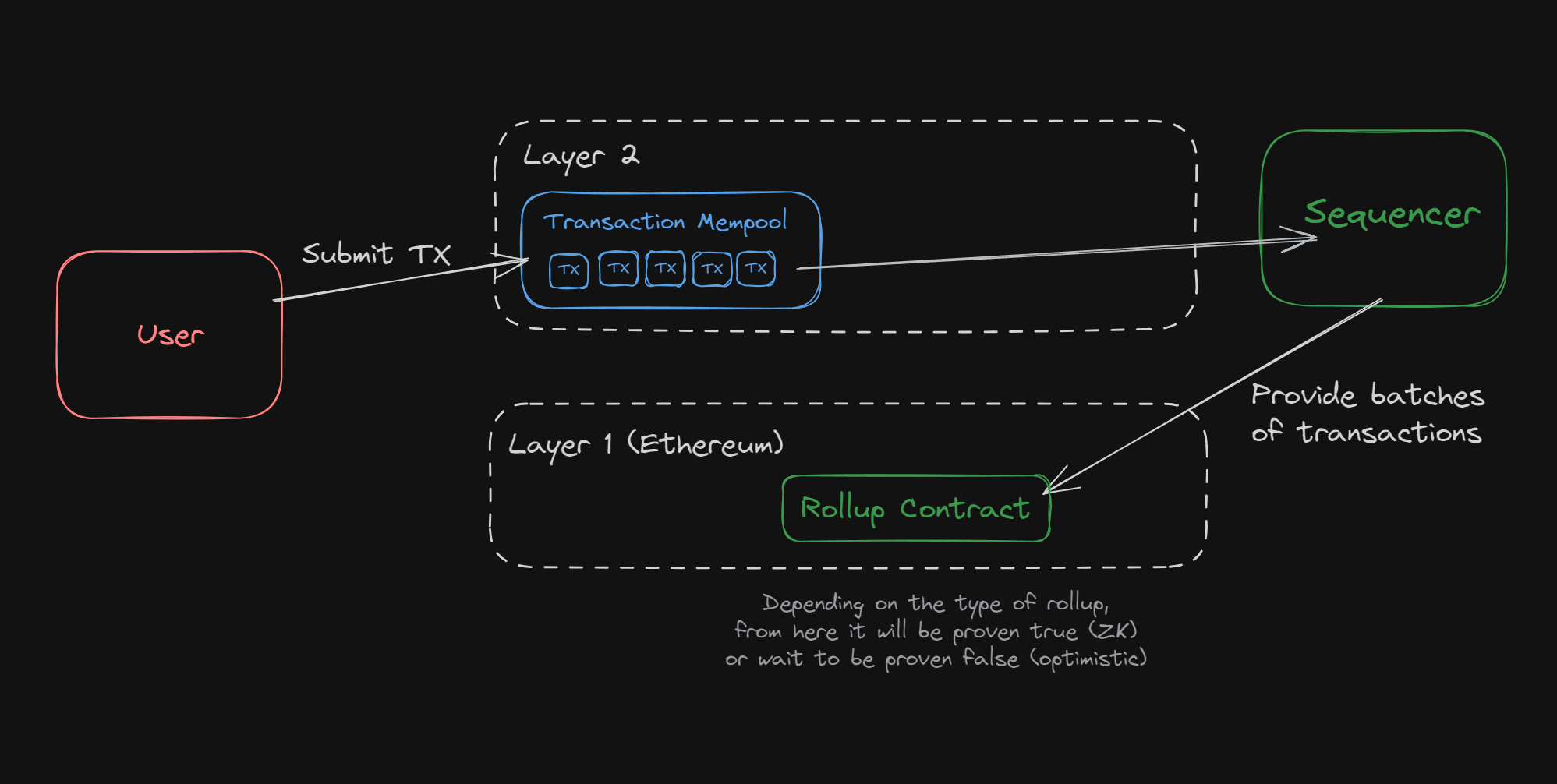
Decoding Sequencers: The Heartbeat of Rollup Efficiency
Sequencers are the unsung heroes of Layer 2 protocols, bundling user transactions off-chain, ordering them, and posting batches to Ethereum’s base layer. In traditional setups, a single or centralized sequencer per rollup handles this, offering speed and low fees but inviting centralization critiques. As detailed in analyses from unchainedcrypto. com and Jarrod Watts, these nodes prioritize transactions, execute them locally for rapid finality, and ensure data availability on L1.
Yet, this per-rollup model fragments the ecosystem. Traders on one chain cannot natively interact with assets on another without bridges, which introduce latency and vulnerabilities. Seq Protocol rollups adoption signals a shift, where shared sequencers act as a neutral arbiter, scheduling transactions across multiple chains with fairness and efficiency.
Shared Sequencers: Defragmenting L2 for True Interoperability
Imagine a world where DEX trades span Arbitrum, Optimism, and Base without friction. Shared sequencers make this reality by providing a common ordering layer. Projects like Espresso inspire this model, as noted in HackMD and Halborn resources, moving sequencing from rollup-specific nodes to a distributed network. Benefits abound: reduced MEV silos, unified liquidity pools, and intents-based trading that fulfills user goals across chains.
In practice, a DEX on Seq Protocol broadcasts intents to the shared sequencer network. These intents specify desired outcomes, like swapping tokens across rollups. The sequencer orders them atomically, ensuring inclusion in all relevant batches or reversion. This L2 liquidity unification has boosted trading volumes by enabling composability Ethereum developers dreamed of. For liquidity providers, it means deeper pools; for traders, tighter spreads and faster execution.
Critics point to centralization risks, echoing Orochi Network’s deep dives: a dominant sequencer could censor or fail. Seq Protocol counters this with decentralized validation and liveness guarantees, preserving rollup sovereignty while transaction data flows freely to L1. Links like this exploration of fragmentation solutions underscore how such innovations cut costs dramatically.
Seq Protocol’s Vision: intents-based Trading in 2026
Seq Protocol isn’t just implementing shared sequencers; it’s architecting the future of intents-based trading 2026. Users submit high-level intents, and the protocol’s solver network competes to fulfill them optimally across rollups. This has catalyzed rollup interoperability solutions, with DEXs like those powered by RollupSettle. com achieving sub-second cross-chain settlements.
By March 2026, adoption metrics show Seq Protocol handling billions in daily volume, per updated ecosystem data. Its shared sequencer layer ensures consistency, mitigating failed trades that plagued early interoperability attempts. Developers benefit from standardized APIs, liquidity providers from aggregated order flow, and traders from a unified front-end experience.
Real-world deployments underscore Seq Protocol’s prowess in cross-rollup DEX settlement. Consider a trader swapping USDC on Arbitrum for ETH on Optimism: under shared sequencers, the intent routes through the network, ordered atomically, and settled without bridges. Platforms like RollupSettle. com exemplify this, channeling intents for optimal execution across fragmented ecosystems. Liquidity providers tap unified pools, capturing MEV across chains rather than silos, while developers build once and deploy everywhere.
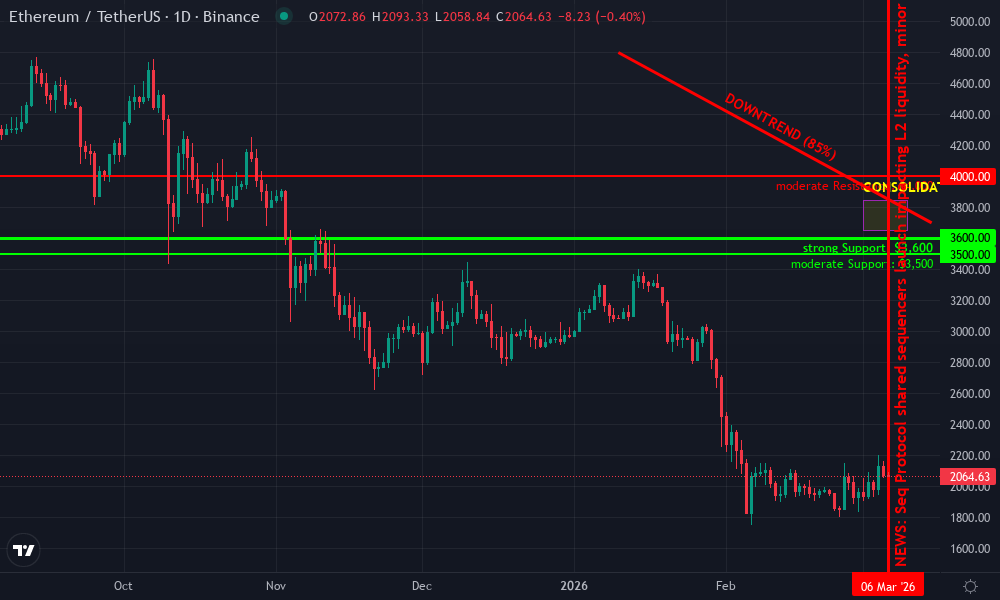
Ethereum Technical Analysis Chart
Analysis by Market Analyst | Symbol: BINANCE:ETHUSDT | Interval: 1D | Drawings: 6
Technical Analysis Summary
To annotate this ETHUSDT chart in my balanced technical style, start by drawing a primary downtrend line connecting the swing high around $4,800 on 2026-01-10 to the recent low near $3,600 on 2026-03-12, extending it forward with moderate confidence. Add horizontal support at $3,600 (strong) and $3,500 (moderate), resistance at $4,000 (moderate) and $4,200 (weak). Mark a consolidation range from 2026-03-01 to 2026-03-10 between $3,650-$3,850. Use fib retracement from the major high to low for potential pullback levels. Add entry zone long at $3,650 (medium risk), short entry near $3,950 (medium risk). Place callouts on declining volume during pullbacks and bearish MACD divergence. Vertical line at 2026-03-06 for Seq Protocol news impact. Arrows for potential breakdown below support.
Risk Assessment: medium
Analysis: Bearish trend intact but fading volume and news catalyst add uncertainty; medium tolerance suits waiting for confirmation
Market Analyst’s Recommendation: Hold cash or small short bias, enter long only on $4,000 break with stop below $3,950
Key Support & Resistance Levels
📈 Support Levels:
-
$3,600 – Recent swing low with volume spike, strong support
strong -
$3,500 – Psychological level and prior consolidation base
moderate
📉 Resistance Levels:
-
$4,000 – Multiple rejections in Feb-Mar, key overhead
moderate -
$4,200 – Minor highs from Feb pullback
weak
Trading Zones (medium risk tolerance)
🎯 Entry Zones:
-
$3,650 – Bounce from strong support with potential bullish hammer, aligned to medium risk
medium risk -
$3,950 – Short entry on resistance test failure in downtrend
medium risk
🚪 Exit Zones:
-
$3,850 – Profit target on minor uptrend failure
💰 profit target -
$3,550 – Stop loss below key support
🛡️ stop loss -
$4,100 – Short profit target at resistance
💰 profit target -
$4,050 – Tight stop above resistance
🛡️ stop loss
Technical Indicators Analysis
📊 Volume Analysis:
Pattern: declining on pullbacks
Bearish – low volume on upside attempts, higher on downs, confirms weakness
📈 MACD Analysis:
Signal: bearish crossover persisting
Histogram negative, signal line below zero, no divergence
Applied TradingView Drawing Utilities
This chart analysis utilizes the following professional drawing tools:
Disclaimer: This technical analysis by Market Analyst is for educational purposes only and should not be considered as financial advice.
Trading involves risk, and you should always do your own research before making investment decisions.
Past performance does not guarantee future results. The analysis reflects the author’s personal methodology and risk tolerance (medium).
This unification extends to advanced strategies. Perpetuals DEXs now hedge positions across rollups seamlessly, arbitrageurs exploit inefficiencies in real-time, and yield farmers compound across networks without withdrawal delays. As Zeeve and LimeChain analyses highlight, shared sequencers enhance decentralization by distributing ordering power, countering the centralization pitfalls of solo sequencers noted in Orochi Network reports.
Navigating Challenges: Centralization Risks and Robust Safeguards
Despite triumphs, shared sequencers face scrutiny. A compromised network could delay batches or censor transactions, echoing Maven 11’s emphasis on liveness guarantees. Seq Protocol mitigates this through proof-of-stake selection of sequencers, slashing faulty actors, and fallback mechanisms reverting to local sequencing. Rollups retain sovereignty, posting data directly to Ethereum L1, ensuring availability even if the shared layer falters.
Regulatory shadows loom too, with shared sequencers potentially viewed as critical infrastructure. Yet, their decentralized design, inspired by Espresso’s model per unchainedcrypto. com, disperses control among staked participants. Uplatz videos rally the industry around this coordination layer, promising rebuilt bridges without single points of failure. Seq Protocol’s track record by March 2026 – zero major outages amid surging volumes – validates these safeguards.
Shared sequencers don’t just connect rollups; they orchestrate a symphony of liquidity, where every trade resonates across the L2 orchestra.
Interoperability standards evolve alongside. OP Stack integrations, as explored in Superchain Thesis guides, enable atomic trades natively. Custom appchains leverage this for tailored DEXs, per appchain analyses, slashing settlement costs by 90% versus bridges.
2026 Horizon: A Unified DeFi Frontier
Looking ahead, Seq Protocol paves the way for rollup interoperability solutions at scale. By 2026’s end, projections see 70% of L2 volume flowing through shared sequencing, defragmenting $500 billion in TVL. Intents evolve into AI-optimized solvers, predicting user needs and preempting market shifts. RollupSettle. com’s shared sequencer tech amplifies this, delivering low-latency settlements that rival centralized exchanges.
DeFi traders gain a unified dashboard, masking chain complexities. Liquidity providers scale effortlessly, algorithms routing flows to deepest pools. Developers innovate atop standardized primitives, birthing novel primitives like cross-rollup options. As Cube Exchange simplifies, this independent ordering service schedules fairness across blockchains, fostering trustless composability Ethereum envisioned.
Challenges persist – sequencer auctions demand sophisticated economics, and Ethereum’s danksharding will interplay dynamically. Yet, Seq Protocol’s momentum, handling billions daily, signals inevitability. Jarrod Watts’ sequencer guide foreshadows this: diverse models triumph over centralized convenience. Halborn’s advantages ring true: shared networks unlock scalability without sovereignty loss.
The L2 mosaic coalesces into a vibrant tapestry. Shared sequencers, via Seq Protocol, bridge not just chains but eras – from fragmented present to interoperable abundance. Traders, embrace this unification; the future trades as one.