Why Rollups Need Shared Sequencers for Seamless DEX Settlement Across Chains

DeFi traders, wake up. Your rollups are choking on fragmentation, turning cross-chain DEX settlements into a nightmare of delays, failed arbitrages, and evaporated liquidity. Each L2 rollup hoards its own sequencer like a dragon on gold, ordering transactions in silos that mock true interoperability. But here’s the gut punch: without shared sequencers, you’re not scaling Ethereum, you’re splintering it. RollupSettle. com flips this script with intents-based execution, but the real fire? Unified sequencing that makes cross-rollup DEX settlement feel like a single chain dream.

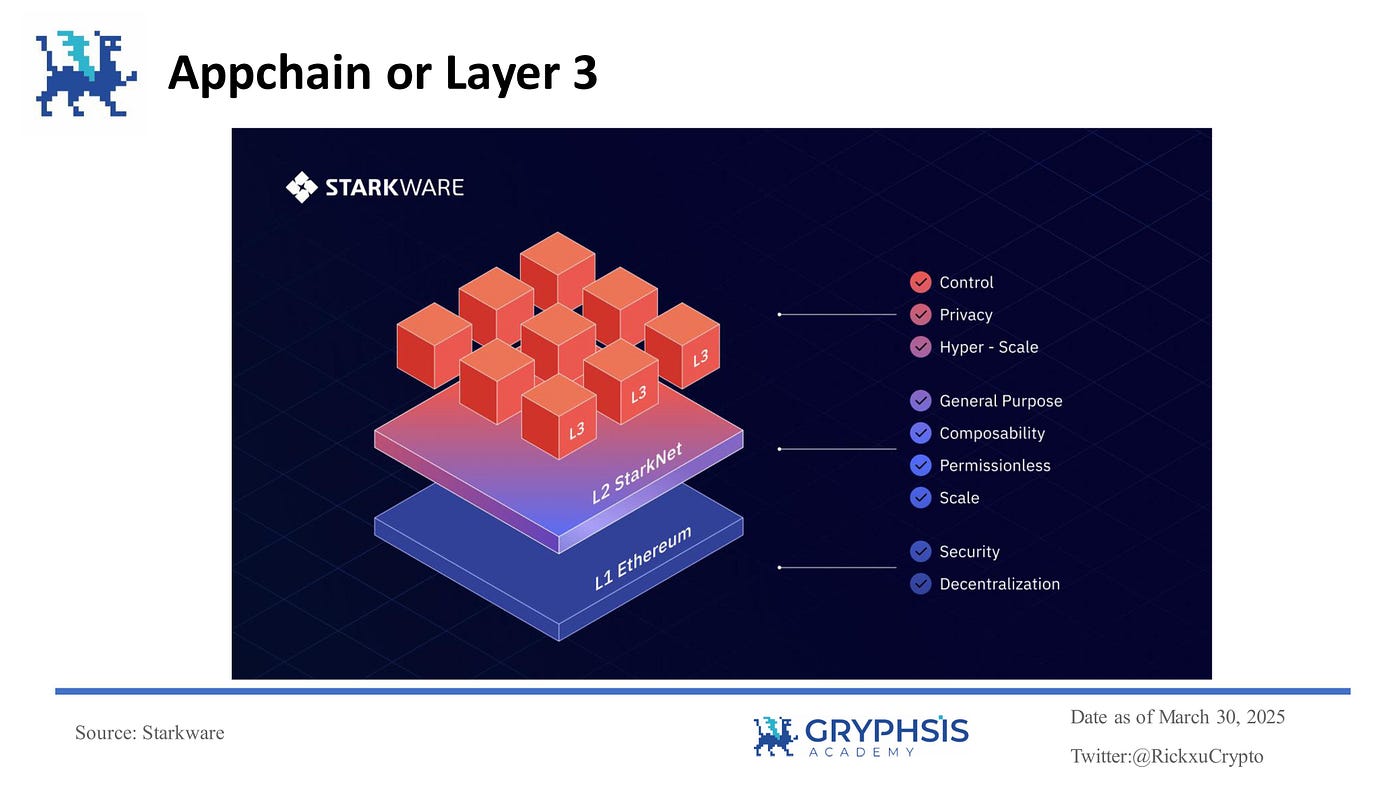
Picture this: you’re eyeing an arb between Optimism and Arbitrum. Price slips, you pounce, only for sequencer mismatch to nuke your trade halfway. Isolated sequencers breed rollup fragmentation, forcing bridges that leak value and MEV-boosted frontrunning across chains. The updated landscape screams urgency: Rome Protocol taps Solana for atomic inclusion, while Espresso’s decentralized BFT consensus cranks confirmations to six seconds flat. This isn’t theory; it’s the rollup ecosystem coordination DeFi demands to aggregate billions in liquidity.
Fragmentation’s Dirty Secret: MEV Mayhem and Partial Executions
Rollups were sold as Ethereum’s salvation, cheap, fast, sovereign. Bullshit. Without shared sequencing, every chain’s sequencer plays god independently, inviting cross-rollup MEV exploitation. Transactions misorder; arbitrages half-execute, leaving you rekt. Sources like Archetype Fund dissect this: sequencers dictate the bundle, but isolation means no atomicity across borders. HackMD nails it, Esperesso’s shared, decentralized sequencer defragments this mess, letting rollups share ordering without sovereignty loss.
Siloed Sequencers vs. Espresso’s Shared Decentralized Sequencer
| Aspect | Siloed Sequencers | Espresso’s Shared Decentralized Sequencer |
|---|---|---|
| Sequencer Model | Independent per rollup | Decentralized network shared across rollups |
| Transaction Ordering | Isolated, leading to fragmentation | Unified across rollups for coordination |
| Cross-Rollup DEX Settlement | Inconsistent, partial execution risks | Atomic and synchronous inclusion |
| Liquidity | Fragmented across L2s | Defragmented and aggregated |
| Confirmation Speed | Variable and often slower | Fast BFT consensus (~6 seconds) |
| Decentralization | Often centralized, censorship risks | Decentralized BFT consensus |
| Interoperability | Limited by L2 silos | Seamless rollup coordination without sovereignty loss |
| MEV Exploitation | High vulnerability to cross-rollup attacks | Mitigated via fair ordering and transparency |
Dive deeper: L2s post to L1 for settlement, but intra-chain speed? Crippled by siloed tx flow. CryptoRank spotlights decentralized sequencer networks ordering across rollups, preserving security while slashing latency. For DEX traders, this means DEX cross-chain settlement without the roulette of inconsistent states. I’ve pushed high-risk intents on RollupSettle. com for years, fragmentation isn’t just inefficiency; it’s a predator picking off liquidity providers.
Shared Sequencers Unleash Atomic Cross-Rollup Fury
Enter the provocateurs: shared sequencer benefits rollups by syncing tx ordering universally. All-or-nothing execution across chains? Check. Espresso partners with Polygon Labs on AggLayer, proving coordination scales. Lunar3capital tweets the game-changer: post-Espresso validation, connected chains act instantly, ditching L1 waits. MEXC breaks it down, decentralized BFT for sub-six-second confirms across blockchains.

This powers RollupSettle. com’s intents: solvers hunt optimal paths via shared sequencers, executing seamlessly. No more wrapped assets or slow bridges, trustless interoperability via atomic cross-rollup trades. 1kx highlights shared settlement for native transfers and messaging. Rollups sell sequencing rights, monetizing while defragmenting liquidity. HackMD’s take? Asynchronous bridging pales against unified ordering.
Battle-Tested: Espresso and Rome Protocol Lead the Charge
Rome Protocol hijacks Solana’s speed as a shared sequencer, streamlining new rollup deploys and turbocharging arbs. Espresso? The decentralization kingpin, coordinating without central chokeholds. Blockworks reports their Polygon tie-up crushes rollup interoperability woes. But don’t sleep on risks, centralization lurks, censorship tempts, MEV demands fair splits. Solutions brew: randomized ordering, transparent fees, sequencer decentralization. I’ve bet big on these; they turn rollup fragmentation shared sequencers from buzzword to battle-axe.