
Rollup Settlement 2026: The Final Mile
The 2026 rollup settlement landscape is defined by a single, persistent constraint: finality. For years, Layer 2 solutions have solved throughput, but the "final mile" of crypto scalability remains the bridge between L2 execution and Layer 1 security guarantees. In 2026, this isn't just a technical hurdle; it's a legal and operational bottleneck that determines whether an L2 can truly claim sovereignty or remains tethered to the base layer's consensus.
The core issue is dispute resolution latency. When an L2 posts state roots to Ethereum, the 7-day challenge period is no longer a feature—it's a friction point for high-frequency applications. Rollups that rely on optimistic verification face a tradeoff: faster finality means higher risk of invalid state assertions, while strict security means slower user experience. This constraint forces developers to choose between speed and irrevocable certainty, a choice that directly impacts user trust and capital efficiency.
Unlike traditional settlement systems where disputes are rare and handled by centralized administrators, crypto rollups face constant, automated challenges. The 2026 constraint is not about whether the system works, but how quickly it can prove it works without relying on external, slow-moving legal frameworks. The solutions emerging this year focus on reducing challenge windows through improved fraud proofs and more efficient state compression, effectively shrinking the gap between transaction execution and final settlement.
This shift marks a transition from "proof of concept" to "proof of reliability." The rollup that solves the 2026 settlement constraint won't just be faster; it will be the first to offer a user experience indistinguishable from centralized databases, while retaining the security of a decentralized ledger. The final mile is not about distance; it's about the precision of the final handshake.
Rollup settlement 2026 choices that change the plan
Comparing rollup settlement options requires looking past the headline fees. The "final mile" of crypto scalability isn't just about throughput; it's about the cost and speed of verifying data on Layer 1. In 2026, the tradeoffs between Optimistic, ZK, and hybrid rollups have shifted as data availability layers mature.
When evaluating a rollup for settlement, consider three concrete factors: data cost per transaction, verification latency, and security assumptions. Optimistic rollups offer lower upfront data costs but require a 7-day challenge period for withdrawals. ZK rollups provide near-instant finality but currently face higher computational costs for proof generation.
The choice also depends on your application's user experience requirements. If immediate withdrawal is critical, ZK proofs are the only viable path. If you can tolerate a week-long delay for cheaper operations, Optimistic rollups remain competitive. Hybrid models attempt to bridge this gap but often introduce complexity that can obscure the true tradeoff.
| Rollup Type | Finality | Data Cost | Security Model |
|---|---|---|---|
| Optimistic | ~7 days | Low | Fraud Proofs |
| ZK | ~10 mins | High | Validity Proofs |
| Hybrid | Variable | Medium | Hybrid |
Choose the next step
The Rollup Settlement Revolution works best as a clear sequence: define the constraint, compare the realistic options, test the tradeoff, and choose the path with the fewest hidden costs. That order keeps the advice usable instead of decorative. After each step, pause long enough to check whether the recommendation still fits the reader's actual situation. If it depends on perfect timing, unusual access, or a best-case budget, include a simpler fallback.

Spotting the Weak Options
The crypto settlement space is crowded with projects promising instant finality, but not all solutions are built for the same job. Layer 2 rollups solve the final mile of scalability by batching transactions, yet they often stumble on the settlement layer itself. When evaluating these systems, look for concrete tradeoffs rather than marketing claims about speed.
Many weak options rely on optimistic rollups without robust fraud proofs, leaving users exposed to potential reorgs during network stress. Others promise "zero-knowledge" settlement but lack the hardware acceleration needed for real-time verification. These gaps create false confidence in the security model.
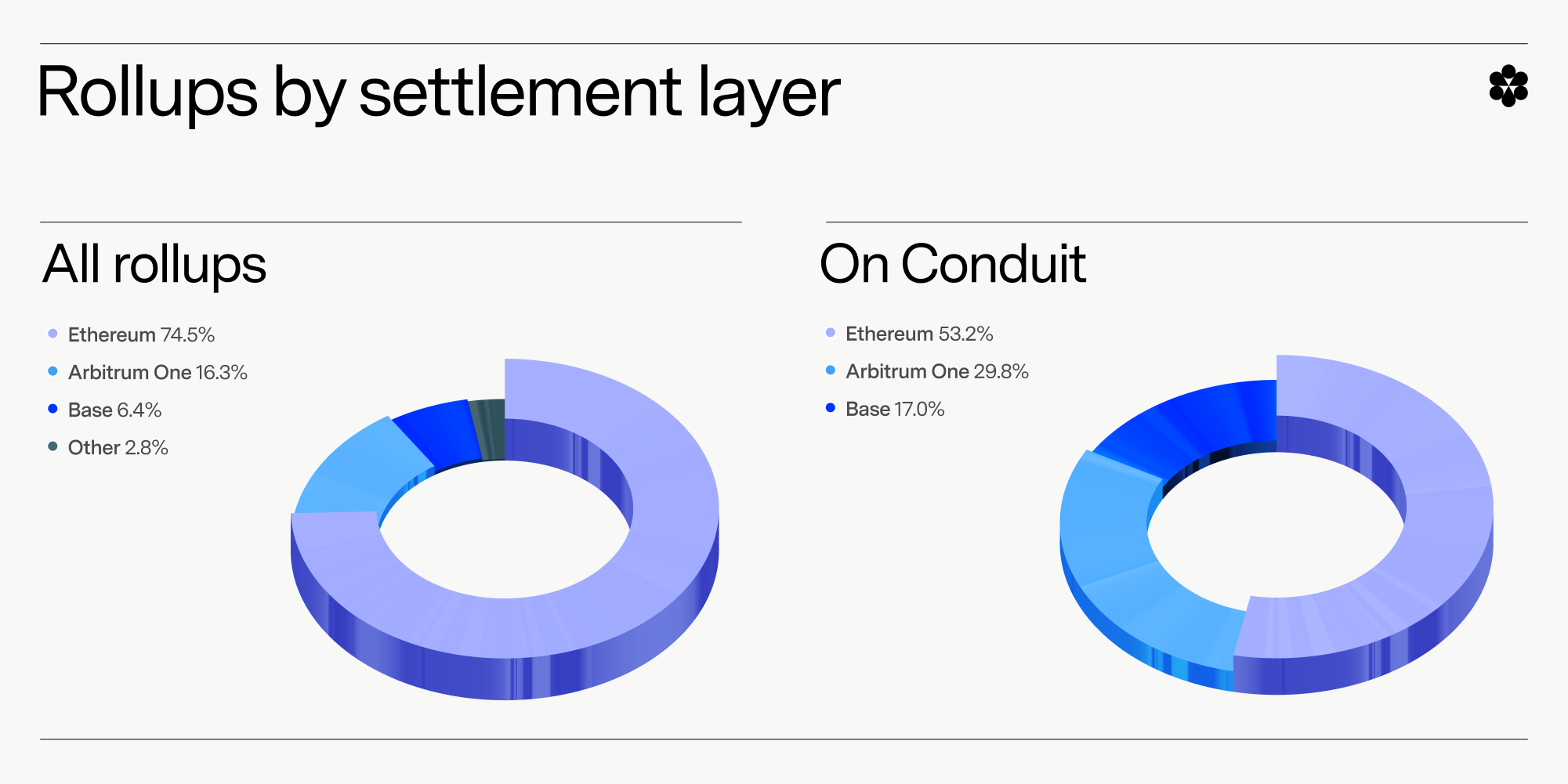
To navigate this, focus on the settlement finality guarantees. Does the L2 post data to Ethereum mainnet? Is the fraud window clear? These technical details matter more than abstract promises. Use the chart below to track the performance of major L2s against their settlement costs.
Common Mistakes in Rollup Design
Designers often prioritize throughput over security, creating a fragile foundation. A common mistake is underestimating the cost of data availability. When blob space is full, transaction fees spike, hurting the very users the L2 aims to serve.
Another pitfall is ignoring the user experience of exiting the chain. If withdrawing funds takes weeks due to complex proof verification, the L2 fails its promise of scalability. Always check the withdrawal timeline before committing capital.
Finally, beware of centralized sequencers. If a single entity controls transaction ordering, the system is not truly decentralized. Look for L2s with transparent, multi-party sequencer networks to ensure fair access.
No comments yet. Be the first to share your thoughts!