
The rollup settle limits to account for
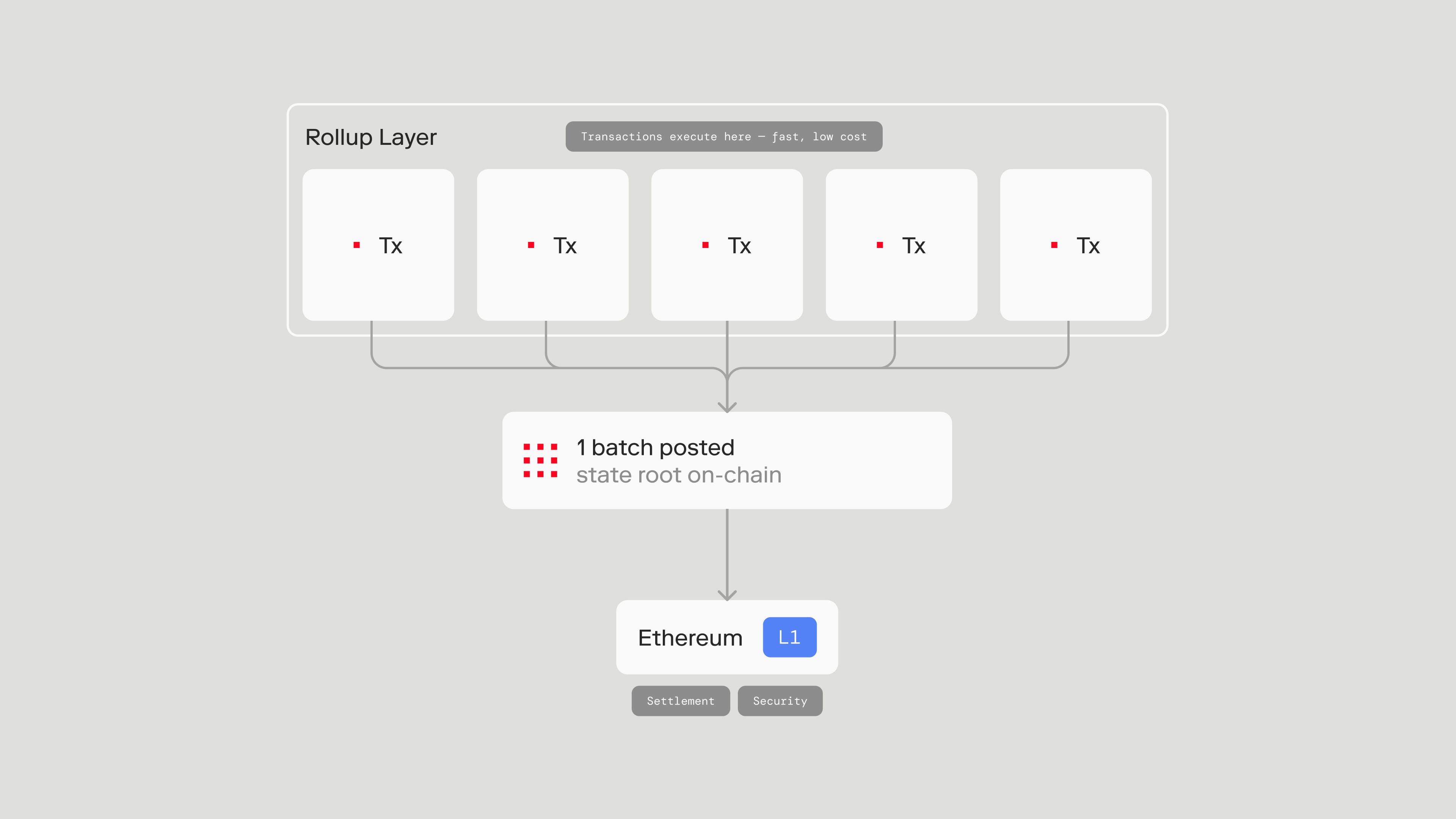
Rollup settle is the final step where a Layer 2 network commits its transaction data and validity proofs to Ethereum mainnet. This process anchors the L2 state to L1, inheriting Ethereum’s security model and ensuring that all transactions are immutable and globally recognized. Without this settlement step, the rollup would operate in isolation, lacking the trust guarantees provided by the base layer.
The constraint lies in the tradeoff between speed and security. Optimistic rollups delay settlement to allow for a challenge period, typically seven days, before funds are fully withdrawable. ZK rollups, by contrast, settle almost instantly by submitting cryptographic proofs that verify transaction validity on-chain. This difference means that ZK rollups offer faster finality, but their computational overhead for proof generation can be higher and more complex to maintain.
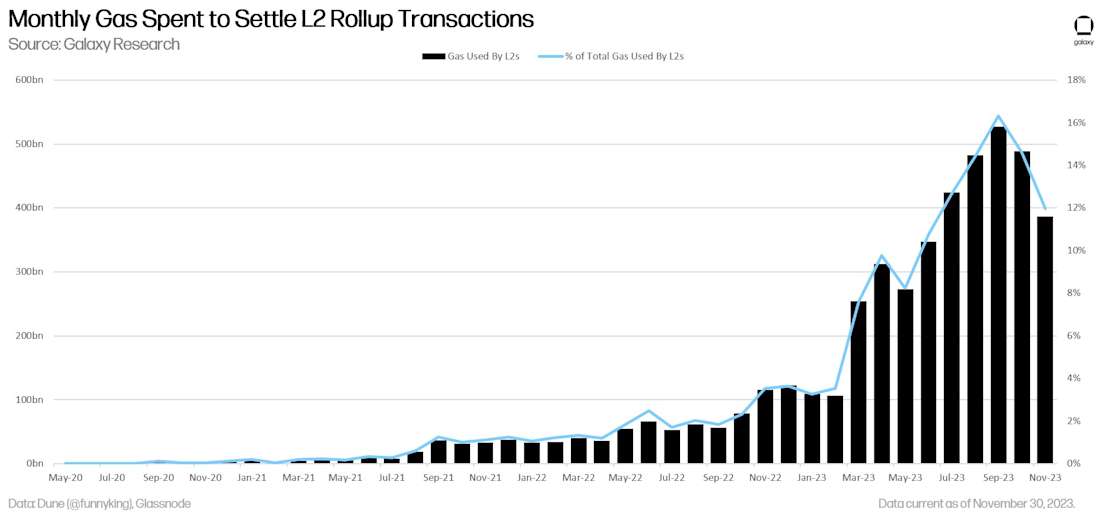
Settlement fees also play a critical role. Because rollups batch transactions together, the cost per user drops as activity increases. However, early-stage ZK rollups with limited activity may face higher per-user fees due to the fixed cost of proof generation. As the network scales, these costs are expected to decrease, making settlement more efficient for high-volume applications.
Rollup settle choices that change the plan
Choosing a rollup means balancing speed, cost, and security. No single layer 2 solution is perfect for every use case. The right choice depends on whether you prioritize immediate finality, lowest fees, or maximum security.
Optimistic rollups
Optimistic rollups assume transactions are valid by default. They post data to Ethereum and allow a seven-day challenge period for fraud proofs. This design makes them cheaper to build and easier to upgrade. However, withdrawals take time. Users must wait for the challenge window to close before funds are available on L1. This delay is the primary tradeoff for lower development complexity.
ZK rollups
ZK rollups generate cryptographic proofs for every batch. These proofs are verified on Ethereum, offering near-instant finality for withdrawals. There is no waiting period. The tradeoff is computational complexity. Generating proofs requires significant resources, which can lead to higher fees during network congestion. As ZK technology matures, these costs are expected to decrease, but currently, ZK rollups often carry a premium for speed.
Sovereign rollups
Sovereign rollups publish data to decentralized availability layers like Celestia rather than Ethereum. This approach drastically reduces data costs, allowing for extremely low transaction fees. The tradeoff is security. By relying on a separate data availability layer, these rollups do not inherit Ethereum's full security model directly. They offer a middle ground between cost and security, suitable for applications where absolute L1 security is less critical than affordability.
| Rollup Type | Withdrawal Finality | Relative Cost | Security Model |
|---|---|---|---|
| Optimistic | ~7 days | Low | High (Ethereum L1) |
| ZK | Near-instant | Medium-High | High (Ethereum L1) |
| Sovereign | Variable | Lowest | Medium (DA Layer) |
Choose the next step
Selecting a rollup strategy requires balancing finality speed, cost, and security assumptions. The right choice depends on whether you prioritize immediate certainty or lowest possible fees. Use this framework to align your technical setup with your specific use case.
Determine how quickly assets must be available. If your application requires instant settlement for user withdrawals or trading, an Optimistic Rollup may introduce unacceptable delays due to its challenge period. ZK Rollups offer near-instant finality by generating cryptographic proofs, making them suitable for high-frequency or real-time financial applications.
Analyze your expected throughput. Settlement fees decrease as activity increases, but early-stage ZK Rollups often face higher costs due to limited competition and proof generation overhead. If your volume is low, Optimistic Rollups might currently offer a more economical path, whereas high-volume protocols benefit from ZK’s scaling economics.

Review the security model. All rollups inherit Ethereum’s security for settlement and data availability by anchoring to Layer 1. However, Optimistic Rollups rely on fraud proofs and assume honest actors during the challenge window. ZK Rollups use validity proofs, offering stronger security guarantees against sequencer censorship or errors, which is critical for high-stakes financial operations.
Watch Out for Weak Rollup Options
Not all Layer 2 networks deliver the speed they promise. As rollup technology matures in 2026, distinguishing between robust infrastructure and misleading marketing becomes critical for investors and developers. Many projects overstate their finality guarantees or hide high settlement costs behind low user fees.
The "Instant" Finality Myth
Optimistic rollups often market near-instant transactions, but this is misleading. True finality on Ethereum requires waiting out the 7-day challenge period. If a project claims instant, irreversible settlement, it is likely relying on a centralized sequencer or a weaker L1 bridge, exposing users to censorship or fraud risks.
Hidden Settlement Costs
User experience often looks cheap because L2 gas fees are low, but settlement fees on Ethereum Mainnet are rising. Early ZK rollups have limited activity, meaning the cost to post data on L1 is high per transaction. If a rollup's economic model doesn't account for L1 data availability, it may raise fees abruptly or compromise security to stay profitable.
Centralized Sequencer Risks
Many rollups rely on a single sequencer to order transactions. While efficient, this creates a single point of failure. If the sequencer goes offline or censors transactions, users cannot access their funds until the L1 contract allows a dispute. Always check if the rollup offers a decentralized sequencing alternative or a clear exit path.
Data Availability Traps
Some rollups use "data availability committees" to reduce costs instead of posting full data on-chain. This is a step back from Ethereum's security model. If the committee colludes or goes offline, funds could be locked or stolen. Stick to rollups that post full data blobs on Ethereum to ensure true decentralization and security.
No comments yet. Be the first to share your thoughts!