

What is rollup settle?
Rollup settle is the final step where a Layer 2 network posts transaction data and validity proofs to Ethereum's main chain (L1). This process anchors the Layer 2's security to Ethereum's base layer, ensuring that every transaction is verified and immutable.
Think of the rollup as a busy office processing hundreds of documents daily. The rollup settle is the daily courier service that bundles these documents into a single, secure envelope and delivers it to the central archive. The archive doesn't read every page again; it checks the seal (the cryptographic proof) to verify the batch is authentic. This allows the rollup to handle high transaction volumes while relying on Ethereum for ultimate security and dispute resolution.
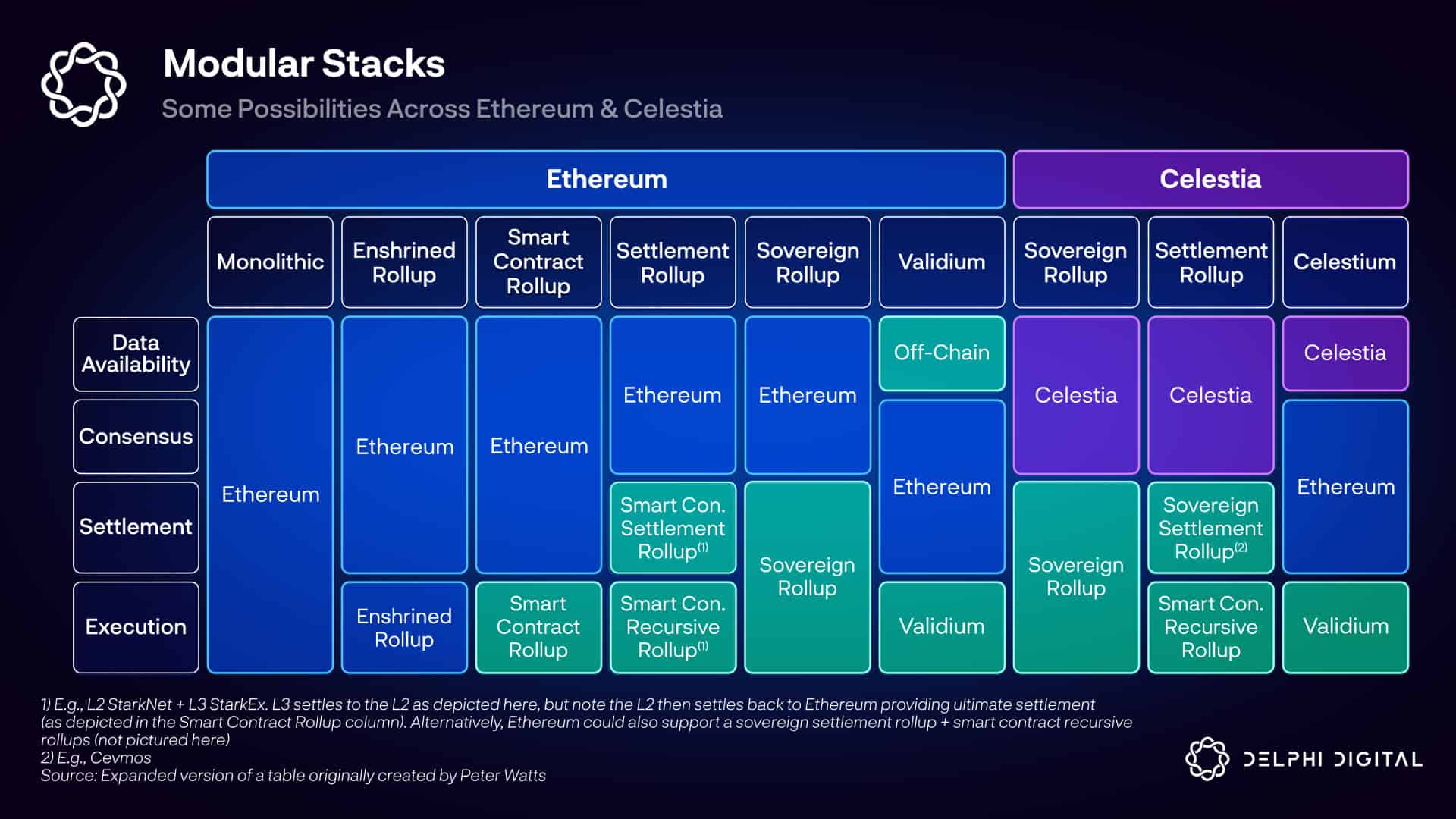
In modular blockchain architectures, the settlement layer acts as the truth source. It verifies ZK proofs or handles fraud challenges for optimistic rollups. For cross-border payments, this means your transaction is settled with the same finality and security as a direct on-chain Ethereum transfer, but at a fraction of the cost and with much faster confirmation times.
Rollup settle choices that change the plan
Choosing a rollup settlement strategy requires balancing security guarantees against execution speed and cost. While optimistic rollups and ZK-rollups both anchor to Ethereum L1 for finality, their mechanisms for data availability and proof verification create distinct tradeoffs for cross-border payments. The right choice depends on whether your priority is capital efficiency, predictable transaction costs, or absolute security.
Optimistic vs. ZK settlement models
Optimistic rollups assume transactions are valid by default, relying on a 7-day challenge period for fraud proofs. This approach offers lower immediate costs and higher throughput but introduces finality latency. ZK-rollups generate cryptographic validity proofs for every batch, enabling near-instant finality. However, the computational overhead for proof generation can lead to higher base fees, especially when network activity is low.
| Feature | Optimistic Rollups | ZK-Rollups |
|---|---|---|
| Finality Time | ~7 days (challenge window) | Minutes to hours |
| Security Model | Fraud proofs | Validity proofs (ZK-SNARKs/STARKs) |
| Cost Efficiency | High (shared data costs) | Variable (proof generation costs) |
| Best For | High-volume, low-urgency payments | Time-sensitive cross-border transfers |
Data availability and cost implications
Settlement fees are driven by the cost of posting data to L1. In optimistic rollups, the "more active -> lower fees" dynamic applies because data costs are shared across all users. ZK-rollups often face higher per-transaction costs during early adoption phases due to limited activity and the computational expense of generating proofs. As ZK infrastructure matures and data availability layers improve, these costs are expected to decrease, but currently, optimistic rollups remain more capital-efficient for high-frequency trading.
Decision framework for cross-border payments
For institutions moving large volumes of capital where finality is not immediate, optimistic rollups offer a cost-effective solution. The 7-day window allows for dispute resolution without interrupting flow. Conversely, for remittances or payroll, where recipients need access to funds within minutes, ZK-rollups provide the necessary finality. The tradeoff is accepting higher base fees for speed. Evaluate your specific use case: if latency is the primary constraint, prioritize ZK; if cost efficiency is paramount, optimistic rollups may suffice.
How to Choose the Right Rollup Settlement Layer
Selecting a settlement strategy for cross-border payments depends on your tolerance for latency versus cost. Rollups inherit Ethereum’s security by anchoring proof data to Layer 1, but the method of verification changes the user experience. Optimistic rollups assume transactions are valid unless challenged, while ZK rollups use cryptographic proofs for immediate finality.
If your payment flow requires instant confirmation, ZK rollups are the standard. They generate zero-knowledge proofs that settle on Layer 1 in minutes, removing the seven-day dispute window inherent to optimistic models. This speed is critical for B2B settlements where capital efficiency matters.
Settlement fees are driven by the cost of posting data to Ethereum. Early ZK rollups often face higher costs due to limited activity and complex proof generation. As network activity grows, these fees typically drop, but you must model current gas prices to ensure your per-transaction margins remain viable.

Ensure your modular stack includes a dedicated settlement layer for proof verification. This layer acts as the final arbiter of truth. Without it, you rely on the rollup’s sequencer for security, which reintroduces centralization risks and undermines the benefits of blockchain-based settlement.
Rollup Settlement Comparison
The table below outlines the tradeoffs between the two dominant settlement models for 2026 payment infrastructures.
| Feature | Optimistic Rollups | ZK Rollups |
|---|---|---|
| Finality Time | 7 days (challenge period) | Minutes |
| Security Model | Ethereum L1 validation | Cryptographic proofs |
| Current Cost | Lower data costs | Higher proof generation |
| Best For | High-volume, low-value | Critical B2B payments |
Decision Framework
For high-volume, low-value remittances, optimistic rollups offer a cost-effective entry point. The lower immediate cost of posting data outweighs the delay in finality. However, for institutional cross-border payments where capital is locked for days, the seven-day settlement window creates significant friction. ZK rollups, despite higher current costs, provide the immediate finality required to reduce counterparty risk and improve liquidity. Choose ZK when speed is the primary value proposition; choose optimistic when cost is the only constraint.
Spotting Weak Options in Rollup Settlement
Not all rollup solutions deliver the security or speed promised in cross-border payment pitches. The primary risk lies in the settlement layer—the modular blockchain responsible for proof verification and dispute resolution. If this layer lacks robust liquidity or relies on weak bridging hubs, the entire transaction flow becomes vulnerable to delays or failure. Modern blockchain settlement systems streamline transfers by enabling direct ledger transactions, but only if the underlying infrastructure is sound.
When evaluating providers, look for three specific red flags. First, check if the rollup uses optimistic fraud proofs without sufficient challenge periods; this can delay finality for hours. Second, verify whether the settlement layer anchors directly to Ethereum L1 for data availability. Without this anchor, you lose the security inheritance that makes rollups viable for high-stakes finance. Third, scrutinize fee structures. Early ZK-rollups often have limited activity, making settlement fees disproportionately high compared to transaction volume.
A comparison table helps clarify these tradeoffs. Optimistic rollups offer faster integration but slower finality, while ZK-rollups provide instant validity proofs at the cost of higher computational overhead. For cross-border payments, finality is often more critical than integration speed. Choose solutions that prioritize proof verification efficiency over mere transaction throughput. Always verify the settlement layer’s liquidity sources before committing funds.
No comments yet. Be the first to share your thoughts!