
The 2026 Rollup Settlement Landscape
Layer 2 networks have expanded rapidly, but their underlying settlement architecture remains fragmented. Each rollup operates as an isolated silo, requiring users to bridge assets across distinct chains to access liquidity. This fragmentation creates friction, increasing transaction costs and slowing down cross-rollup interactions. Despite the growth in total value locked, the inability to settle efficiently between these networks remains a critical bottleneck.
The current model relies heavily on centralized bridges and wrapped assets to facilitate movement. While functional, this approach introduces security risks and centralization points that contradict the decentralized ethos of blockchain technology. Users often face high gas fees and long confirmation times when moving assets between different Layer 2 environments. The lack of a unified settlement layer means that liquidity is trapped within individual ecosystems.
Shared sequencers are emerging as a solution to this fragmentation. By allowing multiple rollups to share the same sequencing layer, these architectures enable faster and cheaper cross-rollup settlement. This shift reduces the need for complex bridging mechanisms and promotes a more cohesive ecosystem. As the industry moves toward shared infrastructure, the focus is shifting from isolated growth to interconnected efficiency.
Shared sequencers and modular infrastructure
Layer 2 networks have historically operated in silos, each maintaining its own sequencer to order transactions before sending batches to the Ethereum mainnet. This fragmentation creates liquidity islands, where assets trapped in one rollup’s ecosystem cannot easily move to another without expensive, slow bridges. Shared sequencer architectures, such as those proposed by the Succinct Labs and Caldera frameworks, decouple the ordering layer from the execution layer. By providing a common ordering service, they allow multiple rollups to submit transactions to a single, shared sequence before final settlement.
The technical mechanism relies on a shared sequencer that collects transactions from various rollups and posts them to the Layer 1 consensus layer. This allows for atomic settlement across different rollup environments. For instance, a user can swap a token on a ZK-rollup and immediately use the proceeds on an Optimistic rollup in a single atomic step, with the sequencer ensuring the order is consistent and final. This reduces the need for complex cross-chain bridges and minimizes the risk of bridge exploits.
The following table compares the traditional bridge model with the shared sequencer approach, highlighting differences in settlement finality and operational costs.

| Feature | Traditional Bridge Model | Shared Sequencer Architecture |
|---|---|---|
| Settlement Finality | Delayed (hours to days for bridge withdrawals) | Near-instant (atomic within sequencer batch) |
| Liquidity Fragmentation | High (assets trapped in isolated pools) | Low (shared liquidity across rollups) |
| Cross-Rollup Swaps | Complex (requires multiple bridge hops) | Simple (single atomic transaction) |
| Security Model | Dependent on bridge smart contract audits | Dependent on Ethereum L1 consensus |
| Cost Efficiency | High (multiple bridge fees and gas) | Lower (shared sequencer fees) |
How rollup settlements reshape cross-chain DEX liquidity
When multiple rollups settle to a shared Layer 1, the resulting liquidity fragmentation begins to dissolve. Previously, decentralized exchanges operated in isolated silos, with capital trapped within individual chains. This separation forced users to bridge assets across disparate networks, introducing delay, risk, and significant friction. The new settlement architecture creates a unified liquidity layer, allowing capital to flow freely between rollups without leaving the base layer.
For traders, this consolidation directly impacts capital efficiency. Instead of maintaining idle balances across five or six separate chains, liquidity providers can aggregate their assets into a single, deeper pool. This depth reduces slippage on large trades, particularly for low-volume tokens that previously suffered from thin order books. The result is a market structure that more closely resembles the consolidated liquidity of traditional centralized exchanges, but with the transparency and self-custody of DeFi.
The practical benefit for users is a smoother trading experience. Cross-rollup swaps no longer require complex, multi-step bridging procedures. Instead, they execute as single transactions, with the settlement layer handling the atomic delivery of assets between chains. This simplification lowers the barrier to entry for new users while reducing the operational risk for institutional participants who require predictable execution speeds and costs.
As liquidity concentrates around the settlement layer, price discovery becomes more accurate. Arbitrage opportunities that once existed due to fragmented pricing are quickly closed, ensuring that token prices remain consistent across all connected rollups. This stability encourages longer-term holding and reduces the volatility spikes often seen during peak trading hours on isolated networks.
Compliance and regulatory considerations
The convergence of rollup technology with traditional financial infrastructure brings modular blockchain systems under the scrutiny of established regulatory bodies. As Layer 2 networks increasingly handle high-value settlements, developers must align their operational frameworks with existing legal standards rather than treating compliance as an afterthought.
In the United States, the Federal Trade Commission (FTC) and the Securities and Exchange Commission (SEC) are actively reviewing market structures for antitrust and investor protection issues. Recent enforcement actions, such as the FTC’s January 2025 settlement with Welsh, Carson, Anderson, and Stowe regarding antitrust roll-up schemes, signal that regulators are closely monitoring consolidation in financial technology sectors [src-serp-1]. While this case involved private equity, the precedent reinforces that market concentration and data control in digital infrastructure are subject to strict antitrust review.
Jurisdictional clarity remains a primary challenge for modular chains. Unlike monolithic blockchains, rollups often distribute responsibilities across sequencers, data availability layers, and settlement executors. This fragmentation complicates liability assignments. If a sequencer operates across multiple jurisdictions, the legal framework governing data privacy and transaction finality may conflict. Developers should prioritize transparent data availability proofs and clear governance structures to mitigate regulatory ambiguity.
The following checklist outlines essential compliance considerations for developers implementing shared sequencer solutions. These points reflect current regulatory expectations in major jurisdictions as of 2026.
-
Ensure data availability proofs are verifiable and immutable for audit trails
-
Define clear jurisdictional boundaries for sequencer operations and node hosting
-
Implement robust identity verification (KYC) for high-value settlement layers
-
Establish transparent governance mechanisms for protocol upgrades and dispute resolution
-
Maintain detailed records of transaction flows for potential regulatory inquiries
Regulatory landscapes evolve rapidly. Teams building settlement layers should monitor official guidance from the SEC, FTC, and international equivalents like the European Securities and Markets Authority (ESMA). Proactive engagement with legal counsel and adherence to emerging standards for digital asset transparency will reduce legal risk as the industry matures.
Timeline of 2026 settlement upgrades
The rollout of shared sequencer integrations and rollup settlement protocol updates in 2026 follows a strict chronological path. Each milestone addresses specific liquidity fragmentation issues by standardizing how Layer 2 chains settle data and finality on Layer 1.
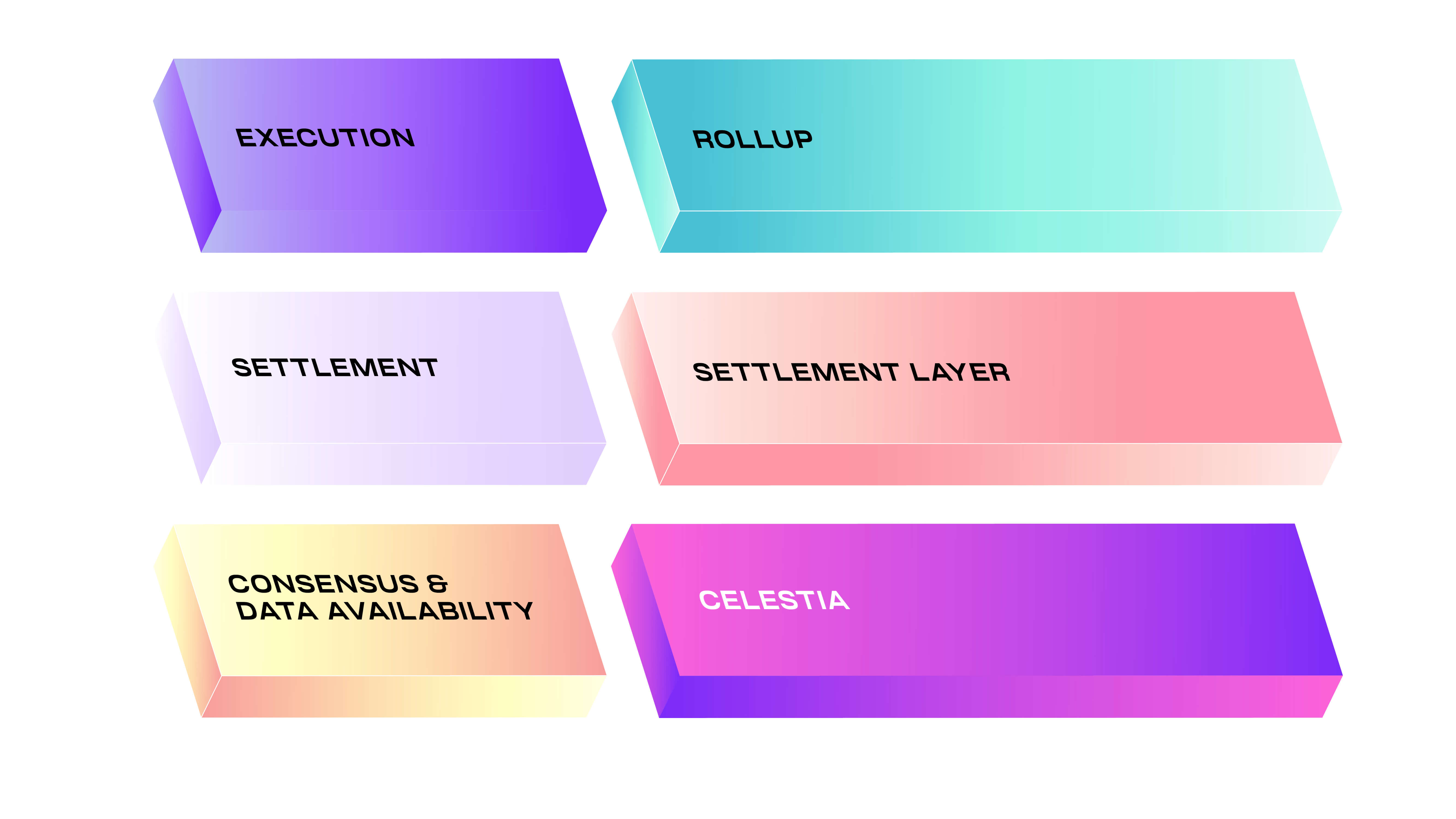
Early 2026 sees the pilot deployment of shared sequencer infrastructure. This phase tests cross-rollup transaction ordering, reducing latency and initial liquidity silos.
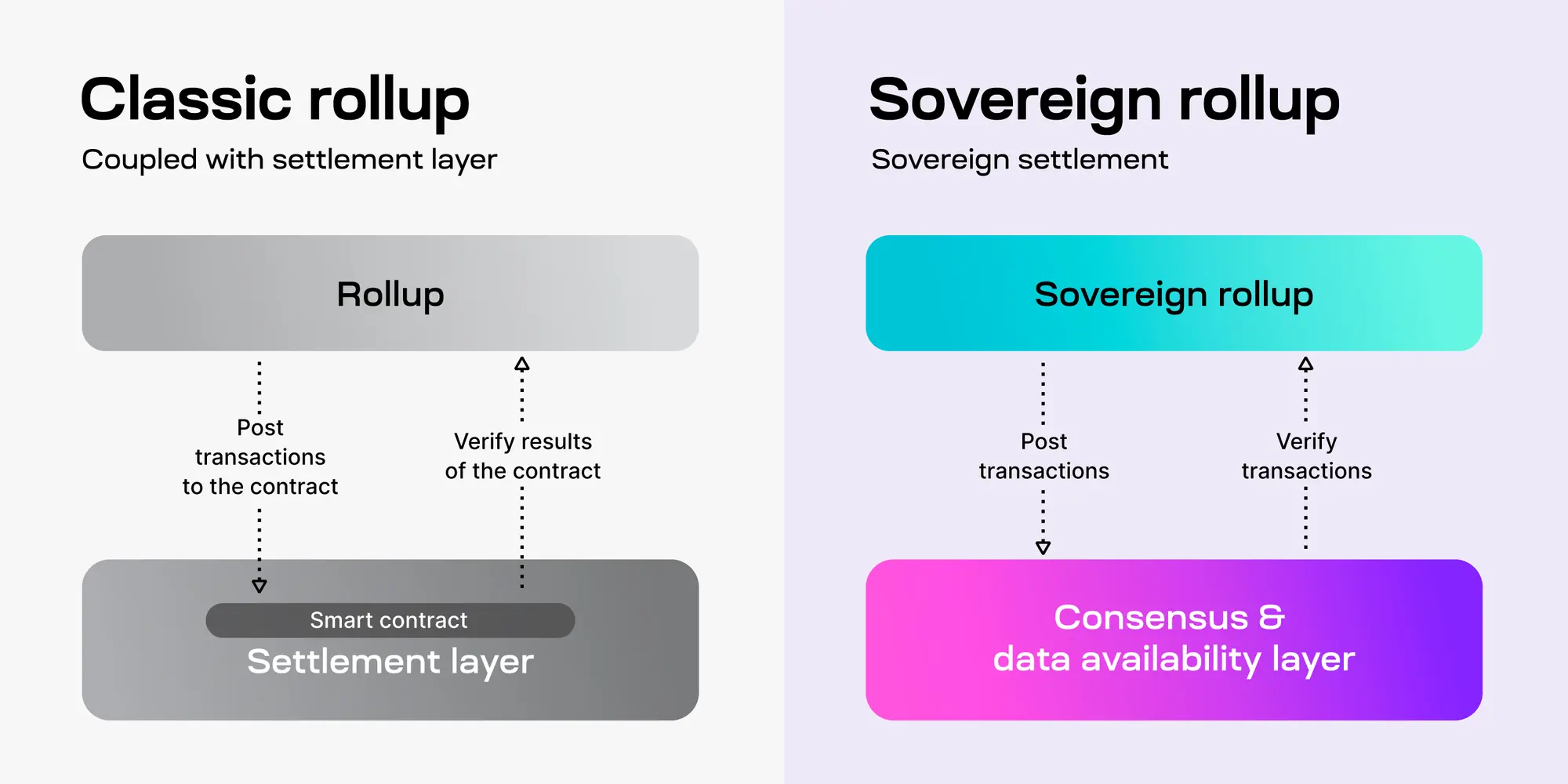
By mid-year, major rollup developers vote on unified data availability standards. This ensures that liquidity providers can move assets between chains with predictable gas costs.
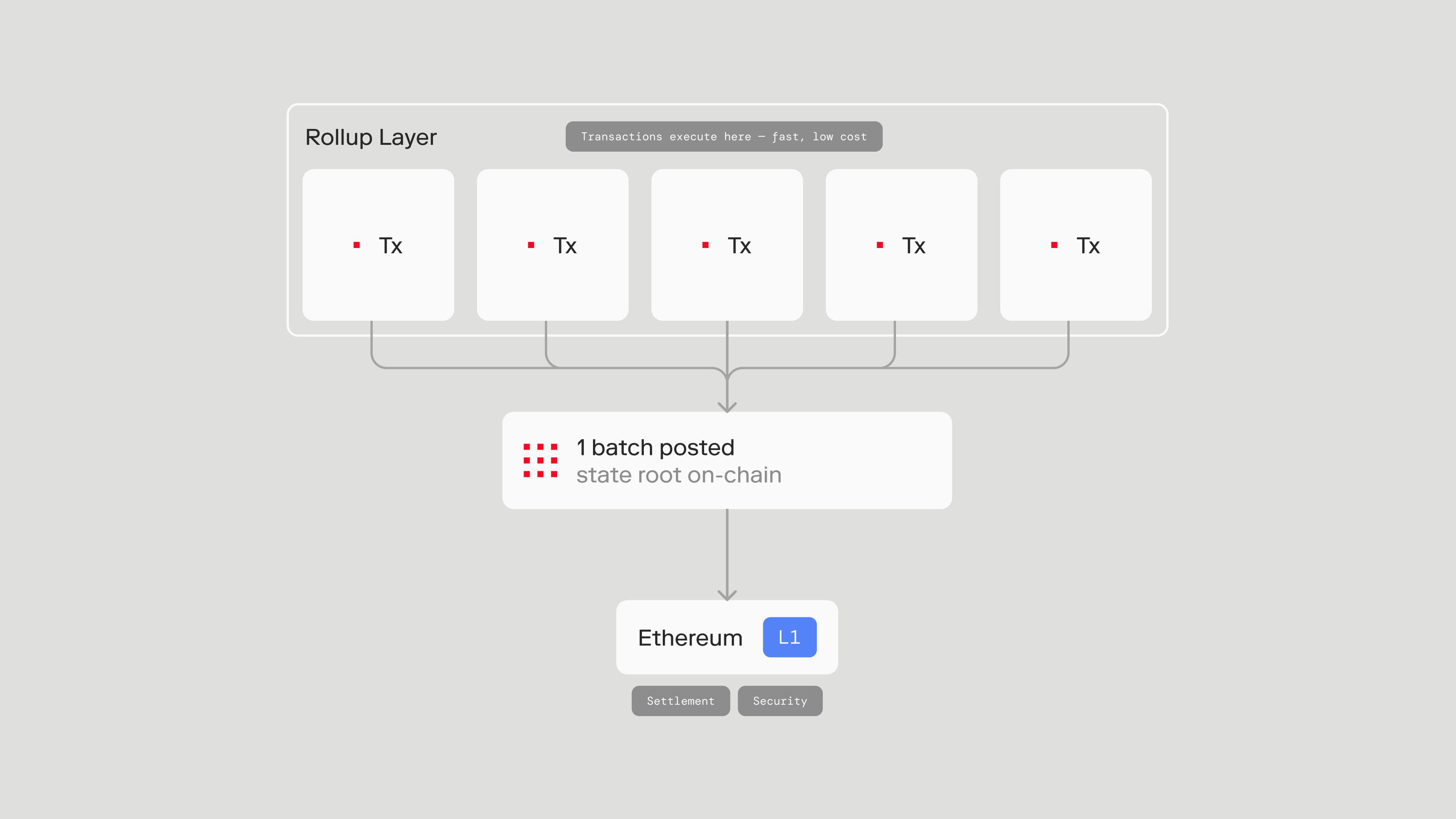
The third quarter marks the mainnet activation for the first wave of integrated rollups. This directly impacts daily transaction volume and cross-chain swap efficiency.
Year-end brings the complete convergence of liquidity pools. Fragmentation decreases as shared settlement layers become the default for new and existing Layer 2 deployments.
Common questions on rollup settlement
Layer 2 settlement mechanics often trigger confusion regarding finality timelines and security assumptions. The following questions address the specific technical and legal distinctions defining the 2026 rollup landscape.
No comments yet. Be the first to share your thoughts!