
The rollup settle limits to account for
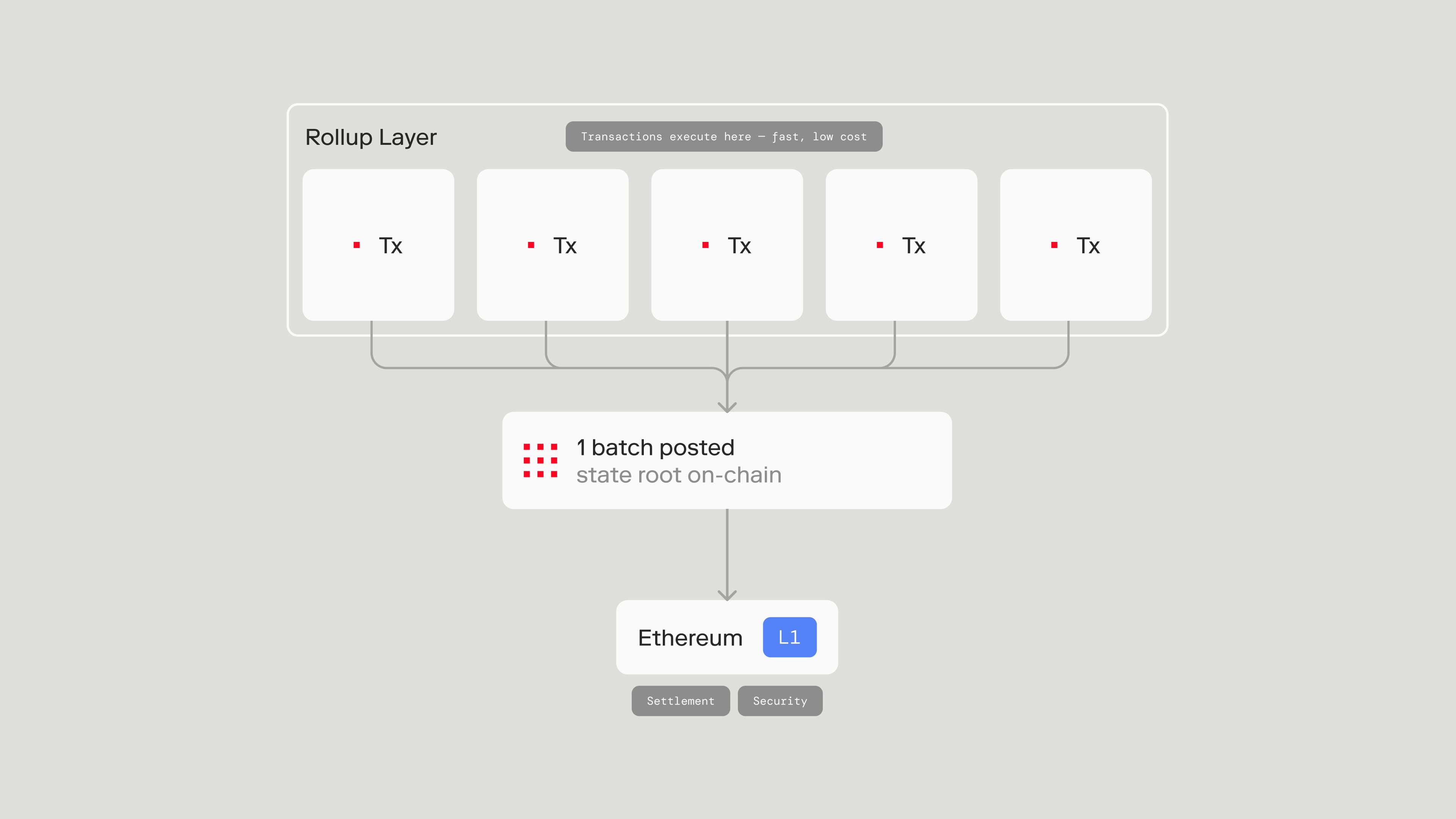
Rollup settlement is the final step where Layer-2 transaction data is posted back to Ethereum for security and finality. This process resolves the tradeoff between speed and cost: while rollups process transactions offchain, they rely on the base layer to verify proofs and store data. The constraint lies in the limited block space on Ethereum, which creates a bottleneck for throughput and drives fee volatility during high demand.
The settlement layer acts as the ultimate verifier, ensuring that the state transitions generated by the rollup are valid. For ZK-rollups, this involves verifying zero-knowledge proofs, while Optimistic rollups rely on a fraud-proof challenge period. As modular architectures evolve, specialized settlement layers are emerging to handle proof verification more efficiently, potentially decoupling settlement from data availability to reduce costs further.
Understanding this constraint is critical for cross-chain liquidity. When settlement becomes expensive or slow, liquidity providers face higher risks and costs, leading to fragmented pools and wider spreads. The 2026 landscape sees a shift toward shared settlement layers, where multiple rollups post to a single, optimized settlement contract, spreading the fixed costs of proof verification across a larger volume of transactions.
Rollup settle choices that change the plan
Choosing a rollup settlement strategy means balancing security, cost, and autonomy. The settlement layer is the anchor that verifies state transitions and resolves disputes, but the architecture you pick dictates how much of Ethereum’s security you inherit and how much control you retain over data availability.
Smart contract rollups, such as ZK-rollups and Optimistic rollups, post execution data to a settlement layer like Ethereum. The settlement layer’s job is to order transactions and verify proofs or fraud claims. This model offers the highest security guarantee because it relies on the base layer’s consensus. However, it comes with higher costs and longer finality times, especially for Optimistic rollups that require a challenge period.
Sovereign rollups decouple execution and settlement. They publish data to an availability layer but handle settlement on their own chain. This grants maximum flexibility and lower fees, as the settlement layer does not validate individual transactions. The tradeoff is reduced security; you are trusting the sovereign chain’s validator set rather than inheriting Ethereum’s finality.
| Feature | Smart Contract Rollup | Sovereign Rollup |
|---|---|---|
| Settlement Layer | Ethereum L1 | Independent chain |
| Security Model | Inherits L1 security | Relies on own validators |
| Data Availability | Published to L1 | Published to DA layer |
| Finality Time | Longer (fraud proofs) | Faster (native consensus) |
| Cost Efficiency | Higher (L1 gas) | Lower (optimized DA) |
The choice often depends on your liquidity needs. Smart contract rollups benefit from deep liquidity pools on Ethereum, making cross-chain transfers easier. Sovereign rollups may require building new liquidity bridges, which introduces additional risk. As activity increases, settlement fees for smart contract rollups tend to drop, but the security premium remains the primary driver for high-value applications.
Choose the next step: Turn the research into a practical decision framework
Picking a rollup settlement layer in 2026 isn’t just about picking the fastest chain. It’s about matching your liquidity needs with the right security and cost structure. The modular landscape has split into distinct paths, each with specific tradeoffs for builders and users.
Use this checklist to narrow your options. Don’t just look at gas fees; look at where the liquidity actually lives.
Start with the assets. Some settlement layers are designed as liquidity hubs, while others are pure security layers. If your project needs deep order books or high-volume swapping, prioritize chains with established AMMs and DEXs. Liquidity begets liquidity; it rarely starts from zero on a new settlement layer.
Compare the time it takes for a transaction to be considered final. ZK-rollups offer near-instant finality, while optimistic rollups require a challenge period. Also, look at the fee structure. Early-stage rollups often have higher fees due to low activity, while mature layers benefit from economies of scale.
Understand who secures your chain. Some rollups rely entirely on Ethereum’s security, while others use their own validators or bridges. The more you decentralize the security model, the more resilient you are to single points of failure. Check if the settlement layer has a history of successful dispute resolutions.
A settlement layer is only as good as the tools built on it. Look for comprehensive SDKs, debuggers, and documentation. If your stack is built on Solidity, ensure the rollup supports EVM equivalence. Poor tooling can delay your launch by months, regardless of the underlying technology.
| Feature | Rollup Type | Finality | Cost |
|---|---|---|---|
| Speed | ZK-Rollup | Instant | Medium |
| Security | Optimistic | 7 Days | Low |
| Ecosystem | Hybrid | Variable | Low |
The right choice depends on your specific use case. If you need speed and low costs, ZK-rollups are leading the pack. If you prioritize maximum security and decentralization, optimistic rollups remain the gold standard. Evaluate each layer against these criteria to make an informed decision.
Watchouts for Rollup Settlement in 2026
As modular architectures mature, several persistent traps can drain capital or expose users to unexpected risks. Identifying these weaknesses early helps you avoid the most common pitfalls in cross-chain liquidity.
Misleading "Near-Zero" Fee Claims
Early ZK rollups often advertise negligible fees, but this advantage shrinks as activity grows. Settlement fees on the main chain typically increase with usage, meaning the "more active -> lower fees" dynamic only holds when volume is low. Many projects hide the true cost of data availability or proof verification. Always check the full fee structure, including data gas, not just the execution layer.
Weak Settlement Finality
Some rollups settle on chains with weak security models or delayed finality. If the settlement layer cannot reliably verify proofs or resolve disputes quickly, your funds remain vulnerable. A settlement layer’s primary role is proof verification and dispute resolution. Choose networks with established, robust security guarantees to ensure your assets are truly secured.
Liquidity Fragmentation
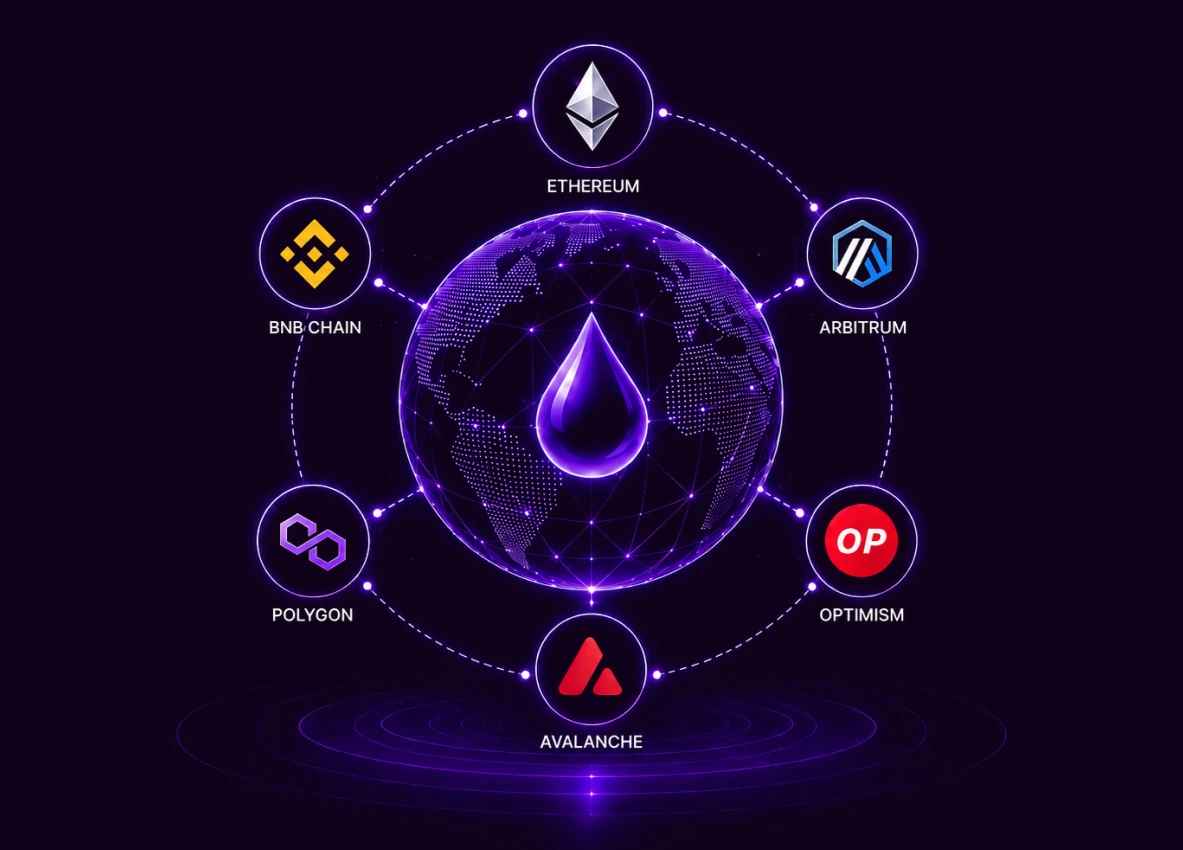
Cross-chain bridges often fragment liquidity, making it harder to move assets efficiently. Instead of a unified pool, capital is spread across multiple, smaller pools. This increases slippage and reduces the effectiveness of your trades. Look for rollups that integrate directly with major liquidity sources or use shared liquidity models to minimize fragmentation.
Over-Reliance on Centralized Sequencers
Many rollups depend on a single sequencer to order transactions. If this entity goes offline or censors transactions, the rollup’s usability suffers. Decentralized sequencers or alternative ordering mechanisms are becoming standard. Verify that the rollup has a clear path toward decentralization to avoid single points of failure.
Rollup settlement: what to check next
Settlement layers are the backbone of the modular blockchain stack, handling the finality and security that execution layers delegate to them. Before committing capital or building infrastructure, it helps to understand the mechanics behind the terminology.
No comments yet. Be the first to share your thoughts!