
Rollup settlement limits to account for
Rollup Settlement works best as a clear sequence: define the constraint, compare the realistic options, test the tradeoff, and choose the path with the fewest hidden costs. That order keeps the advice usable instead of decorative. After each step, pause long enough to check whether the recommendation still fits the reader's actual situation. If it depends on perfect timing, unusual access, or a best-case budget, include a simpler fallback.
The simplest way to use this section is to write down the real constraint first, compare each option against it, and choose the path that still works outside ideal conditions.
Rollup settlement choices that change the plan
Choosing a rollup settlement model requires balancing three competing priorities: finality speed, data availability cost, and cross-chain liquidity. There is no single "best" rollup; the right choice depends on whether you prioritize institutional-grade certainty or consumer-grade speed.
The following table compares the primary settlement architectures currently in use. Each option presents distinct tradeoffs for payment processors and users.
| Settlement Model | Finality Speed | Data Cost | Primary Risk |
|---|---|---|---|
| Optimistic Rollup | Slow (7-day challenge period) | Low (L2 execution only) | Fraud proof latency |
| ZK Rollup | Fast (minutes) | High (proof generation) | Circuit complexity |
| Hybrid (ZK+Optimistic) | Variable | Medium | Bridge dependency |
| State Channels | Instant (off-chain) | Lowest | Liquidity fragmentation |
Optimistic Rollups: Low Cost, High Latency
Optimistic rollups assume transactions are valid by default, only requiring verification if a fraud proof is submitted. This approach minimizes on-chain computational costs, making it ideal for high-volume, low-value payments where immediate finality is less critical than transaction throughput. However, the 7-day challenge window creates a significant delay for fund availability, which can be problematic for merchants requiring instant settlement.
ZK Rollups: Fast Finality, High Complexity
Zero-knowledge rollups generate cryptographic proofs that are verified on-chain, offering near-instant finality. This speed is attractive for real-time payment scenarios and cross-chain transfers where liquidity needs to move quickly. The tradeoff is higher computational overhead for proof generation, which can increase transaction fees during network congestion. Additionally, the complexity of ZK circuits introduces potential security risks if not audited rigorously.
Hybrid Models: Balancing Speed and Cost
Hybrid approaches combine elements of both optimistic and ZK rollups to mitigate individual weaknesses. For example, a system might use ZK proofs for small, frequent transactions while relying on optimistic challenges for larger, less frequent settlements. This flexibility allows developers to tailor settlement times to specific use cases, though it introduces architectural complexity that can complicate maintenance and security audits.
Decision Framework
When evaluating settlement options, start by defining your latency tolerance. If you can wait 7 days for finality, an optimistic rollup offers the lowest cost. If you need instant settlement, a ZK rollup is necessary, but be prepared for higher complexity and potential fee spikes. For most payment processors, a hybrid model provides the best balance, allowing for flexible settlement times based on transaction size and urgency.
Choose the next step
The shift from legacy payment rails to rollup settlement introduces a new layer of complexity: finality is no longer immediate. For crypto payments, this means you must decide whether speed or absolute certainty matters more for your specific use case. There is no single "best" option; the right choice depends on transaction size, counterparty risk, and the specific rollup architecture you are integrating.
To make this decision, evaluate the following tradeoffs. Use this framework to select the settlement layer that aligns with your operational requirements.
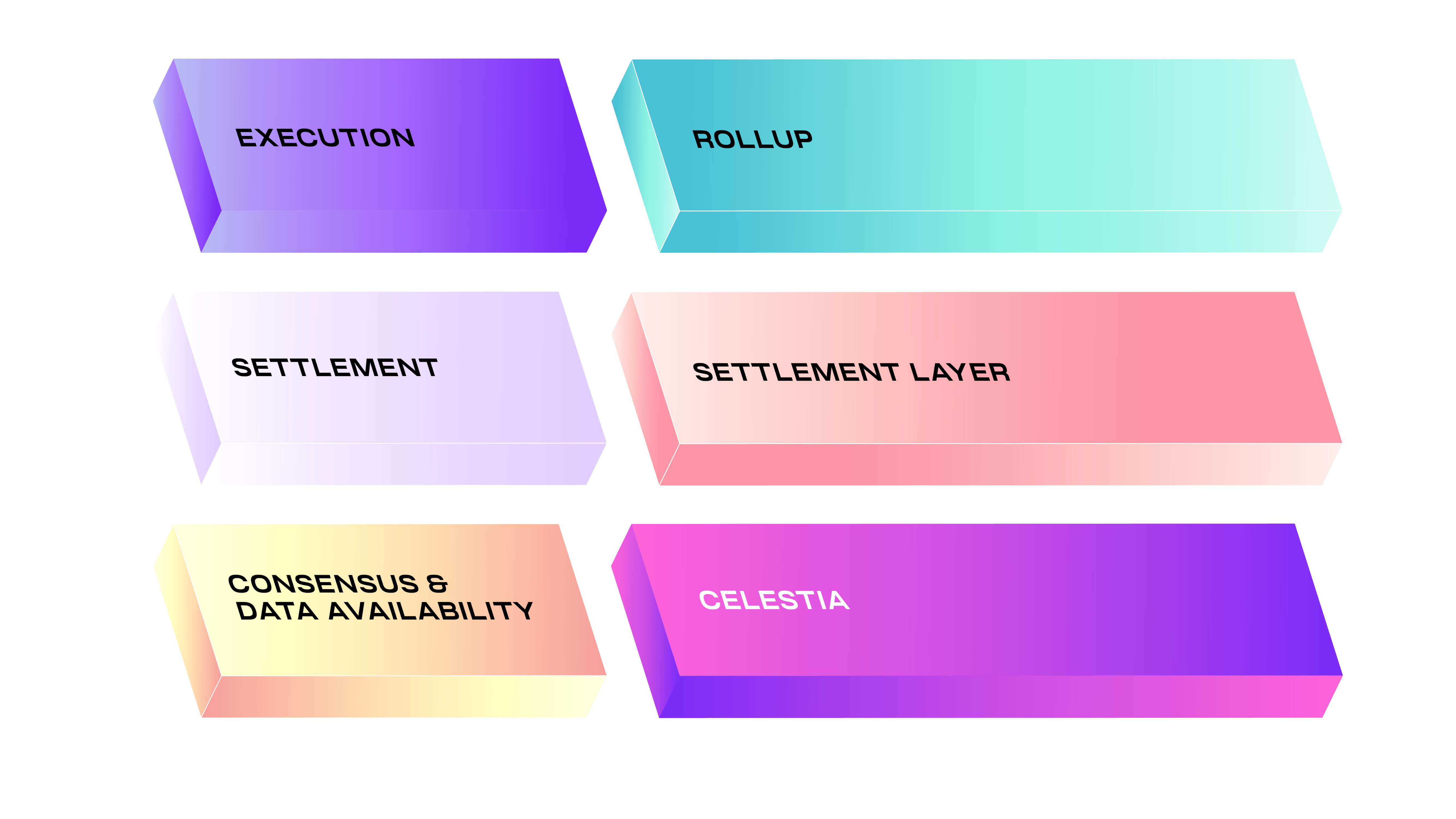
For high-volume, low-value transactions, immediate availability on the L2 execution layer is often sufficient. Merchants can accept funds that are not yet finalized on the L1, treating them as "tentative" until the rollup batch is posted. This approach minimizes friction for users but requires you to manage the risk of potential rollup reversals or sequencer downtime. Best for: streaming payments, gaming rewards, and small retail purchases where the cost of reversal is negligible.
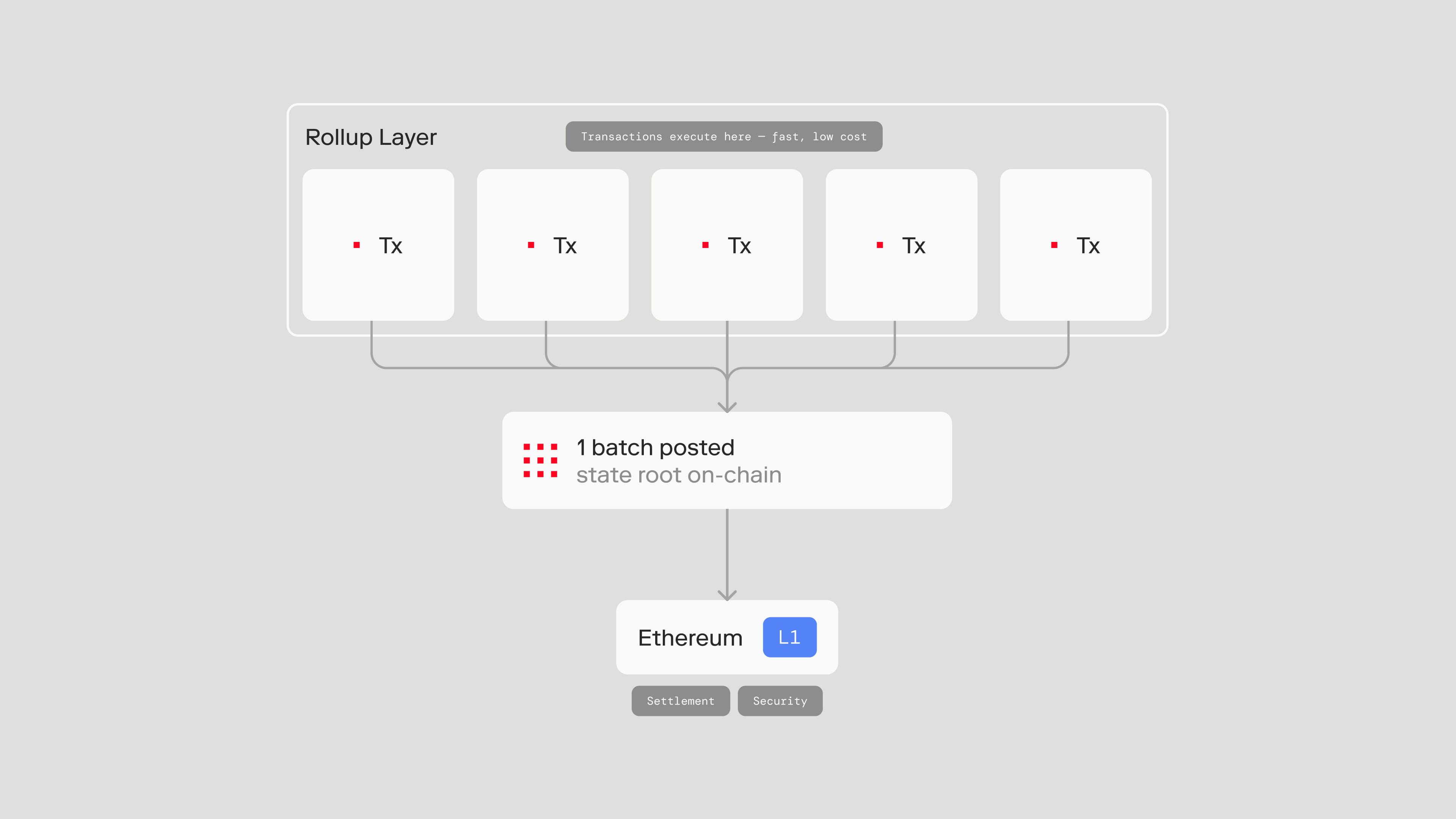
When settling large sums or B2B payments, waiting for L1 finality is non-negotiable. This eliminates the risk of invalid state roots or fraud proofs that could reverse a transaction. While this introduces a delay (often several minutes to hours depending on the bridge and rollup type), it provides the legal and technical certainty required for enterprise compliance. Best for: corporate treasury movements, high-value merchant settlements, and cross-border B2B payments.
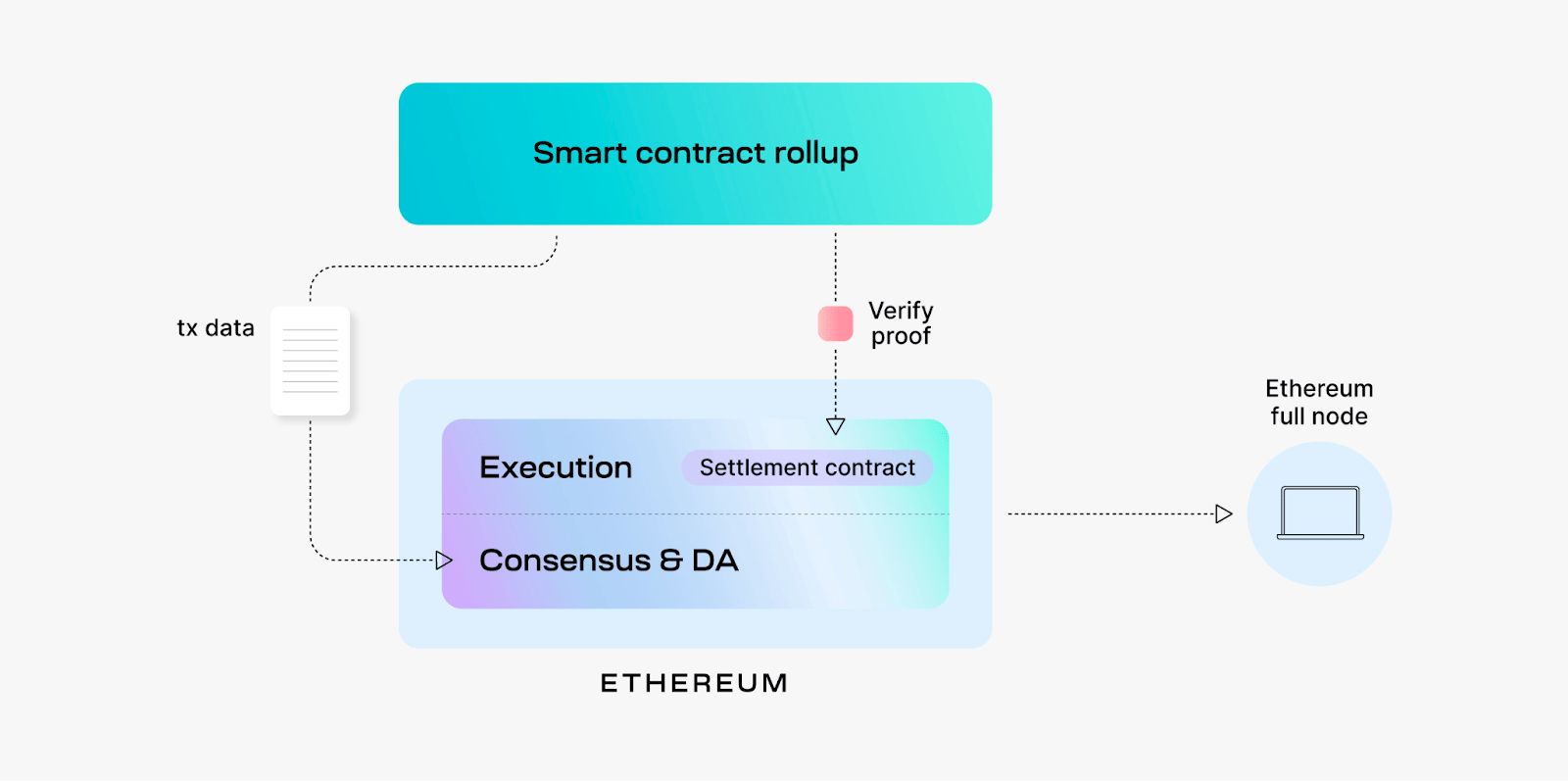
If your payment flow involves moving funds between different L2s or from an L2 to an L1, the bridge becomes the primary attack surface. Choose bridges with proven security audits, high total value locked (TVL), and optimistic or zero-knowledge fraud proof mechanisms. Avoid bridges with complex multi-hop architectures unless absolutely necessary. Best for: interoperable payment networks, DeFi yield farming payments, and cross-chain liquidity providers.
| Use Case | Finality Requirement | Primary Risk |
|---|---|---|
| Micro-payments | L2 Execution | Rollup Reorg |
| High-Value B2B | L1 Settlement | Bridge Exploit |
| Cross-Chain | Bridge + L1 | Bridge Vulnerability |
Final recommendation
Start with L2 execution for speed, but enforce L1 finality for amounts exceeding your risk tolerance threshold. For cross-chain flows, use only audited, high-liquidity bridges. This hybrid approach balances user experience with financial security.
Avoid the Weak Options in Rollup Settlements
When evaluating Layer 2 finality and cross-chain bridges for crypto payments, not all settlement layers offer the same security guarantees. Many providers market "instant" settlement, but this often comes at the cost of weaker cryptographic proofs or centralized oversight. Before committing funds, distinguish between optimistic rollups that rely on dispute periods and zero-knowledge rollups that offer immediate mathematical finality.
The risk of choosing a weak settlement option is not just technical; it is regulatory and financial. Recent actions by the FTC against private equity firms involved in anticompetitive roll schemes highlight the dangers of opaque settlement structures. If a bridge or rollup operator cannot clearly articulate how they handle dispute resolution or fund custody, treat it as a red flag. Weak options often lack the audit trails required for institutional compliance.
To navigate this, prioritize protocols with transparent, on-chain verification mechanisms. Compare the tradeoffs between speed and security by examining the specific finality guarantees each provider offers. In the current regulatory environment, choosing a robust settlement layer is the most effective way to protect your assets from both technical failures and legal scrutiny.
Rollup settlement: what to check next
Readers often confuse blockchain rollup mechanics with the recent legal actions involving U.S. Anesthesia Partners (USAP). The FTC’s 2025 settlement with Welsh Carson is a regulatory antitrust case, not a crypto protocol update. It addresses private equity roll-up schemes in healthcare, not Layer 2 finality.
Below are direct answers to common search queries regarding the USAP lawsuit and its distinction from crypto settlement layers.
For crypto investors, these legal terms describe entirely different mechanisms. Blockchain rollups batch transactions off-chain to improve scalability, while financial roll-ups consolidate companies to increase market share. Confusing the two can lead to misreading regulatory news as protocol updates.
No comments yet. Be the first to share your thoughts!