
Rollup settlement limits to account for
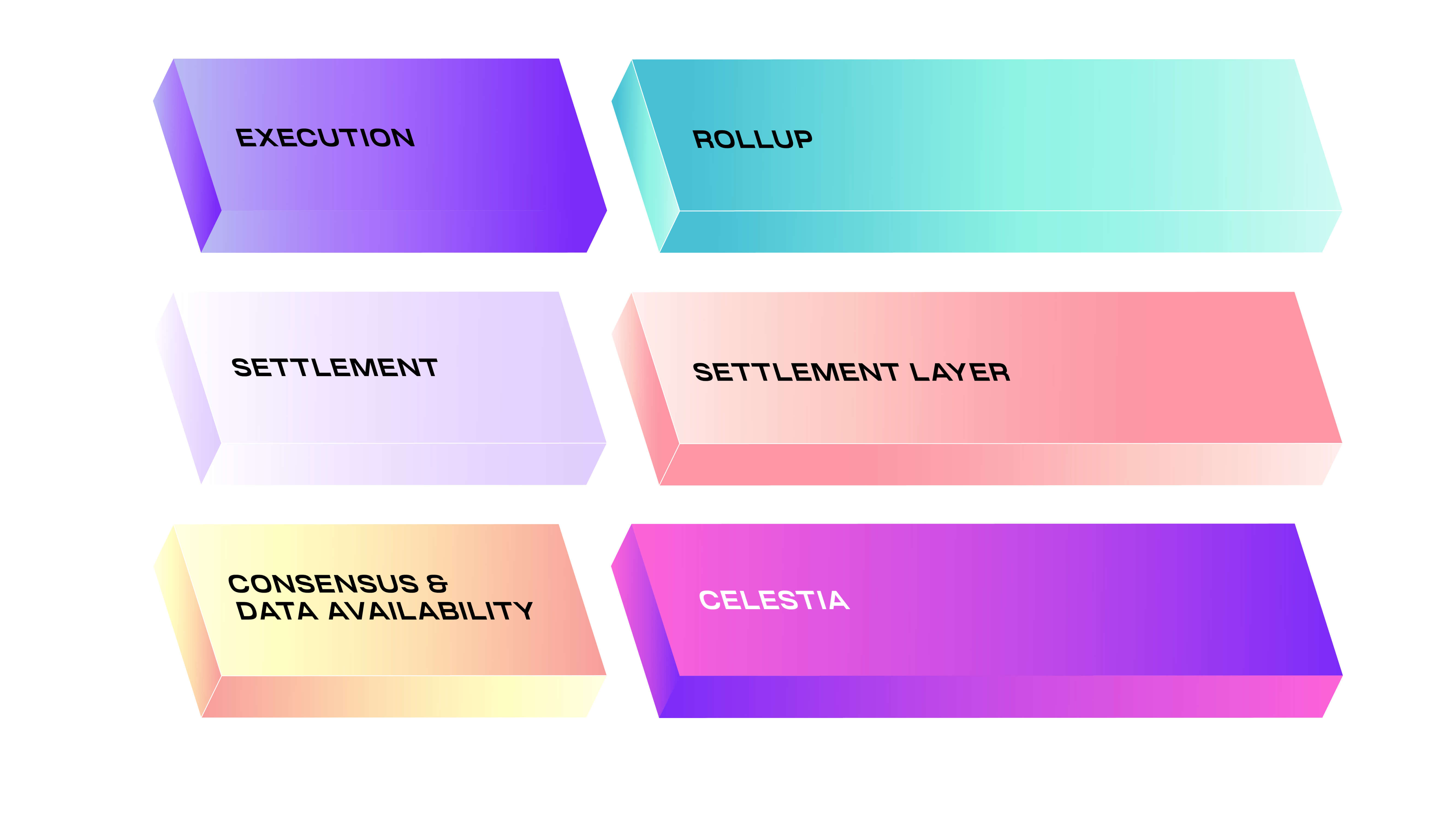
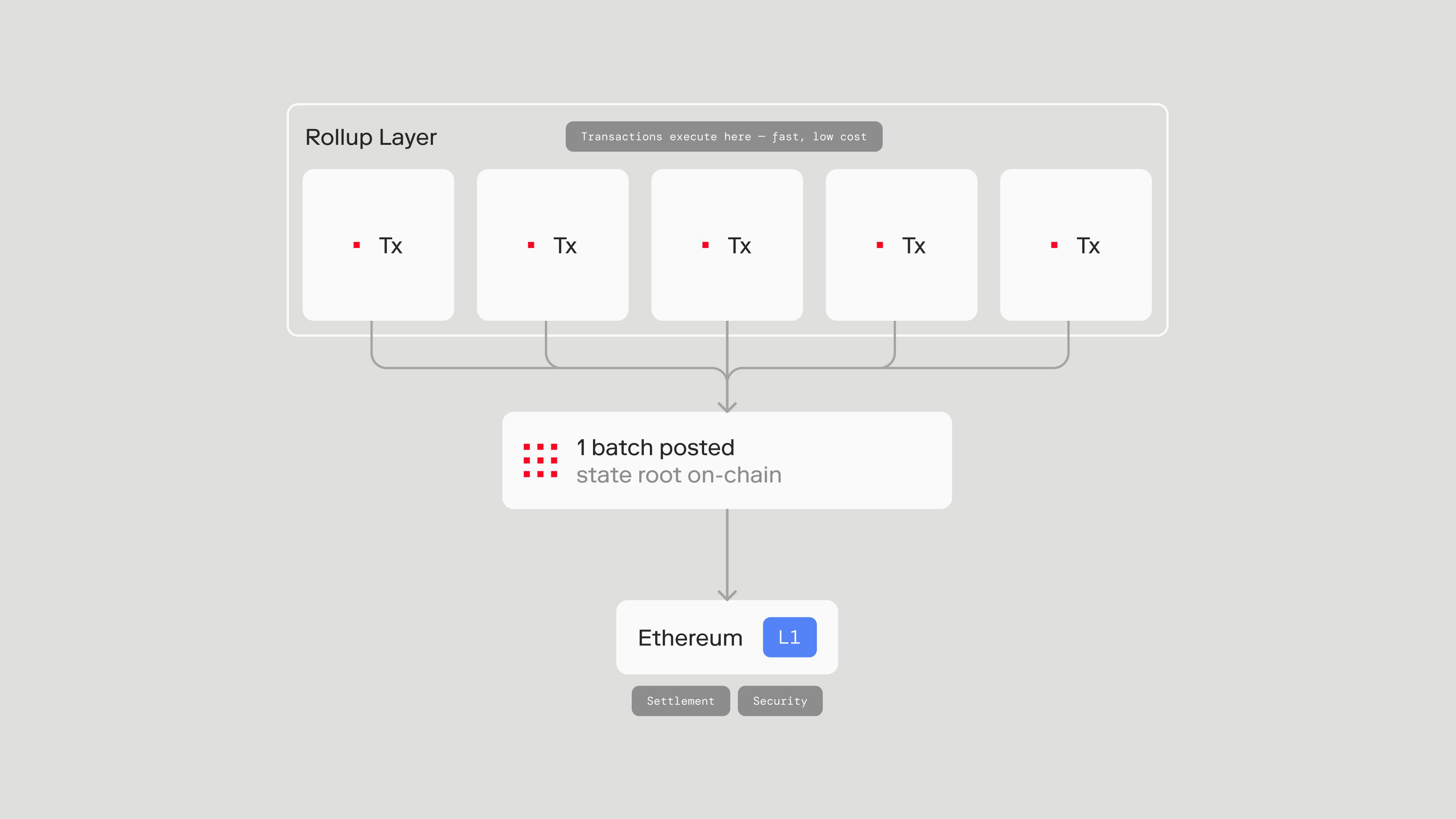
The term "settlement" in rollup architecture refers to the finalization of transaction data on a base layer, typically Ethereum. For both Optimistic and ZK rollups, this step is not merely a technical checkpoint; it is the primary mechanism that ensures security and resolves the liquidity fragmentation that has plagued Layer-2 ecosystems. Without a robust settlement layer, the liquidity trapped in individual rollups cannot be effectively bridged or aggregated, leading to the siloed markets we see today.
Optimistic rollups settle by posting transaction calldata to Ethereum and relying on a seven-day challenge period. This design prioritizes low costs and high throughput but introduces latency. Users must wait for the fraud-proof window to close before funds are considered fully settled on the base layer. This delay creates a friction point for liquidity providers who require immediate finality, often forcing them to hold capital across multiple chains to mitigate risk.
ZK rollups, by contrast, settle by submitting zero-knowledge proofs that mathematically verify the validity of all transactions in a batch. This approach offers near-instant finality, as there is no need for a challenge period. The settlement is cryptographically guaranteed by the Ethereum network, allowing for faster capital rotation and deeper liquidity aggregation. However, the computational cost of generating these proofs remains higher, which can impact transaction fees for end users.
The choice between these settlement models depends on the specific use case. For applications requiring high-frequency trading or immediate settlement guarantees, ZK rollups provide a superior infrastructure. For applications where cost efficiency and compatibility with existing Ethereum tooling are paramount, Optimistic rollups remain a viable option. As the ecosystem matures, hybrid models and cross-chain settlement protocols are emerging to bridge the gap between these two approaches, aiming to unify liquidity across the entire Layer-2 landscape.
Rollup settlement choices that change the plan
Choosing between optimistic and zero-knowledge (ZK) rollups requires balancing security guarantees against user experience and cost. The decision hinges on how each architecture handles data availability, fraud proofs, and finality on the base layer.
Optimistic rollups assume transactions are valid by default, only requiring verification if a fraud proof is submitted within a challenge period. This approach offers lower initial costs and simpler developer tooling but introduces withdrawal delays for users seeking to exit the layer-2 environment. ZK rollups, conversely, generate cryptographic validity proofs for every batch, enabling near-instant finality and faster withdrawals at the expense of higher computational overhead during proof generation.
The following comparison outlines the primary operational differences affecting liquidity fragmentation and settlement efficiency.
| Feature | Optimistic Rollup | ZK Rollup |
|---|---|---|
| Security Model | Fraud proofs (dispute-based) | Validity proofs (cryptographic) |
| Withdrawal Time | 7-day challenge window | Minutes to hours |
| Data Availability Cost | Lower (state roots only) | Higher (proofs + data) |
| Developer Complexity | EVM-equivalent, familiar | Requires specialized toolchains |
| Finality | Delayed (post-challenge) | Immediate upon inclusion |
For applications prioritizing speed and capital efficiency, ZK rollups provide superior settlement guarantees. However, the current infrastructure costs for generating ZK proofs remain higher than the data-only submission model of optimistic rollups. As proof generation hardware improves, this cost gap is expected to narrow, potentially shifting the tradeoff landscape in favor of ZK architectures for high-frequency trading and gaming applications.
How to Choose Between Optimistic and ZK Rollups
Selecting a rollup settlement layer in 2026 requires matching technical constraints to business outcomes. Optimistic rollups offer lower development costs and broader EVM compatibility but introduce a seven-day withdrawal delay. ZK rollups provide immediate finality and stronger security guarantees but demand higher computational overhead and complex proof generation infrastructure.
The decision rests on three practical checks:
- Finality Needs: If your application requires instant user withdrawals (e.g., trading platforms), ZK rollups are the only viable option. Optimistic rollups force users to wait for the challenge period to expire.
- Developer Ecosystem: Optimistic rollups benefit from mature tooling and existing Solidity compatibility. ZK rollups require specialized knowledge of zero-knowledge circuits and may limit the pool of available developers.
- Cost Structure: ZK rollups have higher on-chain data costs due to proof verification. Optimistic rollups rely on data availability and fraud proofs, which can be cheaper for high-throughput but low-value transactions.
Determine if your users can tolerate a seven-day withdrawal window. If immediate access to funds is critical for user retention or regulatory compliance, prioritize ZK rollups. For applications where capital is locked for longer periods, such as staking or governance, Optimistic rollups may suffice.
Assess your team’s expertise in zero-knowledge cryptography. If your engineers are primarily Solidity developers, Optimistic rollups offer a smoother transition. For teams with specialized cryptographic expertise, ZK rollups provide better long-term scalability and security.
Compare on-chain data fees against proof generation costs. ZK rollups require significant computational resources to generate proofs, which may be passed on to users. Optimistic rollups have lower proof costs but may incur higher data availability fees during peak congestion.
-
Define finality requirements
-
Assess developer expertise
-
Calculate cost structure
-
Review regulatory constraints
Watch out for weak settlement options
Many rollup projects promise seamless liquidity aggregation, but 2026 regulatory scrutiny reveals common pitfalls. The FTC’s recent settlement with a private equity firm highlights how antitrust authorities view roll-up schemes that restrict competition (FTC, 2025). Similarly, Kroll’s settlement administration guidelines emphasize the importance of transparent, end-to-end oversight in complex financial structures.
When evaluating optimistic or ZK rollup solutions, look for these weak options:
- Opaque liquidity pools: Aggregators that hide source chains or fees.
- Unverified bridge contracts: Cross-chain bridges without public audits or formal regulatory compliance frameworks.
- Vague settlement terms: Ambiguous language in whitepapers regarding dispute resolution or asset recovery.
Avoid projects that do not clearly disclose their settlement mechanisms or lack third-party audits. Strong rollups prioritize transparency and regulatory alignment over speed alone.
Rollup settlement: what to check next
Here are the practical questions readers ask before committing to Layer-2 infrastructure.
No comments yet. Be the first to share your thoughts!