
Define your settlement layer
Your settlement layer is the final authority that records state roots and resolves disputes. Choosing the right one determines your security model and cost structure. You must decide whether to settle on a high-security mainnet, a modular data availability layer, or a sovereign chain.
Evaluate Ethereum L1 for maximum security
Ethereum mainnet offers the strongest security guarantees for rollups. By posting state commitments and execution data here, you inherit Ethereum’s decentralized validator set. This approach is standard for rollups prioritizing censorship resistance and capital preservation. However, it comes with the highest gas costs for data availability and slower finality times due to block production rates.
Consider Celestia for modular efficiency
If your rollup prioritizes cost efficiency, modular architectures offer a middle ground. In this model, the settlement layer is optional; sovereign rollups can use a standalone consensus and data availability layer like Celestia src-serp-2. This reduces reliance on expensive L1 data slots while maintaining sufficient security for many use cases. It is particularly effective for app-chains that do not require the full weight of Ethereum’s consensus.
Assess sovereign chains for autonomy
Sovereign rollups settle on their own consensus layer without external verification. This provides complete autonomy over transaction ordering and fee markets. While this minimizes costs and maximizes control, it shifts the entire security burden to your own validator set. This option is viable only if you can establish a trusted and sufficiently distributed validator network.
Match layer to your risk profile
Your choice should align with your application’s value proposition. High-value DeFi protocols typically require Ethereum L1 settlement to assure users of fund safety. Consumer applications or gaming chains may prioritize the low latency and cost of Celestia or sovereign setups. Always verify that your chosen layer provides the data availability guarantees necessary for your dispute resolution mechanism.
Configure the sequencer for batching
Batching transactions is the primary lever for reducing gas costs on Layer 2. By grouping multiple transactions into a single data blob before submission to the settlement layer, you amortize the fixed overhead of posting state roots and proof data across many users. This section outlines how to configure your sequencer or rollup operator to maximize batch efficiency.
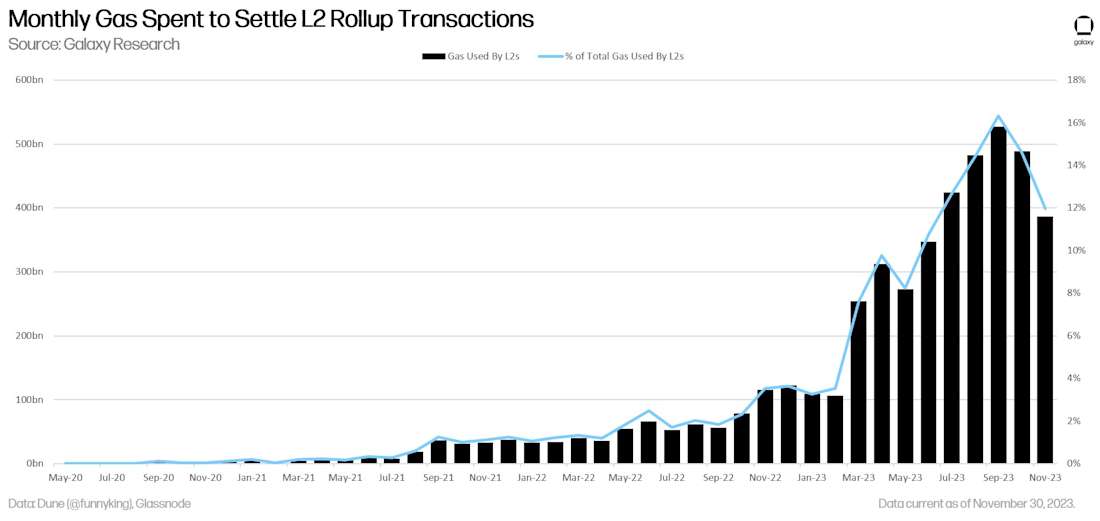
Configure your sequencer to target a specific byte count per batch rather than a fixed transaction count. Most L2s have a maximum data capacity (e.g., 128KB or 256KB). Aim to fill this capacity to within 90-95% before triggering a submission. This ensures you are paying for the full block space available. Avoid under-filled batches, as the fixed cost of posting the state root remains the same regardless of whether the batch contains 10 or 1,000 transactions.
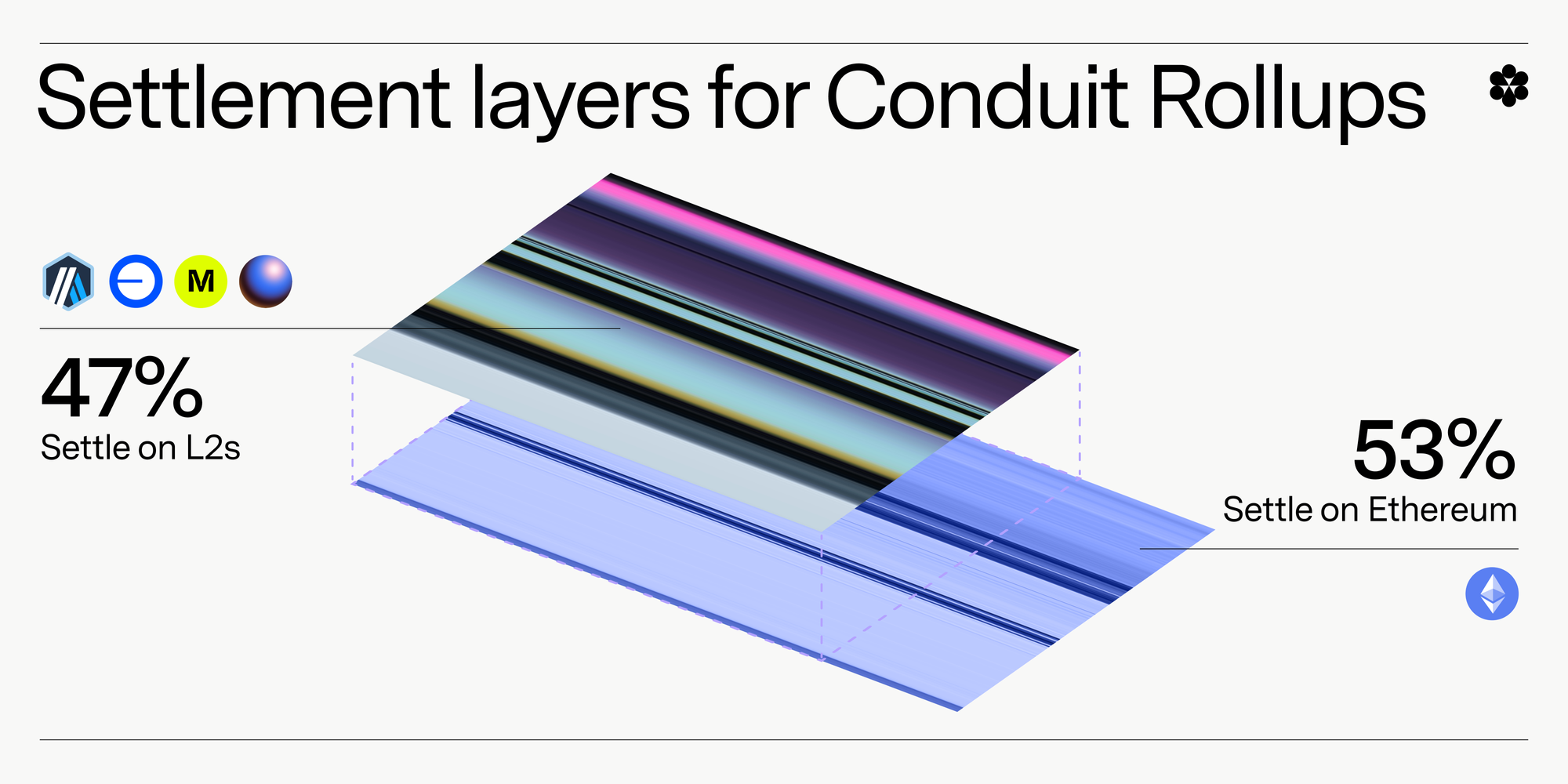
Set the sequencer to submit batches at regular intervals or when the batch size threshold is met, whichever comes first. Frequent small submissions increase per-transaction costs because you pay the L1 gas fee more often. Conversely, waiting too long can increase latency for users. A balanced approach involves submitting every 1-5 minutes during low activity, and increasing frequency only when the batch size limit is reached to prevent data loss.
Order transactions within the batch to minimize computational overhead on the L1 verifier. Group similar transaction types together if your rollup implementation allows it. For example, batch all simple transfers first, followed by contract interactions. This can reduce the complexity of state transitions and lower the overall gas cost for the settlement proof. Refer to Polynya's guide on rollup fees for a deeper breakdown of how fee structures vary by transaction type.
Integrate real-time L1 gas price monitoring into your sequencer's decision logic. During periods of high L1 congestion, consider reducing batch frequency to avoid excessive costs, or increase batch size if possible to spread the cost. Some operators use dynamic batching algorithms that adjust the submission threshold based on current L1 gas prices. This ensures that your cost per transaction remains competitive regardless of network conditions.
By carefully tuning these parameters, you can significantly reduce the gas cost per transaction for your users while maintaining the security and decentralization guarantees of the rollup. Regularly review your batch metrics to identify opportunities for further optimization.
Submit state roots to the settlement layer
The final step in the rollup lifecycle is committing the batch data to the settlement layer. This action anchors the Layer 2 state to the main chain, ensuring that the rollup’s history is immutable and verifiable. Without this submission, the rollup operates in isolation, and users cannot claim their funds or prove their balances on the base layer.
1. Generate the state root and proof
Before submission, the sequencer or batcher must finalize the current execution state. This involves calculating the new state root—a cryptographic hash representing all account balances and contract storage after the batch of transactions. Simultaneously, a validity proof (for ZK-rollups) or a fraud proof (for optimistic rollups) is generated. This proof attests that the state transition was computed correctly according to the rollup’s rules.
2. Encode data for the settlement layer
The rollup must prepare the data for on-chain consumption. For ZK-rollups, this includes the proof bytes and the state root. For optimistic rollups, it typically involves posting the calldata containing the transaction batch and the new state root. This data is often compressed or encoded to minimize gas costs, as the settlement layer charges fees based on data size. The data is then packaged into a transaction payload designed for the settlement contract.
3. Submit the transaction to the settlement contract
The final action is broadcasting the transaction to the settlement layer’s smart contract. This contract verifies the proof (if applicable) and updates the global state root. Once the transaction is confirmed on the settlement layer, the state is considered final. Users can now rely on this anchor to withdraw funds or interact with the rollup’s state. This process ensures that the rollup remains secure and interoperable with the broader ecosystem.
Handle cross-rollup withdrawals
Moving assets between different rollups requires settling through a shared layer, typically Ethereum L1. This process introduces latency and complexity because the destination rollup must verify the withdrawal proof on the settlement layer before releasing funds. Users often face a choice between speed and cost when selecting a bridge path.
The standard method involves a direct withdrawal to L1, followed by a deposit into the target rollup. This approach is secure but slow, often taking days. Alternatively, settlement-layer mediated transfers use batch settlement techniques to bundle multiple withdrawals into a single L1 transaction. This method reduces gas costs significantly but may require waiting for the batch to be processed by the network [src-serp-5].
To minimize friction, evaluate the bridge’s finality requirements. Some bridges offer faster withdrawals by skipping the L1 settlement step, relying instead on optimistic fraud proofs or multisig signatures. While faster, these methods introduce counterparty risk. For high-value transfers, always prioritize bridges that settle directly on L1 to ensure maximum security.
| Method | Speed | Cost | Security |
|---|---|---|---|
| Direct L1 Withdrawal | Slow (1-7 days) | High (L1 gas) | Maximum |
| Batch Settlement | Medium | Low | High |
| Optimistic Bridge | Fast | Low | Medium |
Monitor gas fees and finality times
Optimizing your rollup settle process requires active oversight of two distinct cost layers: the gas fees for operating the rollup and the settlement fees for proof verification on the settlement layer. You can track these metrics to identify when conditions shift from efficient to expensive.
Check settlement fee volatility
Settlement fees fluctuate based on the complexity of the proof verification and the current congestion on the settlement layer. Monitor these costs to time your submissions during low-traffic windows, reducing the overhead of state root commitments.
Track finality delays
Finality times determine how long your transactions remain pending before being irreversibly recorded. Use block explorers to observe average confirmation times for your specific rollup. Sudden spikes in delay often signal network congestion or sequencer issues that require immediate attention.
Common rollup settle: what to check next
Settlement is the final step where Layer 2 data commits to the main chain, ensuring security and finality. Here are answers to the most frequent technical queries regarding this process.
No comments yet. Be the first to share your thoughts!