
What rollup settle actually means
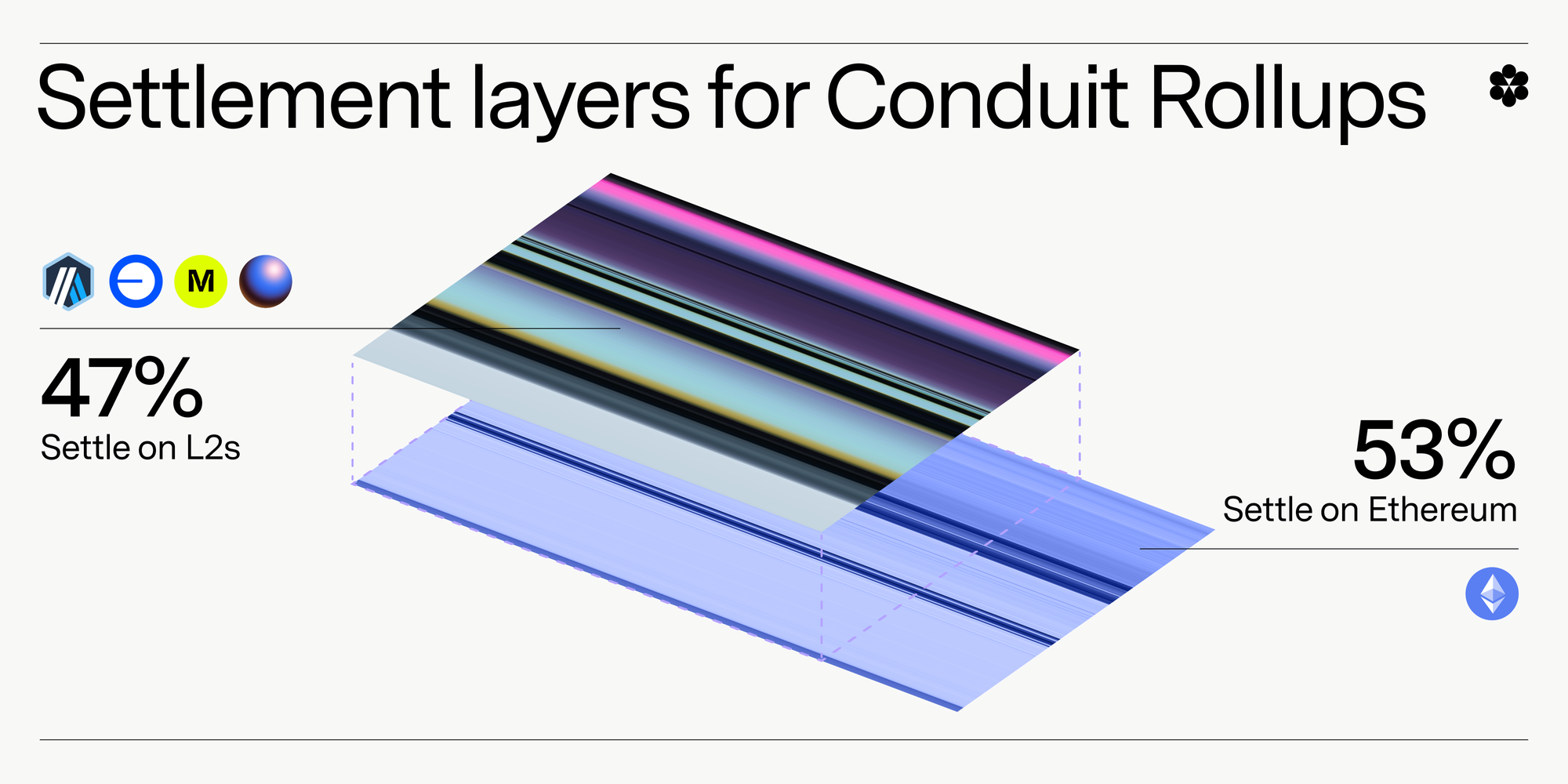
When you use a DeFi protocol on a Layer 2 network, your transaction happens in two distinct phases. First, the rollup executes your trade or swap, processing hundreds of transactions at once to keep costs low. Second, it settles the result on the main blockchain. Settlement is the moment the Layer 2 network proves to the main chain that everything was done correctly and updates the official record.
Think of settlement like a bank clearing house. The rollup is the teller who processes your deposit quickly. The settlement layer is the central vault that records the final balance change. Without that final vault entry, your transaction is just a promise, not a fact. This distinction matters because it separates the speed of execution from the security of the final state.
The user experience impact is immediate. Because settlement happens on the main chain, the speed of your final transfer depends on how fast that chain can process the proof. For example, Arbitrum uses an optimistic model where funds can be withdrawn faster if no one challenges them, while Optimism uses zero-knowledge proofs that require more computation but offer stronger security guarantees. This difference affects how quickly you can move your assets out of a DeFi protocol.
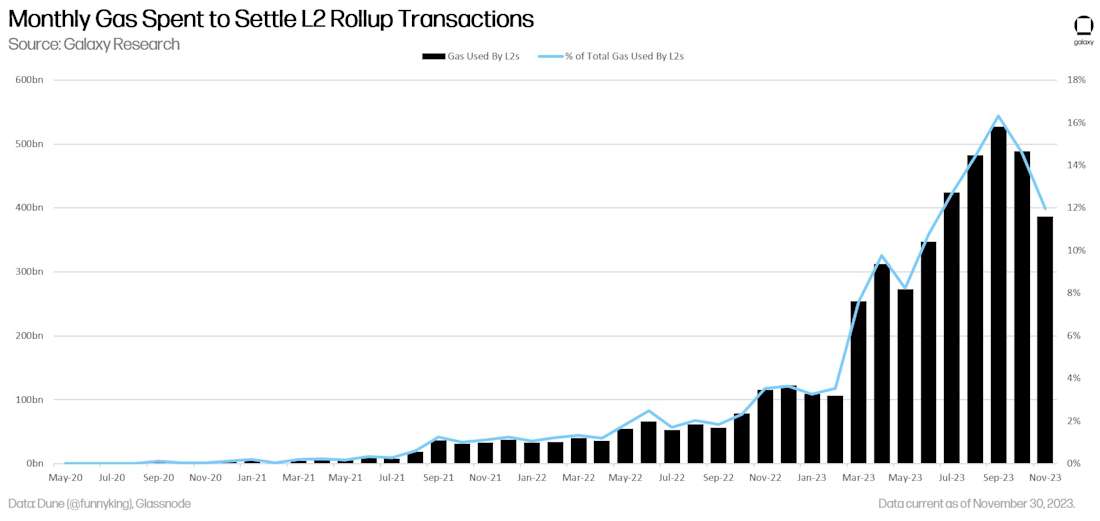
Settlement also determines the cost. You pay fees for execution on the rollup and additional fees for settling on the main chain. As rollups become more efficient, the settlement layer handles more data, which can drive down the cost of finalizing your transactions. Understanding this flow helps you choose the right network for your needs, balancing speed, cost, and security.
Optimistic versus zero-knowledge settlement
Settlement is the moment a transaction becomes permanent. Think of it like a bank transfer: optimistic rollups are like writing a check and hoping it clears, while zero-knowledge (ZK) rollups are like handing over cash that is accepted instantly. This difference in finality shapes how DeFi protocols operate, affecting everything from withdrawal times to transaction costs.
Optimistic rollups assume transactions are valid unless proven otherwise. They post data to Ethereum but delay finality by a challenge period, typically seven days. This allows for simpler code and lower proof costs, but users must wait to access their funds. DeFi platforms using this model, such as early iterations of Arbitrum, prioritize throughput over immediate liquidity availability. Users trading on these platforms benefit from low fees but face a "lock-up" period before they can move assets off the chain.
Zero-knowledge rollups, by contrast, generate cryptographic proofs that verify every transaction before settlement. This means finality is near-instant, often within minutes. Protocols like zkSync and Scroll use this approach to offer faster withdrawals and stronger security guarantees. The trade-off is higher computational complexity, which can lead to slightly higher fees during network congestion. However, for users who need immediate access to their capital, the speed premium is often worth the cost.
The choice between these models depends on what you value most: speed or simplicity. If you are trading frequently and need to react quickly to market changes, ZK settlement offers the liquidity you need. If you are holding assets long-term and want to minimize gas fees, optimistic rollups provide a cost-effective solution. Understanding this distinction helps you choose the right Layer 2 for your specific DeFi activities.
| Feature | Optimistic Rollup | Zero-Knowledge Rollup |
|---|---|---|
| Finality Time | ~7 days (challenge period) | Minutes to hours |
| Proof Type | Fraud proofs (dispute) | Validity proofs (ZK-SNARKs/STARKs) |
| Cost Structure | Lower proof costs, higher gas for data | Higher proof costs, efficient data usage |
| Security Model | Relies on economic incentives to dispute | Cryptographically guaranteed correctness |
| User Experience | Fast deposits, slow withdrawals | Fast deposits and withdrawals |
Shared Sequencers and Cross-Rollup Liquidity
Imagine trying to send a letter between two houses that only communicate via a central post office. Every time you want to move mail, you have to drive to the office, drop it off, wait for processing, and then drive back to the other house. This is how separate rollups often handle transfers today. Each rollup operates as its own island, requiring assets to bridge in and out of a main settlement layer before reaching their destination. This process introduces delays, higher costs, and unnecessary complexity for DeFi users who simply want to swap tokens or move funds.
Shared sequencer infrastructure changes this dynamic by acting as a common conveyor belt. Instead of each rollup processing transactions in isolation, a shared sequencer orders transactions from multiple rollups in a single, unified stream. This allows for near-instant recognition of transfers between different chains. When a user initiates a swap on one rollup that settles on another, the shared sequencer can validate and order these actions in real-time, significantly reducing the latency typically associated with cross-chain liquidity.
For DeFi protocols, this means liquidity is no longer trapped in silos. Users can access deeper pools of capital across multiple rollups without waiting for slow bridge confirmations. This efficiency improvement is critical for high-frequency trading and arbitrage opportunities, where seconds matter. By streamlining the path between chains, shared sequencers help create a more cohesive DeFi ecosystem where assets flow freely, and users experience fewer interruptions in their financial activities.
Choosing the right settlement layer for your use case
Selecting a rollup architecture depends on what your DeFi application prioritizes: speed, cost, or absolute security. Settlement is the moment transactions are recorded on the main blockchain (Layer 1), making them irreversible. For users, this determines how quickly their trades or transfers are confirmed and how much they pay in fees.
High-Frequency Trading & DeFi If your application requires near-instant finality, such as automated market makers or lending platforms, you need a settlement layer that minimizes confirmation time. Optimistic rollups often offer faster user experiences for simple transactions, though they may have longer dispute windows for complex edge cases. The trade-off is lower security guarantees compared to ZK-rollups.
High-Value Asset Transfers For large institutional transfers or high-stakes DeFi positions, security is paramount. Zero-Knowledge (ZK) rollups provide cryptographic proof of validity, ensuring that once settled, the transaction is immutable and secure. This comes at the cost of higher computational overhead, which can slightly increase latency but eliminates the risk of fraudulent state transitions.
Cost-Sensitive Micro-Transactions If your use case involves low-value, high-volume transactions, such as micropayments or gaming assets, minimizing gas fees is critical. Some rollup architectures bundle transactions more efficiently, spreading the Layer 1 cost across thousands of users. This makes them ideal for applications where even a $0.01 fee would make the service unusable.
Frequently asked questions about rollup settle
How does blockchain settlement work?
Settlement is the moment a transaction becomes irreversible. Think of it like a bank transfer: the money moves quickly, but the books don't officially update until the end of the day. Rollups bundle many transactions together and send a summary to the main blockchain (Layer 1). Once the main chain accepts this summary, the transaction is "settled." This process removes the need for intermediaries, allowing users to verify their trades in minutes rather than days, with full transparency.
What is the difference between a sidechain and a rollup?
The main difference lies in security. Sidechains operate independently, meaning they have their own validators. If the sidechain is compromised, your funds are at risk. Rollups, however, lean on the security of the main blockchain (like Ethereum). They process transactions off-chain but use cryptographic proofs to prove to the main chain that everything is correct. This means you get the speed and low cost of a sidechain, but with the safety of the main network.
Why does settlement speed matter for DeFi users?
Settlement speed directly impacts how fast you can access your funds. In traditional finance, settling a trade can take days (T+2). In DeFi, if a rollup settles quickly on Layer 1, you can withdraw your assets or use them in another protocol almost immediately. Faster settlement means less capital is locked up, allowing traders to move money between platforms without waiting for long confirmation times.
What happens if a rollup transaction fails?
If a transaction fails on the rollup, the funds are simply returned to your wallet on the rollup itself. However, if you need to withdraw to the main blockchain and the rollup operator acts maliciously or goes offline, you can use a "challenge period." This allows you to submit proof of the correct state to the main chain, forcing the withdrawal even if the rollup operator doesn't cooperate. This safety net is why rollups are considered more secure than sidechains.
No comments yet. Be the first to share your thoughts!