
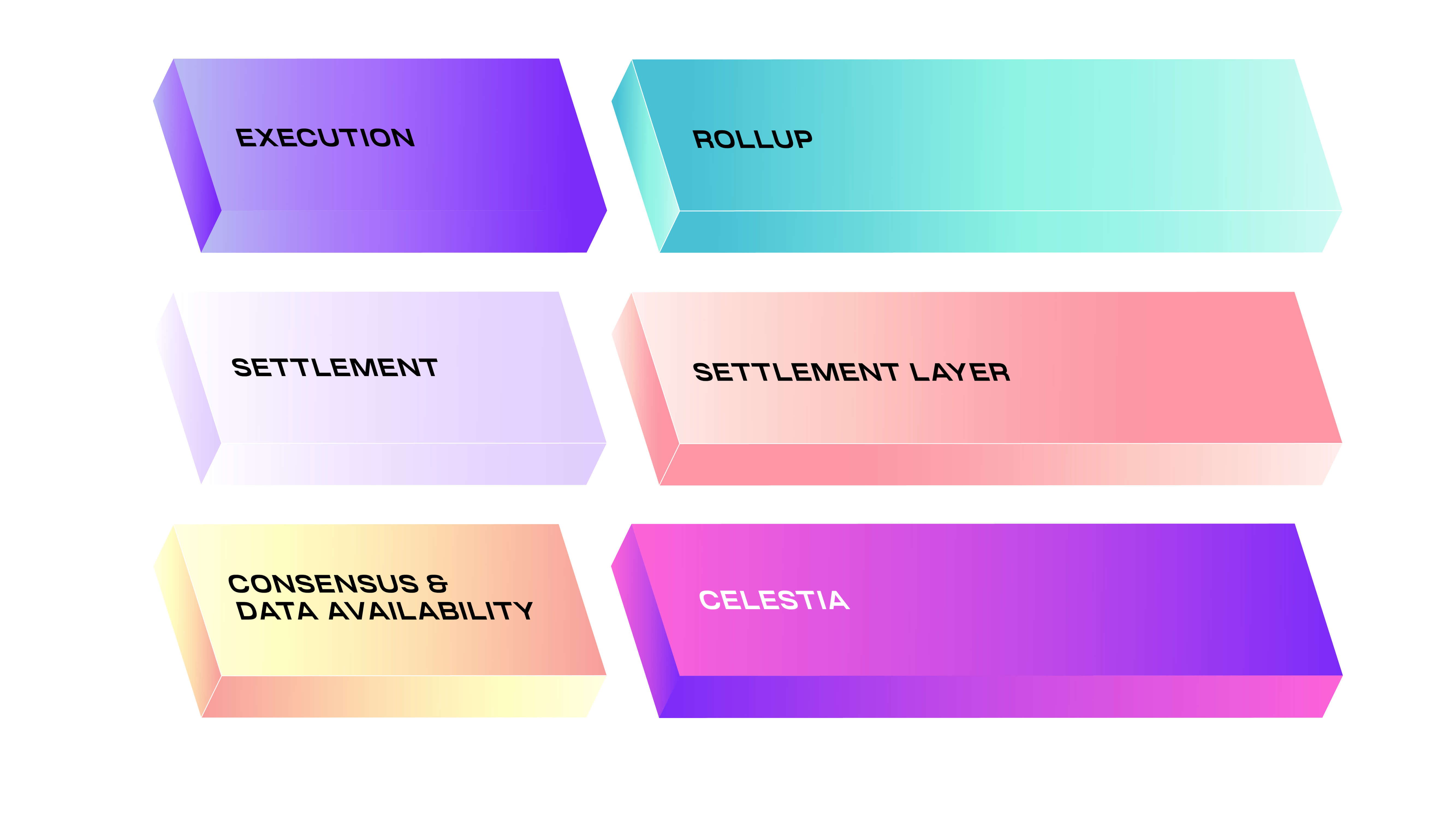
Rollup settlement 2026 shifts finality
In 2026, the architecture of rollup settlement has moved beyond isolated chains. The industry is transitioning toward shared sequencer models, where multiple Layer 2 networks converge on a single execution layer before posting state roots to Ethereum. This shift redefines how liquidity is secured, allowing cross-rollup decentralized exchanges to settle trades without relying on centralized bridging mechanisms or multi-hop transactions.
The move toward shared sequencers addresses the fragmentation that plagued earlier L2 eras. By decoupling sequencing from validity proof generation, operators can batch transactions from different rollups into a single block. This consolidation reduces gas costs and latency, creating a unified settlement environment. For DeFi protocols, this means that liquidity pools are no longer siloed; they can interact across rollups as if they were on a single chain, with finality guaranteed by the underlying validity proofs.
Intent-based settlement layers have emerged as a critical component of this new infrastructure. Projects like Khalani utilize validity-rollup settlement to handle cross-chain intents, where solvers execute transactions off-chain and generate validity proofs of the state transition. This approach ensures that complex, multi-leg trades are settled securely and efficiently, with the validity proof serving as the ultimate source of truth for the network.
The volatility of the underlying settlement asset, Ethereum, remains a key factor in the risk profile of these systems. Market fluctuations can impact the cost of posting proofs and the value of locked collateral, requiring robust risk management strategies for protocols operating in this space.
This structural evolution marks a significant step toward a more cohesive and efficient Layer 2 ecosystem. As shared sequencers and intent-based settlements become more widespread, the distinction between different rollups will continue to blur, creating a more liquid and accessible DeFi landscape.
ZK-rollup vs Optimistic settlement speed
The distinction between ZK-rollups and Optimistic rollups centers on how finality is established and verified. For high-frequency DeFi applications, this technical divergence dictates the latency between transaction execution and immutable settlement. In the context of rollup settlement 2026, the choice between these architectures determines whether a protocol prioritizes immediate certainty or cost efficiency.
Optimistic rollups operate on a presumption of validity. Transactions are batched and posted to the main chain without immediate cryptographic proof. This model allows for lower computational overhead during execution but introduces a mandatory challenge period, typically seven days, during which validators can dispute fraudulent state transitions. This delay creates a window of uncertainty, making immediate liquidity withdrawal or cross-rollup settlement impossible without bridging risks.
Conversely, ZK-rollups generate a validity proof for every batch before it is committed to the main chain. This proof, generated by zero-knowledge cryptography, allows the settlement layer to verify the correctness of thousands of transactions in milliseconds. The result is near-instant finality. For DeFi protocols requiring real-time collateralization and rapid liquidity movement, this speed is not merely a convenience but a structural requirement to mitigate market risk.
The following comparison outlines the core technical tradeoffs between these two settlement models.
| Metric | ZK-Rollup | Optimistic Rollup |
|---|---|---|
| Finality Time | ~15 minutes (L1 block time) | 7 days (challenge period) |
| Proof Generation | Circuit-based (SNARK/STARK) | None (fraud proof only) |
| Security Model | Cryptographic validity | Economic disincentives |
| Cost per Tx | Higher (proof computation) | Lower (no proof overhead) |
Shared Sequencers Enable Cross-Chain Intents
Shared sequencer infrastructure represents a structural shift in how rollup settlement 2026 networks handle liquidity. By decoupling sequencing from execution, these systems allow solvers to aggregate and execute cross-chain intents off-chain before submitting a single validity proof to the base layer. This architecture reduces the friction typically associated with bridging assets between isolated chains.
In this model, solvers act as intermediaries that match opposing intents across different rollups. They execute the necessary state transitions off-chain and generate a validity proof—such as a zk-SNARK or STARK—that attests to the correctness of the entire batch. The base layer then verifies this proof, finalizing the settlement without requiring individual transactions to be processed sequentially on each chain. This approach significantly lowers gas costs and improves capital efficiency for DeFi participants.
The reliance on validity proofs ensures that the integrity of the cross-chain state is maintained without compromising on decentralization. As the ecosystem matures, shared sequencers will likely become the standard for high-frequency trading and complex yield strategies that require immediate finality across multiple environments. This evolution supports a more interconnected and liquid rollup settlement 2026 landscape.
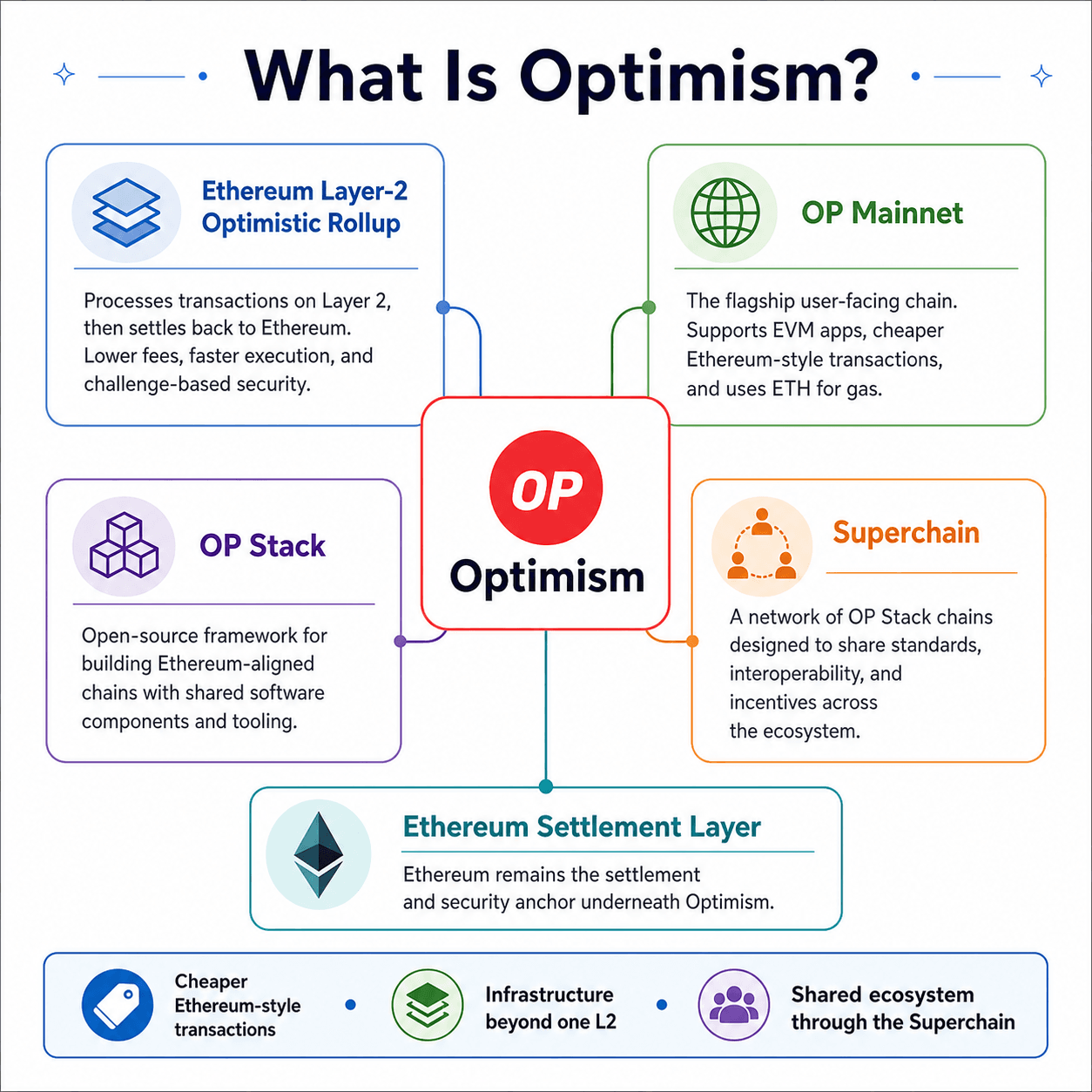
DeFi liquidity trends in 2026
The primary driver of capital efficiency in 2026 is the reduction of withdrawal latency through rollup settlement finality. Traditional Layer 1 withdrawal windows, often lasting days, created significant capital inefficiency for DeFi protocols. Liquidity providers faced heightened risk exposure during these periods, forcing many to hold idle reserves rather than deploying capital into yield-generating strategies.
Improved settlement finality has effectively eliminated this friction. By compressing the time between transaction execution and irrevocable confirmation, protocols can now operate with tighter capital buffers. This shift mirrors the efficiency gains seen in traditional financial settlement systems, where faster finality allows for higher leverage and reduced counterparty risk. The result is a more dynamic market where capital is not locked in transit but actively participating in the ecosystem.
The correlation between settlement speed and liquidity depth is evident in current market data. Protocols that have adopted faster rollup settlement layers report significantly higher total value locked (TVL) stability. This trend suggests that regulatory clarity and technical infrastructure improvements are converging to support a more robust DeFi landscape. As settlement times approach near-instantaneous finality, the cost of capital decreases, enabling more sophisticated financial products to emerge.
This evolution is not merely technical but regulatory in nature. Authorities are increasingly recognizing that faster, more transparent settlement mechanisms reduce systemic risk. Consequently, compliance frameworks are being updated to accommodate these new realities, further encouraging institutional participation. The integration of rollup settlement 2026 standards into mainstream DeFi protocols marks a pivotal shift toward a more efficient and legally compliant financial system.
No comments yet. Be the first to share your thoughts!