
Settle rollups using shared sequencers
Traditional rollup settlement requires each network to post its own data batches to the Layer 1 (L1) sequentially. This creates bottlenecks and high costs because the L1 must process each rollup's data individually. Shared sequencers solve this by aggregating transactions from multiple rollups into a single, unified stream before it reaches the settlement layer.
By routing transactions through a shared sequencer, you eliminate the need for separate L1 postings for every individual rollup. Instead, the sequencer bundles these transactions into larger, more efficient batches. This approach significantly reduces gas fees and increases throughput, allowing for near-instant finality across different rollup networks.
The process begins with users submitting transactions to the shared sequencer. The sequencer orders these transactions and groups them into a single batch. This batch is then posted to the L1 as a single data availability unit. Smart contracts on the L1 verify the batch's consistency and finality, ensuring that all rollups settle securely and efficiently.
Users send their transactions to the shared sequencer instead of directly to the L1. The sequencer accepts these transactions from multiple rollups simultaneously, creating a unified pool of pending activity. This step bypasses the traditional individual rollup posting process, reducing latency and initial costs.
The shared sequencer orders the incoming transactions and groups them into a single, large batch. This aggregation is the core efficiency gain, as it allows the network to process many rollup transactions together. By combining data from different rollups, the sequencer maximizes the data capacity of each L1 block, lowering the cost per transaction for all users.
The sequencer submits the aggregated batch to the Layer 1 settlement layer. This single posting contains the data for all included rollups, along with any necessary proofs of consistency. The L1 verifies the batch's validity and finality, ensuring that all transactions are securely settled. This step completes the settlement process, providing instant finality for all involved rollups.
Verify proofs on the settlement layer
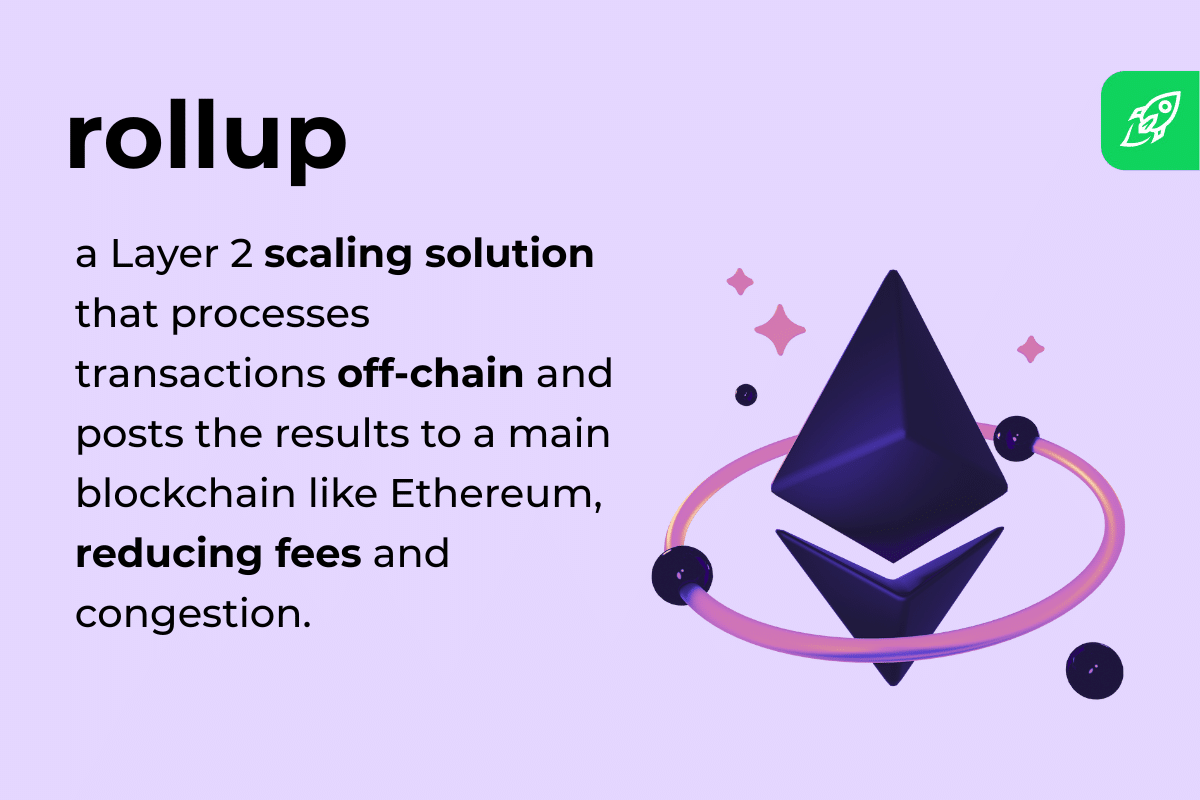
Settlement is the final step in the rollup lifecycle. Before a transaction is considered irreversible, the rollup must prove its state transitions to the Layer 1 blockchain. This process ensures that the L1 remains the ultimate source of truth, securing the rollup’s data and logic without processing every transaction itself.
The verification method depends on the rollup’s architecture. Validity proofs (ZK-rollups) and fraud proofs (Optimistic rollups) serve the same goal: confirming that the off-chain state update is valid according to the L1’s rules. The settlement layer acts as the arbiter, accepting only mathematically verified or uncontested state roots.
Validity proofs (ZK-rollups)
ZK-rollups generate a zero-knowledge validity proof for every batch of transactions. This proof is a cryptographic certificate that attests to the correctness of the state transition. When the rollup submits the batch to the settlement layer, the L1 nodes verify the proof.
Verification is computationally efficient. The L1 does not need to re-execute the transactions; it only checks the mathematical validity of the proof. If the proof is valid, the state root is committed to the L1, and the transactions are considered final. This process typically takes seconds to minutes, depending on L1 block times and proof generation speed.
Fraud proofs (Optimistic rollups)
Optimistic rollups assume transactions are valid by default. They submit state roots to the settlement layer without an accompanying validity proof. This "optimistic" approach allows for faster submission and lower costs, as no complex cryptographic proof is generated.
However, this relies on a challenge period. If a malicious actor or validator detects an invalid state transition, they can submit a fraud proof during the dispute window. The L1 then verifies the fraud proof, which involves re-executing the disputed transactions. If the fraud proof is valid, the invalid state is reverted, and the challenger is rewarded. If no challenge is raised within the window, the state becomes final.
Settlement layer role
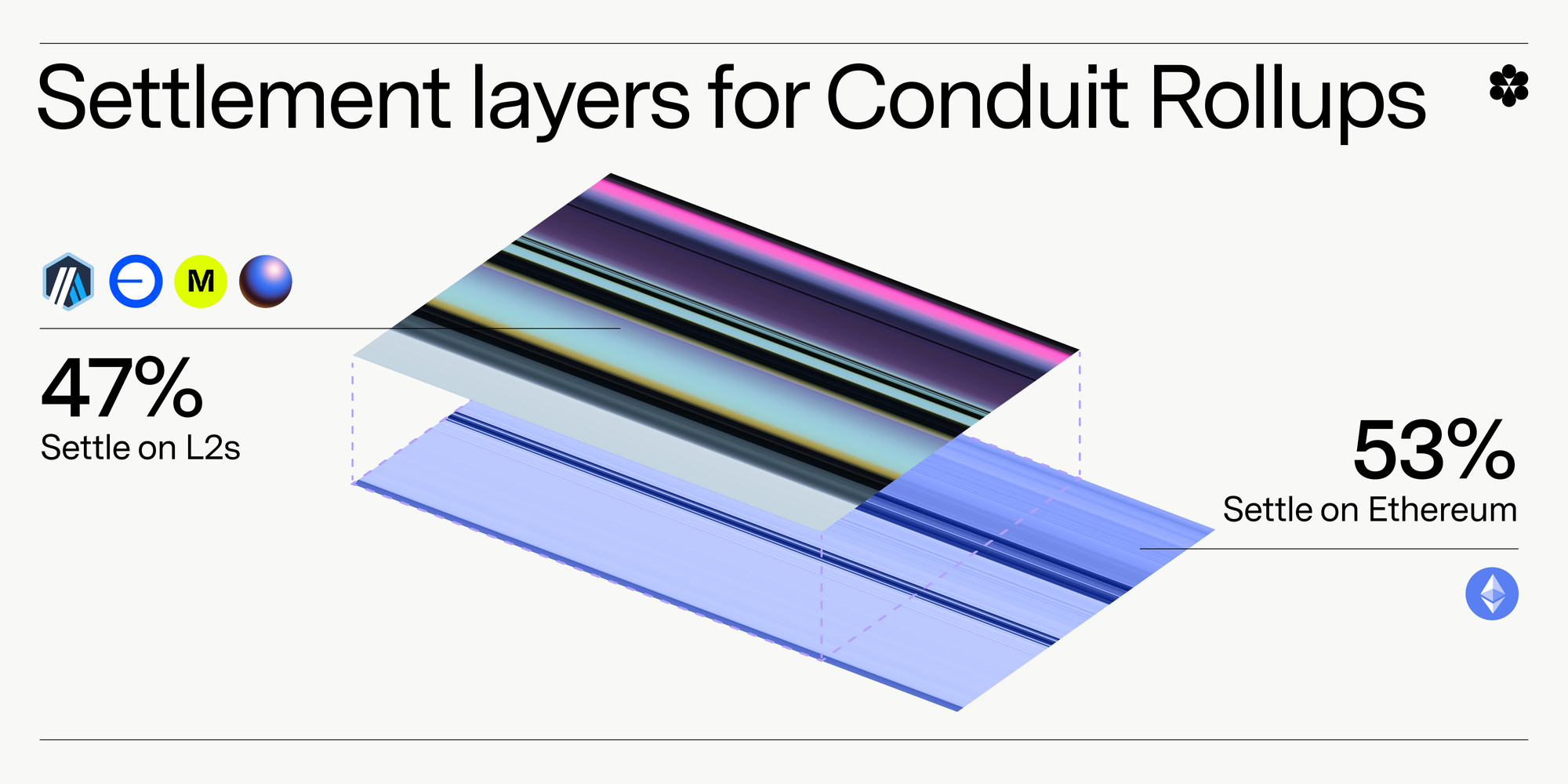
The settlement layer provides three critical functions: proof verification, dispute resolution, and liquidity management. It ensures that only valid state roots are recorded on the L1, preventing fraud and maintaining security. For modular rollups, the settlement layer may also serve as a liquidity hub or bridging mechanism, facilitating asset transfers between the rollup and the broader ecosystem.
Avoid Common Settlement Delays
Instant finality fails when the settlement layer cannot verify the rollup's state. This usually happens because the data required to reconstruct the state is missing, or the proof format does not match the contract's expectations. Treat the settlement transaction as a strict contract: if the inputs are wrong, the execution reverts.
Ensure Data Availability Completeness
The settlement layer only verifies the state root; it does not store the transaction data itself. If the data availability layer (DA) drops packets or if the rollup operator fails to publish the calldata to the DA layer, the state root becomes unverifiable. Nodes cannot reconstruct the state without the full data blob, causing the settlement to stall or fail.
Verify that the data commitment is fully published and accessible before submitting the settlement transaction. Use the DA layer's block explorer to confirm the data is indexed and retrievable. Without this step, the settlement contract cannot validate the Merkle root, breaking the chain of trust.
Validate Proof Formats and Gas
Smart contracts enforcing instant finality require specific proof types, such as zk-SNARKs or STARKs. Submitting a proof that does not match the contract's verification key results in an immediate revert. Additionally, the gas limit must cover the cost of the proof verification algorithm. If the gas limit is too low, the transaction will fail mid-execution.
Check Settlement Layer Congestion
Even with perfect data and valid proofs, settlement can be delayed if the underlying Layer 1 is congested. High gas prices or network latency can push your settlement transaction out of the block queue. Monitor the L1 mempool to ensure your transaction is included in a timely manner. Use gas estimators to set appropriate limits, but always leave a buffer for sudden network spikes.
Check settlement status on L1
Verifying that your transaction is settled on Layer 1 is the final step to achieving instant finality. While the rollup processes the execution, the Layer 1 blockchain provides the security guarantee. You need to confirm that your transaction data has been posted and included in a block on the base layer.
Find the transaction hash (TXID) in your rollup wallet or explorer. This unique identifier is required to track the transaction across both the rollup and the Layer 1 network. Copy this string carefully to avoid errors.
Navigate to the official block explorer for your base layer (e.g., Etherscan for Ethereum). Ensure you are on the correct network, as Layer 1 and Layer 2 explorers are distinct. Paste your transaction hash into the search bar.
Check the transaction details page for confirmation. Look for the "Block Number" and "Confirmations" fields. A high number of confirmations indicates that the transaction is deeply embedded in the blockchain, making it irreversible. If the status shows "Success," your funds are securely settled.
Return to your rollup interface to ensure the status matches. If the rollup shows "Finalized" but the Layer 1 explorer shows pending, wait for the data availability period to complete. Once both layers align, your transaction is fully settled.
A checklist can help ensure you haven't missed any verification steps.
-
Copy the TXID from the rollup wallet
-
Search the TXID on the Layer 1 block explorer
-
Confirm the transaction status is 'Success'
-
Verify the number of confirmations is sufficient
-
Cross-check status with the rollup interface
Rollup settlement FAQs
These answers address common questions about rollup settlement, sidechains, and settlement layers.
What is the difference between sidechain and rollup?
Rollups and sidechains are two powerful tools in the blockchain scalability toolkit. Rollups provide high security by leaning on Layer 1s, while sidechains prioritize speed and cost-effectiveness with independent operations [1].
How does blockchain settlement work?
Modern blockchain-based settlement systems streamline this entire flow. This is done by enabling direct transfers on distributed ledgers, reducing the need for intermediaries and minimizing delays. Transactions can be verified and settled in minutes rather than days, with full transparency and 24/7 availability [2].
What is a settlement layer in modular?
A settlement layer refers to a modular blockchain whose primary role is to provide proof verification and dispute resolution for rollups. A settlement layer may also provide other features for rollups, such as a liquidity source or bridging hub [3].
Can rollups settle without a separate layer?
Uniquely, settlement layers are an optional feature in the modular paradigm as sovereign rollups can use a standalone consensus and data availability layer [4].
No comments yet. Be the first to share your thoughts!