
Rollup settle limits to account for
A rollup settle constraint is the point where an optimistic rollup posts its transaction data and execution state to Ethereum mainnet. This step is the final anchor that guarantees security. Without this settlement on Layer 1, the rollup would be an isolated network with no connection to Ethereum’s consensus.
The constraint lies in the tradeoff between speed and finality. Rollups execute transactions off-chain to keep fees low, but they must wait for the settlement window to close on Ethereum before users can consider funds truly secure. This creates a temporary state where the rollup is functional, but the funds are still in transit to the main chain.
Settlement fees are where the "more active -> lower fees" dynamic comes into play. Because users pay a consolidated fee for both execution and settlement, high volume on the rollup spreads the fixed cost of posting data across many transactions. This is why optimistic rollups can offer significantly lower gas fees than Ethereum directly, provided the settlement layer remains stable.
For most users, the settle constraint is a background process. You pay the fee, and the rollup operator bundles your transactions. The constraint only matters when you are withdrawing funds or relying on the security model during high network congestion. Understanding this helps you manage expectations during peak times.
Rollup settle choices that change the plan
Choosing a rollup settlement layer means balancing security, speed, and cost. Every layer-2 solution inherits Ethereum's security for settlement, but the method of posting data and proving transactions varies significantly. These structural differences directly impact gas fees and user experience. Understanding these tradeoffs helps you select the right architecture for your specific use case.
| Feature | Optimistic Rollups | ZK Rollups | Sovereign Rollups |
|---|---|---|---|
| Security Model | Inherits Ethereum security via fraud proofs | Inherits Ethereum security via validity proofs | Relies on data availability layer, not L1 verification |
| Withdrawal Time | 7-day challenge period | Near-instant after proof verification | Depends on DA layer availability |
| Gas Cost Structure | High L1 data fees, shared by many users | High computation cost, lower L1 data needs | Lowest L1 fees, but independent security |
| Best For | High-throughput DeFi, general-purpose apps | High-fidelity apps, gaming, low-latency needs | Custom chains prioritizing cost over L1 security |
Optimistic rollups are the current standard for many high-value applications. They assume transactions are valid unless proven otherwise. This approach keeps computation costs low on the layer-2 but introduces a seven-day delay for withdrawals. This delay is the price of security. If a malicious actor tries to cheat, users have a week to submit a fraud proof to Ethereum. This model works well for DeFi platforms where users expect near-instant trading but can tolerate delayed withdrawals.
ZK rollups offer a different compromise. They generate cryptographic validity proofs for every batch of transactions. This means withdrawals can happen almost immediately because the proof itself guarantees correctness. However, generating these proofs requires significant computational power. This cost is passed on as higher gas fees for transaction execution, though data availability costs are often lower. ZK rollups are ideal for applications where speed and finality matter more than the lowest possible execution cost.
Sovereign rollups take a more radical approach. They post data to a separate availability layer, like Celestia, rather than Ethereum's main chain. This drastically reduces costs because they don't pay for L1 security or verification. The tradeoff is that they do not inherit Ethereum's security directly. If the data layer fails or is censored, the rollup can stop. This model suits experimental projects or high-volume micro-transactions where cost is the primary constraint.
The decision comes down to your priority. If you need the strongest security guarantee and can accept slower withdrawals, an optimistic rollup is the safe choice. If you need instant finality and can absorb higher computation costs, a ZK rollup is better. For projects where cost is the only metric, a sovereign rollup offers the cheapest path, though with reduced security guarantees.
How to choose the right optimistic rollup
Optimistic rollups reduce gas fees by batching transactions on Layer 2 and posting compressed data to Ethereum. This shared settlement model spreads L1 costs across thousands of users, but it introduces a tradeoff: lower fees come with longer withdrawal times while users wait for the seven-day fraud-proof window to close. Choosing the right rollup depends on whether you value speed, cost, or ecosystem access.
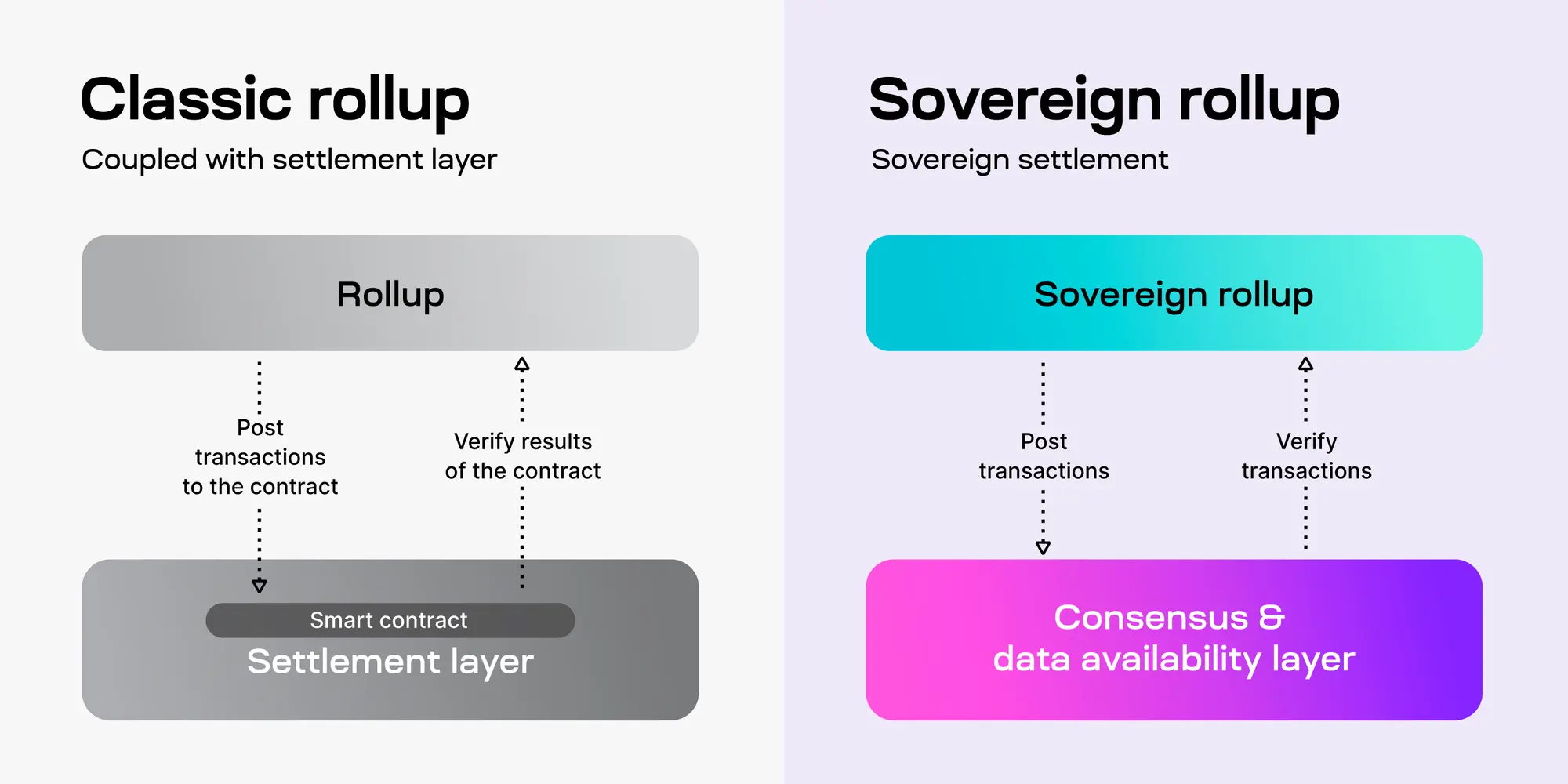
Rollup pricing is not fixed. Most optimistic rollups charge a base fee that fluctuates with Ethereum L1 gas prices, plus a variable L2 execution fee. During high L1 congestion, L2 fees rise, but they remain a fraction of mainnet costs. Compare the current base fee on your target rollup against L1 to see the actual savings.
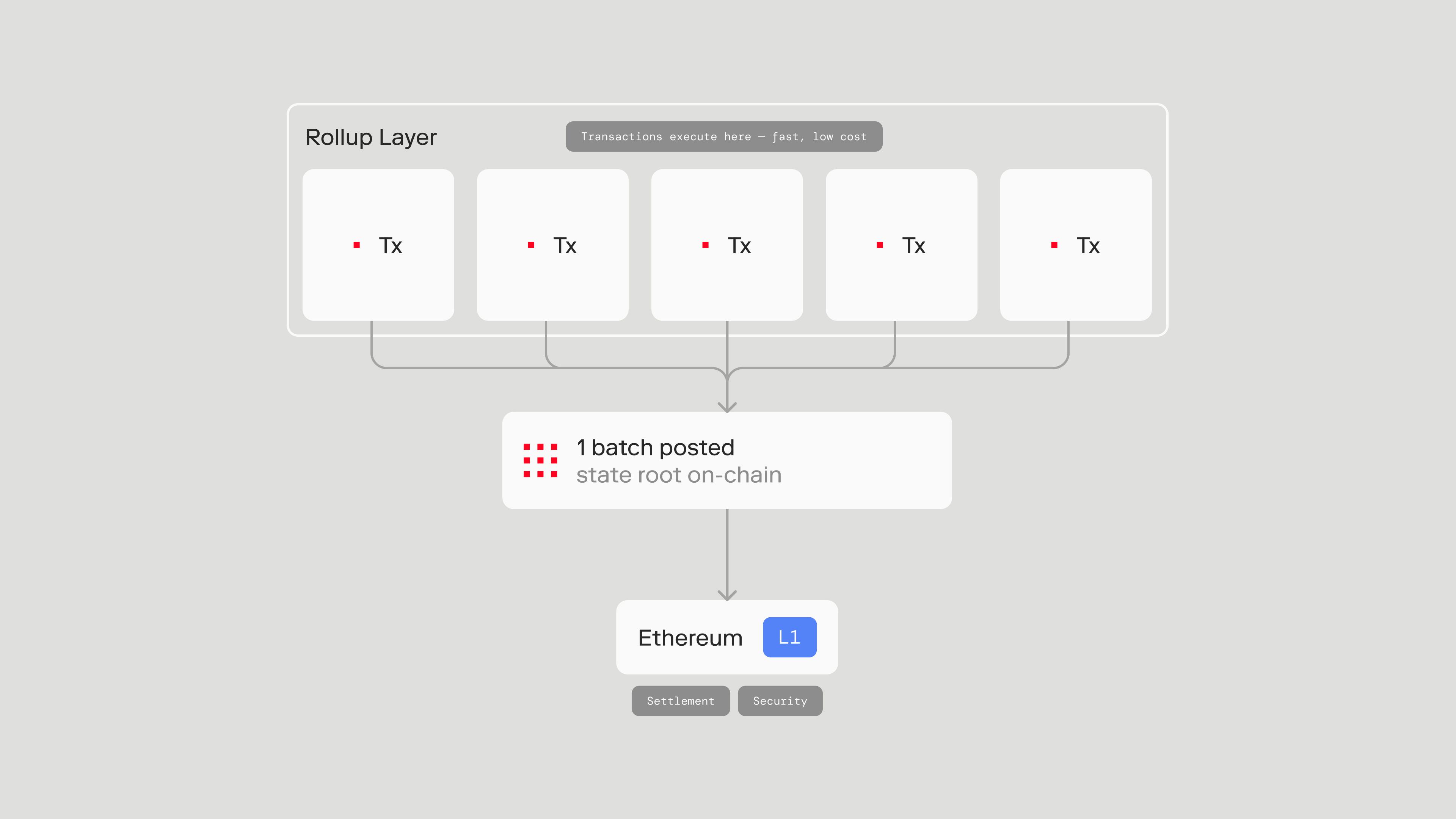
The security model of optimistic rollups requires a seven-day challenge period for withdrawals to Ethereum. If you need fast access to your funds, this delay is a significant constraint. Consider whether the rollup offers an off-chain bridge for instant withdrawals, understanding that these often carry higher fees or additional risk compared to on-chain settlement.

Not all rollups support the same smart contracts or decentralized applications. Some prioritize EVM compatibility for broad developer support, while others optimize for specific high-throughput use cases like gaming or DeFi. Check if your preferred dApps are already deployed on the rollup before committing funds.
| Feature | Rollup A | Rollup B |
|---|---|---|
| Withdrawal Time | 7 days | 7 days |
| Gas Cost | Low | Low |
| EVM Support | Full | Partial |
Watch out for weak rollup options
Not every "rollup" label guarantees lower gas fees. Several projects use the term loosely, offering execution off-chain without the settlement security that drives actual cost efficiency. When evaluating L2s, distinguish between genuine optimistic rollups and weaker hybrid models that still rely heavily on expensive L1 data availability.
Beware of projects claiming "zero fees" or near-zero costs. These often shift costs to users via hidden bridging fees, inflated gas prices on the L2 itself, or reduced finality times. A true rollup reduces fees by batching transactions and posting compressed data to Ethereum. If the data posting cost remains high, your fees will not drop significantly.
Also, check the sequencer model. Centralized sequencers can censor transactions or fail, forcing users to wait for L1 fallbacks. Decentralized sequencing is slower but more resilient. Ensure the rollup you choose has a clear dispute mechanism and a reliable way to handle transaction ordering without sacrificing speed or cost.
Rollup settle: common: what to check next
Optimistic rollups lower L2 gas fees by batching transactions on a secondary layer and settling the final state on Ethereum. This approach shifts the heavy lifting off the main chain while preserving its security guarantees.
No comments yet. Be the first to share your thoughts!