
Rollup settle limits to account for
Use this section to make the Rollup Settle decision easier to compare in real life, not just on paper. Start with the reader's actual constraint, then separate must-have requirements from details that are merely nice to have. A practical choice should survive normal use, maintenance, timing, and budget. If a recommendation only works in an ideal situation, call that out plainly and give the reader a fallback path.
The simplest way to use this section is to write down the must-have criteria first, then compare each option against those criteria before weighing nice-to-have features.
Rollup settle choices that change the plan
Use this section to make the Rollup Settle decision easier to compare in real life, not just on paper. Start with the reader's actual constraint, then separate must-have requirements from details that are merely nice to have. A practical choice should survive normal use, maintenance, timing, and budget. If a recommendation only works in an ideal situation, call that out plainly and give the reader a fallback path.
| Factor | What to check | Why it matters |
|---|---|---|
| Fit | Match the option to the primary use case. | A good deal still fails if it does not fit the job. |
| Condition | Verify age, wear, and service history. | Hidden condition issues erase upfront savings. |
| Cost | Compare purchase price with likely upkeep. | The cheapest option is not always the lowest-cost option. |
Choose the next step: Optimistic or ZK rollup settle
The choice between Optimistic and ZK rollups comes down to how you value security versus speed. Optimistic rollups assume transactions are valid until proven otherwise, offering lower fees but requiring a 7-day dispute window before funds are fully settled on Layer 1. ZK rollups use zero-knowledge proofs to verify validity instantly, providing immediate finality at a higher computational cost.
For most users and developers, the decision hinges on whether you prioritize low transaction costs or guaranteed, instant settlement. If your application can tolerate a delay for withdrawals, Optimistic rollups remain the cheaper, more established option. If your use case demands instant finality—such as high-frequency trading or time-sensitive DeFi operations—ZK rollups are the superior choice despite higher gas fees.
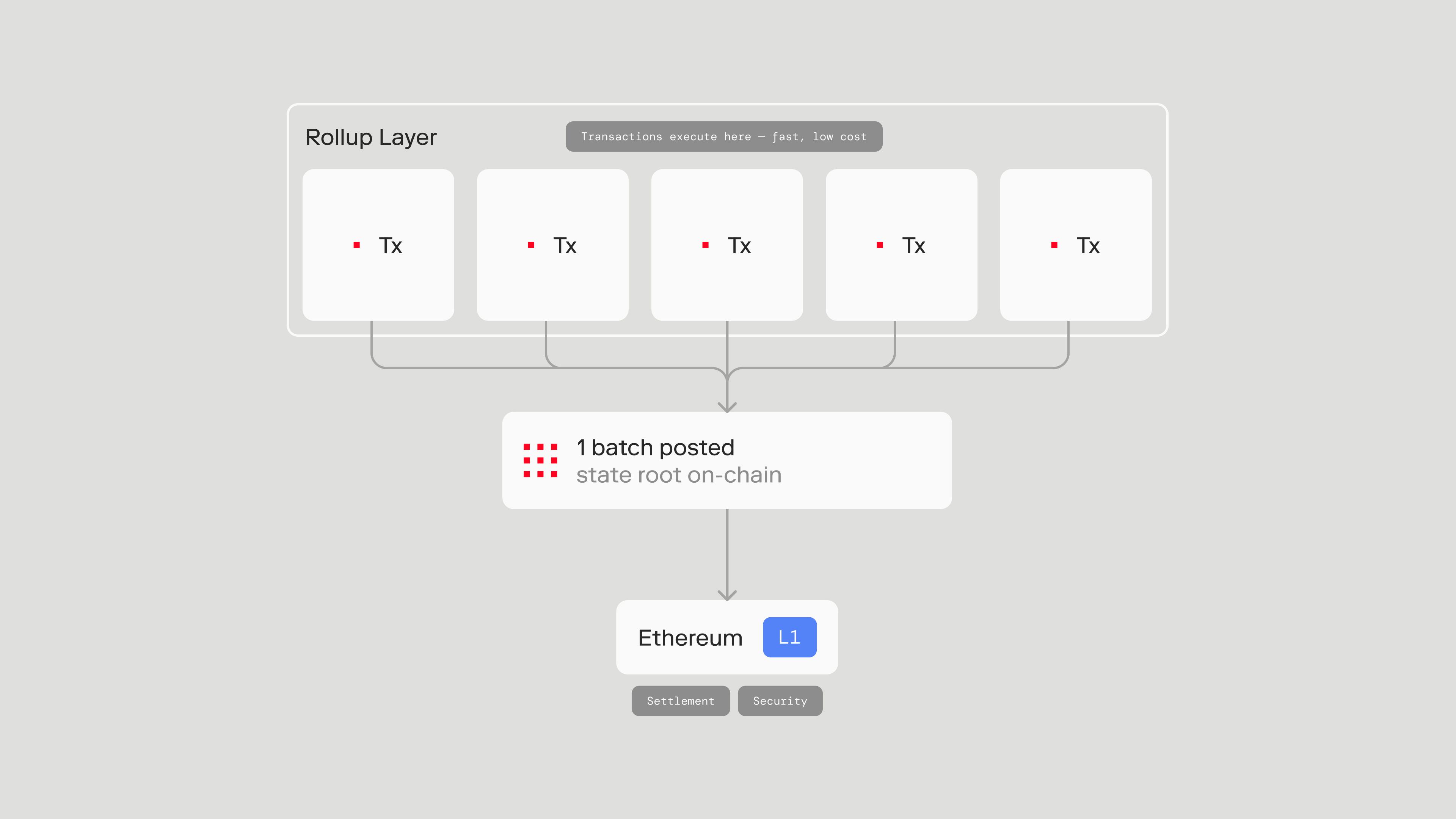
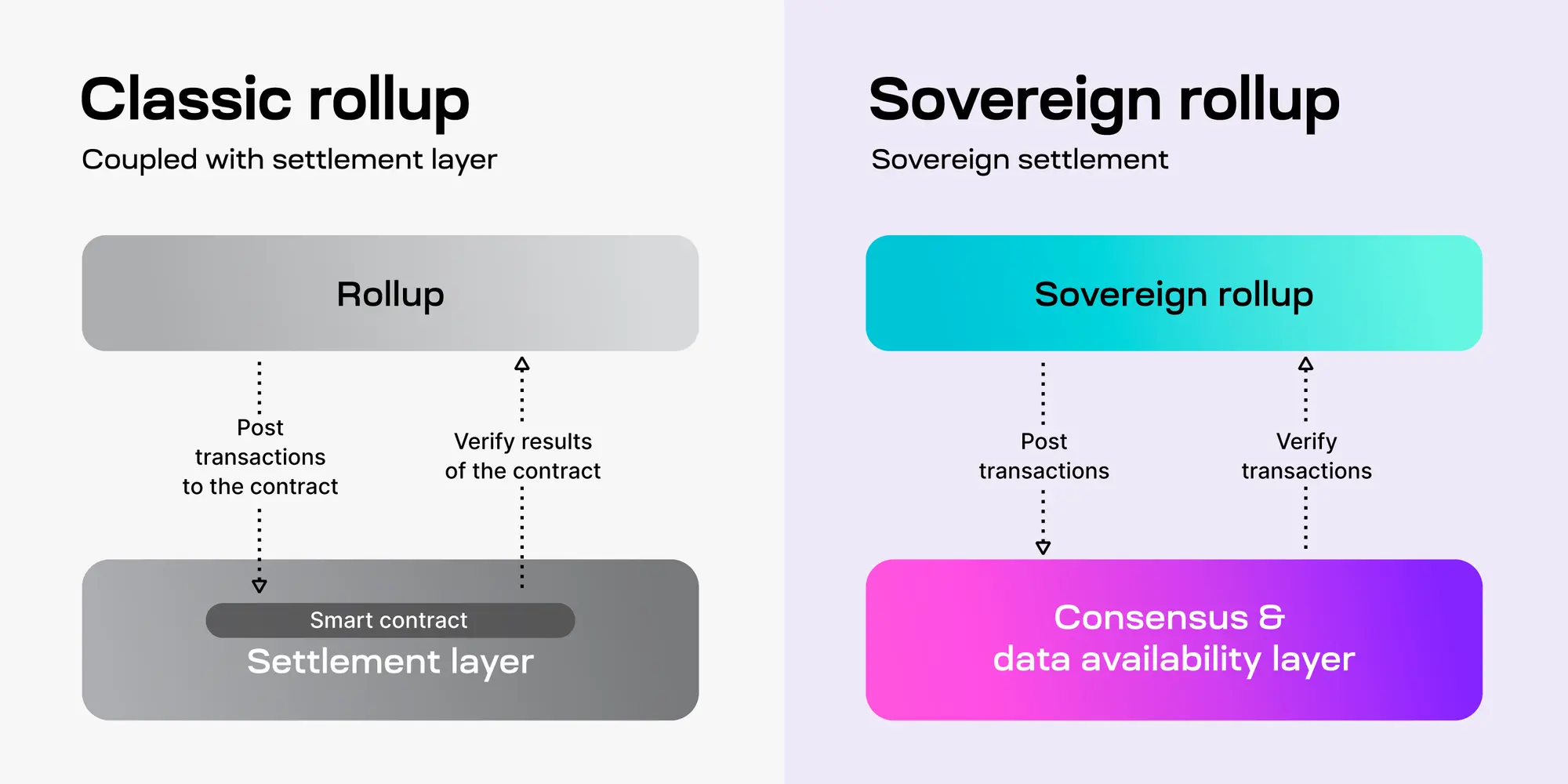
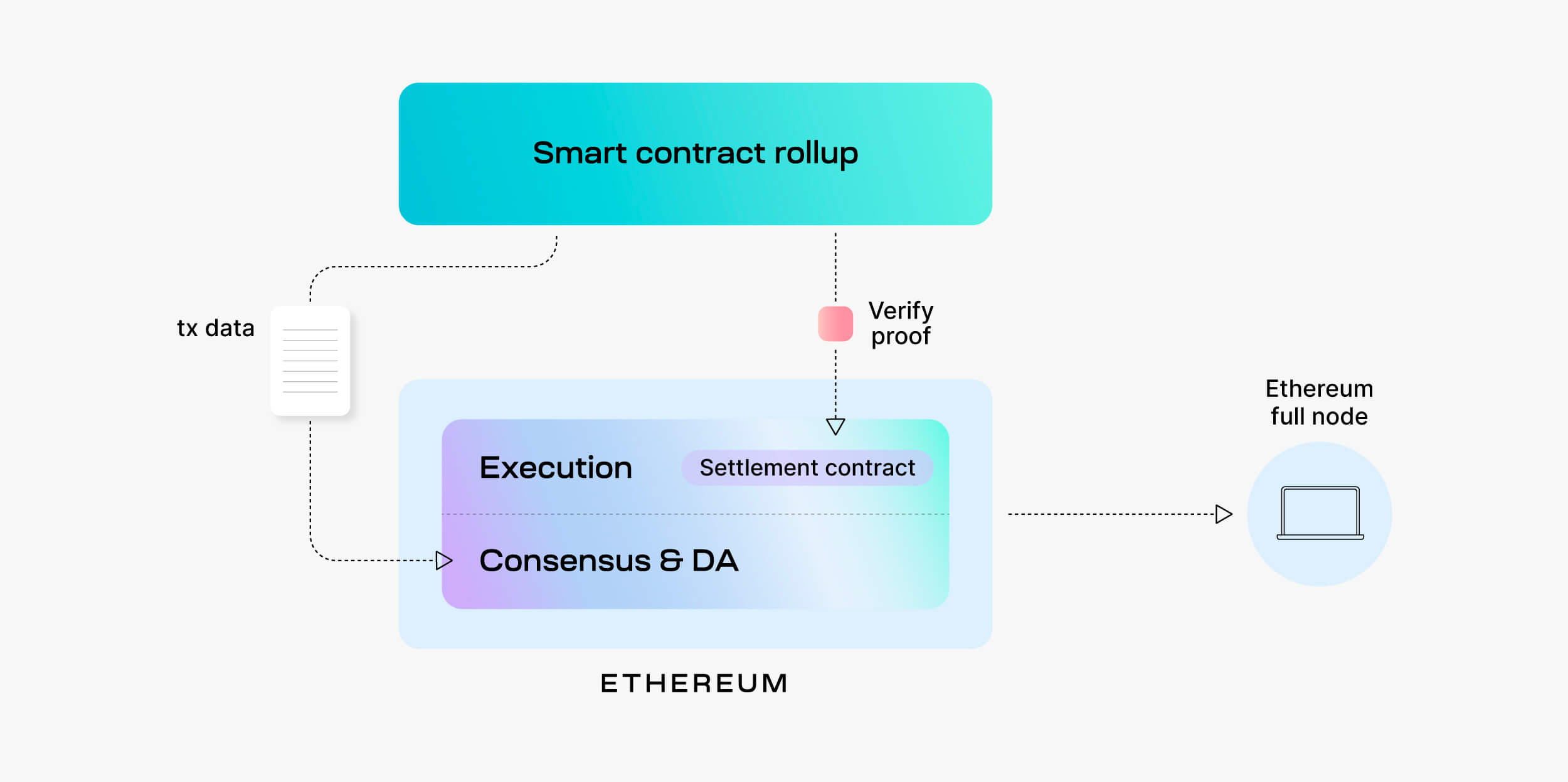
| Feature | Optimistic | ZK Rollup |
|---|---|---|
| Finality Time | 7 days | Instant |
| Transaction Cost | Lower | Higher |
| Security Model | Fraud Proofs | Validity Proofs |
| Best For | Storage, Low-Freq DeFi | Trading, High-Freq DeFi |
The rollup landscape is shifting rapidly as ZK technology matures. While Optimistic rollups currently dominate in terms of adoption and lower fees, ZK rollups are closing the gap. For 2026, the trend points toward ZK becoming the standard for high-throughput applications, while Optimistic rollups remain viable for simpler, cost-sensitive use cases.
Watch out for weak rollup options in 2026
Not all rollups offer the same security or speed. Some projects market themselves as "Ethereum-compatible" while relying on weak sequencers or outdated proof systems. This section highlights the traps that can delay finality or increase costs.
The sequencer bottleneck
Many optimistic rollups centralize transaction ordering in a single sequencer. If that sequencer goes offline or censors transactions, users are stuck. Check if the protocol has a decentralized sequencer network or a clear fallback mechanism to L1 for dispute resolution. Without it, you are trusting a single point of failure.
ZK proof delays
Zero-knowledge rollups promise instant finality, but generating proofs takes time. Some projects delay proof submission to save costs, creating a "finality gap" where transactions are pending for hours. Look for protocols with real-time proof generation and verified on-chain settlement. If the proof delay exceeds the block time, the speed benefit vanishes.
Hidden data availability costs
Rollups settle on Ethereum, but data availability (DA) can be expensive. Some projects use cheap, centralized DA layers that compromise security. Ensure the rollup posts calldata or blobs directly to Ethereum mainnet. If DA is offloaded to a separate chain, you risk losing Ethereum’s security guarantees during a network stress event.
No comments yet. Be the first to share your thoughts!