
The rollup settle limits to account for
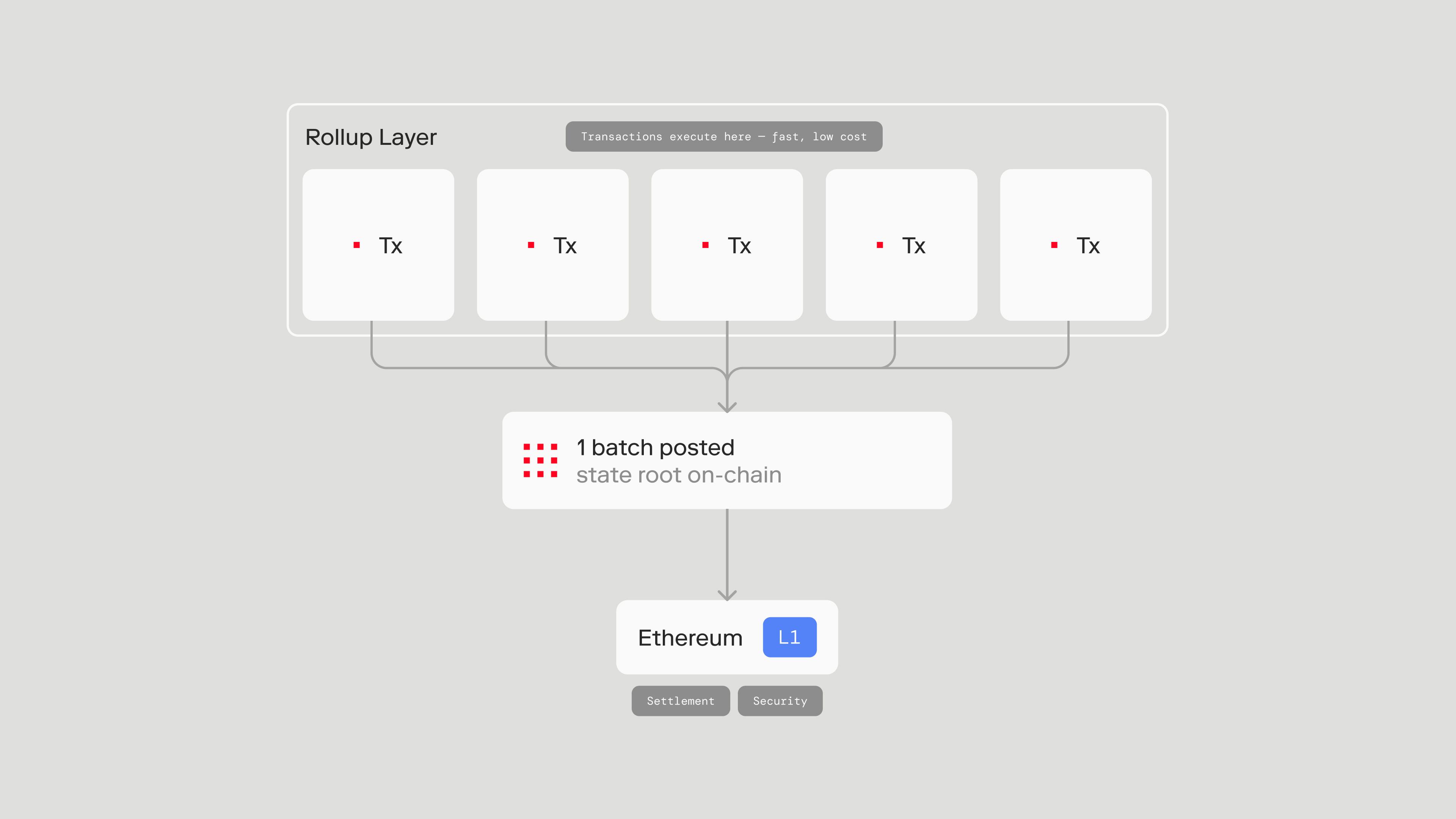
A rollup settle constraint is the bottleneck where Layer 2 transactions become final on Layer 1. Rollups process transactions off-chain to save costs, but they must post data and proofs back to Ethereum’s main chain to inherit its security. This settlement step is the hard limit on throughput and cost, not the execution layer itself.
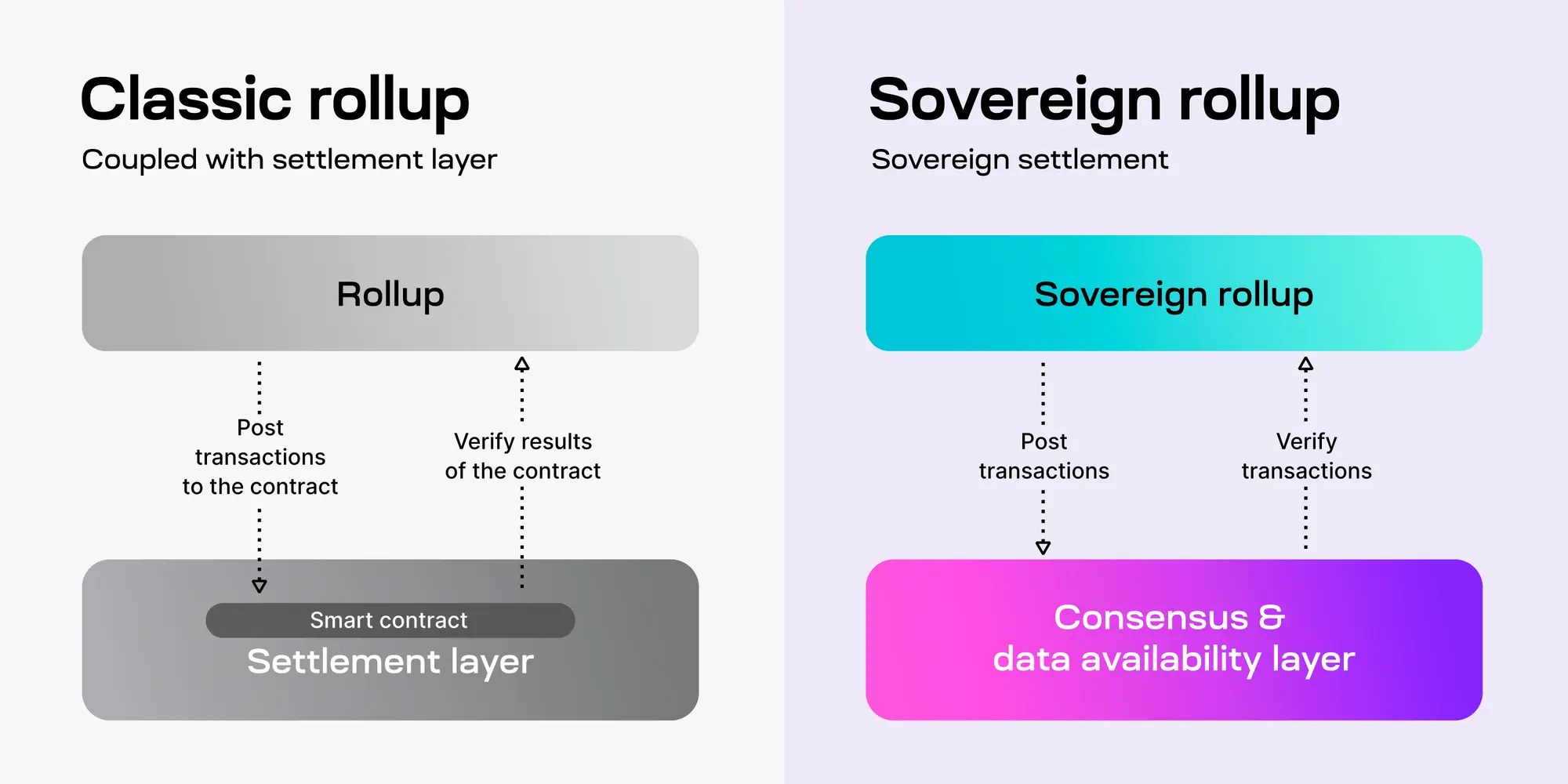
The settlement layer acts as the final arbiter. It verifies fraud proofs for optimistic rollups or validity proofs for ZK rollups. Once the data is posted, the state is immutable. This constraint forces rollups to batch transactions efficiently. More active rollups can spread these fixed settlement fees across more users, lowering the cost per transaction.
This differs fundamentally from sidechains. Sidechains operate independently with their own security models, while rollups lean entirely on the base layer. For cross-chain liquidity, this means rollups offer stronger guarantees but face higher latency and data availability challenges than isolated chains. The settle constraint is the price you pay for Ethereum-level security.
Rollup settle choices that change the plan
Choosing a settlement layer is not just about picking a chain; it is about deciding where you want your security and data costs to live. Every rollup architecture forces a tradeoff between finality speed, execution flexibility, and the price of anchoring to Layer 1. Understanding these concrete factors helps you match the right rollup to your specific liquidity needs.
Security and Finality
The most critical decision is how quickly users can trust a transaction. Optimistic rollups assume transactions are valid unless proven otherwise, introducing a seven-day challenge period before funds are truly finalized on Ethereum. This delay is a significant friction point for cross-chain liquidity, as users cannot access their funds immediately after bridging. ZK rollups, by contrast, generate cryptographic proofs that are verified on-chain in seconds. This near-instant finality makes ZK rollups far more suitable for applications requiring rapid capital turnover, though the computational cost of generating these proofs can be higher for the operator.
Data Availability and Costs
Where you store your transaction data directly impacts your gas fees. Most rollups publish compressed data blobs to Ethereum, inheriting its security but also its congestion. When Ethereum is busy, the cost of posting this data spikes, which is passed directly to users in the form of higher transaction fees. Newer architectures, such as sovereign rollups using modular data availability layers like Celestia, decouple storage from settlement. This can drastically reduce costs, but it shifts the security burden away from Ethereum’s robust validator set, requiring users to trust the availability of the separate data layer.
Execution Environment
Not all rollups support the same smart contract languages. Most EVM-compatible rollups (like Arbitrum and Optimism) allow developers to deploy existing Ethereum dApps with minimal changes, offering a familiar environment for users. However, this compatibility comes with the overhead of the EVM. Non-EVM rollups, such as those using zkSync or Starknet, often offer higher throughput and lower fees but require developers to use different programming languages like Cairo or Solidity variants. This fragmentation can limit liquidity pools, as users must bridge assets across incompatible ecosystems.
| Feature | Optimistic Rollup | ZK Rollup | Sovereign Rollup |
|---|---|---|---|
| Finality Time | ~7 days | Seconds to minutes | Depends on DA layer |
| Security Model | Inherits L1 security | Inherits L1 security | Depends on DA layer |
| Transaction Cost | Low to Medium | Low | Very Low |
| EVM Compatibility | High | Variable | Variable |
| Feature | Optimistic | ZK | Sovereign |
|---|---|---|---|
| Finality Time | ~7 days | Seconds to minutes | Depends on DA layer |
| Security Model | Inherits L1 | Inherits L1 | Depends on DA |
| Transaction Cost | Low-Medium | Low | Very Low |
| EVM Compat | High | Variable | Variable |
Choosing the Right Fit
If your primary goal is maximizing liquidity depth and user base, an EVM-compatible optimistic rollup is often the safest bet due to its established ecosystem and immediate compatibility with existing wallets and dApps. However, if your application relies on high-frequency trading or real-time settlement, the seven-day delay of optimistic rollups is a dealbreaker, making ZK rollups the superior choice despite their current complexity. For projects prioritizing extreme cost efficiency and custom execution environments, sovereign rollups offer a compelling path, provided the team is willing to manage the additional security tradeoffs.
Choose the next step
Rollup Settle works best as a clear sequence: define the constraint, compare the realistic options, test the tradeoff, and choose the path with the fewest hidden costs. That order keeps the advice usable instead of decorative. After each step, pause long enough to check whether the recommendation still fits the reader's actual situation. If it depends on perfect timing, unusual access, or a best-case budget, include a simpler fallback.
Watchouts: Misleading Claims and Weak Options
Rollup narratives often obscure the tradeoffs between security and throughput. Before committing capital, verify the settlement layer’s actual finality guarantees rather than relying on marketing terms. The following pitfalls commonly mislead users evaluating cross-chain liquidity.
Claiming "Instant Finality" Without Dispute Windows
Many optimistic rollups advertise near-instant transaction speeds but hide the seven-day challenge period required for dispute resolution. This delay means withdrawals are not truly final until the window closes. Users moving large sums during high volatility face significant risk if a fraud proof is submitted late. Always check the specific dispute window for the rollup in question.
Confusing Sidechains with Rollups
Sidechains operate with independent validator sets, meaning they do not inherit the base layer’s security. A hack on a sidechain does not trigger a response on the main chain. Rollups, by contrast, post data to Layer 1, ensuring that Ethereum’s security model protects the assets. Treat sidechains as separate ecosystems with distinct risk profiles, not as secure extensions of the main network.
Ignoring Data Availability Costs
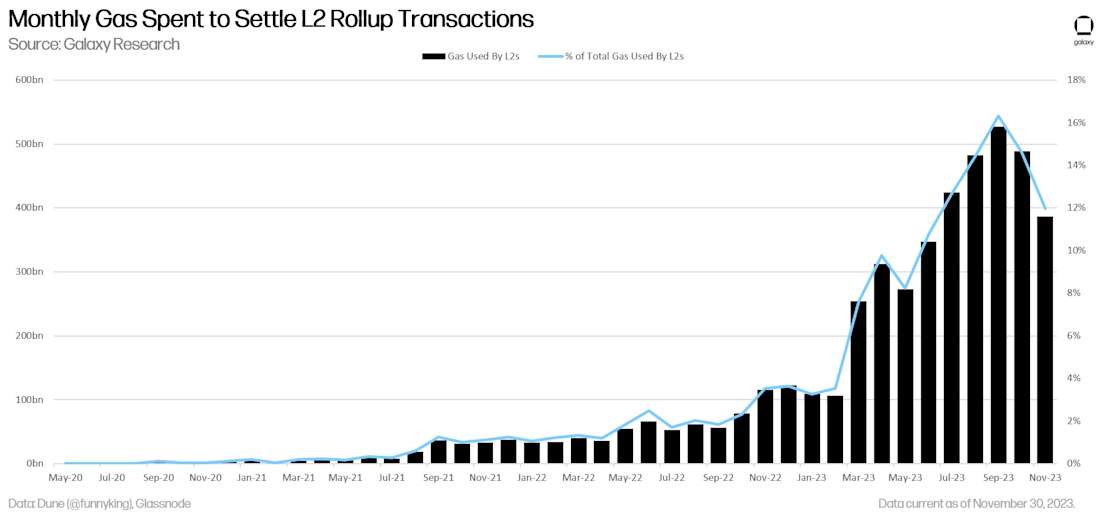
Some projects minimize the cost of posting transaction data to Layer 1, assuming fees will always remain low. However, data availability is the primary expense for rollups. If Layer 1 gas spikes, rollup fees can surge, making small transactions economically unviable. Evaluate the underlying data availability layer’s pricing model to understand long-term cost sustainability.
Rollup settle: what to check next
What does rollup mean in crypto?
A rollup is a Layer 2 scaling system that processes transactions off the main Ethereum chain. It bundles these transactions into a compressed batch and posts a summary, along with validity proofs or fraud challenges, back to Layer 1. This architecture allows rollups to inherit Ethereum’s security guarantees while delivering significantly higher throughput than the base layer can support alone.
What is a settlement layer?
The settlement layer is the foundational blockchain (usually Ethereum L1) that finalizes transactions and resolves disputes. It serves as the ultimate source of truth for rollups, handling proof verification and providing a central hub for cross-rollup liquidity. By anchoring data availability here, rollups ensure that no single sequencer can fraudulently alter the state without detection.
How does a rollup work?
Rollups operate by moving the computational heavy lifting off-chain. Users send transactions to a sequencer, which executes them and updates the internal state. Periodically, the sequencer submits a compressed batch of this data to the settlement layer. Optimistic rollups assume validity by default but allow a challenge window for fraud proofs, while ZK rollups submit cryptographic proofs that are instantly verified on-chain.
What is the difference between a sidechain and a rollup?
The primary difference lies in security. Sidechains operate independently with their own validator sets and consensus mechanisms, meaning they do not inherit the security of the main chain. Rollups, by contrast, rely on the main chain for data availability and finality. This makes rollups significantly more secure, as attacking the rollup requires attacking the underlying Layer 1 network.
No comments yet. Be the first to share your thoughts!