
Pick the right rollup architecture
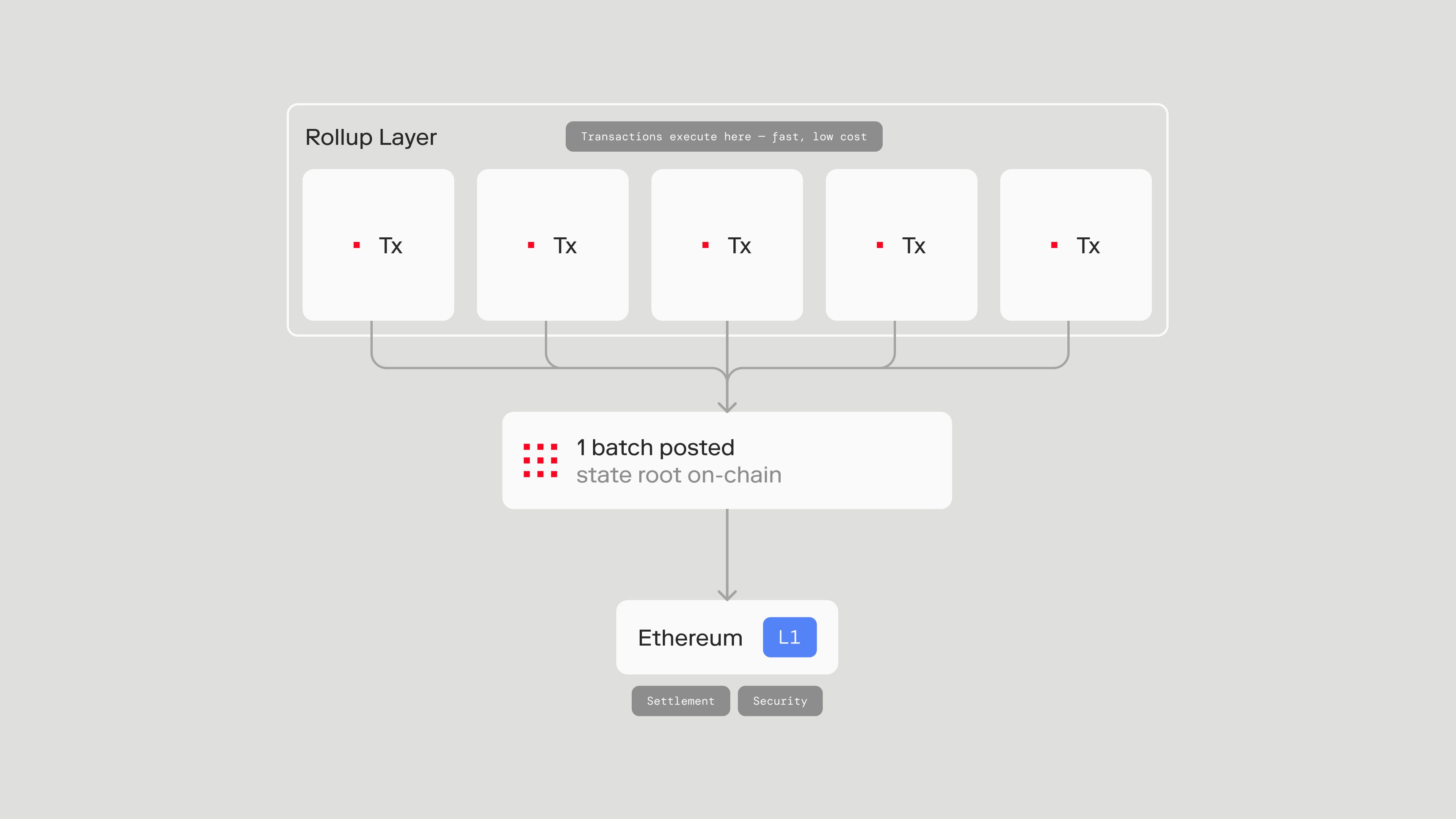
Choosing between an optimistic rollup and a zero-knowledge (ZK) rollup is the first step in optimizing your settlement strategy. Both architectures batch transactions off-chain and post data to Ethereum L1, inheriting its security. The difference lies in how they prove validity and how long you wait for finality.
| Feature | Optimistic Rollup | ZK Rollup |
|---|---|---|
| Validity Proof | Fraud proof (dispute) | Validity proof (ZK-SNARK/STARK) |
| Finality Time | 7 days (challenge period) | Minutes (proof verification) |
| Security Model | Economic security via bonds | Cryptographic security |
| Typical Gas Cost | Lower (no proof generation) |
Optimistic rollups assume transactions are valid unless proven otherwise. This design simplifies execution but requires a seven-day challenge period for disputes. During this window, your funds are not fully settled or withdrawable on L1. This model keeps gas costs lower because it avoids the computational expense of generating complex proofs for every batch.
ZK rollups generate a cryptographic proof that the state transition is correct before submitting it to Ethereum. Once the proof verifies on L1, finality is immediate. This speed comes at the cost of higher computational overhead for proof generation, which can impact transaction throughput and fees depending on the specific ZK circuit implementation.
Your choice depends on your tolerance for latency versus cost. If your application requires instant withdrawals and strict finality guarantees, a ZK rollup is the standard. If your users prioritize low transaction fees and you can accommodate a delay in withdrawal finality, an optimistic rollup may offer better economic efficiency for your specific use case.
Execute the settlement transaction
Settling a rollup means broadcasting the batch of compressed transactions to the Ethereum mainnet. This step anchors the Layer 2 activity to the primary blockchain, ensuring that the state updates are permanent and censorship-resistant. The process relies on the sequencer to aggregate user actions and the L1 anchor to verify them.
1. Finalize the transaction batch
Before you can settle, the rollup operator (sequencer) must collect your transaction and include it in a batch. This batch contains the state root and calldata. The sequencer processes these off-chain to keep fees low, but the data must be preserved for verification. If you are a user, your interaction is complete once you see the transaction confirmed by the sequencer. For developers or operators, this involves preparing the calldata blob or encoded transaction data.
2. Submit the batch to the L1 contract
The core action is submitting the batch data to the rollup’s settlement contract on Ethereum. This contract acts as the truth source. When you submit, you are publishing the new state root. The contract records this root, making it the official history of the Layer 2. This step is where the "rollup" aspect becomes permanent; the data is now on-chain, secured by Ethereum’s consensus.
3. Cover the L1 gas costs
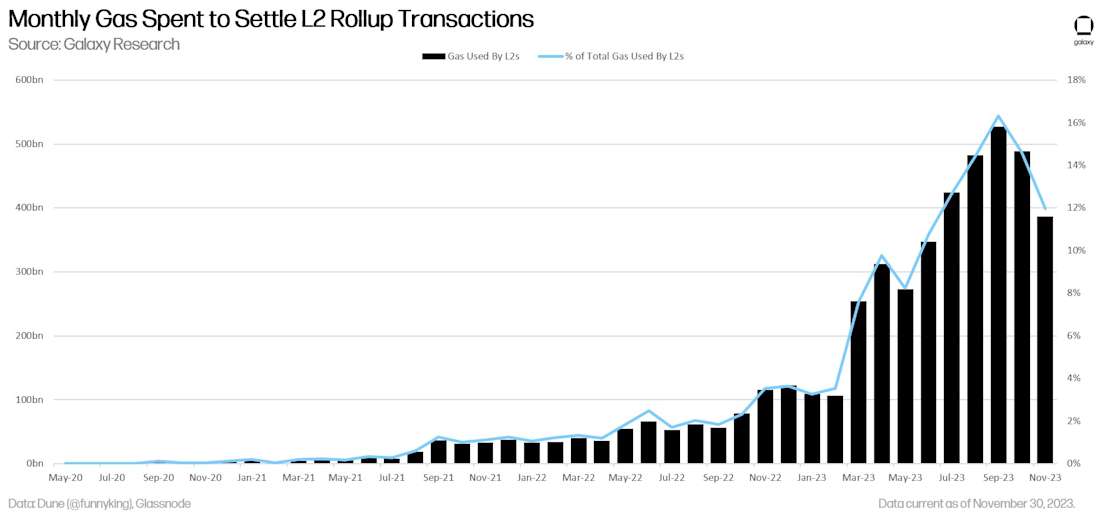
Settlement requires paying gas fees on Ethereum. These costs are typically derived from the L2 user fees but are paid by the operator or relayer submitting the batch. The fee depends on the current gas price and the size of the calldata. Optimizing this cost is critical for maintaining low fees for end-users. If gas prices spike, the operator may delay settlement or adjust the batch size to remain profitable.
4. Wait for L1 confirmation
After submission, the transaction must be included in an Ethereum block. This waiting period is the settlement latency. During this time, the state is pending. Once the block is confirmed, the state root is immutable. For zk-rollups, a validity proof might be submitted alongside the data, allowing for instant finality verification. For optimistic rollups, users must wait through the challenge period (typically 7 days) to ensure no fraud proofs are submitted.
5. Verify the state on L1
Final verification involves checking that the submitted state root matches the expected outcome. Users can verify this by inspecting the Ethereum block explorer. The bridge contracts use this accepted state to settle deposits and withdrawals. Once verified, assets on the Layer 2 are fully backed and redeemable on Ethereum. This step closes the loop, ensuring that the Layer 2 activity is securely anchored to the base layer.
Reduce gas fees with EIP-4844
Before EIP-4844, the primary cost for any rollup was posting transaction data to Ethereum’s mainnet. This data availability layer was expensive because it used standard calldata, which the network charged a premium to store permanently. Proto-danksharding, known technically as EIP-4844, introduced a new transaction type called "blobs" specifically designed to hold this heavy data off the main execution layer.
Blobs are temporary data structures that rollups use to commit their transaction batches to L1. Unlike calldata, blobs are cheaper to store because they are only required to remain available for a short window—approximately 18 days—before they are pruned from the network. This temporary nature drastically reduces the computational overhead and storage costs for validators, passing those savings directly to rollup operators.
The impact on settlement fees has been immediate and significant. Rollup operators can now post large batches of data for a fraction of the previous cost. This reduction in the base layer fee allows rollups to lower their own service fees for end-users while maintaining healthy margins for sequencers and data availability providers.
To optimize your settlement strategy, ensure your rollup infrastructure is configured to use blob transactions. Most major rollup stacks, including OP Stack and ZK Stack, have updated their clients to default to blobs for data posting. By leveraging this infrastructure, you shift the bulk of your gas expenditure from permanent L1 storage to cheaper, temporary blob storage.
Verify finality and avoid delays
A transaction is not truly settled until it is on Ethereum L1. This distinction matters most when you are moving significant value or interacting with high-stakes DeFi protocols. Many users confuse L2 confirmation with L1 finality, assuming that seeing a "success" message on Arbitrum or Optimism means the funds are immutable.
To ensure your transaction is irreversible, you must verify two things: the L2 block inclusion and the L1 state commitment.
- Check the L2 block number. Confirm that the transaction is included in a recent block on the respective layer (e.g., Optimism or Arbitrum).
- Verify the L1 state root. For zk-rollups, this happens automatically as proofs are verified. For optimistic rollups, you must wait for the challenge period to expire (typically 7 days) or check if the state root has been posted to the settlement layer.
Refer to the official rollup documentation for your specific chain to understand the exact finality timeline. For example, Optimism’s blog explains how bridge contracts use the accepted state on Ethereum to settle deposits and withdrawals. Once Ethereum accepts the state, your withdrawal is final.
If you are withdrawing to L1, always check the L1 transaction hash. A successful L1 transaction confirms that your funds have been released from the rollup bridge and are now native to Ethereum. This is the only point of no return.
Common rollup settlement mistakes
Even with optimized L2 fees, users often lose capital or time due to preventable errors during the settlement phase. These mistakes typically stem from a misunderstanding of how L1 gas, withdrawal windows, and network routing interact. Fixing these issues requires a strict pre-flight check before signing any transaction.
Settlement transactions on Layer 1 (L1) require native gas tokens (like ETH on Ethereum Mainnet) to be included in a block. A common error is assuming that L2 gas covers L1 settlement costs. If your L1 wallet lacks sufficient balance, the sequencer may submit the batch, but the L1 node will reject it, causing the settlement to fail or delay indefinitely.
Rollups use a challenge period or withdrawal window (often 7 days for Optimistic Rollups) before assets are fully finalized on L1. Attempting to withdraw or bridge assets before this window closes often results in transaction failures or temporary locking of funds. Always verify the specific finality timeline of the rollup you are using, as zk-Rollups may have shorter or instantaneous finality depending on the proof type.
Cross-chain transfers require selecting the correct destination network. Sending assets to an L2 address via an L1 bridge without selecting the "Withdraw" option, or using the wrong bridge contract, can lead to lost funds. Always double-check that the bridge interface matches the source and destination chains (e.g., Ethereum Mainnet to Arbitrum One).
To prevent these errors, use a pre-flight checklist to validate your parameters. This ensures your L1 gas is sufficient, the withdrawal window has passed, and the network is correct.
Frequently asked questions about rollup settle
These answers address the core mechanics of rollup settlement, clarifying how Layer 2 networks reduce fees and secure transactions on Ethereum.
No comments yet. Be the first to share your thoughts!